My first attempt at crab bisque was a disaster. I followed a popular online recipe that promised "easy" and "quick." It used canned crab and store-bought broth. The result? A thin, vaguely fishy liquid that bore no resemblance to the velvety, complex bisque I'd had at a seaside restaurant. That experience taught me a hard lesson: shortcuts don't work here. A truly great crab bisque isn't just a soup; it's a project built on layers of flavor, starting with the shells. This guide is the one I wish I'd had. We'll build flavor the right way, avoid common pitfalls, and create a bisque so good it'll silence the dining room.
What You'll Find in This Guide
What Makes a Bisque a Bisque?
Let's clear this up first. A bisque is a specific type of creamy soup, classically made from shellfish. Its signature is a smooth, silky texture achieved by puréeing the soup base, which traditionally includes the shells for maximum flavor. It's thickened with either rice (the old-school method) or a roux (flour and butter cooked together), and always finished with cream. It's rich, elegant, and deeply flavored.
It's not a chowder. Chowders are chunky, hearty stews. It's also not just any creamy seafood soup. The shell-based stock is the soul of the dish.
How to Make Crab Bisque: A Step-by-Step Guide
This process has three main phases: making the crab stock, building the soup base, and finishing it to perfection. Plan for about 2 hours, mostly hands-off simmering time.
Phase 1: The Foundation – Crab Stock
This is the step most recipes tell you to skip. Don't. You need about 1 pound of crab shells (claws, legs, bodies). Ask your fishmonger—they often have them for cheap or even free. Rinse them.
- In a large pot, sauté a chopped onion, carrot, and celery stalk (the "mirepoix") in a bit of oil until soft.
- Add the crab shells and smash them a bit with a wooden spoon to release more flavor.
- Pour in 6 cups of water, a bay leaf, a few peppercorns, and a parsley stem. Bring to a boil, then reduce to a low simmer for at least 45 minutes, up to 1.5 hours.
- Strain through a fine-mesh sieve, pressing on the solids. You should have 4-5 cups of deeply aromatic, amber-colored stock. This is liquid gold.

Phase 2: Building the Bisque Base
Now we build flavor on flavor.
- Sweat the Aromatics: In a clean pot, melt 4 tbsp butter over medium-low heat. Add 1 finely chopped onion and 2 minced garlic cloves. Cook until soft and translucent, about 8 minutes. You're not looking for color, just sweetness.
- Make the Roux: Sprinkle in 1/4 cup all-purpose flour. Cook, stirring constantly, for 3-4 minutes until it smells nutty and looks pale blond. This cooks out the raw flour taste and is your primary thickener.
- Deglaze & Incorporate: Pour in 1/4 cup of brandy or dry sherry. It will sizzle. Scrape up any bits, then let it cook for a minute to burn off the alcohol. Slowly whisk in your 4 cups of homemade crab stock until smooth.
- Simmer & Purée: Add 2 tbsp tomato paste, a bay leaf, and a pinch of cayenne. Bring to a simmer and cook for 20 minutes. The soup will thicken slightly. Remove the bay leaf, then carefully purée the soup until perfectly smooth using an immersion blender or a countertop blender (vent the lid!).
Phase 3: The Luxurious Finish
This is where magic happens.
- Return the smooth purée to the pot over low heat.
- Stir in 1 cup of heavy cream. Do not let it boil after this point, or the cream may curdle.
- Gently fold in 8 ounces of fresh lump crab meat (jumbo lump or special grade is ideal). You want to preserve those beautiful chunks.
- Season with salt, white pepper (for no black flecks), and a squeeze of fresh lemon juice to brighten everything up. Taste and adjust.
Serve immediately, garnished with a drizzle of sherry, a few extra crab pieces, and fresh chives.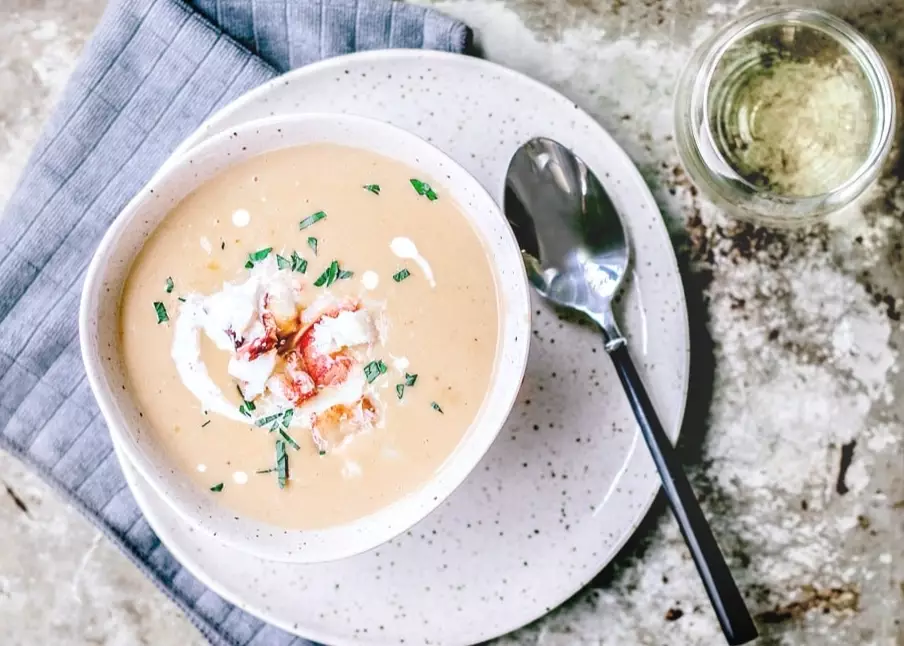
The Ingredients: Why Each One Matters
| Ingredient | Role & Best Choice | Common Pitfall |
|---|---|---|
| Crab Shells/Meat | Shells: Create the essential flavor base. Blue crab shells are classic, but Dungeness or snow crab work. Meat: Fresh pasteurized lump crabmeat for garnish. Avoid "crab sticks" (surimi). | Using only canned crab. The bisque will lack depth and have an off texture. |
| Butter & Flour (Roux) | Thickens the bisque and gives it body. Cooking the roux to a "blond" stage adds a subtle nutty flavor without darkening the soup. | Undercooking the roux, leaving a pasty flour taste. |
| Brandy or Dry Sherry | Adds a complex, warm aroma and cuts through the richness. The alcohol cooks off. | Using "cooking wine" (high in salt, poor flavor) or skipping it entirely, resulting in a one-dimensional taste. |
| Heavy Cream | Provides the signature rich, velvety mouthfeel and luxurious finish. | Substituting with half-and-half or milk. The soup will be thin and less indulgent. |
| Tomato Paste | Adds a subtle sweetness, depth of flavor (umami), and a hint of color, not a tomato taste. | Using ketchup or fresh tomatoes, which add too much acidity and moisture. |
Chef's Notes: Variations & Pro Tips
Once you've mastered the classic, feel free to play.
Popular Variations
- Spicy Crab Bisque: Add a finely chopped seeded jalapeño with the onions, or use a dash of hot sauce at the end.
- Sherried Crab Bisque: Use a good dry fino or amontillado sherry for deglazing, and add an extra splash at the finish.
- Corn and Crab Bisque: Add the kernels from 1-2 ears of fresh sweet corn when you add the stock. Purée some of them for sweetness.
Three Non-Negotiable Tips for Success
- Season in Layers. Season your stock lightly, season your base after simmering, and do your final seasoning after adding the cream and crab. Saltiness concentrates as liquids reduce.
- Don't Rush the Purée. Get it completely smooth. Any grit from shells or fibrous vegetables will ruin the luxurious texture. A high-powered blender is the best tool.
- Handle the Crab Meat Gently. Add it last, off the heat or on very low, and just fold it in. You're warming it through, not cooking it further, or it will become rubbery.
Your Crab Bisque Questions, Answered
Can I use canned crab meat for crab bisque?
You can, but the flavor and texture will be significantly compromised. Canned crab often has a metallic taste and a mushy texture that gets lost in the bisque. For the best results, use fresh lump crab meat (pasteurized is fine) for the final garnish, and absolutely use fresh crab shells (or frozen) to make your stock. That shell stock is non-negotiable for authentic flavor.
How long does homemade crab bisque last in the fridge?
Properly stored in an airtight container, your crab bisque will keep for 3 to 4 days in the refrigerator. The flavor often improves after a day. I do not recommend freezing a finished cream-based bisque, as it can separate and become grainy upon reheating. Instead, freeze the base before adding the final cream. Thaw, reheat gently, and then stir in the cream. For specific food safety timelines, the USDA Food Safety guidelines are a reliable resource.
What's the difference between a bisque and a chowder?
This is a common point of confusion. A bisque is a smooth, creamy, puréed soup classically made from shellfish, thickened with rice (or a roux), and enriched with cream. A chowder is a hearty, chunky soup or stew, often milk or cream-based, with pieces of seafood, vegetables, and potatoes. Texture is the key differentiator: silky smooth vs. chunky and substantial.
What can I use instead of brandy or sherry?
If you prefer not to use alcohol, you have a couple of options. A good substitute is a tablespoon of good quality sherry vinegar or white wine vinegar added at the very end, off the heat. It provides a similar bright, acidic note. Alternatively, you can simply omit it and rely on the lemon juice for acidity, though you'll miss some flavor complexity.