I remember the first time I tried making beurre blanc. It was for a date night, and I followed a recipe from a popular cooking site. The sauce looked perfect until it suddenly split into a greasy, buttery mess. I ended up ordering pizza. That failure taught me more than any success could—beurre blanc isn't hard, but it demands attention to details most recipes gloss over. Let's cut through the fluff and get to a method that delivers a silky, emulsified sauce every time, whether you're a home cook or an aspiring gourmet.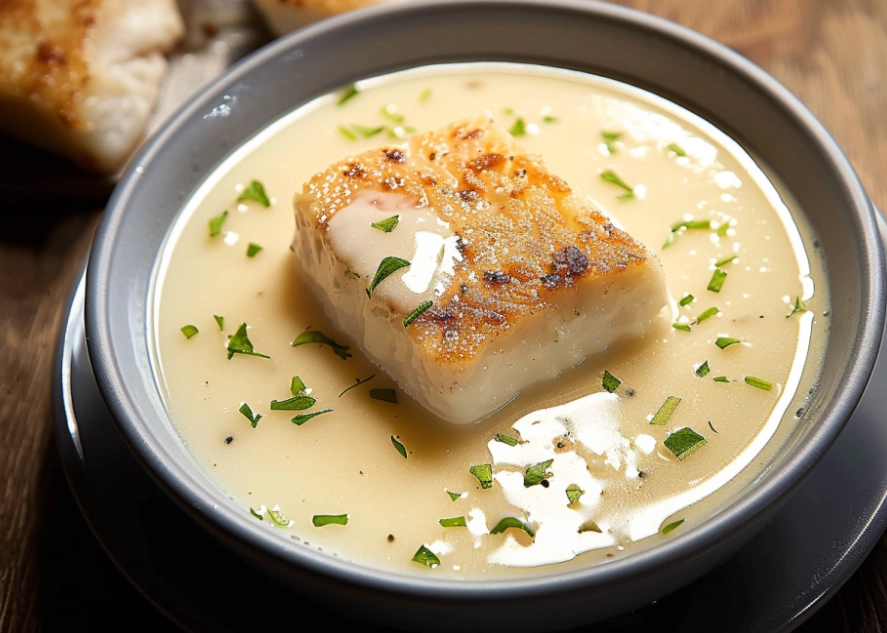
What You'll Find in This Guide
What Beurre Blanc Really Is (And Isn't)
Beurre blanc translates to "white butter," but that's misleading. It's not just melted butter. Originating from the Loire Valley in France, it's a warm emulsion sauce made by whisking cold butter into a reduction of white wine, vinegar, and shallots. The result? A rich, tangy, velvety sauce that coats the back of a spoon. Many people confuse it with hollandaise, but hollandaise uses egg yolks as an emulsifier. Beurre blanc relies solely on the magic of gradual butter incorporation—no eggs, no cream in the classic version. That's why it's trickier; if you rush, it breaks. I learned this from a chef in Nantes who insisted on calling it "the sauce of patience."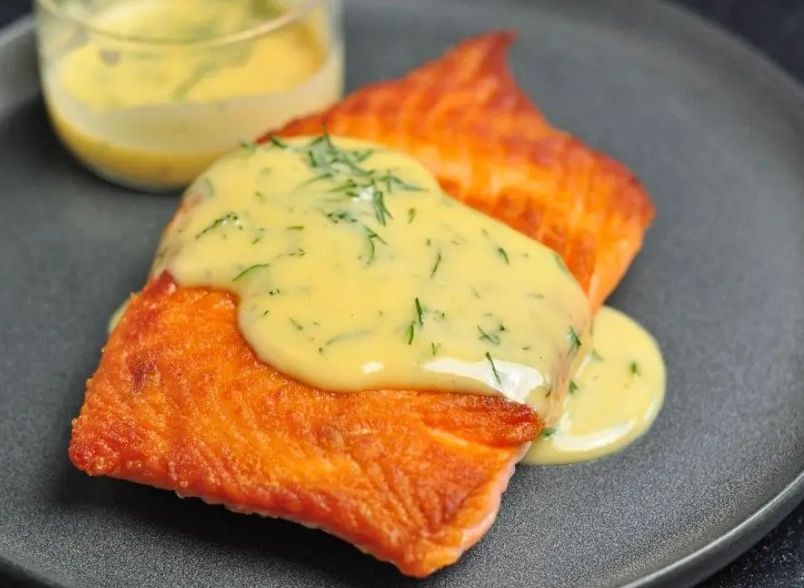
The Non-Negotiable Ingredients List
You can't improvise here. Quality matters, but you don't need luxury items. Here's what I always have on hand:
- Butter: Use unsalted, high-fat European-style butter (like Kerrygold or Plugrà). The higher fat content (around 82%) emulsifies better. I once tried with cheap butter, and the sauce was watery. Cold and cubed—never softened.
- Shallots: Two medium shallots, finely minced. Onions are too harsh; shallots add a subtle sweetness. Don't skip this.
- Vinegar: White wine vinegar is classic. Champagne vinegar works wonders. Avoid balsamic or apple cider vinegar for the traditional version—they overpower the flavor.
- White Wine: A dry white wine like Sauvignon Blanc or Pinot Grigio. Use something you'd drink. Cooking wine with additives can ruin the sauce.
- Seasoning: Salt, white pepper (black pepper flecks look messy), and maybe a pinch of cayenne for heat.
Some recipes add cream, but purists frown on it. Cream stabilizes the emulsion, making it foolproof for beginners. I'll admit, I use a splash sometimes when I'm multitasking. It's a cheat, but it works.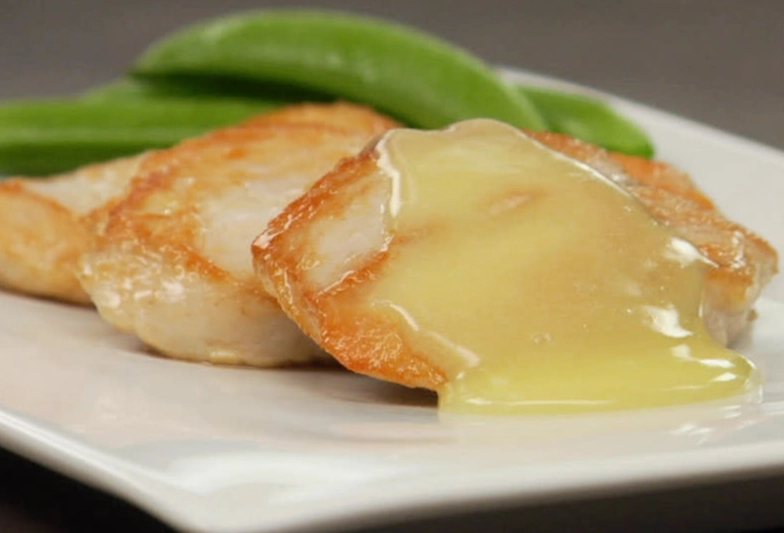
Pro Tip: Invest in a heavy-bottomed saucepan. Thin pans heat unevenly, causing the reduction to burn or the butter to split. I use a 2-quart stainless steel pan, and it's made all the difference.
Step-by-Step Process: From Reduction to Emulsion
This isn't rocket science, but timing is everything. Let's break it down.
The Reduction Phase
Combine 1/4 cup of dry white wine, 2 tablespoons of white wine vinegar, and 2 finely minced shallots in your pan. Bring to a simmer over medium heat. Let it reduce until you have about 2 tablespoons of liquid left—this concentrates the flavor. It should take 5-7 minutes. Don't walk away; I've burned it while answering a text. Once reduced, lower the heat to the lowest setting. Strain out the shallots if you want a smoother sauce, but leaving them in adds texture. I usually strain half for a balance.
The Butter Emulsion
Cut 1 cup (2 sticks) of cold unsalted butter into 1-inch cubes. With the reduction off the heat for a moment, start whisking in one cube at a time. Wait until each cube is almost fully incorporated before adding the next. This gradual addition is crucial. If the sauce gets too hot, pull the pan off the heat briefly. The sauce will thicken as you go. Season with salt and white pepper at the end. The whole process should take 10-12 minutes. You'll know it's right when it's pale yellow and coats a spoon evenly.
If you're adding cream, whisk in a tablespoon after the reduction, then proceed with butter. It adds insurance against breaking.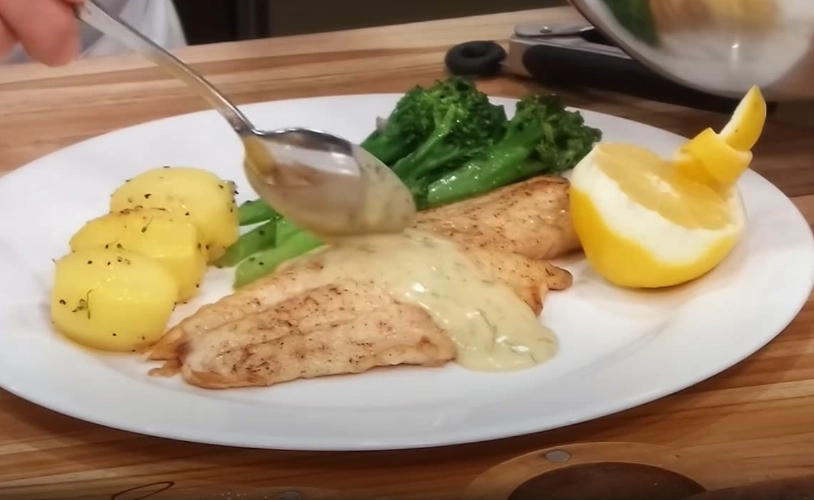
Common Mistakes and How to Sidestep Them
Most beurre blanc failures come from a few avoidable errors. Here's my take after years of trial and error:
- Butter Temperature: Cold butter is non-negotiable. Room-temperature butter melts too fast, overwhelming the emulsion. I keep it in the fridge until the last second.
- Heat Management: Too high heat breaks the sauce. Keep it low—barely simmering. If you see bubbles, it's too hot. Use a flame tamer if your stove runs hot.
- Whisking Technique: Whisk constantly but gently. Aggressive whisking can incorporate too much air, making the sauce frothy. A steady, circular motion works best.
- Rushing the Process: Adding butter too quickly is the top rookie mistake. One cube at a time, no exceptions. I set a timer to remind myself to slow down.
I once attended a cooking class where the instructor emphasized that beurre blanc is about rhythm, not speed. That stuck with me.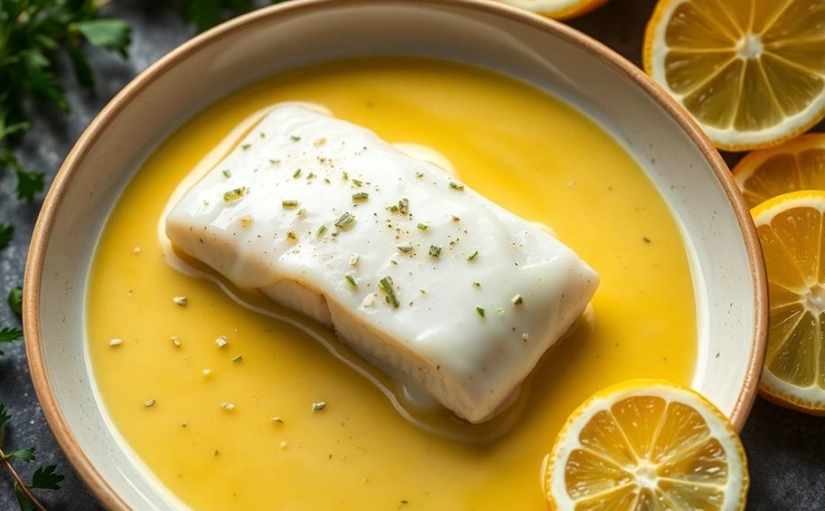
Variations and Creative Twists
The classic is great, but why stop there? Here are some variations I've tested:
- Beurre Rouge: Substitute red wine for white wine. It's richer and pairs beautifully with beef or duck. I made this for a winter dinner, and it was a hit.
- Herb-Infused: Add fresh tarragon, chives, or dill at the end. Tarragon beurre blanc is fantastic on salmon. Chop herbs finely to avoid clumping.
- Citrus Twist: Replace vinegar with lemon juice for a brighter sauce. Add zest at the end for extra punch. Perfect for seafood.
- Spicy Version: Add a minced chili pepper to the reduction. It gives a nice kick without overpowering.
These tweaks keep the sauce versatile. Experiment, but always start with the classic base to understand the fundamentals.
Pairing Suggestions Beyond the Usual Fish
Yes, beurre blanc is iconic with fish like sole or halibut. But it's so much more. Here's what I've paired it with successfully:
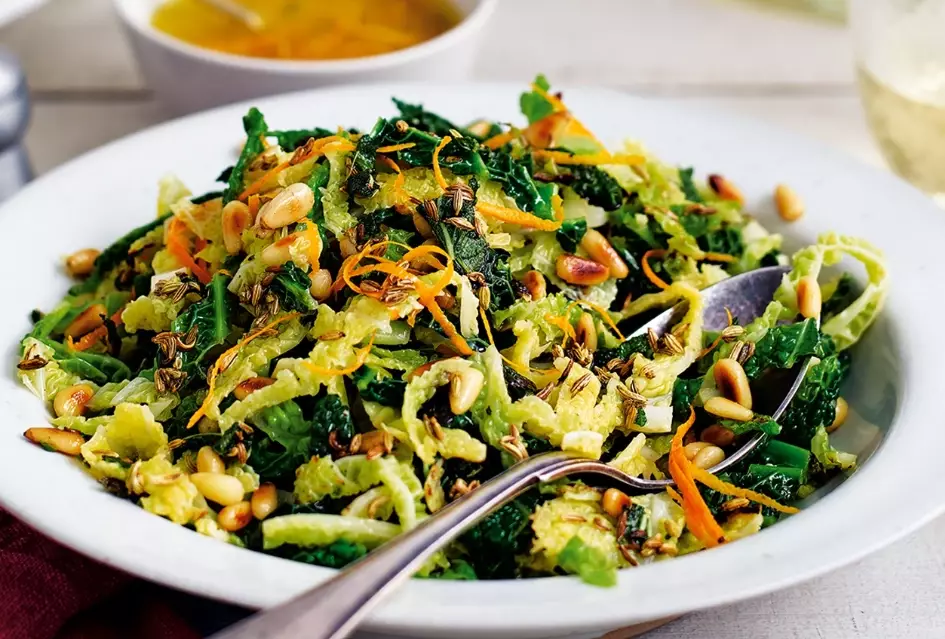
- Vegetables: Steamed asparagus, roasted Brussels sprouts, or artichokes. The sauce adds richness to simple greens.
- Poultry: Poached chicken breast or turkey cutlets. It elevates lean proteins without heaviness.
- Eggs: Drizzle over poached eggs on toast for a decadent breakfast. Trust me, it's worth the effort.
- Pasta: Toss with fresh pasta and peas for a quick gourmet meal. Add a bit of pasta water to thin it if needed.
Avoid pairing with heavily spiced or fried foods—the sauce's delicate flavor gets lost. I learned this the hard way with spicy shrimp; it was a clash.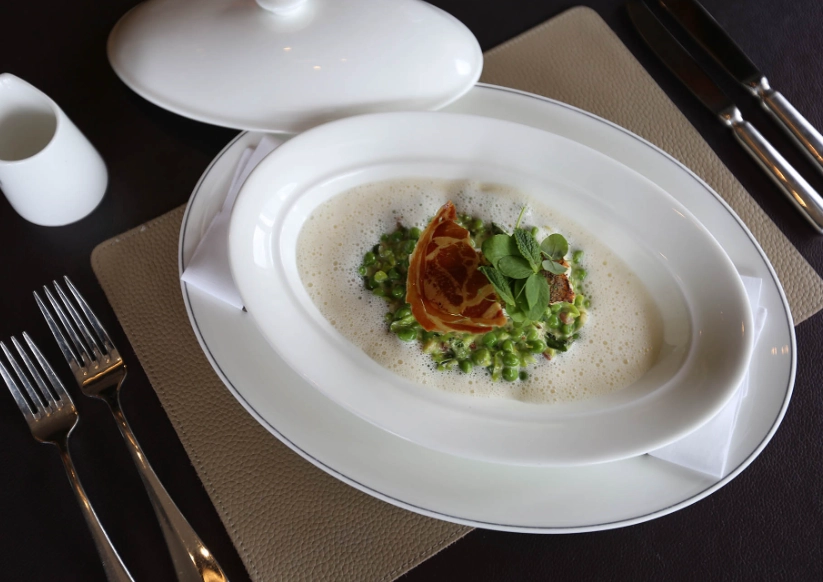
Your Beurre Blanc Questions Answered
Beurre blanc might seem daunting, but with these insights, you can master it. Start with the classic, then play around. Remember, even failed attempts teach you something—my date night disaster led me to perfect this recipe. For more on French sauces, check out resources like the Larousse Gastronomique or the French Culinary Institute's guides. Now, grab that whisk and give it a go. Your kitchen will smell amazing.