In This Guide
- What Exactly Are King Oyster Mushrooms?
- The Non-Negotiable First Step: Prepping Your Mushrooms
- The Core Cooking Methods: Choosing Your Path
- Can't-Fail King Oyster Mushroom Recipes You Need to Try
- Flavor Pairings and Seasoning Secrets
- Storing and Preserving Your Bounty
- Answering Your Burning Questions (FAQ)
- Taking Your Recipes Further: Inspiration and Resources
I have to be honest, the first time I saw king oyster mushrooms at the farmers market, I was a bit intimidated. They looked like something from a sci-fi movie – thick, sturdy stems with small, unassuming caps. I bought them on a whim, got home, and then stared at them in my kitchen, completely unsure of what to do. Sound familiar? If you've ever searched for a "king oyster mushroom recipe" and felt overwhelmed by the possibilities (or lack of clear guidance), you're in the right place. This isn't just another list of recipes. It's the manual I wish I'd had.
What makes a great king oyster mushroom recipe? It's not just about following steps. It's about understanding this unique ingredient's texture, its mild flavor that acts like a sponge for sauces, and its incredible versatility that lets it stand in for meat in ways other mushrooms can't. We're going to get into all of that. From the absolute basics of how to pick and prep them, to the game-changing techniques that turn them into crispy "scallops" or juicy "pulled pork," consider this your one-stop shop.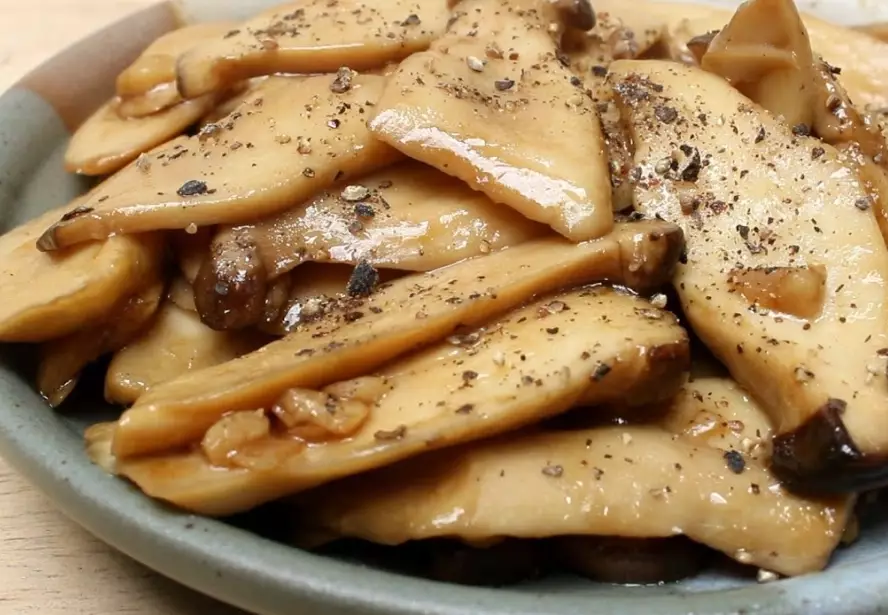
What Exactly Are King Oyster Mushrooms?
Before we jump into the cooking, let's get acquainted. Knowing your ingredient is half the battle. King oyster mushrooms (*Pleurotus eryngii*) are the largest in the oyster mushroom family. Forget the delicate, frilly caps of their cousins. These guys are all about the stem. The cap is small and tan, but the stem is a thick, dense, meaty cylinder that can be as big as a bratwurst.
That stem is the gold. Its texture is firm and almost fibrous when raw, but when cooked properly, it becomes tender, juicy, and can mimic the mouthfeel of seafood or slow-cooked meat. The flavor is mild, nutty, and slightly savory – a perfect background canvas. This is why they're a superstar in plant-based cooking. You're not just adding mushroom flavor; you're adding a substantial, satisfying bite.
You can find them in most well-stocked grocery stores these days, especially Asian markets where they've been a staple for ages. Look for firm, dry stems with no slimy spots. The caps should be intact, not cracked or shriveled.
Why This Mushroom Deserves a Spot in Your Kitchen
I'll give you my personal top reasons, beyond the obvious "they taste good." First, they have a fantastic shelf life. Compared to button mushrooms that turn slimy in days, king oysters can last over a week in your fridge if stored properly (more on that later). Second, their waste factor is nearly zero. You can use every single part – the tough bit at the very bottom of the stem is the only thing I sometimes compost. Third, and this is a big one for weeknights, they cook relatively quickly. You don't need to braise them for hours to get tender.
But the number one reason? Their ability to make a meal feel special and substantial without any meat. A solid king oyster mushroom recipe can be the centerpiece of your dinner plate.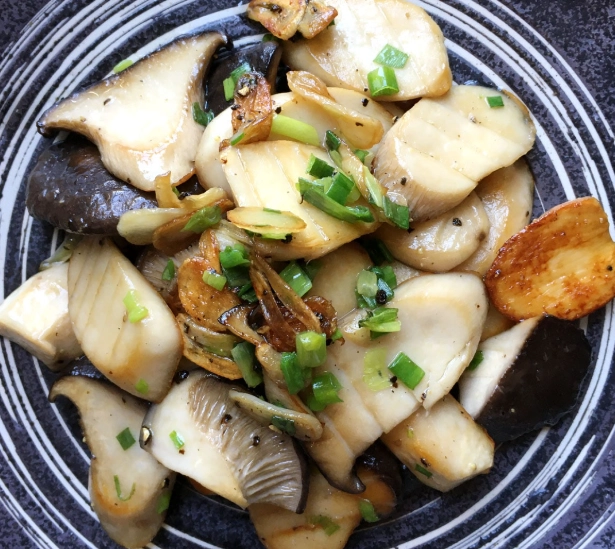
The Non-Negotiable First Step: Prepping Your Mushrooms
This is where most online recipes gloss over the details, and it's the most common point of failure. How you prep king oysters dictates the success of your final dish. Do it wrong, and you'll end up with rubbery, watery, or bland mushrooms. Let's break it down.
Do you need to wash mushrooms? The age-old debate. For king oysters, I take a middle road. I don't soak them, as they can absorb water like a sponge. Instead, I use a slightly damp paper towel or a soft brush to wipe off any visible dirt or substrate from the stems and caps. If they seem particularly gritty, a very quick rinse under cold water followed by immediate and thorough pat-drying with paper towels is acceptable. The goal is to get them dry before they hit the pan.
How to Slice and Dice for Different Recipes
This is the fun part. The cut changes everything.
- The Classic "Scallop" Cut: This is the most famous trick. Slice the stem crosswise into 1-inch to 1.5-inch thick rounds. The diameter and firm texture will eerily resemble sea scallops. Score the top of each round in a crosshatch pattern. This isn't just for looks; it allows marinades and seasonings to penetrate deeply and creates more surface area for a beautiful sear.
- Strips or "Sticks": Slice the stem lengthwise into planks, then cut those into thick strips. Perfect for stir-fries, fajitas, or skewers. They hold their shape beautifully.
- Shredded/Pulled: This is a game-changer for BBQ sandwiches or taco fillings. Use a fork to shred the raw stem lengthwise. It will naturally separate into meaty strands. Alternatively, you can roast or steam whole stems first, then use two forks to pull them apart – it's even easier.
- Small Dice or Mince: Great for incorporating into stuffings, dumpling fillings, or as a base for a mushroom duxelles.
- Leaving Them Whole: For roasting or grilling, sometimes leaving smaller or medium-sized stems whole is fantastic. They become juicy and steak-like.
The Core Cooking Methods: Choosing Your Path
Every king oyster mushroom recipe hinges on one of these core techniques. Understanding the outcome of each method helps you choose the right one for the dish you're dreaming of.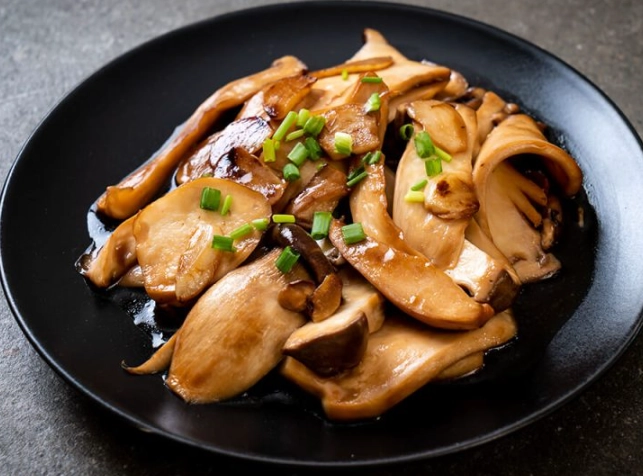
| Cooking Method | Best For Creating... | Key to Success | My Personal Take |
|---|---|---|---|
| Searing/Sautéing | Crispy edges, golden-brown color, concentrated flavor (e.g., scallops, stir-fry components). | Hot pan, don't crowd it, let them sit without moving to get a good sear. | The most versatile starting point. A good sear fixes a lot of texture issues. |
| Roasting/Baking | Concentrated, caramelized flavor, slightly drier and chewier texture (e.g., bacon, steak bites). | Toss with enough oil, use high heat (400°F+), space them out on the sheet pan. | My go-to for hands-off cooking. It intensifies the nutty flavor beautifully. |
| Braising/Simmering | Unbelievably tender, juicy mushrooms that soak up sauce (e.g., stews, curries, vegan bourguignon). | Add towards the end of cooking; they don't need hours like meat. | Underrated method. They become succulent little flavor bombs. |
| Grilling | Smoky char marks, meaty, substantial bite. | Brush with oil to prevent sticking, use medium-high heat. | Perfect for summer. The char plays so well with their earthiness. |
| Air Frying | Ultra-crispy exterior with minimal oil (e.g., fries, crispy bacon). | Shake the basket halfway through for even cooking. | Surprisingly effective for getting that crunch without deep-frying. |
See what I mean? Your desired final texture should guide your cooking method first. A recipe is just the flavor blueprint layered on top of this foundation.
Can't-Fail King Oyster Mushroom Recipes You Need to Try
I'm avoiding just giving you a bland list. Instead, here are foundational recipes that teach you a technique. Master these, and you can improvise endlessly.
The Iconic: Pan-Seared King Oyster Mushroom "Scallops"
This is the gateway recipe for most people. It's simple, elegant, and never fails to impress. The key is patience and high heat.
Take your 1-inch thick rounds, patted completely dry. Score them. Season generously with salt and pepper. Heat a neutral oil (like avocado or grapeseed) in a heavy-bottomed skillet (cast iron is perfect) over medium-high heat until it shimmers. Add the rounds in a single layer – don't overcrowd. You might need to do batches.
Here's the hard part: don't touch them for 3-4 minutes. Let a deep golden-brown crust form. Flip and cook for another 3 minutes. In the last minute, add a couple tablespoons of butter, a smashed garlic clove, and a sprig of thyme or rosemary. Baste the mushrooms with the foaming butter. Squeeze in a tiny bit of lemon juice right at the end. Serve immediately. They should be crispy outside, tender and almost juicy inside. This basic technique is the heart of countless king oyster mushroom recipe variations.
The Weeknight Hero: Garlic & Soy Stir-Fried King Oysters
This is my 15-minute, "I have no idea what to cook" lifesaver. Cut your mushrooms into strips or thick slices. Get your wok or large skillet screaming hot. Add oil, then the mushrooms. Stir-fry for 2-3 minutes until they start to brown.
Add minced garlic and ginger (about a tablespoon each), stir for 30 seconds until fragrant. Pour in a sauce made of 2 tbsp soy sauce, 1 tbsp rice vinegar, 1 tsp maple syrup or sugar, and a splash of water or veggie broth. Let it bubble and reduce for a minute, coating the mushrooms. Throw in some chopped scallions, a drizzle of sesame oil, and you're done. Serve over rice. It's savory, umami-packed, and utterly satisfying. This formula is infinitely adaptable – add chili paste, swap soy for oyster sauce (or vegan oyster sauce), toss in veggies.
This kind of king trumpet mushroom recipe proves you don't need complexity for great flavor.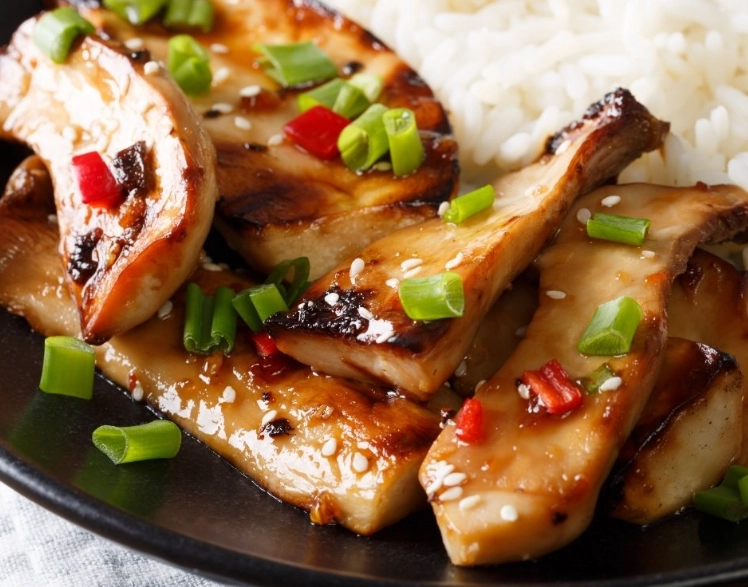
The Showstopper: "Pulled" BBQ King Oyster Mushroom Sandwiches
This is where the shredding technique shines. It's shockingly convincing.
Take 4-5 large king oyster stems. Shred them raw with a fork into long strands. Toss with a tablespoon of oil and your favorite BBQ dry rub (paprika, garlic powder, onion powder, smoked paprika, salt, pepper). Spread on a parchment-lined baking sheet. Roast at 425°F for 20-25 minutes, stirring halfway, until the strands are browned in spots and have dried out slightly.
Toss the hot roasted strands with about ½ to ¾ cup of your favorite BBQ sauce. Pile high on a toasted bun with coleslaw. The texture is remarkably similar to pulled pork – tender, slightly chewy, and soaked in smoky-sweet sauce. It’s a crowd-pleaser, even for dedicated meat-eaters. I've served this at parties without telling people, and the reactions are priceless.
Flavor Pairings and Seasoning Secrets
King oysters are mild, so they need friends. Here’s what works wonders:
- Umami Boosters: Soy sauce, tamari, miso paste, dried mushrooms (powdered), nutritional yeast, tomato paste, Worcestershire sauce (check for vegan).
- Herbs: Thyme, rosemary, and sage are classic with mushrooms. Tarragon adds a lovely, slightly anise note that pairs well with the "scallop" idea. Parsley and chives for freshness at the end.
- Aromatics: Garlic and shallots are non-negotiable for me. Ginger is fantastic in Asian-inspired dishes.
- Acidity: A splash at the end lifts everything. Lemon juice, rice vinegar, sherry vinegar, or even a bit of white wine.
- Fats: Butter (or vegan butter) for basting and richness. Olive oil, toasted sesame oil, truffle oil (sparingly!).
My personal secret weapon? A very light dusting of cornstarch or arrowroot powder on sliced mushrooms before pan-frying. It creates an even crispier, more substantial crust that holds sauce better. Try it in your next king oyster mushroom recipe.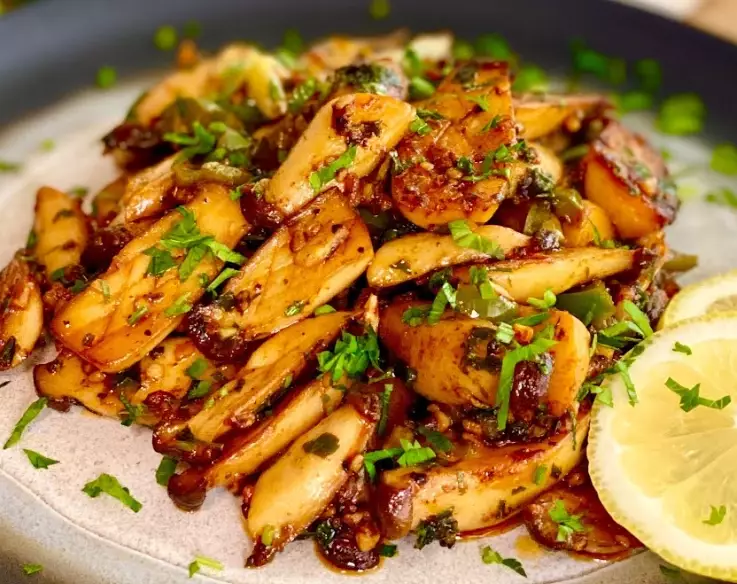
Storing and Preserving Your Bounty
You bought a big pack and only used half. Now what? Don't let them go to waste.
Short-term (up to 10 days): Store them unwashed in a paper bag in the main compartment of your refrigerator (not the crisper drawer, which can be too humid). The paper bag absorbs excess moisture and prevents sliminess. Plastic bags trap moisture and speed up decay.
Long-term - Freezing: Yes, you can freeze them! But not raw. Blanch slices in boiling water for 2 minutes, then plunge into ice water. Drain thoroughly, pat dry, and freeze in a single layer on a baking sheet before transferring to a freezer bag. Or, even better, cook them according to your favorite recipe (like sautéing or roasting) and freeze the cooked result. The texture holds up reasonably well for soups, stews, and sauces.
Drying: King oysters dry exceptionally well. Slice them thinly (about ¼ inch), lay on dehydrator trays or a baking sheet in a very low oven (175°F) with the door slightly ajar. Dry until completely crisp. Store in an airtight container. Rehydrate in warm water or broth for 20 minutes before using. The concentrated flavor is intense and wonderful for broths.
Answering Your Burning Questions (FAQ)
I've gotten a lot of questions from readers over the years. Here are the most common ones, straight from my inbox.
Are king oyster mushrooms healthy?
Absolutely. They are low in calories and fat, a good source of fiber, and contain various B vitamins and minerals like potassium and phosphorus. Like other mushrooms, they contain bioactive compounds that are being studied for their potential health benefits. For detailed nutritional information, you can always refer to reliable databases like the USDA FoodData Central. But in my kitchen, their health appeal is in being a fantastic, satisfying whole-food substitute for meat.
Why are my cooked king oysters rubbery?
Two main culprits: 1) Undercooking. They need sufficient time and heat to break down their fibrous structure. A quick toss in a pan might not be enough. Give them a proper sear or roast. 2) Overcrowding the pan. This steams them instead of browning them, leading to a soggy, rubbery texture. Cook in batches if you have to.
Can I eat them raw?
Technically, yes, they are not toxic raw. But I don't recommend it. The texture is very tough and fibrous, and the flavor is muted. Cooking transforms them completely.
What's the best substitute if I can't find king oysters?
It depends on the recipe. For texture in a stir-fry, thickly sliced portobello stems or hearts of palm can work in a pinch. For flavor in a sauce, other mushrooms like cremini or shiitake will work, but you'll lose that unique meaty bite. There's no perfect 1:1 substitute, which is why they're so special.
Do I need to peel them?
No. The skin is perfectly edible and thin. Just give them a good wipe.
Taking Your Recipes Further: Inspiration and Resources
Once you've mastered the basics, the world is your oyster (mushroom). Think beyond the standard recipes. Shave them thinly on a mandoline for carpaccio. Grill whole stems and slice them over a grain bowl. Braise them in a rich red wine sauce with pearl onions. The possibilities are endless.
For further inspiration and to see different cultural approaches to cooking mushrooms, I sometimes browse reputable culinary sources. Websites like Serious Eats often have deep dives into ingredient science and technique that can be applied to king oysters. Remember, the best king oyster mushroom recipe is often the one you tweak and make your own.
So, next time you see those tall, pale stems at the store, grab them with confidence. You now know exactly what to do. Start with a hot pan, a little oil, and some salt. You might just discover your new favorite ingredient.