Making ricotta cheese at home is easier than you think. Forget the store-bought stuff—fresh ricotta has a creamy texture and mild flavor that elevates everything from pasta to desserts. I started making it years ago after a trip to Italy, and now it’s a staple in my kitchen. Let’s dive into the details so you can whip up a batch today.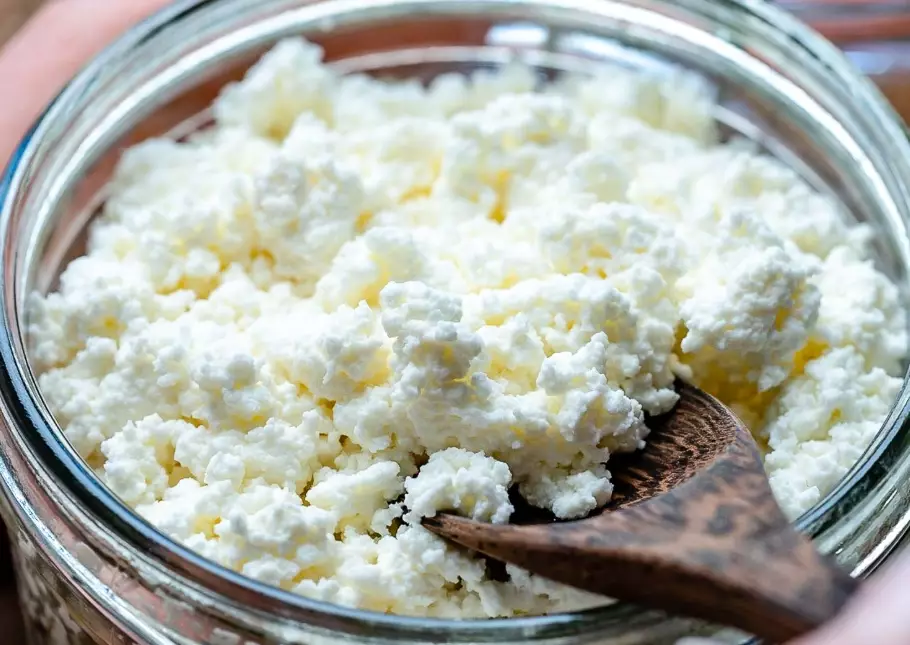
What You’ll Find Inside
What You Need to Make Ricotta Cheese at Home
You don’t need fancy equipment. Most items are probably in your kitchen already. Here’s the breakdown.
Essential Ingredients
Keep it simple: milk, acid, and salt. That’s it. But the type matters.
- Milk: Whole milk works best for a rich, creamy ricotta. I’ve tried skim milk—it makes a drier cheese, okay for baking but not for spreading. Avoid ultra-pasteurized milk; it doesn’t curdle well. Some recipes add cream for extra richness, but it’s optional.
- Acid: Lemon juice or white vinegar. Lemon gives a slight tang, vinegar is neutral. I prefer lemon juice because it adds a fresh note. Apple cider vinegar can work, but it might alter the flavor if you’re not careful.
- Salt: A pinch of fine sea salt enhances the taste. Add it after straining to control the seasoning.
Tools and Equipment
No special gadgets required.
- A large, heavy-bottomed pot (stainless steel or enameled cast iron).
- A thermometer—digital is accurate, but you can eyeball it if you’re experienced.
- A slotted spoon or fine-mesh strainer.
- Cheesecloth or a clean kitchen towel for straining. Cheesecloth is better; it catches fine curds without letting them slip through.
- A bowl to catch the whey (don’t throw it away—more on that later).
Pro tip: If you’re in a pinch, a clean cotton T-shirt can substitute for cheesecloth. I’ve done it, and it works surprisingly well, though it might stain.
Step-by-Step Instructions for Perfect Ricotta
Follow these steps closely. Ricotta-making is forgiving, but attention to detail pays off.
Heating the Milk
Pour a gallon of whole milk into your pot. Heat it over medium-low heat. Slow and steady wins here—if you rush, the milk can scorch or form a skin. Aim for 185°F (85°C). Use a thermometer to check; if you don’t have one, look for small bubbles around the edges and steam rising. Stir occasionally with a wooden spoon to prevent sticking.
I remember my first time: I cranked the heat to high, and the milk boiled over. What a mess! Now I keep it low, around a 6 on my stove dial, and it takes about 20 minutes.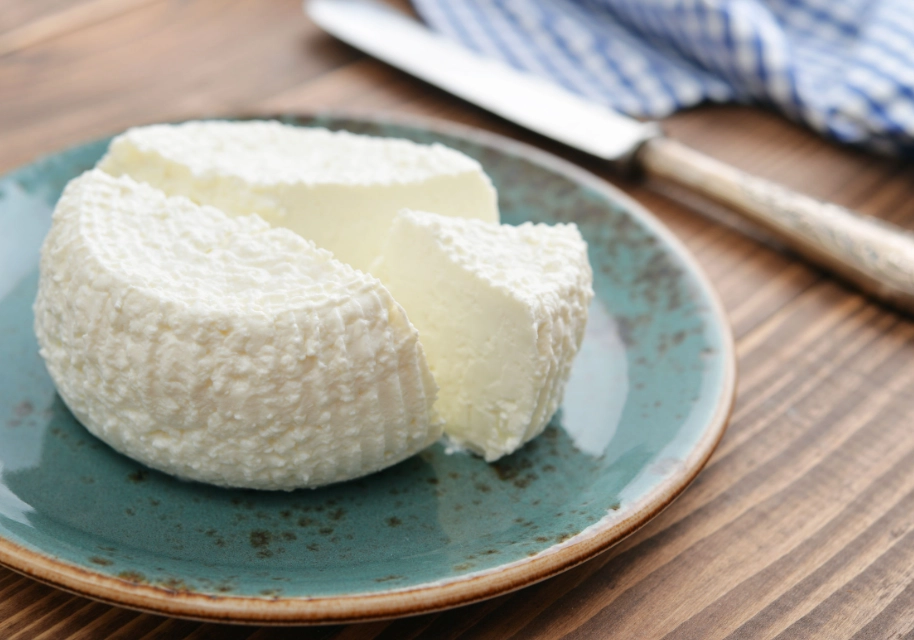
Adding the Acid
Once the milk hits 185°F, turn off the heat. Add 1/4 cup of lemon juice or white vinegar, stirring gently for 30 seconds. You’ll see curds start to form—white clumps separating from the yellowish whey. Stop stirring and let it sit for 10 minutes. Don’t touch it! This resting period lets the curds firm up.
Some recipes call for adding acid slowly, but I’ve found that dumping it in all at once works fine as long as you stir gently. Over-stirring breaks the curds into tiny pieces, leading to grainy ricotta.
Draining and Straining
Line a strainer with cheesecloth and place it over a bowl. Ladle the curds into the strainer. Let it drain for 15-30 minutes, depending on how creamy you want it. Shorter draining (15 minutes) gives a moist, spreadable ricotta; longer (30 minutes) makes it firmer, good for stuffing pasta.
Save the whey! It’s full of protein and can be used in smoothies, soups, or bread dough. The USDA notes that whey is a byproduct with nutritional value, so don’t waste it.
After draining, transfer the ricotta to a container, add a pinch of salt, and mix lightly. Taste it—fresh ricotta should be mild and slightly sweet. If it’s too tangy, you might have added too much acid; next time, reduce it by a tablespoon.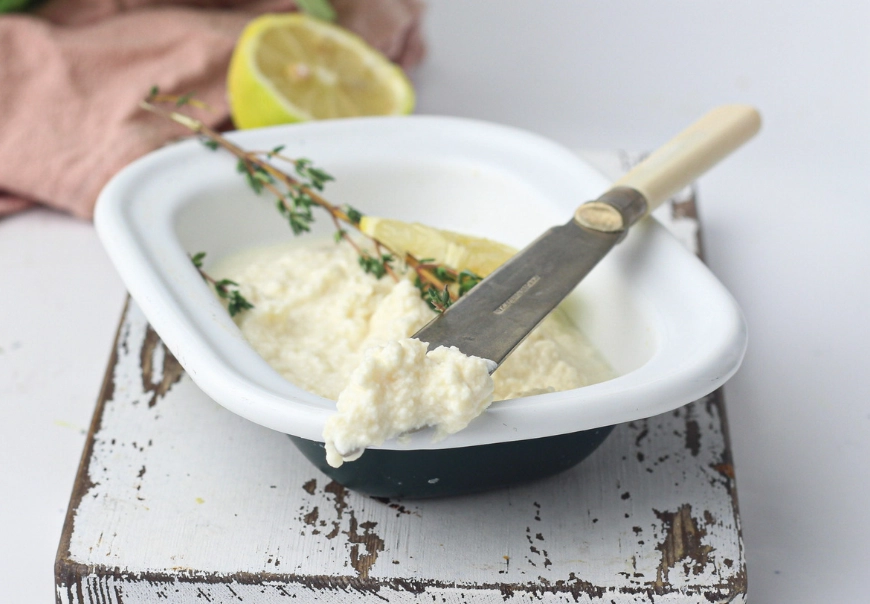
Common Mistakes and How to Avoid Them
Even simple recipes can go wrong. Here’s what I’ve learned from trial and error.
| Mistake | Why It Happens | How to Fix It |
|---|---|---|
| Grainy texture | Over-stirring after adding acid or heating too fast | Stir gently, let curds rest undisturbed, use low heat |
| Rubbery ricotta | Too much acid or over-draining | Measure acid carefully, drain for less time |
| Weak curds | Using ultra-pasteurized milk | Switch to regular pasteurized whole milk |
| Bland flavor | Not adding salt or using low-fat milk | Season with salt after draining, use whole milk |
Watch out: If your ricotta smells sour or off, it might be due to contaminated equipment. Always use clean pots and utensils. I once reused a cloth without washing it, and the batch spoiled quickly—lesson learned!
Another subtle error: not adjusting for altitude. If you live in high-altitude areas, milk boils at a lower temperature. Reduce the target heat to 180°F to prevent overcooking.
Creative Ways to Use Your Homemade Ricotta
Fresh ricotta isn’t just for lasagna. Get creative!
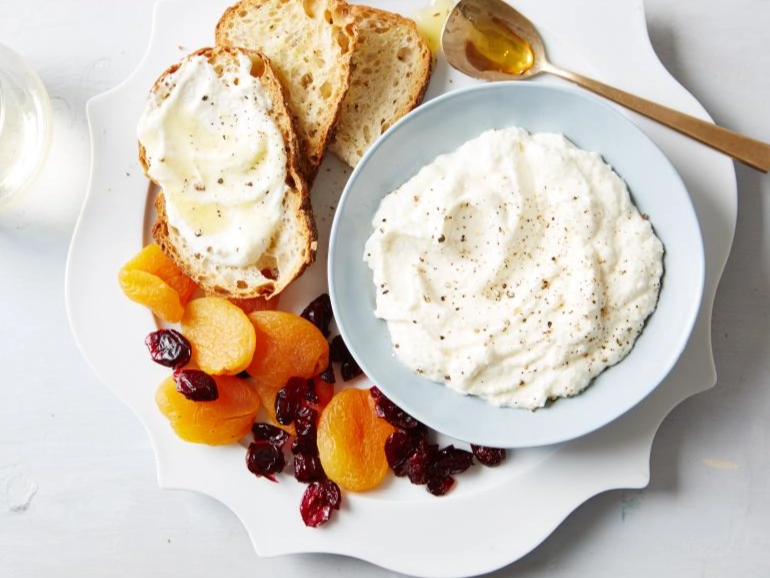
- Breakfast: Spread it on toast with honey and berries. Or mix into pancake batter for fluffy pancakes—I do this every weekend.
- Lunch: Toss with pasta, olive oil, and peas for a quick meal. Add a squeeze of lemon to brighten it up.
- Dinner: Stuff into ravioli or use as a layer in eggplant Parmesan. For a crowd-pleaser, I made ricotta-stuffed chicken breasts last month; everyone asked for the recipe.
- Dessert: Sweeten with a bit of sugar and vanilla for cannoli filling or cheesecake. It’s lighter than cream cheese.
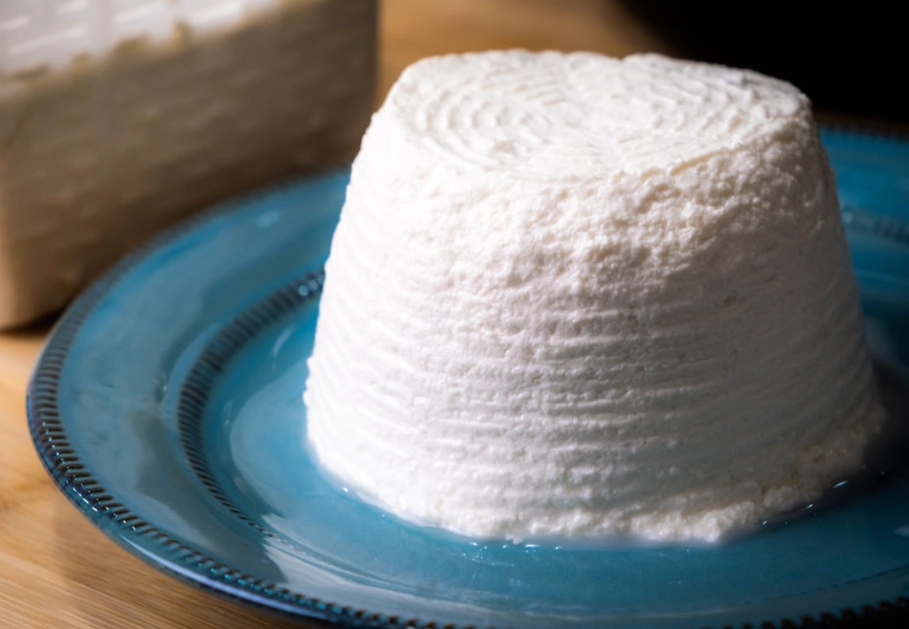
Case study: For a friend’s wedding, I prepared 5 pounds of homemade ricotta for a crostini bar. We offered toppings like figs, prosciutto, and balsamic glaze. Guests loved it, and it cost half the price of store-bought. The key was making it two days ahead and storing it properly.
If you’re into food science, ricotta’s versatility comes from its high moisture content and mild flavor. According to resources from the Italian Culinary Institute, traditional ricotta is often used in both savory and sweet dishes across Italy.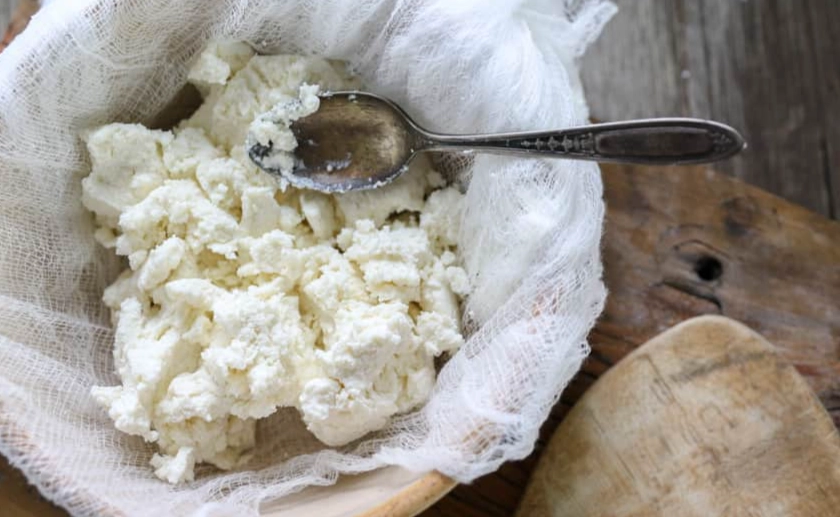
Frequently Asked Questions
 Give it a try this weekend. Start with a small batch—use half a gallon of milk if you’re nervous. Once you taste that creamy, homemade ricotta, you’ll never go back to the supermarket version. Share your results in the comments; I’d love to hear how it goes!