Introduction
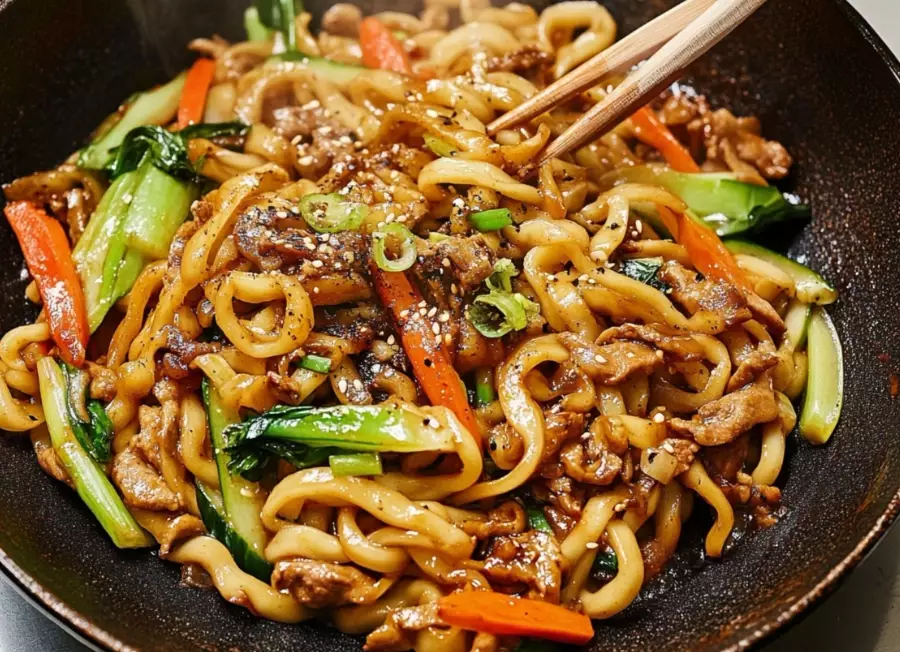
There is nothing quite like the aroma and taste of a well-prepared lechon. The dish is a masterpiece of Filipino cuisine that is slow-cooked to perfection. The lechon is a dish that is rich in flavor and history. The process of preparing lechon is a labor of love, requiring patience, skill, and a deep understanding of the ingredients and cooking techniques. The lechon is a dish that is best served with a variety of side dishes and accompaniments. The key is to serve the lechon with a well-balanced selection of sides that enhance its flavor and provide a complete dining experience. The lechon is a dish that is meant to be shared and enjoyed with family and friends, making it a centerpiece of Filipino celebration and hospitality.
This guide will walk you through the process of making authentic Philippines Lechon, from selecting the right pig to achieving that legendary crispy skin. We'll cover the traditional stuffing, the slow-roasting technique, and the essential liver sauce (lechon sauce).
In This Guide
What You'll Need: The Lechon Essentials
Let's get the basics straight first. Making lechon is a project, not a quick weeknight dinner. You need the right tools and the right main ingredient.
The Pig: For a home version, a 20-30 lb (9-14 kg) whole suckling pig is ideal. It's manageable and cooks relatively evenly. You can source this from a specialty butcher, a Filipino grocery store, or a farm. Tell them it's for lechon; they'll know to clean it thoroughly and often can butterfly it for you (spatchcocked), which is much easier for home roasting. The skin must be as dry and unblemished as possible.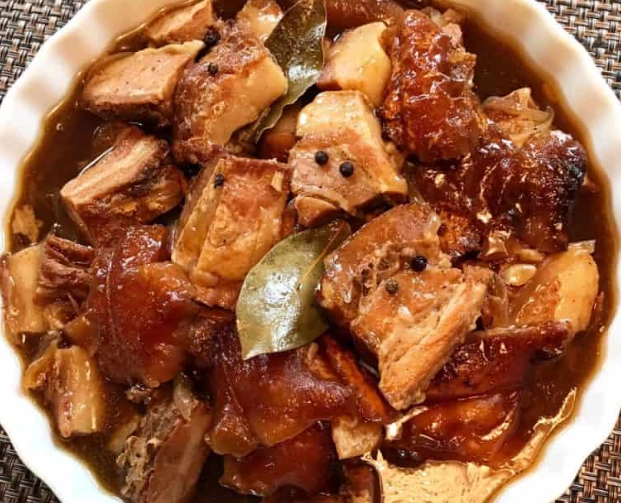
The Equipment:
- A large, heavy-duty roasting pan with a rack.
- A reliable meat thermometer is non-negotiable. Guesswork leads to dry meat or rubbery skin.
- Butcher's twine for trussing.
- A basting brush (silicone works well).
- A large cooler or insulated box for resting the pig – it sounds odd, but it's a pro trick we'll get to.
My First Lechon Mistake: I used a regular baking sheet for a 25lb pig. The drippings overflowed, smoked up my kitchen, and created a mess I spent hours cleaning. The right-sized pan is your first line of defense.
Step 1: Prepping the Pig & The Aromatic Stuffing
This step is about building flavor from the inside out. The stuffing isn't meant to be eaten; it's there to perfume the meat with steam.
Preparing the Cavity
Pat the entire pig, inside and out, extremely dry with paper towels. Any moisture is the enemy of crisp skin. I mean it. Spend 10 minutes on this. Then, rub the entire interior cavity generously with a mixture of coarse salt and ground black pepper. Don't be shy.
The Aromatic Bundle
Here's where you create the signature fragrance. The classic combination is:
- Several stalks of lemongrass, bruised
- 1 whole garlic head, cloves separated and lightly crushed
- 2-3 large onions, quartered
- A handful of whole peppercorns
- 4-5 bay leaves
Place all these aromatics on a large piece of banana leaf (if available), wrap it into a loose bundle, and place it inside the pig's cavity. The banana leaf adds another subtle, grassy note. Truss the cavity shut with butcher's twine to keep the bundle in place.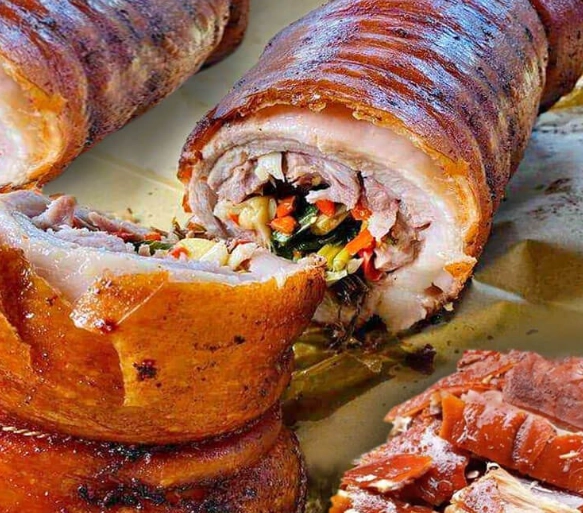
Do NOT season the outside of the skin with salt or anything wet at this stage. This will draw out moisture and prevent blistering. The skin must start dry.
Step 2: The Roasting Process & Crispy Skin Secrets
This is the marathon. Low and slow first, then a blast of heat. Patience is your most important ingredient.
Initial Roast (The Tenderizing Phase): Preheat your oven to 300°F (150°C). Place the pig on the rack in the pan, belly down/back up. Roast for approximately 4 to 5 hours for a 25lb pig. The goal here is to slowly render the fat and cook the meat to tenderness without coloring the skin too much. Baste the interior cavity (not the skin) with the rendered fat drippings every hour or so.
Start checking the internal temperature after 3.5 hours. You're aiming for 165-170°F (74-77°C) in the thickest part of the ham and shoulder. Once it hits that, the meat is cooked. Now, for the magic trick.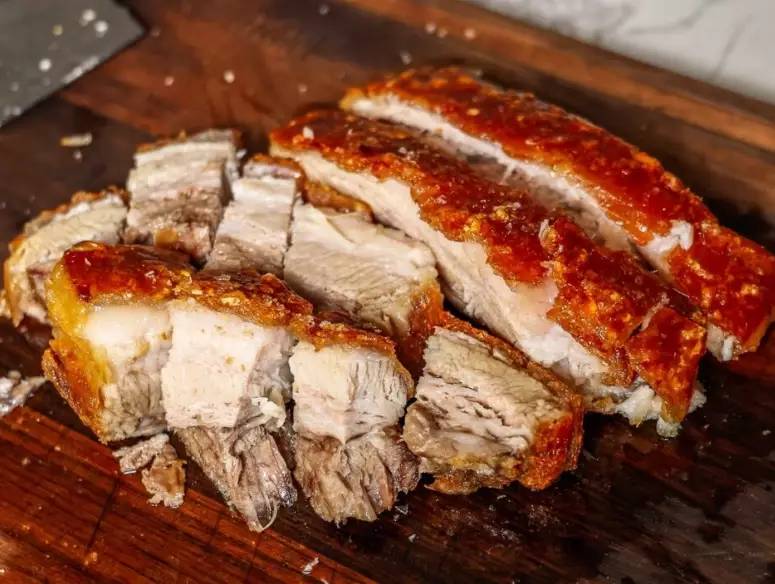
The "Rest & Dry" Secret for Ultimate Crisp
Here's a step most online recipes skip, but it's what street-side lechoneros do. Once the meat is cooked:
- Carefully transfer the entire roasting pan with the pig into a large, empty cooler. Close the lid. Let it rest and steam in its own residual heat for 1 hour. This keeps the meat juicy.
- After resting, remove the pig. You'll see the skin is pale, tight, and slightly puckered. This is perfect. Let it sit uncovered at room temperature for another 30-60 minutes. This further dries the surface. A dry surface is a crispy surface.
The Final Blast (The Crisping Phase): Crank your oven to its highest setting, 450°F (230°C) or even broil. Return the dried pig to the oven. Watch it like a hawk. The skin will start to bubble and blister into that iconic golden-red, glass-like crackling. This can take anywhere from 15 to 30 minutes. Rotate the pan if needed for even coloring.
Once it's uniformly blistered and deep golden, it's done. The sound when you tap it should be a hollow crackle.
The Lechon Sauce: More Than Just a Dip
Lechon without its sauce is like fries without ketchup – incomplete. This sweet, savory, and tangy liver-based sauce cuts through the richness of the pork.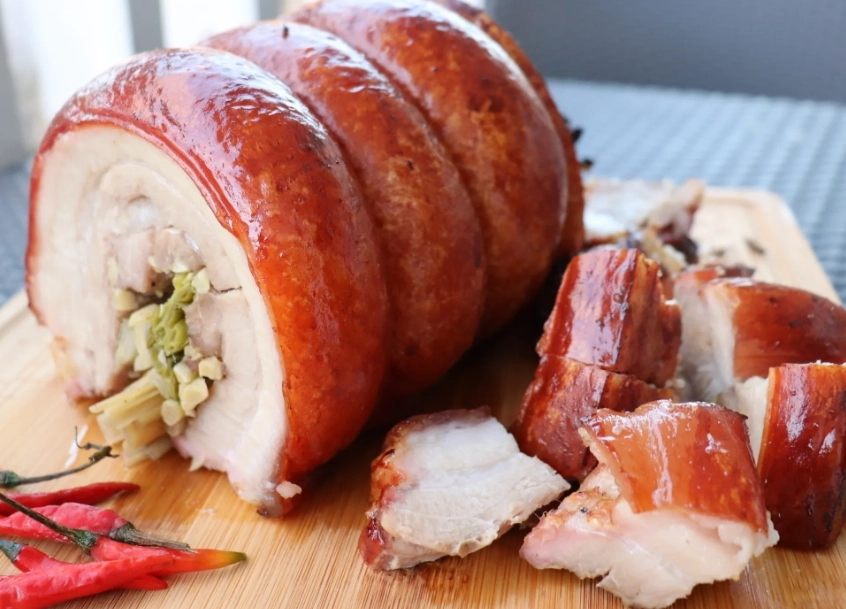
The base is breadcrumbs or crushed soda crackers thickened with liver pâté or pureed pork/chicken liver. Here's a comparison of two common approaches:
| Method | Key Ingredient | Flavor Profile | Best For |
|---|---|---|---|
| Traditional | Fresh pork liver, boiled & pureed | Deep, earthy, robust liver flavor | Purists, those who love the distinct liver taste |
| Modern Shortcut | Liver pâté or spread (like Reno Liver Spread) | Smoother, milder, consistently creamy | Weekend cooks, easier execution |
My Go-To Recipe (Shortcut Version): Sauté onions and garlic. Add 1 cup of broth, ½ cup of vinegar, ¼ cup of brown sugar, and 3-4 tablespoons of liver pâté. Whisk until smooth. Stir in ½ cup of fine breadcrumbs or crushed crackers and simmer until thickened. Season with salt, pepper, and a bit of soy sauce. The consistency should be like a thick gravy. Let it cool; it thickens more.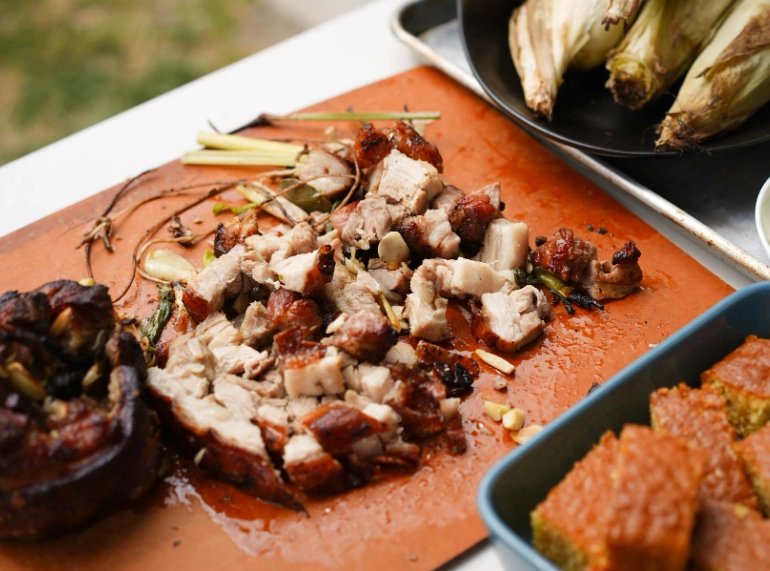
Your Lechon Questions Answered
Making lechon at home is a rewarding challenge. It's about the process as much as the result. The moment you hear that first crack of the skin as you carve into it, and see the juicy, fragrant meat underneath, you'll know it was worth every minute. Gather your friends, make a big batch of sauce, and enjoy the centerpiece of Filipino hospitality.