Quick Guide
- First Things First: Getting to Know Your Passion Fruit
- The Sweet Side: Dessert & Drink Passion Fruit Recipes
- The Surprising Savory Side: Passion Fruit Recipes Beyond Dessert
- Passion Fruit 101: Selection, Prep & Problem-Solving
- Answering Your Passion Fruit Questions (FAQ)
- Bringing It All Together: Start Your Passion Fruit Journey
Let's talk about passion fruit. You know, that weird, wrinkly orb from the tropics that looks like it's seen better days. I used to walk right past them at the store. Too intimidating. Too foreign. What was I supposed to do with it? Scoop out those slimy seeds? It wasn't until a friend basically forced a spoonful of homemade passion fruit curd on me that I saw the light. That intense, perfumed tartness followed by a whisper of sweetness… it was a game-changer. Now, I'm borderline obsessed, and my mission is to make you just as excited to try these passion fruit recipes.
This isn't just a list of things to bake. It's your field manual. We're covering everything from the absolute classics you need in your life to some seriously wildcard savory ideas that might just become your new favorite thing. We'll also tackle the practical stuff—how to pick a good one, how to get the pulp out without making a mess (trust me, I've made the mess), and how to balance that famous tartness. Ready to jump in?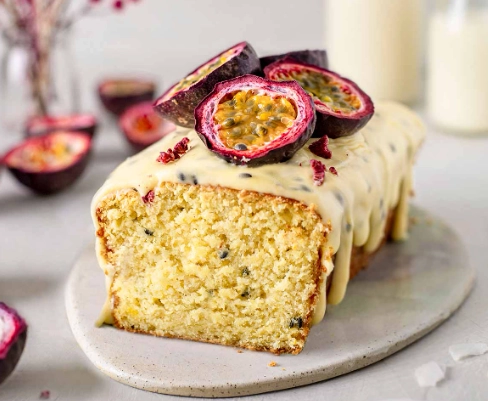
First Things First: Getting to Know Your Passion Fruit
You can't make great passion fruit recipes if you're fighting your main ingredient. So let's get friendly with it. Passion fruit, or Passiflora edulis, comes in a few varieties, but you'll mostly see the purple ones (often from South America or Africa) and the larger, yellow ones (common in Hawaii and other tropical regions). The purple ones are more common in stores and have a sharper, more concentrated flavor. The yellow ones are a bit sweeter and juicier. Honestly, for most recipes, purple works perfectly.
What does passion fruit taste like? It's hard to describe if you've never had it. It's explosively tart and fragrant—a mix of guava, pineapple, and citrus, but with its own unique, perfumed aroma. The texture of the pulp is gelatinous, filled with edible, crunchy black seeds. Don't be scared of the seeds! They add a nice textural contrast and are packed with fiber.
How to Pick a Winner: Forget looks. The uglier, the better. You want a passion fruit that's heavy for its size and has a deeply wrinkled, shriveled skin. A smooth, shiny skin means it's underripe. It should feel like a little deflated ball. A deeply purple or yellow color is good, but the wrinkles are the real giveaway. Give it a gentle squeeze; it should have a slight give.
Once you get them home, you can keep ripe passion fruit at room temperature for a day or two, but for longer storage, pop them in a plastic bag in the fridge. They can last for weeks in there. To use, simply slice it in half crosswise and scoop out the golden, seedy pulp with a spoon. That's your treasure.
The Sweet Side: Dessert & Drink Passion Fruit Recipes
This is where passion fruit truly shines. Its acidity cuts through rich, creamy, and sweet elements like a dream. If you're new to cooking with it, start here.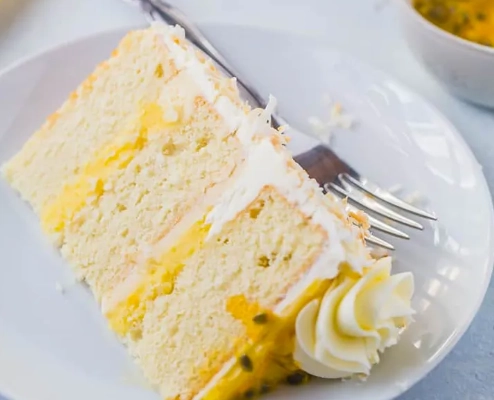
The Non-Negotiable Classics
Some passion fruit recipes are classics for a reason. They're the foundation.
Passion Fruit Curd: If you only make one thing from this entire guide, make this. It's brighter and more complex than lemon curd. You swirl it into yogurt, dollop it on pancakes, fill tarts or cupcakes, or just eat it with a spoon straight from the jar. My basic formula is passion fruit pulp, sugar, eggs, butter, and a pinch of salt. Cook it low and slow until it thickens. It keeps in the fridge for a good week, but good luck making it last that long.
Passion Fruit Cheesecake: This might be the most searched-for passion fruit recipe online, and I get it. A creamy, dense New York-style cheesecake with a tangy passion fruit swirl or topping is pure heaven. The key is to not overdo the passion fruit in the batter itself, or the acidity can mess with the setting. I prefer making a solid passion fruit curd and either swirling it in before baking or, even better, spreading a glorious layer on top once the cheesecake is cool. The contrast between the rich base and the sharp topping is unreal.
Pavlova or Meringue: The crisp, sweet shell of a pavlova is the perfect vessel for something tart and juicy. Pile high with whipped cream and a generous helping of fresh passion fruit pulp. The seeds provide a delightful pop with every bite. It's a stunning, relatively easy dessert that always impresses.
Refreshing Drinks & No-Bake Treats
When it's hot, you need passion fruit recipes that don't involve turning on the oven.
Passion Fruit Mojito (or Any Cocktail/Mocktail): Muddle some fresh mint and lime with a big spoonful of passion fruit pulp. Add rum (or skip it), simple syrup, and top with soda water. It's instantly tropical and so much more interesting than the standard version. For a mocktail, just nix the rum—it's still fantastic.
Passion Fruit Ice Cream or Sorbet: Homemade ice cream is a project, but a passion fruit sorbet is surprisingly straightforward. Puree the pulp with a simple syrup (heavy on the sugar to balance the tartness), maybe a touch of lemon juice, churn, and freeze. The result is a vibrant, palate-cleansing dessert. For a creamy version, a no-churn passion fruit ice cream using condensed milk and whipped cream works wonders.
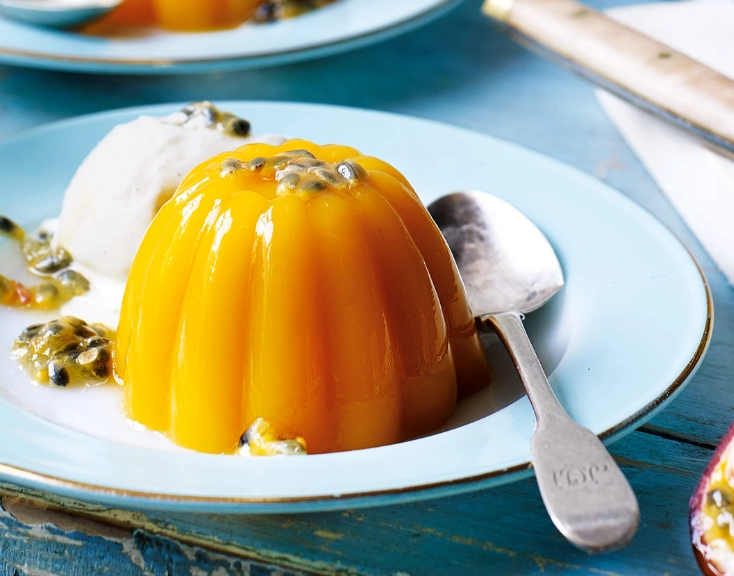
Passion Fruit Possets or Panna Cotta: These set cream desserts are elegant and simple. The high acidity of passion fruit works magically with cream. For a posset, you heat cream, sugar, and passion fruit pulp, then let the acid set it. It's foolproof and incredibly luxurious.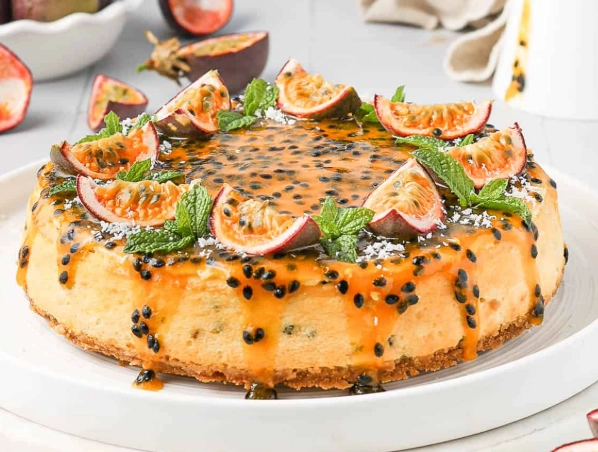
The Surprising Savory Side: Passion Fruit Recipes Beyond Dessert
This is where we get creative. Passion fruit's acidity makes it a fantastic substitute for vinegar or citrus in dressings, marinades, and glazes. It adds a fruity depth that lemon juice just can't match.
Glazes, Sauces & Dressings
Think of passion fruit pulp as a super-powered citrus juice. Reduce it down with a bit of honey or brown sugar, maybe a splash of soy sauce and ginger, and you have an incredible glaze for salmon, chicken, or roasted carrots. The sugars caramelize, and the tartness balances the richness of the protein.
My favorite quick hack is a passion fruit vinaigrette. One part passion fruit pulp, one part good olive oil, a squeeze of honey, salt, and pepper. Shake it up. It transforms a simple green salad, especially one with avocado, goat cheese, or nuts. It's also killer drizzled over grilled shrimp or a piece of seared tuna.
Marinades & Ceviche
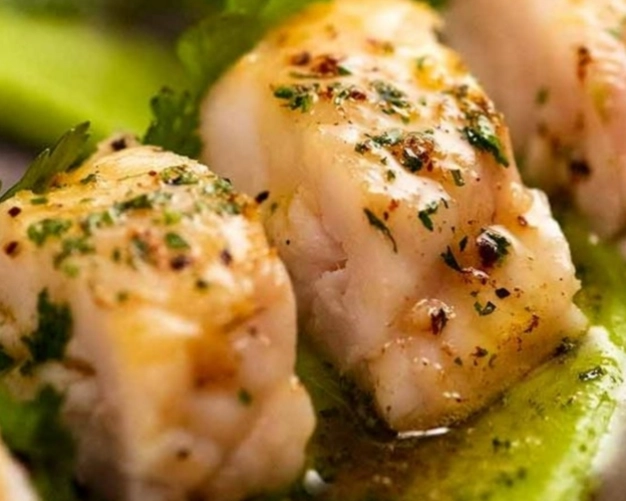
The acid in passion fruit "cooks" fish just like lime juice does in a traditional ceviche. Try a Peruvian-inspired passion fruit ceviche (sometimes called *ceviche de maracuyá*). The passion fruit adds a distinct floral note that's really special. Marinate firm white fish like sea bass or halibut in passion fruit pulp, lime juice, red onion, cilantro, and a touch of chili for 15-20 minutes. Serve with sweet potato or corn. It's a total showstopper.
For a chicken or pork marinade, blend passion fruit pulp with garlic, onion, a touch of oil, and spices like cumin or paprika. It tenderizes and infuses the meat with so much flavor before you grill or roast it.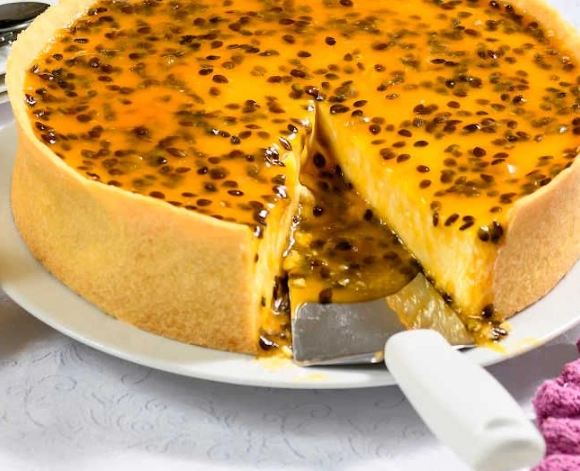
A Word of Caution: When using passion fruit in a savory glaze or sauce that you're reducing, taste as you go. The flavor concentrates quickly, and it can go from perfectly tart to unpleasantly sour if you reduce it too much. I've done it. It's a fine line.
Passion Fruit 101: Selection, Prep & Problem-Solving
Let's get technical for a second. A little know-how prevents waste and frustration.
| Variety | Skin Appearance (When Ripe) | Flavor Profile | Best For... |
|---|---|---|---|
| Purple Passion Fruit | Deep purple, very wrinkled and dimpled. | Intensely tart, aromatic, concentrated. | Curds, cheesecakes, cocktails where you want a strong punch. |
| Yellow Passion Fruit (Golden) | Bright yellow, slightly less wrinkled, larger. | Milder, sweeter, more juice relative to pulp. | Sorbets, drinks, salad dressings, eating fresh. |
What if my passion fruit is smooth and hard? It's underripe. Just leave it on your counter at room temperature for a few days. It will wrinkle up as it ripens. You can speed it up by putting it in a paper bag with a banana.
How much pulp do I get? This is the frustrating part. One average purple passion fruit yields about 1 to 2 tablespoons of pulp. Most passion fruit recipes call for the pulp of 4-6 fruits, or about 1/2 to 3/4 cup. It's why passion fruit can be an expensive ingredient to work with, but the flavor payoff is huge. For larger projects, look for frozen puree in specialty stores or online—it's a great, consistent product. Just make sure it's 100% puree with no added sugar.
To strain or not to strain? Most of the time, I say keep the seeds. They're part of the experience. However, if you're making a super-smooth curd, a silky sauce, or a clear cocktail, you might want to press the pulp through a fine-mesh sieve to separate the juice from the seeds. You lose some of the texture, but you gain a refined finish. For things like cheesecake swirls or pavlova topping, the seeds are essential.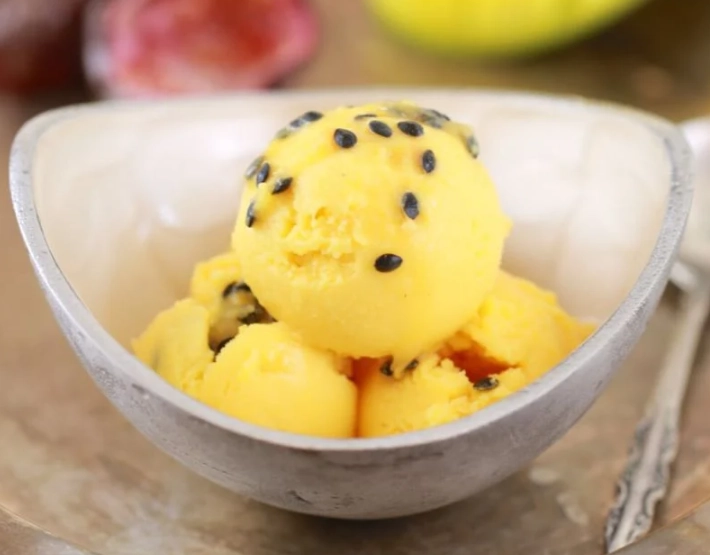
My Top Tips for Working with Passion Fruit:
- Sweeten to taste, not just to recipe. Tartness varies wildly. Always taste your pulp first and adjust sugar in the recipe accordingly.
- Freeze the pulp. Scoop it into ice cube trays or small containers. You'll have passion fruit ready to go year-round.
- Pair it with creamy and rich. Coconut milk, mascarpone, whipped cream, white chocolate. Passion fruit cuts through fat beautifully.
- Don't waste the shells! They make adorable, natural serving dishes for mousses, sorbets, or even cocktails if you can get them to stand up.
Answering Your Passion Fruit Questions (FAQ)
I get a lot of the same questions whenever I talk about passion fruit recipes. Here are the straight answers.
Bringing It All Together: Start Your Passion Fruit Journey
Look, you don't need to make a five-layer passion fruit cake on your first try. Start simple. Buy two passion fruits. Cut them open, scoop the pulp into a bowl, add a teaspoon of sugar or honey, and taste it straight. Get familiar with the flavor.
Then, maybe make that vinaigrette. Or blend some pulp into your morning smoothie. The next weekend, try the curd. Once you conquer that, you'll have the confidence for any of the passion fruit recipes out there.
The beauty of this fruit is its versatility. It can be the star of an elegant dinner party dessert or a quick weekday salad dressing. It bridges the gap between sweet and savory like few other ingredients can. Yes, it can be pricey and a bit fussy to prep, but the explosive flavor is worth every penny and every sticky seed you have to scoop.
So go grab some wrinkly, ugly passion fruits. Don't be intimidated. That wrinkled skin is just a sign of the intense flavor waiting inside. Get scooping, tasting, and experimenting. Your kitchen is about to get a whole lot more tropical.
And if you're curious about the plant itself—how it grows, its fascinating flowers—the Royal Horticultural Society has some great gardening resources, though I'll admit I've killed more than one passion fruit vine trying to grow it in a less-than-tropical climate. Some things are better left to the experts and just enjoyed from the grocery store!