Quick Guide
Let's be honest. A Cornish pasty lives and dies by its pastry. You can have the most beautifully seasoned filling in the world, but if it's wrapped in a sad, soggy, or tough shell, the whole thing is a write-off. I learned this the hard way, after a few attempts that produced something closer to a doorstop than a delicious handheld meal. The goal is that magical combo: flaky enough to be enjoyable, yet sturdy enough to hold all those juices without falling apart in your hand. That's what we're after.
This isn't just another recipe. It's the result of a bit of obsession, a lot of testing, and conversations with bakers who know their stuff. We're going deep on the Cornish pasties pastry recipe that actually works.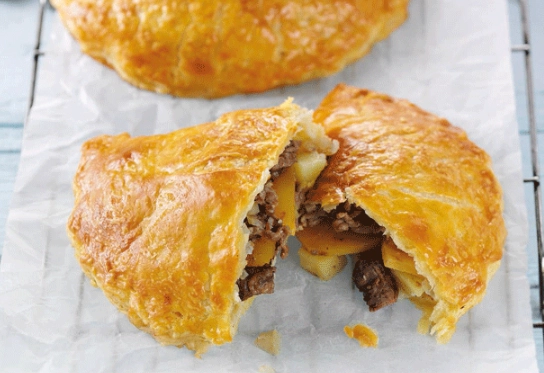
The Core Philosophy: Cold fat, cold hands, minimal handling. That's the pastry mantra. Forget everything else for a moment. If you remember that, you're halfway there.
What Makes an Authentic Cornish Pasty Pastry?
First, a tiny bit of history, because it matters. A genuine Cornish pasty has Protected Geographical Indication (PGI) status from the UK government. This means to be called a "Cornish pasty," it must be made in Cornwall and follow specific rules. The pastry is a key part of that. It's described as a "baked shortcrust pastry." Not puff, not filo. Shortcrust.
But "shortcrust" covers a lot of ground. For pasties, it's traditionally a half-fat-to-flour ratio (by weight). This gives you structure. Some modern recipes use a bit of lard for flakiness and flavor, which I'm a fan of. The authentic Cornish pasty pastry recipe is a working person's food – it needs to be robust.
The Non-Negotiable Ingredients
You don't need fancy stuff. In fact, fancy might hurt you.
- Plain Flour (All-Purpose): About 500g. Strong bread flour has too much gluten, leading to toughness. Cake flour is too weak. Plain is the perfect middle ground.
- Cold Fat: This is where opinions split. I use a 50/50 mix of unsalted butter and lard. The butter gives flavor, the lard gives an incredible, melt-in-the-mouth flakiness. If you're vegetarian, just use all butter, but know the texture will be slightly different (still delicious, though). You'll need 250g total.
- Cold Water: Iced, from the fridge, whatever. Just cold. Roughly 120-150ml.
- Salt: A good pinch, maybe 1 tsp. It enhances everything.
That's it. No egg, no vinegar, no baking powder for this traditional version. Simplicity is key.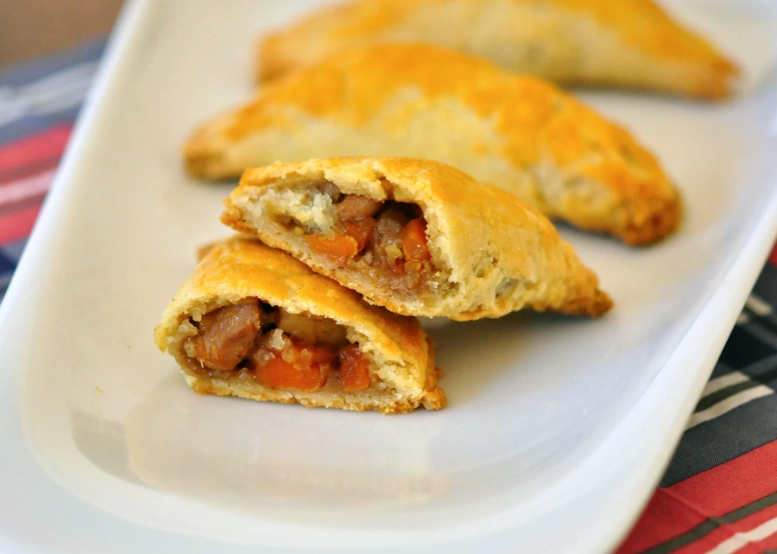
The Step-by-Step: Building Your Pastry
Here’s where the magic (or the mess) happens. I'll walk you through it, including the little pitfalls I've stumbled into.
1. Combining Fat and Flour
Dice your cold butter and lard into small cubes. Toss them into the flour and salt. Now, use your fingertips. The goal is to rub the fat into the flour until it resembles coarse breadcrumbs. You want some small, pea-sized lumps of fat remaining. These pockets are what will create steam during baking, leading to flakiness.
Pro Tip (Learned from Failure): If your hands are warm, run them under cold water and dry them thoroughly before starting. Or use a pastry cutter. Over-rubbing makes the fat too uniform, and you lose flakiness. I did this once and got a very homogeneous, tough crust. Not great.
2. Adding the Water
The trickiest part. Sprinkle in the ice-cold water, a tablespoon or two at a time. Use a blunt knife to mix it in. You're looking for the dough to just come together. It might look a bit shaggy and dry in places. That's okay. Press it together with your hands. If it holds, stop adding water.
Too much water activates more gluten, leading to shrinkage and toughness. Too little, and it cracks and won't seal. This balance is the heart of a good pastry recipe for Cornish pasties.
3. Resting is NOT Optional
Form the dough into a flat disc, wrap it in cling film, and bung it in the fridge. For at least 30 minutes, but an hour is better. This relaxes the gluten you've developed and re-chills the fat. Skipping this leads to a pastry that's elastic and hard to roll, and it shrinks like crazy in the oven. Just don't do it.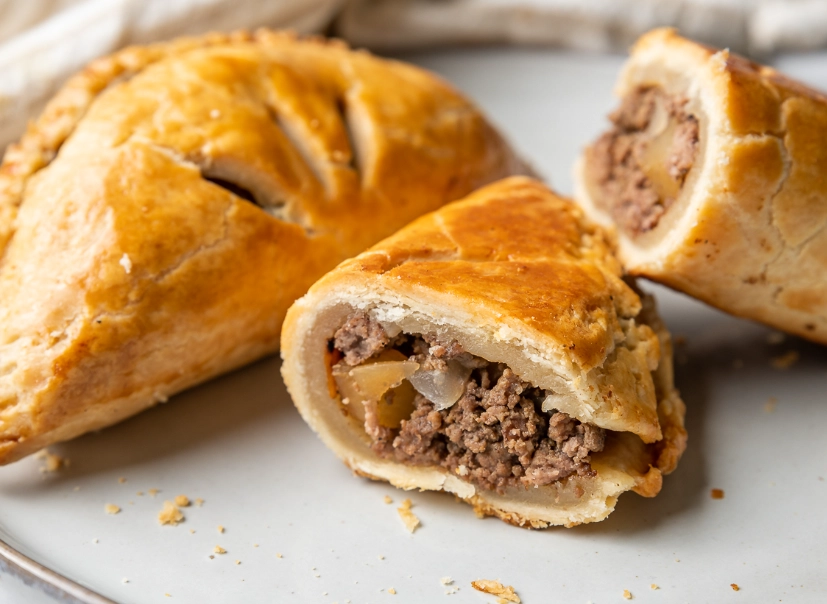
Rolling, Filling, and Crimping: The Art of Assembly
Your pastry is ready. Now for the fun part. Lightly flour your surface. Roll the pastry out to about 3-4mm thick. Not paper thin, you need substance.
I use a side plate (about 20cm diameter) as a guide to cut circles. A proper pasty is a half-moon, not a circle. So place your filling on one half.
The Classic Filling (The PGI Way)
While the Cornish pasties pastry recipe is our star, the filling has rules too for authenticity: diced beef (skirt or chuck), sliced onion, swede (rutabaga), and potato. Seasoned simply with salt and pepper. The vegetables go in raw. The genius is that everything cooks together inside its own little oven.
| Ingredient | Preparation | Why It Matters |
|---|---|---|
| Beef (Skirt Steak) | Diced, not minced | Provides texture and rich flavor as it braises in its own juices. Skirt steak is perfect. |
| Potato & Swede (Rutabaga) | Sliced thinly, not cubed | Thin slices ensure they cook through. Swede adds a subtle sweetness. |
| Onion | Sliced | Adds moisture and sweetness. |
| Seasoning | Salt & Black Pepper | Be generous. It seasons the whole package. |
Pile the filling on one half of your pastry circle. Leave a clear border of about 2cm. Dab that border with a little water or beaten egg. Now, fold the other half over to create your half-moon.
The Crimp
This is the signature. The Cornish crimp is along the curved top, not the side. Pinch the edges together, then fold and twist them over themselves to create a rope-like edge. It's not just pretty; it's a super-secure seal. It takes practice. My first few looked like they'd been attacked by a crab. Watch a video if you need to. The effort is worth it for that authentic look and leak-proof finish.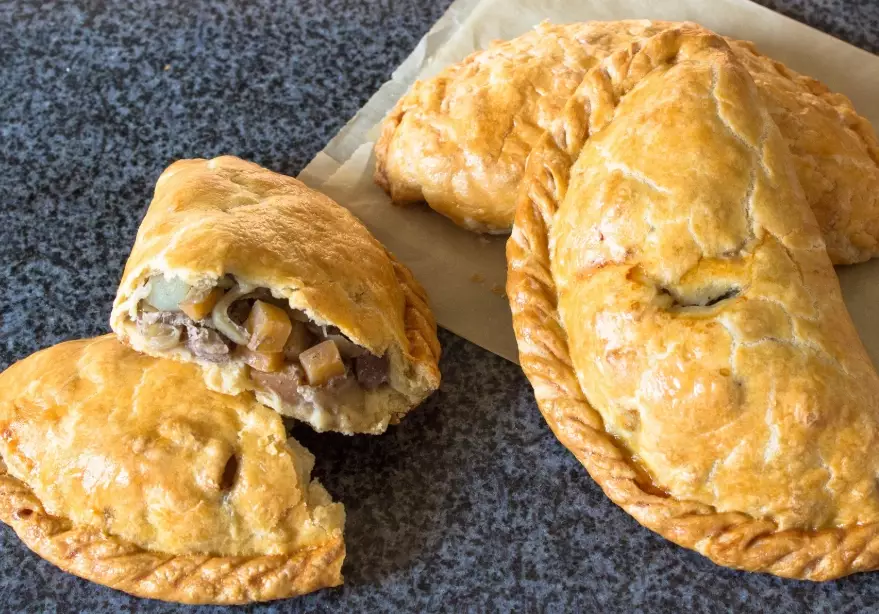
Baking to Perfection
Preheat your oven hot – 220°C (425°F). Place the pasties on a lined baking tray. Give them a good egg wash (just beaten egg) for that classic golden shine. Some traditionalists slash a couple of small holes in the top to let steam escape. I do it.
Bake at the high heat for 20 minutes, then reduce to 160°C (325°F) for another 40 minutes or so. This initial blast sets the pastry, the long slow cook tenderizes the meat and cooks the veg through.
You'll know they're done when they're a deep, uniform golden brown and feel firm. Let them cool on a rack for at least 15 minutes. They are molten lava inside straight from the oven.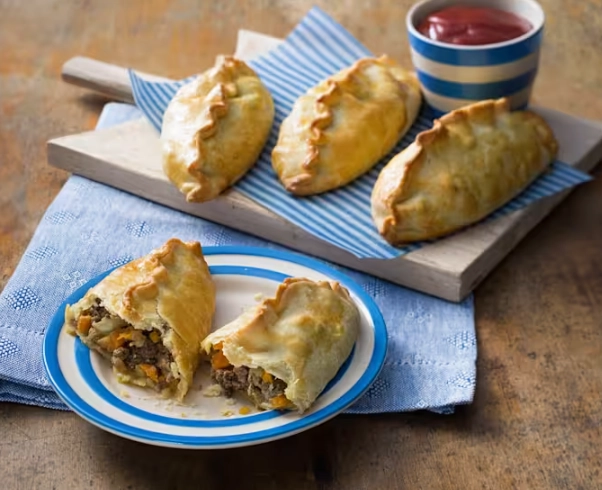
Listen: The filling will be steaming hot long after the pastry has cooled to the touch. That first bite can be treacherous. I speak from experience.
Top Troubleshooting: Your Pasty Problems Solved
I've made most of these mistakes so you don't have to.
Why is my pastry tough?
You overworked it. Either when rubbing in the fat, adding the water, or re-rolling scraps too much. Gluten is the enemy of tenderness here. Handle lightly, and don't re-roll more than once.
Why did it shrink badly?
The gluten was too tense. You likely didn't rest it for long enough in the fridge. That chilling period is non-negotiable for relaxation.
Why is the bottom soggy?
A few culprits. The oven might not have been hot enough initially. The filling could have been too wet (pat your diced beef dry!). Or, you placed the pasties on a cold tray. Always use a pre-heated baking sheet for a better bottom bake.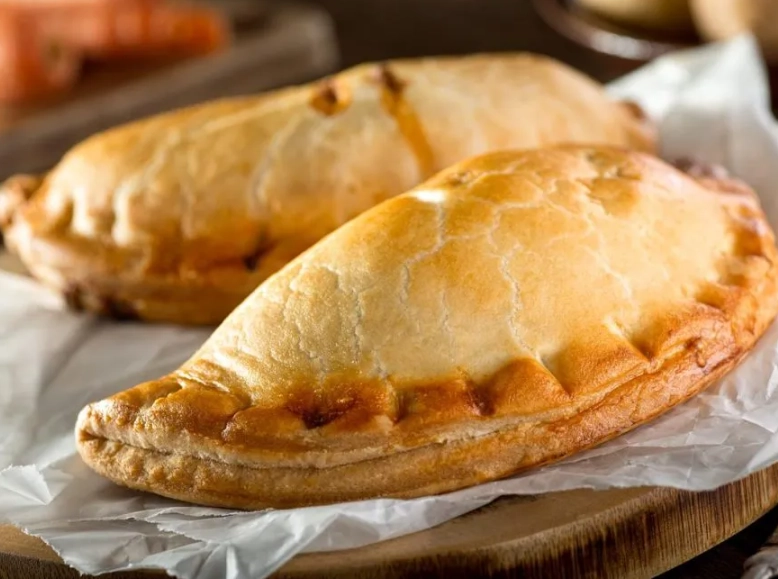
It burst open in the oven!
The crimp wasn't secure, or you overfilled it. Leave that border and seal it well. Also, the slits on top help release pressure.
Frequently Asked Questions
These are the things people really want to know, beyond just the basic recipe for Cornish pasty pastry.
Can I make the pastry ahead of time?
Absolutely. The dough disc will keep in the fridge for 2 days, or freeze for a month. Thaw in the fridge overnight.
Can I use all butter?
Yes. The flavor is great. But the texture will be more crumbly/shortbread-like and less flaky. For the classic flaky-yet-sturdy combo, the fat blend is superior.
My pastry cracks when I roll it. Help!
It's too dry. Dab a few drops of cold water on the cracks with your finger and gently knead it in. If it's just surface cracks, sometimes rolling it out between two sheets of baking paper solves it.
Is there a cheat's version?
Some people use ready-made shortcrust. I won't lie, I've done it in a pinch. The results are... fine. Edible. But they lack the flavor, texture, and soul of the homemade version. It's never quite as sturdy either.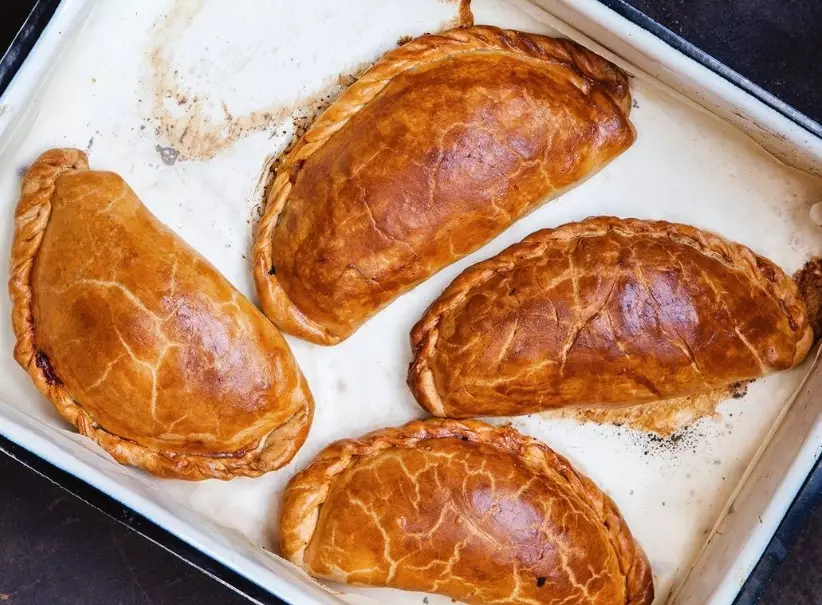
Final Thoughts and a Little Rant
Mastering this Cornish pasties pastry recipe is a rewarding kitchen project. It feeds a crowd, freezes brilliantly, and is the ultimate comfort food. The process is tactile and satisfying.
But here's my personal gripe with a lot of recipes online: they overcomplicate it. They add eggs, vinegar, baking powder, all sorts of things. The traditional method is simple for a reason. It works. It has worked for centuries. Don't get me wrong, experimenting is fun, but first, master the basics. Understand why cold fat and minimal handling are the rules. Once you've got that down, you can play.
The perfect pasty pastry should taste good enough to eat on its own, yet be the silent, sturdy hero holding the glorious filling together. It shouldn't fight you when you take a bite, but it shouldn't dissolve into crumbs either. It's a balance.
Give this method a go. Take your time. Embrace the crimp. And most importantly, enjoy the results. There's nothing quite like biting into a pasty you've made from scratch, knowing you've nailed that pastry. Good luck!