Quick Navigation
- What Even Is a Yorkshire Pudding? A Quick History Lesson
- The Core, Unshakeable Yorkshire Pudding Recipe
- Yorkshire Pudding Variations & Answering Your Questions
- The Great Fat Debate: What to Cook Your Puddings In
- Troubleshooting: What Went Wrong?
- Beyond the Roast: Creative Uses for Yorkshire Puddings
- Final Thoughts & My One Non-Negotiable Rule
Let's be honest. A Sunday roast just isn't complete without them. Those golden, puffy, crispy-yet-soft-in-the-middle vessels of joy that are Yorkshire puddings. They seem simple enough—eggs, flour, milk—but getting them to rise like a chef's hat every single time? That's where the magic lies, and frankly, where so many recipes let you down.
I've had my share of disasters. Soggy bottoms. Sad, flat discs. Ones that tasted more like rubber than a culinary delight. It was frustrating. But after what feels like a lifetime of tweaking, testing, and consuming probably hundreds of Yorkshire puddings (a tough job, but someone had to do it), I've nailed down what I believe is the most reliable, no-fail method out there.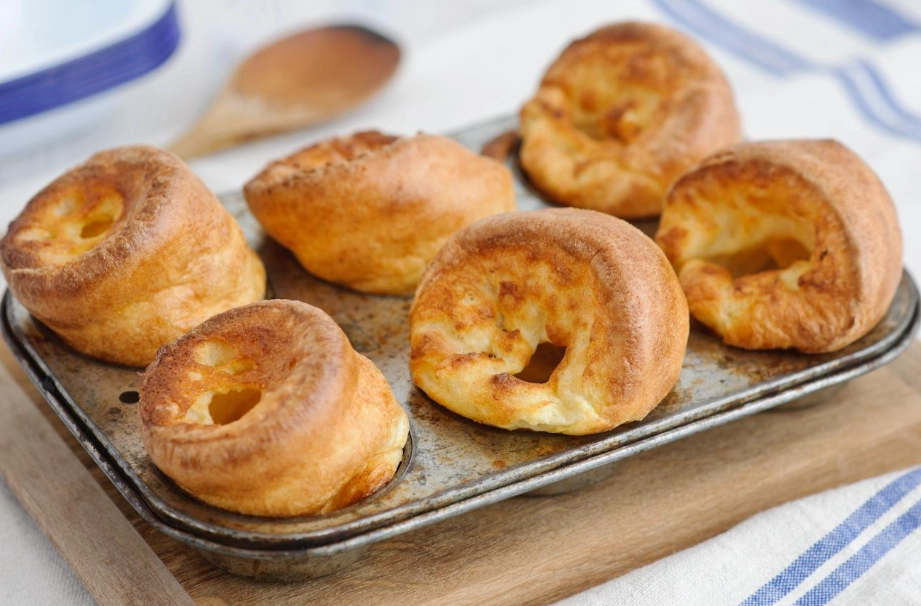
This isn't just another generic Yorkshire pudding recipe. This is the culmination of lessons learned from failed batches, insights from old British cookbooks, and a deep dive into the science of why they puff up so dramatically. We're going to cover everything. The exact ratios, the critical resting period, the fat temperature debate, and answers to all those "why did mine...?" questions that pop up when you pull the tray from the oven.
What Even Is a Yorkshire Pudding? A Quick History Lesson
Before we get our hands dirty, let's clear something up. It's not a dessert. I know the word "pudding" throws everyone off. In the UK, pudding can mean a lot of things, but in this context, it's a savory side dish. Originating in—you guessed it—Yorkshire, England, it was a clever and economical way to make a small amount of meat and gravy feed more people. The batter would be cooked underneath the roasting meat, catching all the delicious drippings.
These days, we're less concerned with frugality and more focused on achieving that perfect, airy structure and rich flavor. The official guardians of the Yorkshire pudding, the Yorkshire tourist board, even have thoughts on it, though they're more about promoting the region than giving baking tips. The true essence is in the technique passed down through generations.
The Core, Unshakeable Yorkshire Pudding Recipe
Alright, let's get to it. This is my base recipe. It’s classic, it’s scalable, and it works. Memorize these ratios: equal parts by volume of eggs, flour, and milk/water. It's that simple.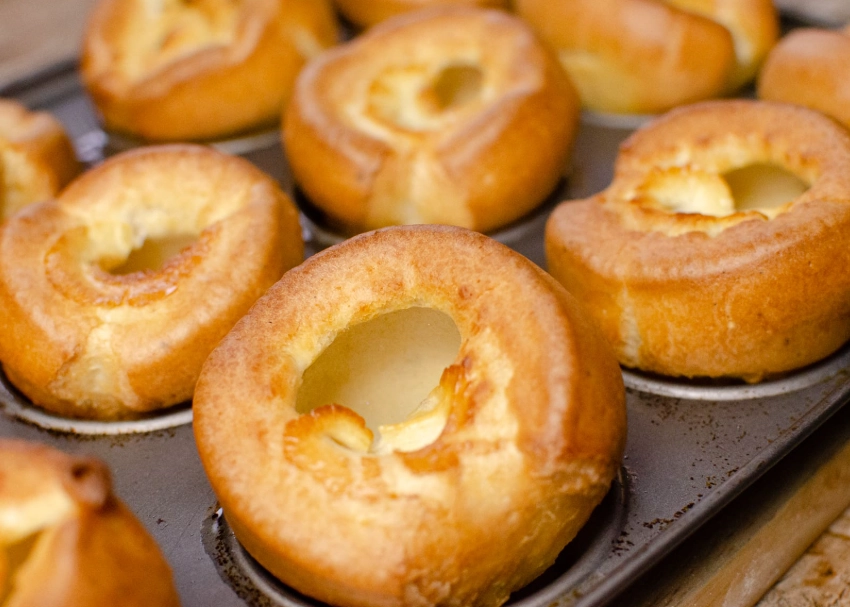
Ingredients for a standard 12-hole muffin tin:
- 3 large eggs (about 150ml in volume)
- 150g plain flour (all-purpose flour)
- 150ml whole milk
- 150ml cold water (yes, a mix of milk and water! I'll explain why below)
- ½ tsp fine sea salt
- Sunflower oil, vegetable oil, or beef dripping for the tin
The Method (The Devil's in the Details):
- Make the batter early. This is non-negotiable. Whisk the eggs, milk, water, and salt together until frothy. Sift in the flour and whisk until you have a smooth batter with the consistency of thin cream. A few tiny lumps are fine, don't over-whisk. Cover the bowl and leave it in the fridge for at least 1 hour, but ideally 3-4 hours or even overnight. This allows the starch granules to swell and the gluten to relax, which is key for a better rise and a tender interior.
- Preheat the oven—properly. Crank it up to 230°C (450°F) / Fan 210°C (410°F) / Gas Mark 8. Put your empty muffin tin in there to get screaming hot. This step is as important as the resting.
- Prepare the smoking hot tin. Carefully pull the hot tin out of the oven. Working quickly, add about 1 teaspoon of oil or dripping to each hole. It should sizzle and shimmer immediately. Swirl it around to coat the sides. Put the tin back in the oven for 5-7 minutes until the fat is literally smoking hot.
- The big pour. Take the tin out, close the oven door to keep the heat in. Give your rested batter a quick stir. Pour it evenly into the smoking hot fat, filling each hole about halfway to two-thirds full. It will sizzle and bubble—that's what you want!
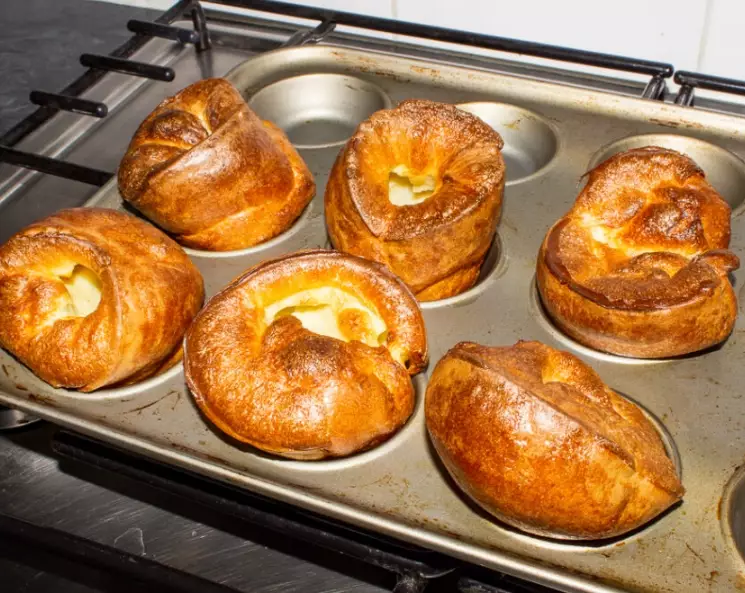
- Bake without peeking! Immediately put the tin back in the oven and bake for 20-25 minutes. DO NOT OPEN THE OVEN DOOR for at least the first 20 minutes. The rush of cold air will make them collapse. You're looking for a deep golden brown, tall, and proud.
- Serve immediately. They are at their absolute peak straight from the oven. They'll start to deflate slightly as they cool, which is normal, but that initial crispiness is divine.
Why This Specific Yorkshire Pudding Recipe Works: The Science Bit
You might be wondering about some of my choices. Let's break it down.
Milk AND Water? Most traditional Yorkshire pudding recipes use just milk. I find that a 50/50 mix gives a better result. The milk adds richness and helps with browning, while the water creates more steam during baking, which is the primary leavening agent that makes them puff up. More steam = bigger rise.
Resting the Batter: This hydrates the flour fully and relaxes the gluten. If you skip this, the gluten strands are too tight and can't stretch as easily to contain the steam, leading to denser, tougher puddings.
Smoking Hot Fat: The batter must hit a surface hot enough to instantly set the bottom and sides. If the fat is just warm, the batter will soak into it, giving you those dreaded soggy bottoms. The sizzle is your friend.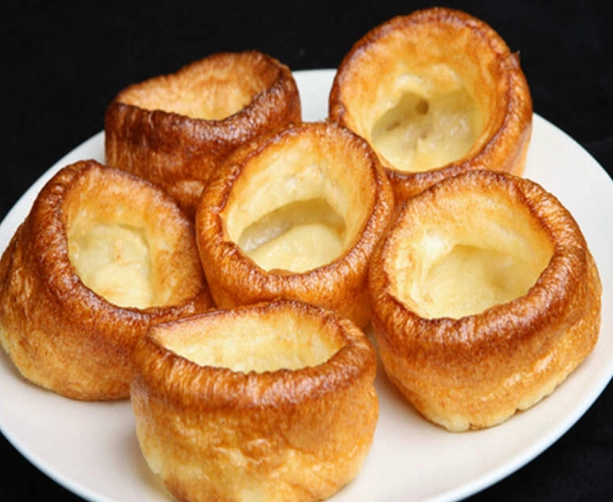
Yorkshire Pudding Variations & Answering Your Questions
Once you've mastered the basic Yorkshire pudding recipe, the world is your oyster. Well, your savory pudding oyster.
To Toad or Not to Toad? (That is the Question)
Toad in the Hole is essentially the same batter poured over sausages in a larger baking dish. The principle is identical: hot fat, rested batter, scorching oven. The key is to brown your sausages in the fat in the dish first, get the fat smoking, then pour the batter over them and bake. It's a magnificent one-pan meal.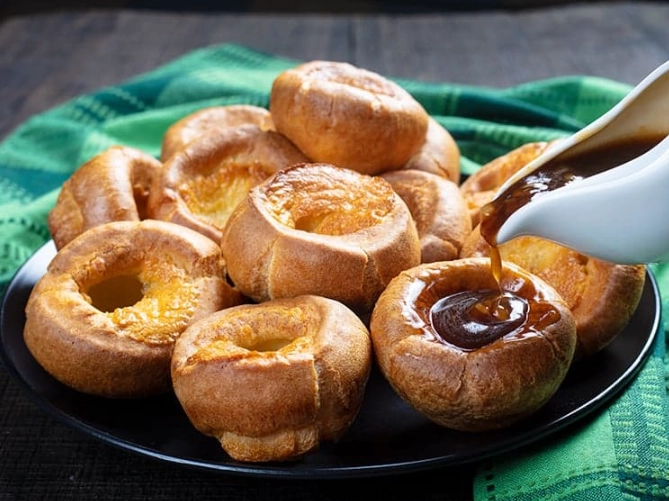
Giant One vs. Individual Puddings
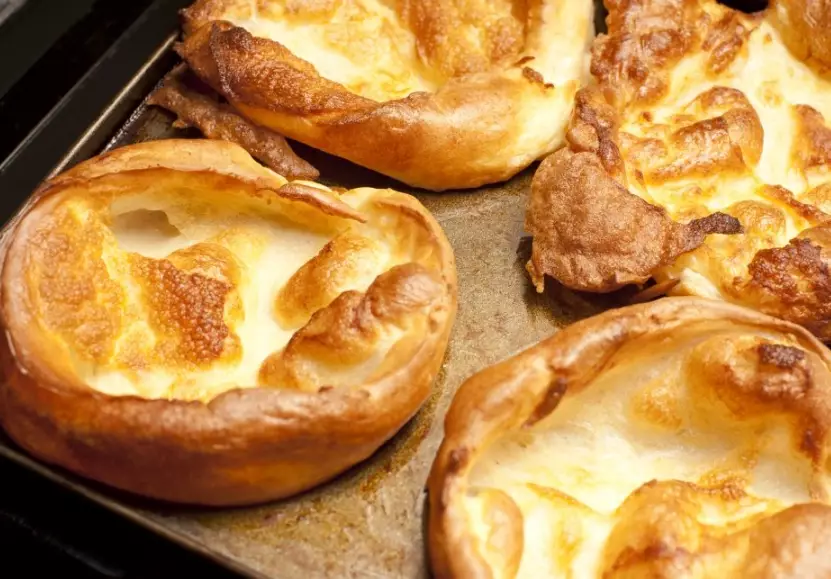
I prefer individual puddings in a muffin tin. They have a higher crust-to-soft-center ratio, which I love. A single large pudding baked in a square or rectangular tin is more traditional for some and is great for feeding a crowd family-style. Use a 20cm x 30cm tin, increase the fat slightly, and bake for a few minutes longer.
The Great Fat Debate: What to Cook Your Puddings In
This is a topic of much discussion. Here’s a quick breakdown of the contenders.
| Fat Type | Flavor | Smoke Point | My Verdict |
|---|---|---|---|
| Beef Dripping | Rich, savory, meaty. The classic choice. | High (~200°C/400°F) | The champion for flavor. If you're doing a beef roast, save those drippings! It's unbeatable. |
| Goose or Duck Fat | Luxurious, deep, slightly gamey. | High (~190°C/375°F) | Absolutely fantastic for a special occasion. Adds a beautiful richness. |
| Sunflower/Vegetable Oil | Neutral, lets the batter flavor shine. | Very High (~230°C/450°F) | The most reliable and accessible. My everyday go-to. Guarantees a crisp result. |
| Lard | Subtle pork flavor, very traditional. | High (~190°C/375°F) | A great option, gives a slightly flakier texture. Worth trying. |
| Butter | Nutty, delicious... but... | Low-Medium (~150°C/300°F) | Don't do it. It will burn at the required temperature, leaving black specks and a bitter taste. Save butter for the table. |
Troubleshooting: What Went Wrong?
Even with a great recipe, things can go sideways. Here’s your diagnostic guide.
- Flat as a Pancake: Oven not hot enough, fat not hot enough, or you opened the door. Also, check your batter wasn't too thick.
- Dense and Heavy: Batter not rested, or you over-whisked it after resting, knocking out the air.
- Burnt Tops but Soggy Bottoms: Oven rack too high. The top is getting direct heat from the element while the fat in the tin isn't hot enough. Ensure the tin is in the middle of the oven.
- Stuck to the Tin: Not enough fat, or the tin wasn't hot enough to create a non-stick seal. Good quality non-stick tins help, but the hot fat is the real hero.
- Weird, Lopsided Shapes: The oven might have a hot spot. Try rotating the tin halfway through baking (after the 20-minute no-peek period). Or the batter was poured unevenly.
Look, even experts have off days. I made a batch last month that just wouldn't rise properly. I realized later my baking powder canister was next to the flour and I'd accidentally grabbed a pinch of it while measuring. A tiny amount of chemical leavener can actually hinder the steam-driven rise. It happens.
Beyond the Roast: Creative Uses for Yorkshire Puddings
They're not just for gravy boats! Leftover Yorkshire puddings (if you ever have any) are a gift.
Re-crisp them in a hot oven for a few minutes. Then think outside the box:
- Breakfast Puddings: Fill with scrambled eggs, bacon, and a dash of hot sauce.
- Dessert Puddings: Drizzle with golden syrup, honey, or maple syrup and a dollop of clotted cream or ice cream. Trust me on this—the sweet and savory combination is incredible.
- Stew Bowls: Serve a rich beef or mushroom stew inside a giant Yorkshire pudding instead of a bread bowl. It's epic.
- Canapé Vessels: Make mini ones in a petit fours tin and fill with pulled pork, horseradish cream, or a fancy pâté.
The beauty of this Yorkshire pudding recipe is its versatility. Once the core technique is in your muscle memory, you can adapt it endlessly.
Final Thoughts & My One Non-Negotiable Rule
We've covered a lot. The ratios, the rest, the raging hot fat, the oven discipline. If you take away one thing from this, let it be this: Your fear of the high temperature is the enemy. A moderate oven makes moderate, sad puddings. You need aggression. You need that 230°C (450°F). You need to see smoke from the fat. It feels wrong, but it's so right.
Don't be disheartened by a failed batch. Every great cook has a graveyard of flat Yorkshires. It's a rite of passage. The brilliant resource over at BBC Food has a fantastic classic recipe that aligns with a lot of these principles—it’s a great benchmark to see how consistent this methodology is across trusted sources.
So, go on. Grab your eggs, your flour, your jug. Give that batter a long rest. Crank your oven up higher than you think is sane. And get ready for the best Yorkshire puddings you've ever made. Your Sunday roast will thank you for it.
Now, if you'll excuse me, all this talk has made me hungry. I think it's time to preheat the oven.