In This Guide
Let's be honest. The first time you see a plate of larb, it doesn't look like much. Minced meat, some herbs, a bit of lettuce on the side. I thought the same thing before I tried it at a little place in Chiang Mai years ago. One bite changed everything. It was a flavor explosion—sour, spicy, salty, herbal, savory, all at once. It was nothing like the bland "Asian salads" I'd had before. I knew right then I had to learn how to make it myself.
And that's what we're doing today. I'm sharing my tried-and-true, no-fuss recipe for larb Thai salad. This isn't some watered-down, westernized version. It's the vibrant, punchy dish you'd find at a streetside stall in Isan, the northeastern region of Thailand where this salad truly calls home. We'll walk through every step, talk about the non-negotiable ingredients, and I'll give you all the little tips I've picked up from making it wrong a few times before getting it right.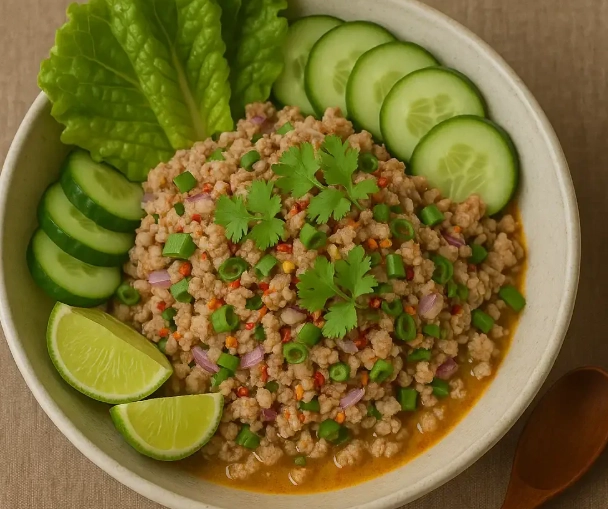
What exactly is Larb? At its heart, larb (also spelled laab, larp, or laap) is a minced meat salad. It's considered the national dish of Laos and is hugely popular in Northeastern Thailand. The magic isn't in fancy techniques; it's in the balance of a few powerful ingredients. The toasted rice powder gives it a unique nutty crunch, the fish sauce and lime create that addictive salty-sour base, and the abundance of fresh herbs makes it incredibly refreshing. It's a salad, but it eats like a main event.
Gathering Your Arsenal: The Ingredients Breakdown
You can't build a great dish without great parts. For an authentic recipe for larb Thai salad, some ingredients are absolutely essential. Don't skip them—they're what makes larb, well, larb. I've broken them down into the must-haves and the nice-to-haves.
The Non-Negotiables
If you're missing any of these, you're making a different dish. Trust me on this.
- Protein: Ground pork is the classic, but chicken, turkey, duck, or even beef work beautifully. For a truly traditional take, some versions use minced duck or even raw beef (we'll stick to cooked for safety!). The key is to get meat with a bit of fat for flavor.
- Fish Sauce: This is your salt. Don't even think about substituting soy sauce—it's a completely different flavor profile. A good brand like Tiparos or Squid makes all the difference. The Thai Department of International Trade Promotion has resources on traditional food ingredients, highlighting fish sauce's central role.
- Fresh Lime Juice: Bottled juice won't cut it. You need the bright, sharp acidity of fresh limes. This and the fish sauce are the yin and yang of the dressing.
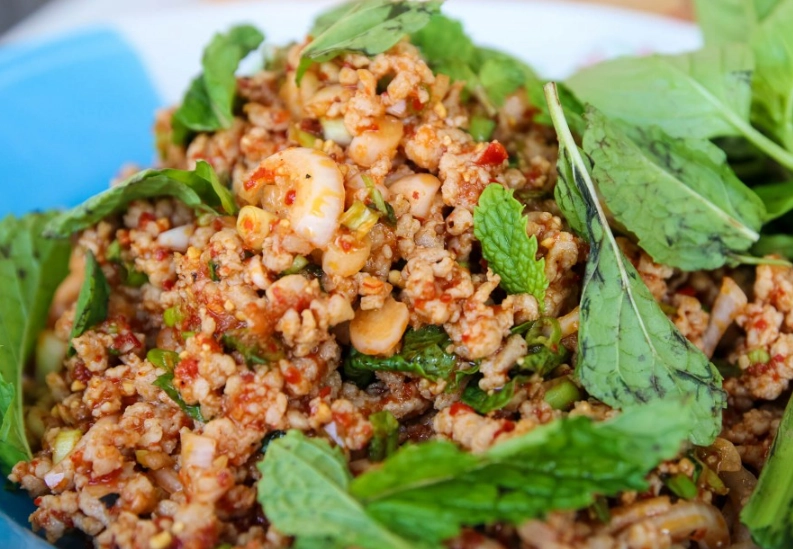
- Toasted Rice Powder (Khao Khua): This is the secret weapon. It's just glutinous (sticky) rice dry-toasted until golden brown and then ground to a coarse powder. It adds a deep, nutty aroma and a crucial textural element. I'll show you how to make it easy.
- Fresh Herbs: Mint and cilantro are the big ones. Lots of them. We're talking a whole bunch, not a sad little sprinkle. Thai mint is best if you can find it, but regular spearmint works.
- Shallots & Garlic: Thinly sliced shallots add a sharp sweetness, and minced garlic forms the aromatic base when you cook the meat.
The Flavor Boosters & Adjustables
These ingredients tailor the dish to your taste and heat tolerance.
- Chilies: Dried red chili flakes (prik bon) provide a deep, smoky heat. Fresh Thai bird's eye chilies (prik kee noo) add a sharp, fresh burn. Use one or both, and adjust the amount based on how much you hate your sinuses (just kidding... mostly).
- Palm Sugar or Brown Sugar: Just a tiny pinch. Its only job is to round out the sharp edges of the lime and fish sauce, not to make the dish sweet.
- Green Onions & Thai Basil: For extra layers of freshness and anise-like flavor.
- Vegetables for Serving: Crisp lettuce cups (butter, romaine, or cabbage), cucumber slices, and string beans are the traditional vehicles for getting this salad into your mouth.
Pro Shopping Tip: Your local Asian supermarket is your best friend here. They'll have the right fish sauce, the right chilies, and often fresh herbs in larger, more affordable bundles. If you're stuck, some well-stocked mainstream grocers have an "international" aisle that might cover the basics.
The Step-by-Step: Building Your Larb
Okay, ingredients are prepped. Let's cook. This recipe for larb Thai salad comes together in under 30 minutes, making it a fantastic weeknight dinner hero.
Step 1: Make the Toasted Rice Powder (Khao Khua)
This takes 10 minutes and fills your kitchen with an amazing smell. Don't buy the pre-made stuff if you can help it—homemade is infinitely better.
- Take about 1/4 cup of uncooked glutinous (sticky) rice. Put it in a dry skillet (no oil!) over medium-low heat.
- Toast it, stirring constantly, for 8-10 minutes. You're looking for a deep golden brown color and a nutty popcorn-like aroma. If it smells burnt, you've gone too far. I've done it. It's bitter. Start over.
- Let it cool completely, then grind it in a spice grinder, mortar and pestle, or even a clean coffee grinder. You want a texture like coarse sand, not a fine dust. Set it aside.
Step 2: Cook the Meat
This is the only "cooking" part.
- Heat a tablespoon of water or a neutral oil in a wok or large pan over medium-high heat.
- Add your minced garlic and cook for 30 seconds until fragrant.
- Add your ground meat. Break it up with a spatula and cook until it's just done—no pink remaining. For pork or chicken, this is about 5-7 minutes. Don't overcook it into dry little pebbles.
- Turn off the heat. This next part is important: drain any excess liquid or fat from the pan. You don't want a greasy, soupy larb. I pour it into a fine-mesh strainer and let it sit for a minute.
Step 3: The Big Mix
Now the fun begins. Return the drained, cooked meat to the pan (off the heat).
- Add your sliced shallots and most of your toasted rice powder (save a little for garnish). Toss to combine. The residual heat will slightly wilt the shallots, which is perfect.
- Time for the dressing. In a small bowl, whisk together the lime juice, fish sauce, and that tiny pinch of sugar until the sugar dissolves. Pour it over the meat mixture and toss thoroughly.
- Now, taste. This is critical. Is it salty enough? Add a dash more fish sauce. Not sour enough? A squeeze more lime. Need heat? Add your dried chili flakes or minced fresh chilies now. The dressing should be aggressively flavorful on its own because the herbs and vegetables will mellow it later.
Step 4: The Fresh Finish
Let the meat mixture cool down for 5-10 minutes. You don't want to pour it piping hot onto your delicate herbs—it'll wilt them into oblivion.
Once it's warm or at room temperature, transfer it to a large mixing bowl. Now, fold in the vast majority of your fresh herbs—the mint and cilantro. Be gentle. You just want to distribute them, not bruise them into submission.
Step 5: Plate and Serve
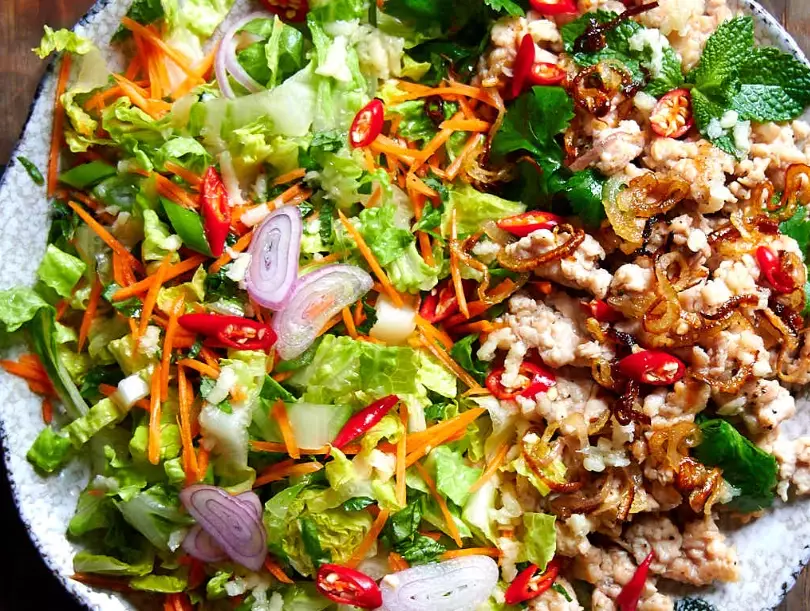
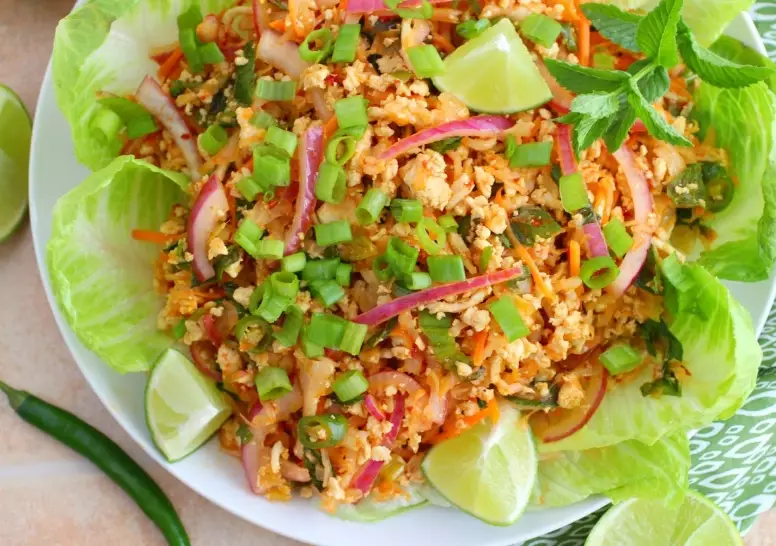
Spoon the larb onto a plate or into a serving dish. Top with the remaining fresh herbs, a final sprinkle of that reserved toasted rice powder, and some sliced green onions. Serve it immediately with a big platter of crisp lettuce leaves, cucumber spears, and maybe some steamed sticky rice on the side. The official Tourism Authority of Thailand website often features larb as a must-try dish, and they're not wrong.
The whole process is simple, right? The real skill in this recipe for larb Thai salad is in the balancing act at the end.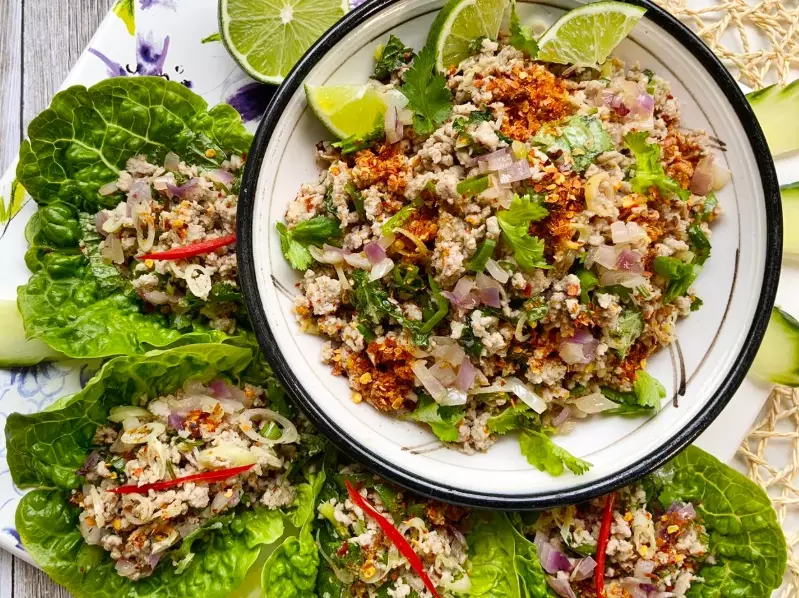
Larb Variations: Beyond the Basic Blueprint
The beauty of larb is its adaptability. Once you master the basic recipe for larb Thai salad, the world is your oyster (or your minced protein).
| Protein | Flavor Profile & Tips | Best For |
|---|---|---|
| Ground Chicken or Turkey | Lighter but can be dry. Use thigh meat if possible, or add a splash of broth while cooking. The herbs really shine here. | A healthier, leaner weeknight option. |
| Ground Duck | Rich, gamey, and fantastic. Render the duck fat first and use it to cook the meat for extra flavor. A more traditional choice. | A special occasion or when you want something decadent. |
| Mushrooms (King Oyster or Shiitake) | Finely chop or pulse in a food processor. Sauté until all moisture is gone. You'll need a bit more umami—maybe a splash of light soy sauce with the fish sauce. | A fantastic vegan/vegetarian larb. Seriously good. |
| Firm Tofu | Crumble and pan-fry until golden and slightly crispy before seasoning. It soaks up the dressing beautifully. | A great plant-based protein source with good texture. |
| Ground Beef or Lamb | Hearty and robust. Lamb pairs wonderfully with the mint. Drain excess grease very well after cooking. | If you're not a pork or poultry fan, this is your route. |
You can also play with the herbs. Add some torn Thai basil for a licorice note, or some sawtooth coriander if you're feeling adventurous. Some versions include thinly sliced raw cabbage mixed right in for extra crunch.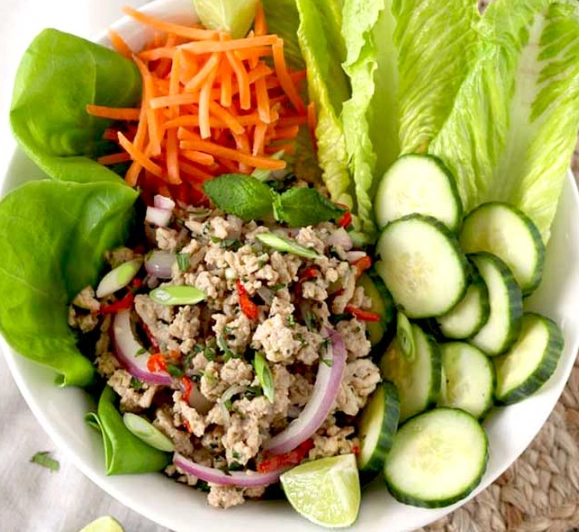
Your Larb Questions, Answered
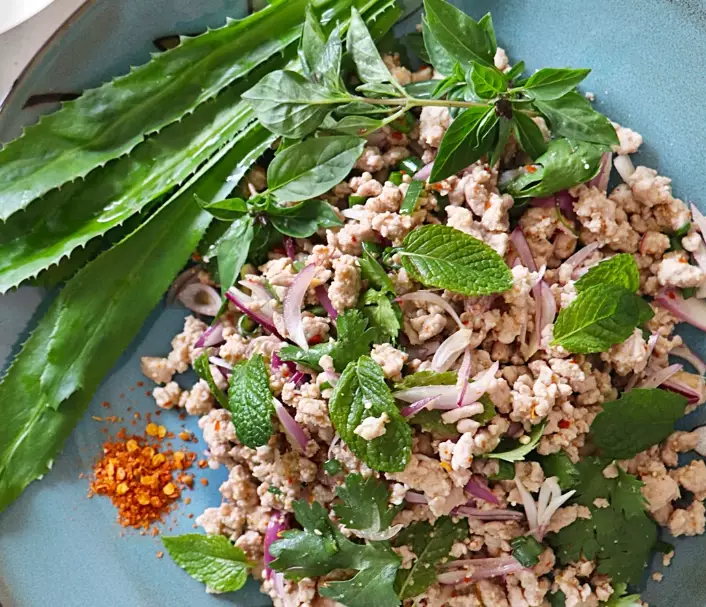
A Word on Chilies: Thai bird's eye chilies are no joke. Always wash your hands thoroughly after handling them, and for the love of all that is good, do not touch your eyes. If you're sensitive, use fewer chilies and remove the seeds. You can always add more heat later, but you can't take it away.
Why This Recipe Works (And Sometimes Others Don't)
I've tried a lot of recipes over the years. Some were too sweet, like they were trying to please a Western palate afraid of fish sauce. Some were just a soggy mess of meat juice. This version works because it respects the balance.
The draining step is non-negotiable for texture. Using fresh lime juice is non-negotiable for brightness. Toasting your own rice is non-negotiable for that authentic, earthy depth. When you get a bite with the savory meat, the sharp shallot, the bright herbs, the crunchy rice powder, and the sour-spicy dressing all wrapped in a cool lettuce leaf... it's just perfect. It's a complete experience.
This dish is more than the sum of its parts. It's a lesson in how a few simple, high-quality ingredients, when combined with intention, can create something truly extraordinary. It's why I keep coming back to this recipe for larb Thai salad—it never fails to impress, it's healthy, and it's genuinely fun to eat with your hands.
So, give it a shot. Don't be intimidated by the fish sauce. Embrace the herb chopping. Master the toasted rice. Once you do, you'll have a stunning, restaurant-quality dish in your back pocket for any night of the week. And honestly, isn't that the goal?