Quick Guide
Let's be honest, the idea of making black pudding can seem a bit... intense. I remember the first time I looked at a traditional black pudding recipe. Pig's blood? Oatmeal? Fatback? It felt more like a medieval potion than something you'd fry up for a weekend breakfast. But after living in the UK for a bit and trying the good stuff from proper butchers, the bland, rubbery supermarket versions just didn't cut it anymore. So, I decided to dive in. And you know what? It's one of the most satisfying things you can make in your kitchen. It connects you to a tradition of nose-to-tail eating that's about flavor and respect for the animal, nothing weird about it.
This guide isn't just a list of ingredients and steps. It's the result of trial, error, and a lot of conversations with butchers who've been making this for decades. We'll walk through everything, from sourcing the one ingredient that might give you pause, to nailing the texture that's somewhere between creamy and crumbly. Whether you're a curious foodie or someone with family roots in the UK or Ireland looking to recreate a taste of home, this is your manual.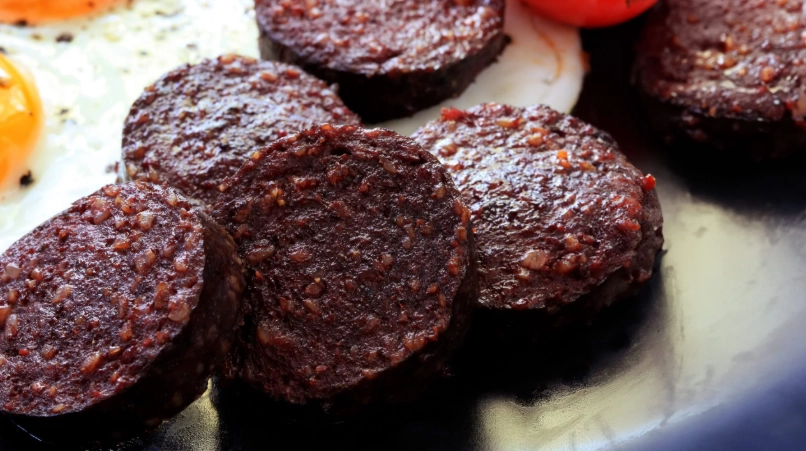
What Exactly Is Black Pudding, Anyway?
Before we get our hands dirty, let's clear something up. If you're American, you might hear "pudding" and think of a sweet, creamy dessert. Black pudding is the polar opposite. It's a type of blood sausage, a staple of the traditional full English or Irish breakfast. Its deep, almost black color comes from the blood (usually pig's or sometimes cow's), which is mixed with a grain—most often oatmeal or barley—along with fat, herbs, and spices. The mixture is then stuffed into a casing and cooked.
Think of it as a seasoned, savory grain sausage, not a dessert.
The flavor is rich, earthy, and deeply savory, with spicing that warms you up from the inside. The texture, when done right, is fantastic—a soft, moist interior that holds together when sliced and gets a gorgeous crispy crust when fried. It's a food of resourcefulness, turning parts that might otherwise be wasted into something delicious and nutritious. Getting your hands on a good homemade black pudding recipe is like getting a key to a culinary secret.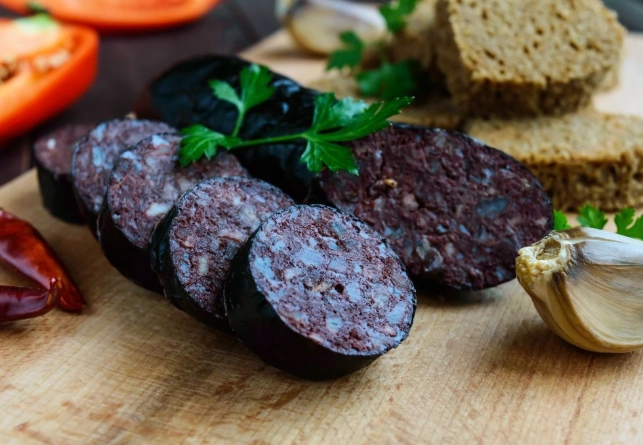
The Core Ingredients: Breaking Down the "Scary" Parts
This is where people get hung up. Let's demystify each component. A classic black pudding recipe isn't a random mix; each ingredient has a purpose.
The Non-Negotiables
- Fresh Pig's Blood: This is the heart of it. It provides the unique iron-rich flavor, binding, and color. You can't substitute it with anything else if you want authentic black pudding. It must be fresh and often needs to be ordered in advance from a local butcher, abattoir, or specialty meat supplier. Some places sell it stabilized with anticoagulants (like salt), which is fine. I get mine from a local farm shop that supplies butchers—it's worth building that relationship.
- Pinhead Oatmeal (Steel-Cut Oats): Not rolled oats! Pinhead oatmeal has a coarse, gritty texture that holds up during cooking, giving the pudding its characteristic body and slight chew. It absorbs the blood and fat beautifully. Using rolled oats will give you a mushy, disappointing texture.
- Pork Fat: Usually back fat (fatback) or belly fat. This isn't just for richness; it creates little pockets of juicy flavor throughout the pudding. You want it diced small. Lean black pudding is a contradiction in terms—the fat is essential.
- Casings: Natural hog casings are traditional. They're edible and give that authentic "snap." You can find them salted and packed in brine at specialty stores or online.
The supporting cast is where you can start to personalize your how to make black pudding project.
- Onions: Finely diced and sautéed until soft. They add sweetness and moisture.
- Seasonings: Salt and a generous amount of black pepper are the bedrock. Then comes the spice blend, which varies by region. Common players include coriander, allspice, mace, nutmeg, and marjoram. Some recipes use a bit of cloves, but go easy—they can dominate.
- Liquid/Stock: Often milk, cream, or a good meat stock is added to loosen the mix to a pourable consistency.
Pro Tip from a Butcher: "The blood should be cold, and your other ingredients shouldn't be hot when you mix them. If the blood hits heat too soon, it'll start to coagulate in the bowl, and you'll get grainy bits in your pudding. Keep everything cool and calm." This was the best advice I got when I started.
The Step-by-Step Process: Your Roadmap to Success
Alright, you've got your ingredients. Let's walk through making a classic, no-fuss black pudding recipe. I'll note where things can go wrong, because mine certainly have.
Prep Work is 90% of the Battle
First, soak your pinhead oatmeal in cold water for at least an hour, or even overnight. This softens it so it cooks evenly later. Drain it well. Next, prepare your fat by dicing it into small, 1/4-inch cubes. It's tedious, but uniform pieces mean even distribution. Sauté your finely chopped onions in a little bit of that fat until they're translucent and sweet, then let them cool completely. This is crucial—warm onions will cook the blood on contact.
Prepare your hog casings by rinsing them thoroughly under cold running water, inside and out, to remove the salt. Soak them in lukewarm water for 30 minutes to make them pliable. Thread them onto your sausage stuffer nozzle. Have a bowl of water nearby to wet your hands and help the casing slide.
Mixing the Magic Potion
In a large, non-reactive bowl (stainless steel or glass is perfect), combine your drained oatmeal, cooled onions, diced fat, and all your dry spices. Give it a good mix. Now, slowly pour in the cold fresh pig's blood while stirring constantly. You want a smooth, even mixture. If it looks too thick—like a dense porridge—add a splash of cold milk or stock until it reaches a consistency that will flow slowly from a spoon. Season aggressively with salt and pepper. Taste? Well, you can't taste raw blood safely, but you can fry a tiny spoonful in a pan to check the seasoning. Adjust if needed.
Don't rush the mixing. A smooth, lump-free batter is the goal.
Stuffing and Cooking
This is the fun, slightly messy part. Using a sausage stuffer (a funnel can work in a pinch, but it's messy), carefully fill the casings with the blood mixture. Don't overstuff them—leave a little slack so they don't burst during cooking. Tie off the ends securely. Now, you need to cook them gently. The traditional method is to poach them. Bring a large pot of water to a bare simmer (around 180°F/82°C). You should see tiny bubbles, but it should not be boiling. A rolling boil will cause the puddings to burst.
Gently lower the puddings into the water and poach for 30-40 minutes. They will firm up and float when they're nearly done. Carefully remove them and plunge them into a bowl of ice water. This stops the cooking process and sets the texture. Once cool, pat them dry. They can be used immediately, refrigerated for up to a week, or frozen for several months.
Watch Out! The most common beginner mistake is poaching the water too hot. If your water is boiling, the fat will render out too fast, the casings will split, and you'll be left with a pot of black oatmeal soup. I've been there. Patience and a low simmer are your best friends here.
Regional Twists & Modern Variations
The basic homemade black pudding framework is a canvas. Once you're confident, try these variations. It shows how this simple food adapts to local tastes.
| Region/Style | Key Variation | Flavor Profile & Notes |
|---|---|---|
| Stornoway Black Pudding (Scotland) | Protected Geographical Indication (PGI) status. Uses beef suet (kidney fat) instead of pork fat, and a specific spice blend heavy on pepper. | Firmer, drier texture. Incredibly peppery and aromatic. Considered by many (including me) to be the gold standard. You can read about its protected status on the UK Government's GI site. |
| Bury Black Pudding (England) | Often includes pearl barley alongside oatmeal. Traditionally cooked in a horseshoe shape. | A slightly different, more varied texture from the barley. The shape makes it great for slicing into rounds. |
| Modern "Gourmet" Twist | Additions like apple chunks, chestnuts, smoked bacon, or even a dash of whiskey or port. | Adds sweetness, smokiness, or depth. Apple is a fantastic addition—it cuts through the richness. A splash of good Scotch whisky in the mix is a game-changer. |
| Vegetarian "Black" Pudding | Uses beetroot juice for color and a binder like cooked barley or quinoa. Fat is replaced with butter or oil. | Obviously a different product, but can be surprisingly good—earthy and spicy. It scratches the itch if you're curious about the flavor profile but avoid blood. |
I tried a version with diced roasted chestnuts last winter, and it was sublime—a wonderful festive twist. Don't be afraid to experiment once you've mastered the base black pudding recipe.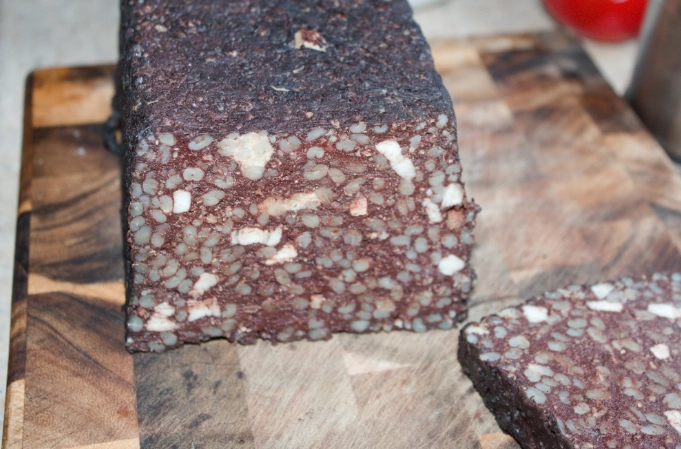
Cooking & Serving Your Homemade Black Pudding
You've made it! Now, how do you do it justice? The classic way is to slice it into 1/2-inch to 1-inch thick rounds. Fry it in a little butter or oil (or better yet, in the fat rendered from your breakfast bacon) over medium heat for 3-4 minutes per side until a deep, dark crust forms. The inside should be piping hot and soft.
- Breakfast Hero: It's the star of a full breakfast alongside eggs, bacon, sausage, beans, tomatoes, and toast.
- Salad Booster: Slice it thin and fry until crispy, then crumble over a warm potato salad or a bitter greens salad (like frisée) with a mustardy vinaigrette. The warm, crispy bits are incredible.
- Gastropub Style: Serve a thick slice on a bed of creamy mashed potatoes with a rich onion gravy. Comfort food heaven.
- Canapé Fancy: Dice small, pan-fry until crispy, and use as a topping for scallops or as a filling in vol-au-vents.
Common Questions & Troubleshooting
Why Bother Making It Yourself?
You can buy it, so why go through all this? For me, it comes down to three things. First, flavor. The commercial stuff is often bland, over-processed, and rubbery. Homemade has a depth and freshness you simply can't buy. Second, knowledge. Understanding how to transform basic, humble ingredients into something extraordinary is empowering. It connects you to your food in a real way. Finally, customization. Want it spicier? More herbal? With a hint of apple? You're the boss.
Finding a great black pudding recipe and seeing it through is a project. It might not be your weekly cook, but as a weekend endeavor or for a special breakfast, it's incredibly rewarding. The look on someone's face when you tell them you made black pudding from scratch? Priceless.
So, are you ready to give it a go? Start by sourcing your blood and pinhead oatmeal. Take your time with the prep. Respect the process. And most importantly, don't be afraid of it. It's just food, and incredibly good food at that.
Good luck, and get frying.