Quick Guide
Let's be honest right from the start. The idea of tackling a Peking duck recipe at home is intimidating. You've seen those glossy, mahogany birds hanging in restaurant windows, skin so crisp it shatters like glass. You've had it served with those whisper-thin pancakes, sweet bean sauce, and spring onions. It feels like magic, something only masters in specialized kitchens can produce. I thought the same thing for years.
Then I tried. My first attempt was... educational. Let's just say the skin had the texture of leather, and the meat was drier than I'd care to admit. It wasn't a total failure, but it was far from the restaurant experience. That experience, though, sparked a bit of an obsession. I dove into the method, tried different techniques, talked to chefs (where I could), and learned through a lot of trial and error. What I discovered is this: while making a perfect, 100% traditional Peking duck is a multi-day labor of love that's frankly tough in a home kitchen, you can get astonishingly, mouthwateringly close.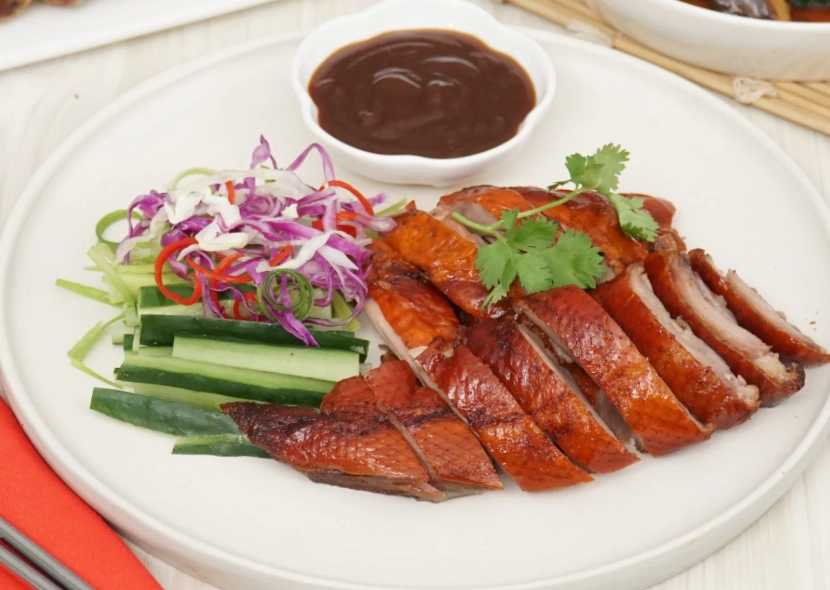
This guide is the result of that obsession. It's not about a dumbed-down version. It's about understanding the why behind each step of a classic Peking duck recipe, and then figuring out practical ways to achieve those results with the equipment you likely have. We'll cover the full, authentic process, and I'll also give you my preferred "best for home cooks" method that balances effort with incredible payoff.
What Makes Peking Duck, Well, Peking Duck?
Before we get our hands dirty, it's good to know what we're aiming for. Peking Duck (or Beijing Kaoya) isn't just roasted duck. It's a specific dish with a history stretching back centuries, known for specific characteristics. The goal is threefold:
- The Crackling Skin: This is the star. The skin must be completely detached from the fat and meat underneath, incredibly thin, and roasted to a deep, reddish-brown hue. It should be so crisp it audibly cracks when you bite into it. This is where 80% of the effort in a Peking duck recipe is directed.
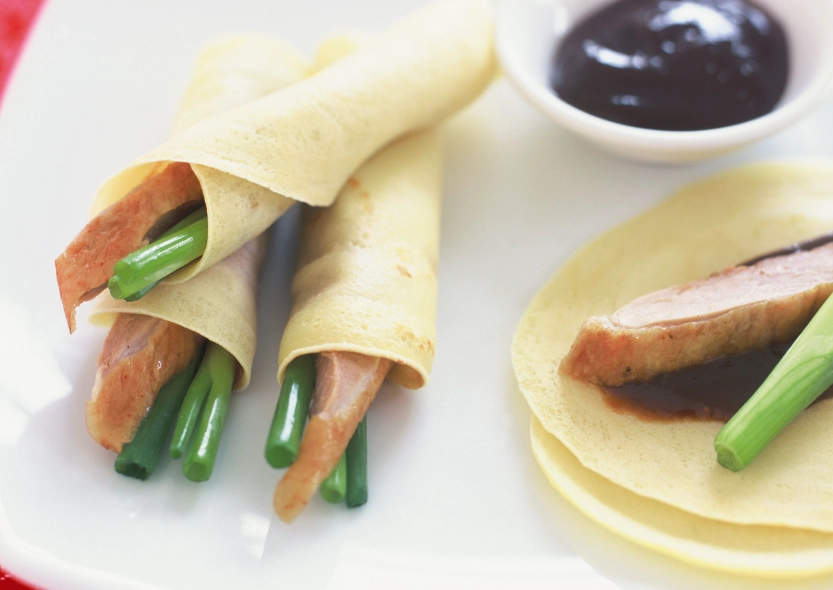
- The Tender, Moist Meat: Despite the intense focus on the skin, the meat underneath should not be an afterthought. It needs to be succulent, flavorful, and cooked just through.
- The Presentation and Accompaniments: Traditionally, the skin is carved tableside and eaten first with pancakes, sauce, and vegetables. The meat is later served in another course. The whole ritual is part of the experience.
The magic—and the challenge—lies in creating that crackling skin while keeping the meat juicy. These are two opposing goals in cooking! High, dry heat crisps skin but dries out meat. The traditional process is a genius series of steps designed to solve this puzzle.
The Heart of the Matter: The Two Pillars of Crispy Skin
Every single step in a traditional Peking duck recipe serves one of two master objectives: drying out the skin or separating the skin from the fat. If you remember nothing else, remember these two goals.
Wet skin steams and becomes rubbery. Skin glued to a thick layer of subcutaneous fat will never get truly crisp; the fat will just render and fry the skin from beneath, making it tasty but not ethereally crisp. The classic method uses air, water, and heat in a specific sequence to achieve this.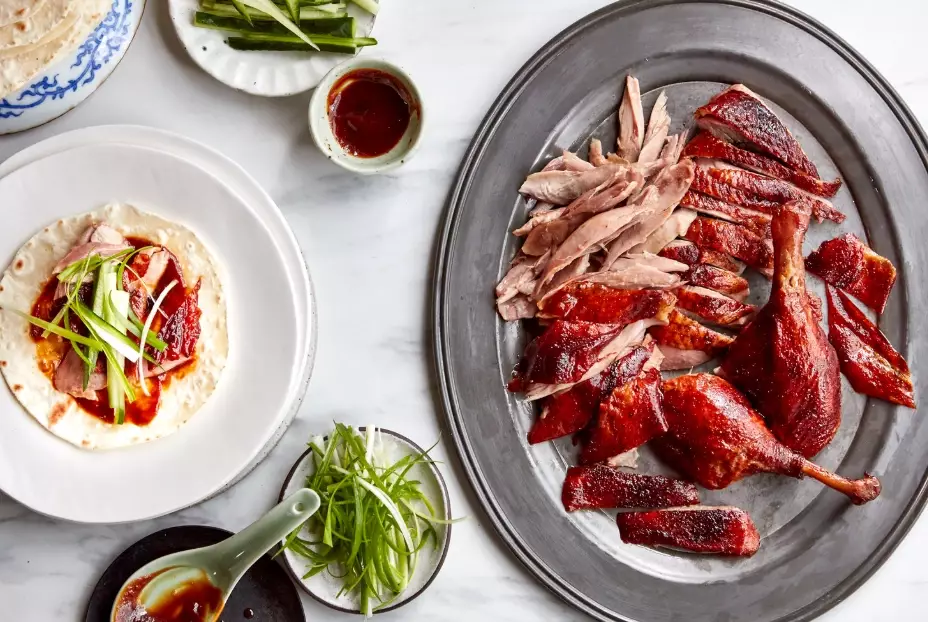
The Traditional vs. The Practical: A Side-by-Side Look
Here’s where things get real. The full traditional method is a masterpiece of food science, but it's not always apartment-friendly. Let's break down the key differences.
| Step | Traditional Restaurant Method | Adapted Home Kitchen Method |
|---|---|---|
| Skin Separation | Pumping air between skin & fat via a special pump at the neck, then sealing the opening. Creates a full "balloon." | Carefully loosening the skin by hand by gently working fingers between skin and fat, especially over the breast. Less perfect, but very effective. |
| Blanching & Glazing | Dipping the duck in boiling water to tighten skin, then glazing with a malt syrup/vinegar mix multiple times. | Pouring boiling water over the duck to tighten skin, then brushing with a honey/vinegar/soy sauce glaze. Does the same job. |
| Drying | Hanging the duck in a cool, well-ventilated space for 24-48 hours, sometimes with a fan. This is critical. | Placing the duck, uncovered, on a rack in the fridge for 24-48 hours. The fridge air is dry and does an excellent job. |
| Roasting | Hanging the duck in a specialized, vertical, fruitwood-fired oven (kaoya oven). Heat circulates evenly. | Roasting on a rack over a pan in a standard oven. Spatchcocking (removing the backbone) helps with even cooking. |
See? The principles are identical. We're just using different tools to achieve the same ends: drying and separating.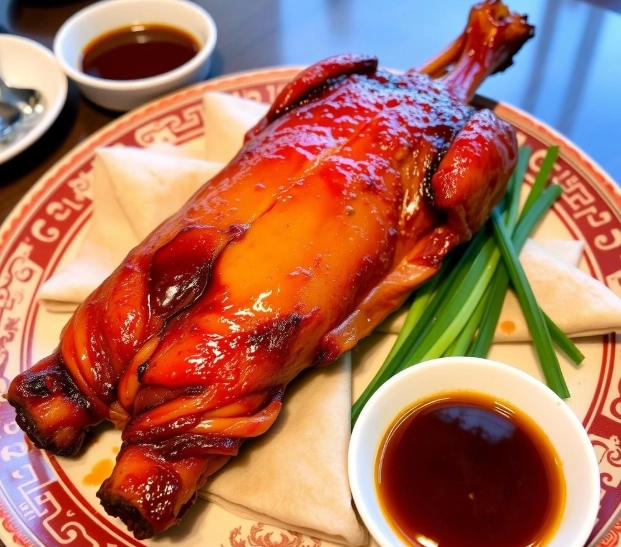
The Step-by-Step Home Kitchen Peking Duck Recipe
Alright, let's get to it. This is my go-to method, refined after several attempts. It's a two-to-three-day process, but most of that is inactive waiting time. Plan ahead for a weekend project.
What You'll Need
- The Duck: A whole duck, 5-6 lbs (2.3-2.7 kg). Try to find one that's not overly fatty. Fresh is great, but frozen and fully thawed works perfectly.
- For the Blanching & Glaze: A kettle of boiling water. For the glaze: 3 tbsp honey, 2 tbsp soy sauce, 1 tbsp rice vinegar or Chinese black vinegar. Hot water to thin.
- For the Aromatics (optional but great): A few slices of ginger, a couple of spring onions, 1 tbsp of Sichuan peppercorns, star anise.
- Equipment: A large pot or clean sink. Kitchen twine. A roasting pan with a rack that fits inside it. A brush for glazing. A meat thermometer is highly recommended.
Day 1: Preparation & The First Dry
Remove the duck from packaging. Pat it extremely dry inside and out with paper towels. This is your first drying action. Remove any excess fat from the cavity opening.
Now, the most hands-on part: loosening the skin. From the neck end, gently work your fingers between the skin and the fat layer over the breast. Be careful not to tear the skin. You won't get it all the way down to the legs, but focus on the breast and upper body. You'll feel the membrane separate. This creates a crucial air gap.
Bring a large pot of water to a boil. Place the duck in a clean sink (or over a large pot). Carefully pour the boiling water all over the duck's skin. You'll see it immediately tighten and change texture. This step further helps separate skin from fat and prepares it for the glaze. Pat the duck dry again, thoroughly.
Mix the glaze ingredients (honey, soy, vinegar) with a tablespoon of hot water to make it brushable. Brush a thin, even layer all over the duck. The sugar in the honey promotes browning and crispness.
Place the duck, breast-side up, on a rack set over your roasting pan. Put it, uncovered, in the fridge. Let it dry for at least 24 hours, ideally 48. This is non-negotiable for crispy skin. The fridge air will dry the glazed skin to a hard, lacquered shell.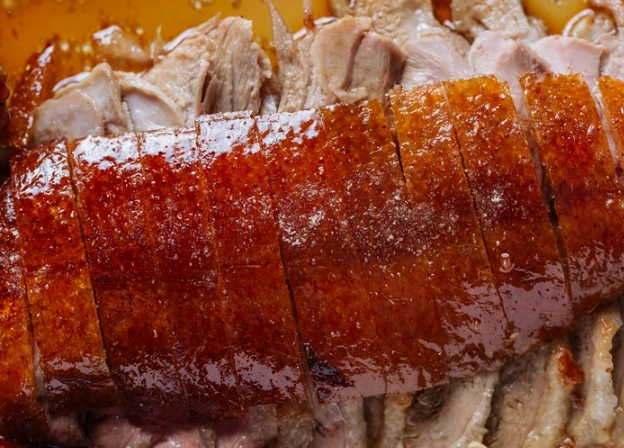
Day 2 or 3: The Roast
Take the duck out of the fridge about 1-1.5 hours before roasting to come to room temperature. Preheat your oven to 350°F (175°C).
If you want to add subtle flavor, you can place the ginger, spring onions, and spices in the cavity. Tie the legs together with twine. Place the duck, breast-side up, on the rack over the pan.
Roast for about 1 hour. Then, increase the heat to 400°F (200°C). This initial lower heat helps render fat and cook the meat gently before the final crisping blast. Roast for another 30-45 minutes. This is where a thermometer is your friend. The target temperature for the thickest part of the thigh is 165°F (74°C).
The skin should be a deep, glossy, mahogany brown. If it's coloring too fast, you can tent the breast loosely with foil.
Once done, remove from the oven and let it rest for 15-20 minutes before carving.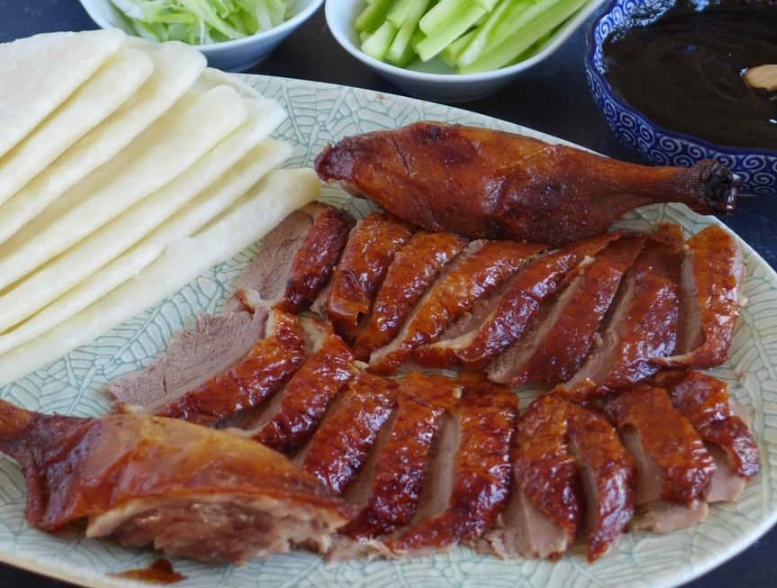
Carving and Serving
Traditional carving is an art. For home, do this: First, carve off the crispy skin in pieces. Use a very sharp knife and try to get as little fat as possible. Then, slice the breast meat. Finally, tackle the legs and thighs.
Serve immediately with the classic accompaniments: Mandarin pancakes (or very thin flour tortillas in a pinch), hoisin sauce (sweet bean sauce), julienned cucumber, and spring onions cut into matchsticks.
Navigating Common Hurdles: Your Peking Duck FAQ
I've gotten a lot of questions from friends who've tried this. Here are the big ones.
Can I use a different glaze?
Absolutely. The classic is maltose (malt syrup), but it can be hard to find. Honey is a great substitute. Some recipes use just soy sauce and vinegar. The key components are a sugar (for browning/caramelization) and a liquid (for adhesion). Molasses would be too strong. Maple syrup can work but will impart its own flavor.
My skin isn't crispy. What went wrong?
Nine times out of ten, it's insufficient drying. The fridge time is the most important step. If the skin feels at all damp or soft when it goes into the oven, it won't crisp properly. Also, ensure your oven temperature is accurate—an oven thermometer is a cheap and vital tool. Finally, not enough fat may have rendered. Starting at a lower temp (that 350°F phase) helps pull out that fat slowly.
Can I make a Peking duck recipe without hanging or a special oven?
That's what this whole guide is about! The hanging in traditional kitchens is for even air circulation during drying and roasting. We replicate drying with the fridge rack and roasting with a standard oven rack. The results are genuinely impressive. For a deeper dive into the food science of roasting and crisping skin, resources from institutions like the Serious Eats team, who rigorously test techniques, can be incredibly enlightening.
What do I do with all the leftover fat?
Treasure it! Strain the beautiful, clear duck fat from your roasting pan into a jar. It's liquid gold for roasting potatoes, frying eggs, or sautéing vegetables. It keeps for months in the fridge.
Is air-drying outside an option?
In theory, yes, if you have a cool, breezy, and very clean (and pest-free) space. But for food safety and consistency, the controlled, cold, dry environment of a refrigerator is safer and more reliable for most home cooks. The USDA Food Safety guidelines emphasize keeping perishable foods out of the "danger zone" (40°F-140°F), which the fridge method firmly respects.
A Few Parting Thoughts (And One Minor Rant)
Making Peking duck at home is deeply satisfying. It demystifies a culinary icon. You gain a huge appreciation for the skill involved in the traditional craft.
But let's be real about the "authenticity" police you might find online. Some purists will say if you didn't pump it with air and hang it in a fruitwood oven, it's not real Peking duck. I get that. Technically, they're right. But cooking at home is about adaptation. If the result is a duck with stunningly crisp skin, flavorful meat, and brings joy to your table, you've won. Call it "Home-Style Crispy Aromatic Duck" if it makes you feel better. The experience is what matters.
My personal view? The biggest mistake isn't adapting the method; it's skipping the drying time. Rushing this process is the only true failure. Give it the time it demands.
The history of this dish is fascinating, intertwined with Chinese imperial cuisine. If you're interested in that background, reading about it on sources like Britannica or the Wikipedia entry for Peking Duck (which is well-sourced) adds another layer to the cooking experience. It connects you to a centuries-old tradition, even as you adapt it for your modern kitchen.
So, are you ready to try your own Peking duck recipe? Clear some fridge space, get a good duck, and embrace the project. The crackle of that first piece of skin will make every minute worth it.