Quick Navigation
Let's be honest. The day after a big holiday feast, staring at that magnificent, now-picked-over prime rib roast in the fridge can feel a little... sad. The glory has faded. But what if I told you the best part is yet to come? That those bones, that marbled fat, and those last precious shreds of meat are about to become something even more comforting and complex than the original showstopper? Welcome to the magic of a well-made prime rib soup recipe.
I used to think making soup from scratch was a weekend project for grandmas. Then I had a prime rib bone staring me down after Christmas one year. Throwing it away felt like a crime. The experiment that followed—a hesitant attempt at a prime rib soup—changed my whole view on leftovers. It wasn't just "using up" food. It was an upgrade.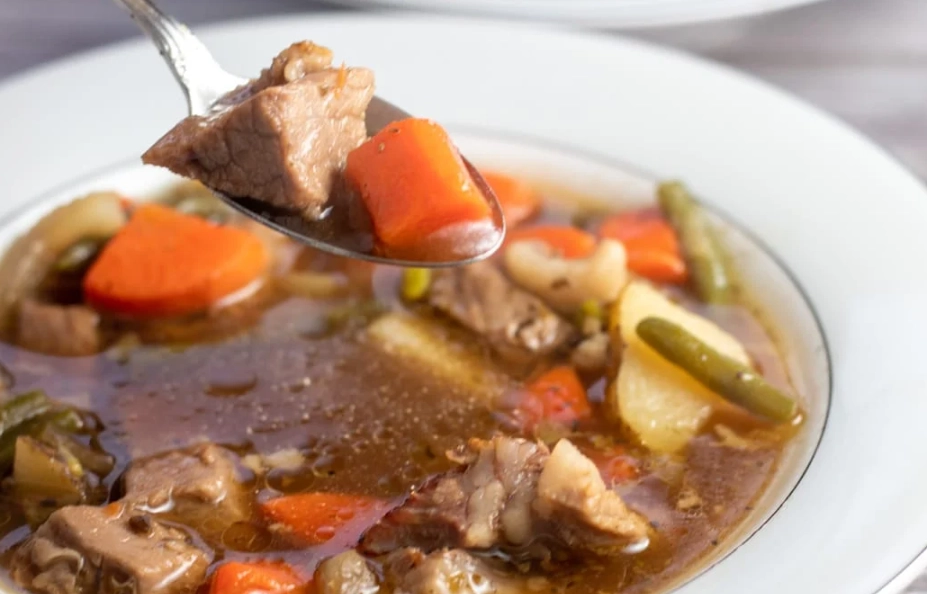
Why Prime Rib Makes The Absolute Best Soup Base
You could make soup from any beef, sure. But prime rib is special, and that specialness translates directly into your broth.
First, the bones. Prime rib bones are large, marrow-filled, and have been roasted. That roasting is the secret weapon. It creates the Maillard reaction—that deep browning—right on the bone itself, which infuses your stock with a nutty, rich, deeply savory flavor that a raw bone just can't provide. It's the difference between toasted bread and plain bread.
Then there's the fat. The beautiful, marbled fat cap and the internal fat renders during the initial roast and again during simmering. This fat carries immense flavor. We'll skim some, but what remains emulsifies into the soup, giving it a luxurious mouthfeel that's neither greasy nor thin.
Finally, the meat. Even the scraps clinging to the bone and the end pieces you didn't serve are from a supremely tender, well-marbled cut. They won't turn tough and stringy like stew meat might if you're not careful. They simply relax back into the soup, offering little bursts of that prime rib essence.
Honestly, skipping this step is like buying a fancy car and never taking it out of the garage. The prime rib soup recipe is the joyride.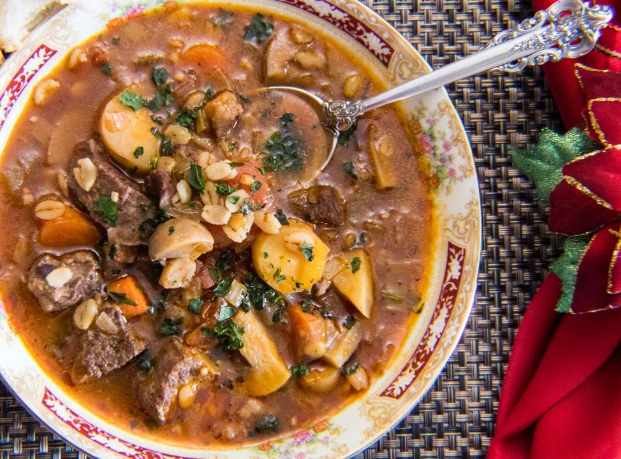
The Core, No-Fail Prime Rib Soup Recipe
This is my go-to method. It's flexible but follows a core logic: build flavor in layers. Don't just dump everything in a pot with water.
What You'll Need (The Cast of Characters)
- The Star: 1 prime rib bone (or 2-3 if they're smaller), with some meat and fat still attached. The carcass from a 4-5 bone roast is perfect.
- The Aromatics (The Supporting Cast): 1 large yellow onion (roughly chopped), 2-3 carrots (chopped, no need to peel), 3-4 celery stalks (with leaves if you have them), 1 whole head of garlic (halved horizontally).
- The Flavor Builders: 2-3 tablespoons tomato paste (this is non-negotiable for depth), 1 cup of decent red wine (like a Cabernet or Merlot—something you'd drink), 2 bay leaves, a small bunch of fresh thyme and/or rosemary, 1 teaspoon whole black peppercorns.
- The Liquid: 10-12 cups of water (start with 10, you can add more). Not store-bought broth. You are MAKING the broth.
- The Finish (The Closer): Any remaining prime rib meat, diced. More fresh veggies if you like (pearl onions, diced potatoes, mushrooms). A big handful of fresh parsley, chopped. Salt and freshly ground black pepper to taste. A splash of good red wine vinegar or fresh lemon juice at the very end (trust me).
Step-by-Step: From Bone to Bowl
The Foundation: Building the Broth
If your bones are from a recently eaten roast, you can start here. If they've been in the fridge for a day or two, I like to put them on a sheet pan and roast them in a 400°F (200°C) oven for 20-25 minutes to re-crisp and reawaken those flavors. Don't burn them, just get them sizzling.
In your largest stockpot or Dutch oven, over medium-high heat, add a tiny drizzle of oil. Toss in your chopped onions, carrots, and celery. You're not trying to cook them through, you're trying to get some color. Sauté for 5-7 minutes until they start to soften and get a few brown spots. This, again, is flavor.
Push the veggies to the side and add the tomato paste right onto the hot bottom of the pot. Let it cook and "fry" for a minute or two until it darkens a shade. This removes the tinny taste and adds a sweet, caramelized note. Now stir it into the veggies.
Add the red wine. It will hiss and steam. Scrape up any browned bits (the "fond") from the bottom of the pot with your spoon. This is liquid gold. Let it simmer and reduce by about half.
Now, add your prime rib bones, the roasted head of garlic (cut side down), bay leaves, thyme/rosemary, and peppercorns. Pour in 10 cups of cold water. It should just about cover everything. Bring it to a very gentle simmer—a few bubbles breaking the surface here and there. A rolling boil will make your broth cloudy and harsh.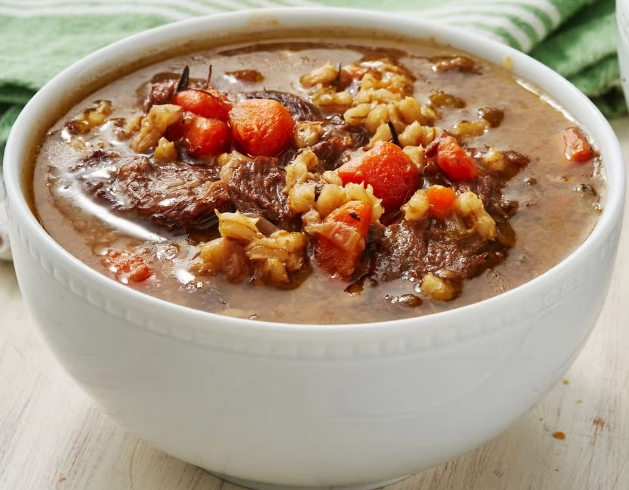
This is the patience part. Let it simmer, partially covered, for at least 4 hours, preferably 6-8. I often start it in the afternoon and let it go until bedtime. The longer it goes, the more flavor and collagen (for body) you extract. Skim off any grayish foam that rises in the first 30 minutes, and occasionally skim off excess fat if there's a thick layer, but leave some.
The Transformation: Straining and Finishing
Once your house smells like a French bistro and the broth is a deep, rich brown, it's time. Carefully remove the big bones with tongs. Let them cool so you can pick off any remaining meat. Discard the bones (the marrow should be mostly gone).
Set a large fine-mesh strainer over another big pot or bowl. Pour the entire contents of your stockpot through the strainer. Press gently on the veggies and herbs to get the liquid out, then discard the solids. You now have the most beautiful, gelatinous prime rib broth. If it seems too concentrated, add a bit of water. If it's too weak (unlikely), you can simmer it uncovered to reduce and concentrate.
Return the strained broth to a clean pot. Bring it back to a simmer. Now, add your finishing vegetables. Diced potatoes or mushrooms will need 15-20 minutes to cook through. Pearl onions, maybe 10.
When your veggies are tender, add your reserved, diced prime rib meat. It only needs to heat through, about 2-3 minutes. Adding it any sooner will make it tough.
Now, season. Salt is crucial. Start with a teaspoon, stir, taste. Keep adding until the flavors sing. It will take more than you think. Grind in fresh black pepper. Stir in your chopped parsley.
The final, magic touch: turn off the heat and stir in a tablespoon of red wine vinegar or a squeeze of lemon juice. This isn't to make it sour, but to brighten all those deep, rich flavors. It lifts the entire soup. Taste again and adjust.
Serve it steaming hot, maybe with a crusty piece of bread for dipping. That's it. Your prime rib soup recipe is complete.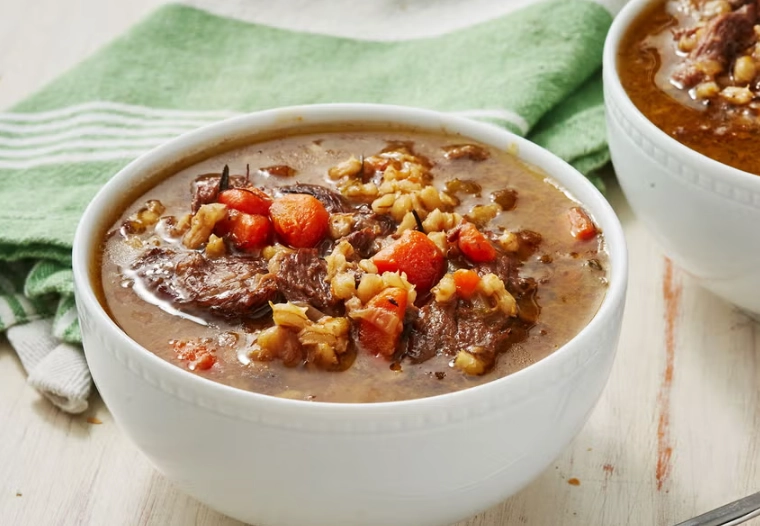
Pro-Tips, Hacks, and What to Avoid
I've made my share of mistakes so you don't have to. Here's the real-world advice.
Do This For Better Soup
- Embrace the Fat (at first): Don't try to meticulously trim all fat from the bones before simmering. The fat carries flavor. Skim it off the top once the broth is done and has cooled a bit—it will be easy to remove in a solid layer.
- Acid is Your Friend: That final splash of vinegar or lemon is non-negotiable in my book. It balances the richness perfectly.
- Salt in Stages: Never salt the broth at the beginning. As it reduces, the salt concentrates and you can end up with a brine. Salt only at the end, when you're finishing the soup.
- Save Some Meat: When carving your initial roast, deliberately tuck away a good handful of meat (a few ounces) in a separate container in the fridge, earmarked for the soup. This guarantees you have nice chunks, not just scraps.
Avoid These Common Pitfalls
- The Boiling Blunder: A raging boil makes broth cloudy and can make it taste bitter. A bare simmer is the goal.
- Overcrowding the Pot: If your bones and veggies are packed in tight, the water can't circulate properly. Use a big enough pot.
- Using Old, Bitter Herbs: Dried herbs that have been in your cupboard for five years will taste like dust. If your dried bay leaves or thyme have lost their scent, skip them. Fresh is always better here.
- Skipping the Tomato Paste Sear: It takes two minutes and adds a layer of umami you'll miss if it's gone.
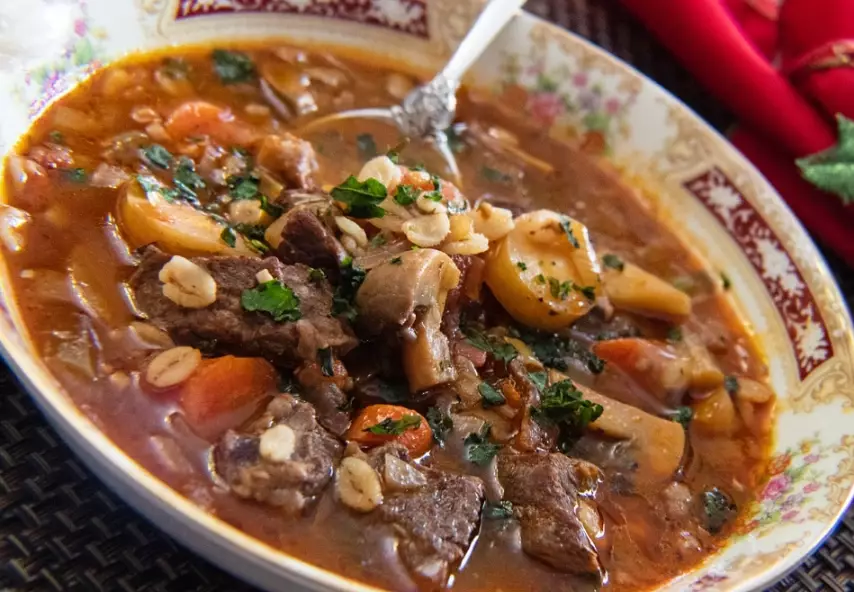
One more thing about storage. Let the finished soup cool completely before putting it in the fridge. It will keep for 4-5 days easily. The fat will rise and solidify on top—that's a protective layer. Just lift it off or stir it back in when you reheat. This prime rib soup recipe also freezes beautifully for up to 3 months. Freeze it in portion-sized containers.
Answering Your Prime Rib Soup Recipe Questions (FAQ)
I get a lot of questions whenever I talk about this. Let's tackle the big ones.
I don't have red wine. Can I skip it?
You can, but you'll lose a layer of complexity. A good substitute is a tablespoon of good balsamic vinegar added with the water, or even a half cup of crushed canned tomatoes. The wine's acidity and fruitiness work magic.
How long do I really need to simmer the bones?
For maximum collagen extraction and flavor, aim for at least 4 hours. You can get a decent broth in 2, but it won't have the same body or depth. Overnight in a slow cooker on "low" is a fantastic, hands-off method.
Can I make this in an Instant Pot or pressure cooker?
Absolutely! It's a great time-saver. Sauté the veggies and tomato paste right in the pot. Add everything else (bones, water, herbs). Pressure cook on high for 90-120 minutes. Let the pressure release naturally for the clearest broth.
My soup is too fatty. How do I fix it?
The easiest way is to chill it. After straining, refrigerate the broth overnight. The next day, the fat will have solidified into a white cap on top. You can lift it right off. Then, proceed with finishing the soup.
Is it safe to use bones that have been sitting out?
Follow standard food safety guidelines. If the prime rib was left at room temperature for more than 2 hours (or 1 hour if it was above 90°F/32°C), I'd be cautious. When in doubt, refer to the USDA's guidelines on leftovers. It's better to be safe.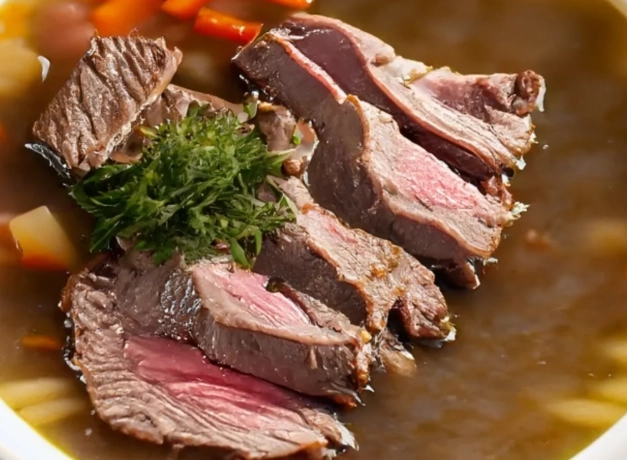
What other vegetables work well?
This soup is a canvas. Try adding a parsnip for sweetness with the initial veggies. For finishing, barley or small pasta (add them directly to the simmering broth to cook) are fantastic for heartiness. Kale or spinach stirred in at the very end adds color and nutrition.
The Final Simmer: More Than Just Leftovers
Look, anyone can make a sandwich with leftover prime rib. And it'll be a good sandwich. But transforming those remains into a soul-warming, complex prime rib soup recipe? That's alchemy. It's an act of respect for the ingredient and a gift to yourself.
It turns what could be a chore (dealing with leftovers) into a highlight. The process is almost meditative—the simmering, the straining, the final seasoning. And the reward is a pot of something that feels both luxurious and humble.
The next time you see that prime rib bone, don't see an end. See a beginning. See the foundation for what might just become your new favorite cold-weather tradition. Grab your biggest pot, and give it a simmer. You won't regret it.