Quick Guide
- The Foundation: Your Go-To Classic Egg Sandwich Recipe
- Leveling Up: The Egg Sandwich Recipe Hall of Fame
- Answering Your Egg Sandwich Dilemmas (The FAQ)
- The Deep Dive: Ingredients and Techniques That Matter
- Nutrition and Customization: Making It Your Own
- Wrapping It Up: Your Next Steps
- Beyond Scrambled: Other Egg Prep Methods
Let's be honest. When someone says "egg sandwich recipe," what pops into your head? Probably two pieces of white bread with a dry, overcooked egg patty in the middle, maybe a sad slice of processed cheese if you're lucky. It's the kind of thing you make when there's absolutely nothing else in the fridge. But what if I told you that with a few simple shifts in thinking, that humble egg sandwich can transform into something you'd actually crave? Something worthy of a lazy weekend brunch or even a quick, impressive lunch.
I used to be firmly in the "meh" camp. My early attempts were tragic. Rubbery eggs, soggy bread, a complete lack of flavor. It was fuel, not food. Then I spent a summer working in a little café that did a roaring trade in breakfast sandwiches, and I saw the light. It's not rocket science, but there's a craft to it. A good egg sandwich recipe is a beautiful balance of textures and temperatures, simplicity and satisfaction.
This isn't just about following steps. It's about understanding the why. Why does the type of bread matter so much? Why do restaurant eggs always seem fluffier? Why does my sandwich fall apart? We're going to dig into all of that. Whether you're a student looking for a cheap, filling meal or a home cook wanting to up your breakfast game, this guide is for you. We'll start with a foolproof classic, then explore wild and wonderful variations, and finally tackle all the questions that might be holding you back from egg sandwich greatness.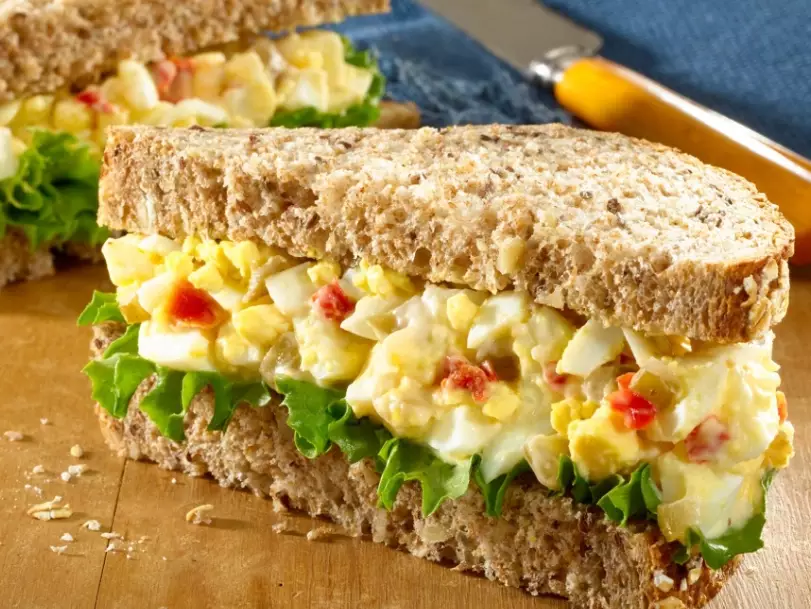
The Foundation: Your Go-To Classic Egg Sandwich Recipe
Every great dish needs a solid starting point. Think of this as your master blueprint, the basic egg sandwich recipe you can always come back to and customize endlessly. The goal here is creamy, soft scrambled eggs nestled in a perfectly toasted, buttered vessel. Forget the hard, dry scramble. We're going for soft curds.
Here’s what you’ll need for one glorious sandwich. Double, triple, quadruple as needed.
| Ingredient | Quantity | Why It's Here |
|---|---|---|
| Large Eggs | 2 | The star. Fresh is best, but use what you have. |
| Good Bread (Brioche, Sourdough, Ciabatta roll) | 2 slices or 1 roll | The foundation. It must stand up to the eggs without being jaw-breakingly hard. |
| Butter | 1 tbsp + more for bread | For cooking the eggs and toasting the bread. Adds richness. |
| Milk or Cream | 1 tbsp | The secret to extra tender, fluffy eggs. Water works in a pinch. |
| Salt & Black Pepper | To taste | Essential seasoning. Pepper especially loves eggs. |
| Cheese (Cheddar, American, Swiss) | 1 slice (optional) | Melty, salty, wonderful. Not optional for me. |
The process is simple, but the details make it.
First, deal with your bread. Toast it or pan-fry it in a little butter until it's golden and crisp. This creates a barrier against sogginess. Nobody wants a mushy egg sandwich. Set it aside on a plate.
Now, the eggs. Crack them into a bowl, add the milk or cream, and a good pinch of salt and pepper. Whisk just until the yolks and whites are combined. Don't go crazy—over-whisking can make them tough.
Heat a non-stick skillet over medium-low heat. Add the butter. When it melts and starts to foam, pour in the eggs. Let them sit for about 10 seconds, then gently push the cooked edges toward the center with a spatula, letting the uncooked egg flow to the edges. Repeat this gentle pushing and folding until the eggs are mostly set but still look a bit wet and shiny. This is the crucial moment. They will continue to cook from residual heat.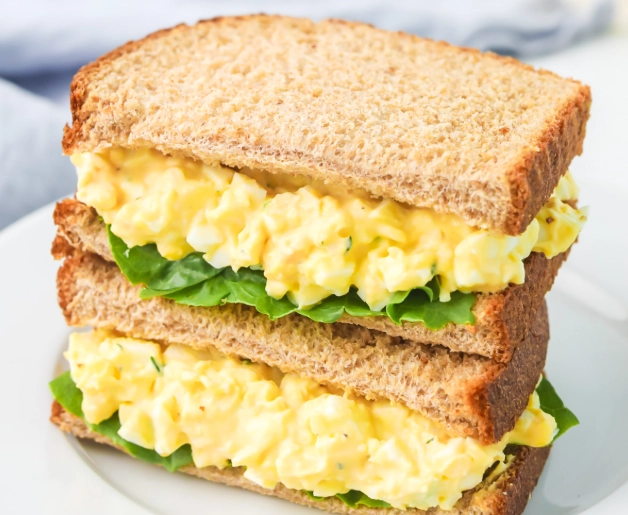
If you're using cheese, lay the slice on one piece of toast right now. Pile the soft, creamy eggs directly on top of the cheese—the heat will melt it beautifully. Top with the second piece of toast. Press down gently.
That's it. The classic, perfected.
But wait. What if you don't like scrambled eggs? What if you're in a rush? The beauty of an egg sandwich is its flexibility.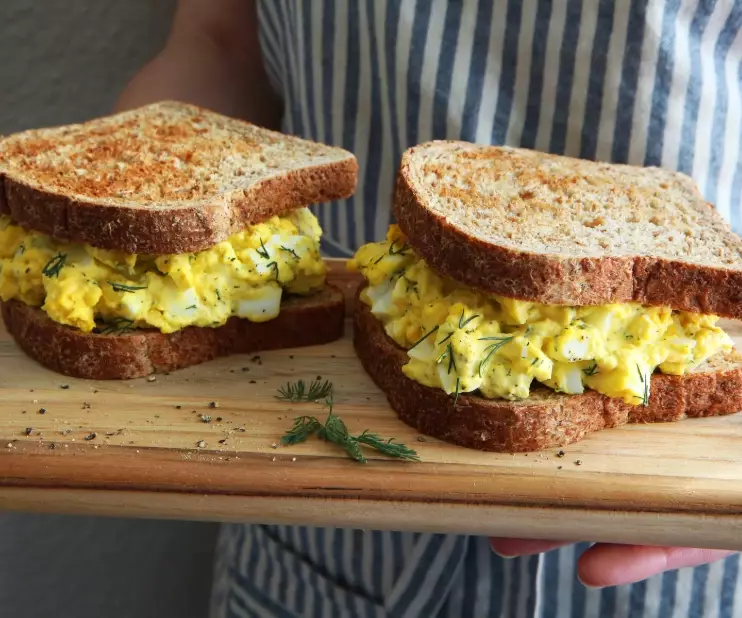
Beyond Scrambled: Other Egg Prep Methods
Scrambled is my personal favorite for a sandwich because it's easy to eat and holds seasoning well, but it's not the only way.
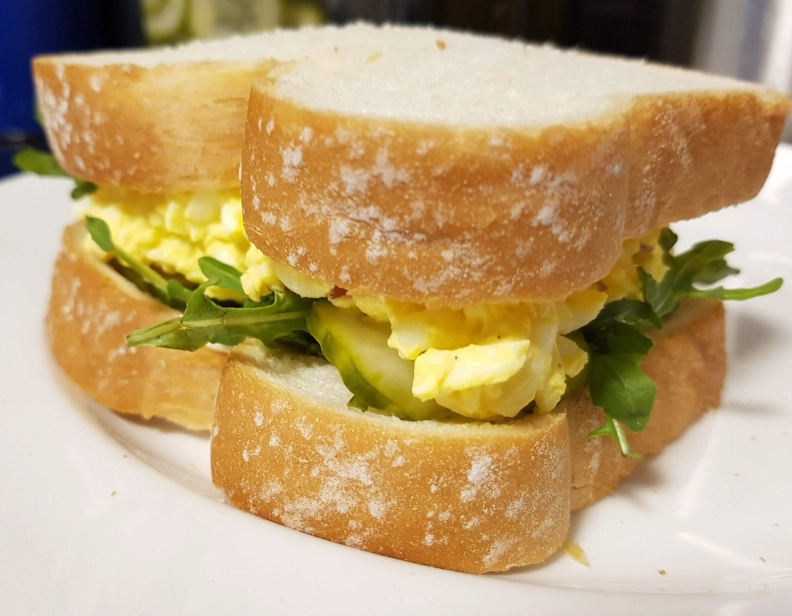
Each method gives you a totally different texture and experience. A fried egg sandwich feels like a indulgent diner breakfast. An egg salad sandwich is a nostalgic, comforting lunch. Don't limit yourself.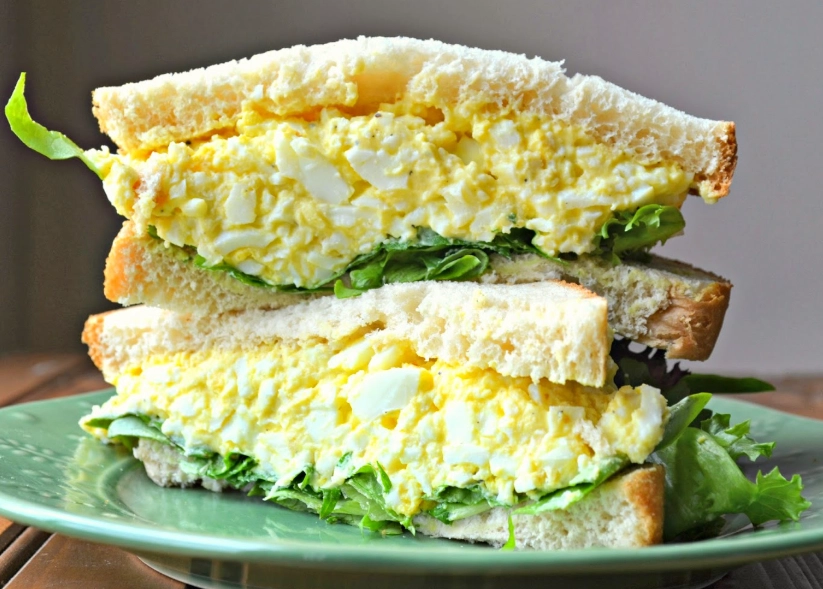
Leveling Up: The Egg Sandwich Recipe Hall of Fame
Once you've mastered the basic egg sandwich recipe, the world is your oyster... or your avocado, or your sriracha. Here are some of the most beloved variations. Think of this as a mix-and-match menu.
The Bacon & Avocado Champion: This might be the king. Add two strips of crispy bacon and a few slices of ripe avocado to your classic scrambled or fried egg sandwich. The creaminess of the avocado with the salty crunch of bacon is a legendary combo. A dash of hot sauce takes it over the top.
The Green Goddess (Chive & Cream Cheese): Swap the butter on your toasted bagel for a thick schmear of full-fat cream cheese. Scatter fresh chopped chives or scallions into your eggs as they cook. The cool, tangy cream cheese with the warm, herby eggs is sublime. Surprisingly light and fresh.
The Spicy Kick (Sriracha Mayo): Mix a tablespoon of mayo with a teaspoon (or more!) of sriracha. Spread this on your toast before adding the eggs. Add a handful of fresh spinach or arugula for a peppery bite. It wakes up your whole morning.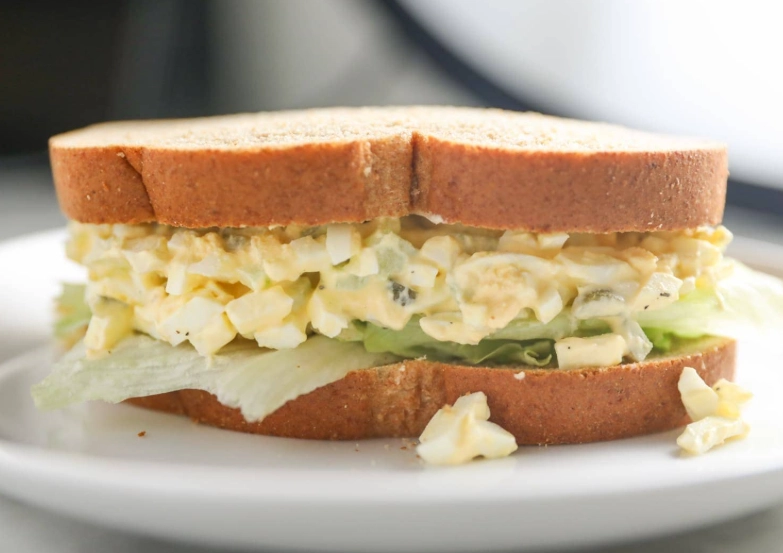
The Gourmet Mushroom & Swiss: Sauté a handful of sliced mushrooms in butter with a pinch of thyme until they're golden and all their liquid has evaporated. Use Swiss or Gruyère cheese. This turns your simple egg sandwich into something you'd pay $15 for at a chic café.
The Curry Egg Salad Twist: To your standard egg salad mixture, add a teaspoon of mild curry powder, some raisins or chopped apple, and a pinch of cayenne. Serve on whole wheat. It's a flavor explosion and a great way to use up leftover hard-boiled eggs.
See? The basic egg sandwich recipe is just a launchpad. You can take it in so many directions based on what's in your fridge and what you're craving.
Answering Your Egg Sandwich Dilemmas (The FAQ)
The Deep Dive: Ingredients and Techniques That Matter
Let's get nerdy for a second. You can follow an egg sandwich recipe to the letter, but if your ingredients or techniques are off, the result will be too.
Choosing Your Eggs
Freshness matters, but not in the way you might think. Very fresh eggs are actually harder to peel when hard-boiled. For scrambling and frying, any fresh egg from the store is fine. If you have access to pasture-raised eggs, you might notice a richer flavor and darker yolk color, which can make your sandwich look more appetizing. But a standard egg will still make a fantastic sandwich. Don't stress about it.
The Butter vs. Oil Debate
I am firmly Team Butter for an egg sandwich recipe. Why? Flavor. Butter adds a rich, nutty, luxurious taste that oil just can't match. It also helps the eggs achieve a better texture. If you're dairy-free, a neutral oil like avocado oil works, but consider adding a tiny pinch of smoked paprika or nutritional yeast to the eggs to compensate for the lost flavor complexity.
The Cheese Melt Factor
Not all cheeses melt the same. For that perfect, gooey pull, you want cheeses with good meltability: American, cheddar, Monterey Jack, Swiss, provolone, mozzarella. Hard cheeses like Parmesan won't melt well as a slice but are great grated on top. Crumbly cheeses like feta won't melt but will soften deliciously. Match your cheese to your desired texture.
Nutrition and Customization: Making It Your Own
An egg sandwich can be a nutritional powerhouse or a decadent treat. It's all in your choices. Eggs are a great source of high-quality protein and essential vitamins. Pair them with whole-grain bread and some veggies, and you've got a balanced meal.
For a lighter take, use one whole egg and two egg whites for scrambling. Skip the butter and use a spritz of cooking spray. Choose a low-fat cheese or skip it altogether, and load up on spinach, tomatoes, and onions. The Mayo Clinic has great resources on incorporating eggs into a heart-healthy diet (Mayo Clinic on Eggs & Cholesterol).
For dietary restrictions, the options are wide. Gluten-free? Use your favorite GF bread. Dairy-free? Use oil and skip the cheese or use a vegan alternative. Vegetarian? You're already golden—just watch out for sneaky animal products in some breads or sauces.
The ultimate goal of any good egg sandwich recipe is to give you a framework you can adapt. Don't have chives? Use green onions. Don't have sourdough? Use a bagel. Out of butter? A little olive oil will do in a pinch. Cooking should be flexible, not stressful.
Wrapping It Up: Your Next Steps
So, where do you start? My advice is to begin with the classic scrambled egg sandwich recipe I outlined at the beginning. Master that process—the gentle scramble, the well-toasted bread, the timely assembly. Get a feel for it. Once that feels easy and consistently delicious, start playing.
Pick one variation that sounds good to you this week and try it. Next week, try another. Keep a couple of your favorite breads in the freezer so you always have a good base. Remember that the best egg sandwich is the one you want to eat right now.
It's a simple pleasure, really. But sometimes, the simplest things bring the most satisfaction. A warm, well-made egg sandwich on a quiet morning is a small act of self-care. It’s comfort food that doesn't require hours in the kitchen. It's proof that you don't need fancy ingredients to make something truly good.
Now go forth and scramble (or fry, or boil). Your perfect egg sandwich is waiting.