Let's be honest. The phrase "homemade pastry" can trigger a bit of anxiety. Visions of tough, crumbly dough and a kitchen counter dusted in flour come to mind. But what if I told you that perfect shortcrust pastry isn't about magic hands or secret ingredients? It's about understanding a few simple, non-negotiable rules. This isn't just another recipe list. This is your foundational guide to mastering the buttery, crumbly base for every pie, tart, and quiche you'll ever want to make. I've made every mistake so you don't have to.
What's Inside: Your Pastry Roadmap
The Three Non-Negotiable Rules for Perfect Shortcrust
Before we touch a single ingredient, let's talk philosophy. Get these three things right, and you're 90% of the way there.
Cold, Cold, Cold. This is the cardinal rule. Your butter, your water, even your bowl if you're feeling fancy. Why? Cold butter pieces suspended in the flour melt during baking, creating steam pockets. Those pockets are what give you flakiness and lift. Warm butter just gets absorbed, leading to a dense, greasy result. I cube my butter and stick it in the freezer for 15 minutes before starting. It makes a difference.
Less is More with Water. You only need enough icy water to bring the dough together. It's a binder, not a main ingredient. Add it tablespoon by tablespoon. The dough should look shaggy and a bit dry before you start pressing it. When you can pinch a bit and it holds together, stop. Excess water activates more gluten, leading to shrinkage and toughness.
Handle with Care (Don't Overwork). This is the hardest one for beginners. You are not kneading bread. You are lightly coaxing fat and flour to become acquaintances, not best friends. Overworking develops gluten, the protein network that gives structure. We want minimal gluten here for a tender, crumbly bite. As soon as it forms a ball, walk away.
The Foolproof Shortcrust Pastry Recipe
This is my workhorse recipe. It's a classic 2:1 flour-to-fat ratio, scaled for a standard 9-inch pie plate or tart tin. It's forgiving, versatile, and always delivers.
Classic All-Butter Shortcrust Pastry
Yield: Enough for one 9-inch (23cm) single crust pie/tart.
Prep Time: 15 minutes active, plus 1 hour chilling.
Cook Time: Varies with filling (typically 25-35 mins blind baked).
Ingredients
- 250g (1 ¾ cups + 2 tbsp) all-purpose flour – Spooned and leveled. I prefer a medium-protein flour like Gold Medal or a generic store brand. Very high-protein bread flour will make it tougher.
- ½ tsp fine sea salt – Enhances flavor. Omit if using salted butter.
- 125g (½ cup) unsalted butter – Cold, cubed. European-style butter (higher fat) is fantastic but not essential.
- 60-75ml (4-5 tbsp) ice water – Literally put an ice cube in your water. You may not need all of it.
- Optional: 1 tbsp granulated sugar for a slightly sweeter dough for fruit pies.
Note on measurements: Baking is a science. For absolute consistency, use a digital kitchen scale. Volume measurements for flour are notoriously variable.
The Step-by-Step Process: Where Most People Go Wrong
Here’s the walkthrough. Read this before you start.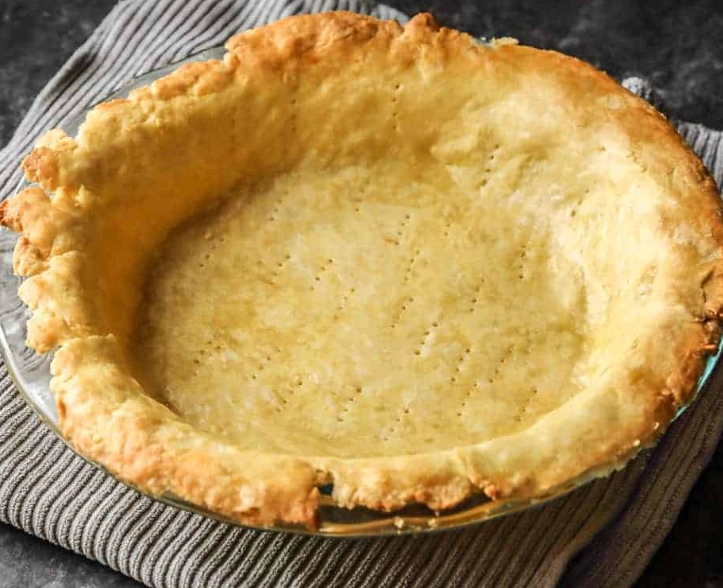
1. Combine Dry Ingredients
Whisk the flour and salt (and sugar, if using) in a large, cool bowl. Some recipes say to do this in a food processor. You can, but I find it's too easy to over-process. Your fingertips are the best tool for learning the correct texture.
2. Incorporate the Butter
Add the cold, cubed butter. Now, use your fingertips and thumbs to rub the butter into the flour. You're looking for a mixture that resembles coarse breadcrumbs with some larger, pea-sized pieces of butter still visible. Those pea-sized bits are golden. They'll create flakiness. If you see the butter starting to smear or feel soft, pause and pop the bowl in the fridge for 5 minutes.
The subtle mistake: Rubbing the butter in until it looks like fine sand. This is a common goal in many recipes, but it often leads to a less flaky, more cookie-like crust. You want texture.
3. Add the Water
Drizzle in 4 tablespoons of ice water. Use a blunt knife or a silicone spatula to "cut" it in, bringing the mixture together. Try squeezing a handful. If it holds together without crumbling, it's ready. If it's still very dry and powdery, add the final tablespoon, bit by bit. The dough will look messy and shaggy—this is good.
4. Form and Chill
Turn the shaggy mass out onto a clean surface. Use the heel of your hand to gently press and push it away from you a few times (a technique called "fraissage") to help distribute the fat. Then, gather it into a disc. Don't knead it into a smooth ball. Wrap it tightly in cling film and refrigerate for at least 1 hour, preferably 2. This hydrates the flour and relaxes the gluten, preventing shrinkage.
This chilling step is not optional. I once tried to rush a quiche and rolled the dough after 20 minutes. It shrank so badly in the oven it looked like a pastry swimming pool.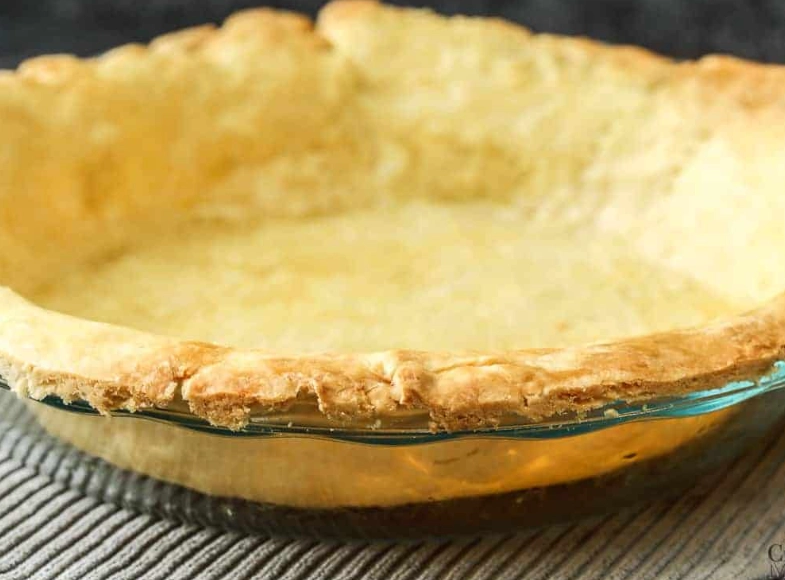
5. Roll and Bake
On a lightly floured surface, roll the disc from the center out, turning it 90 degrees occasionally to maintain a circle. Roll to about 3mm (1/8-inch) thick. Transfer to your tin by rolling the pastry loosely over your rolling pin. Gently press it in, avoiding stretching. Trim excess, prick the base with a fork, and chill again for 30 minutes before baking blind (with weights) or with your filling.
Beyond the Basic: Variations & Where to Use Them
The basic recipe is a blank canvas. Here’s how to adapt it.
Sweet Shortcrust (Pâte Sucrée)
Add 50g (¼ cup) of caster sugar and 1 egg yolk to the basic recipe. Reduce the water to about 1-2 tbsp. The egg yolk enriches it, and the sugar makes it sturdier and cookie-like—perfect for fruit tarts and lemon curd pies. It's less flaky but more robust.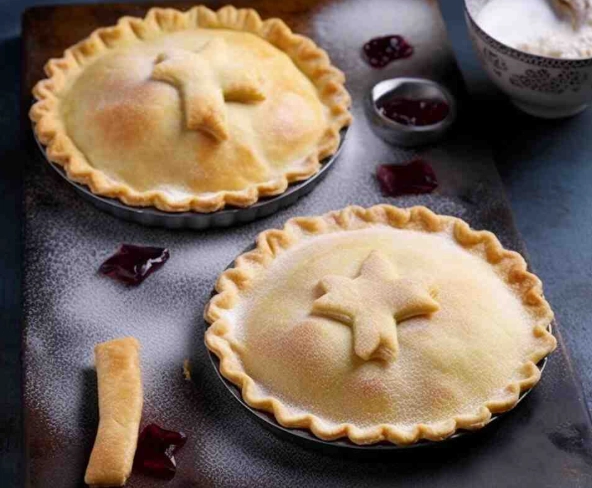
Savory Shortcrust (For Quiches & Savory Tarts)
Add a tablespoon of fresh, finely chopped herbs (thyme, chives) or 30g of finely grated parmesan cheese to the flour mixture. This adds incredible flavor depth to a quiche Lorraine or vegetable tart.
The Fat Swap: Lard or Shortening
Some traditional recipes use half butter, half lard. Lard creates an incredibly tender, flaky texture because it has a higher melting point and different fat crystals. If you're not opposed to it, try 65g butter + 60g lard. Vegetable shortening works similarly but lacks flavor. All-butter gives the best taste, in my opinion.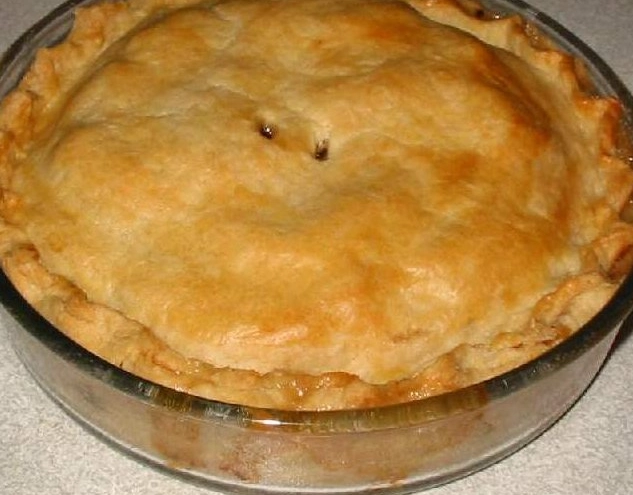
Expert Troubleshooting & Your Questions Answered
You've got the recipe. Now let's tackle the real-world problems.
Mastering shortcrust pastry is less about following a recipe to the letter and more about understanding the feel of the dough. It should feel like damp sand that just holds its shape when squeezed. It shouldn't be smooth or elastic. Embrace the shagginess. Respect the chill time. Once you internalize the cold-butter, minimal-handling mantra, you'll unlock a world of baking. That apple pie or summer tomato tart will be entirely your own, from the ground up. And honestly, that's a pretty good feeling.