I used to think making ice cream required fancy machines and hours of effort. Then I discovered coconut ice cream—creamy, dairy-free, and surprisingly simple. If you're tired of store-bought versions loaded with additives, this recipe will change your game. Let's dive straight in: you can whip up a batch with just a few pantry staples, no churner needed.
What You'll Find in This Guide
Why Bother Making Coconut Ice Cream at Home?
Store-bought coconut ice cream often has a weird aftertaste—too sweet, too artificial. When I first tried making my own, I was blown by the freshness. You control everything: the sweetness, the fat content, the add-ins like toasted coconut flakes or mango chunks.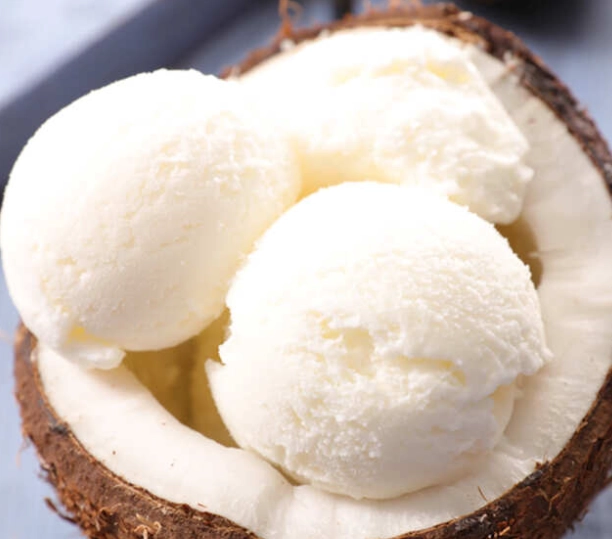
It's cheaper too. A pint of premium vegan ice cream can cost $6-8. With two cans of coconut milk and some sugar, you get double the quantity for half the price.
Health-wise, it's a win. No hidden preservatives, and you can tweak it for dietary needs—use maple syrup for vegan, reduce sugar if you prefer. But let's be real: the main reason is flavor. Homemade just tastes better, creamier, more coconutty.
The Ingredients: What Really Matters
Skip the fancy stuff. Here's what you need, and why each piece matters.
Core Ingredients:
- Full-fat coconut milk or cream: This is non-negotiable. The fat (around 20-24% in cream) gives richness. Lite versions make icy, sad ice cream. I prefer canned coconut cream for a denser texture.
- Sweetener: Granulated sugar works, but coconut sugar adds depth. For no-churn, sweetened condensed coconut milk is magic—it keeps things soft.
- Salt: Just a pinch. It balances sweetness and enhances flavor.
- Vanilla extract or paste: Optional, but it rounds out the coconut taste.
Some recipes call for stabilizers like cornstarch or guar gum. I avoid them unless I'm batch-making for a party—they can make the texture gummy if overdone.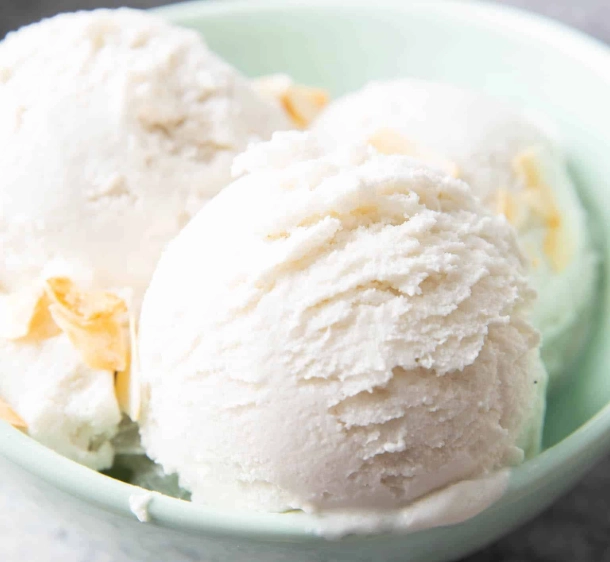
One thing I learned the hard way: check your coconut milk brand. Some have emulsifiers that prevent separation, which is good for consistency, but can alter mouthfeel. Experiment with a few; I find Thai brands like Chaokoh or Aroy-D reliable.
Step-by-Step: From Mixing to Freezing
This process is straightforward, but details matter. Follow along, and don't rush the freezing.
Preparing the Base
Start by chilling your coconut milk cans overnight. This helps the cream separate and thicken. Open them, scoop out the solid cream into a mixing bowl, leaving the watery liquid behind (save it for smoothies).
Add your sweetener—about 3/4 cup for 2 cans of cream. Whisk until smooth. If using condensed milk, just fold it in. Taste it now; it should be slightly sweeter than you want, as freezing dulls sweetness.
Here's a trick: warm the mixture gently over low heat if the sugar isn't dissolving. But cool it completely before freezing—hot base makes ice crystals.
Churning or No-Churn Method
If you have an ice cream maker, churn according to its instructions. Usually 20-25 minutes until it's soft-serve consistency.
No machine? Whip the coconut cream mixture with a hand mixer for 3-4 minutes until fluffy. This incorporates air, mimicking churning. Pour into a loaf pan, cover with plastic wrap pressed onto the surface, and freeze.
Stir it once after 2 hours to break up crystals. Then freeze solid for 6+ hours.
I've done both methods. Churned is smoother, but no-churn works fine if you're patient. The key is that whipping step—don't skip it.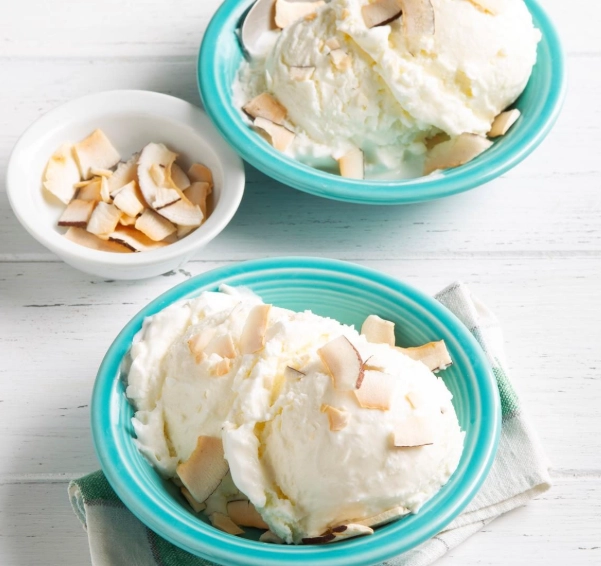
Pro Tips for That Perfect Creamy Texture
Most homemade ice cream fails are about texture. Here's what I've picked up from years of trial and error.
Temperature Control: Keep everything cold. Chill your bowl and beaters before whipping. Your freezer should be at -18°C (0°F) or lower. If it's warmer, the ice cream freezes slowly, forming large crystals.
Another nuance: sugar type matters. Liquid sweeteners like agave or honey can make the ice cream softer, but they might overwhelm the coconut flavor. I stick with granulated or coconut sugar for balance.
Fat content is crucial. If your coconut milk seems thin, reduce the watery part by simmering it down to concentrate. Or add a tablespoon of coconut oil for extra richness.
Storage tips: Use an airtight container. Press parchment paper on top before sealing to prevent ice crystals on the surface. It lasts 2-3 weeks, but honestly, it's gone faster in my house.
Flavor variations? Toast shredded coconut and mix it in. Add cocoa powder for chocolate-coconut swirl. Or blend in fresh fruit puree—mango or pineapple works great.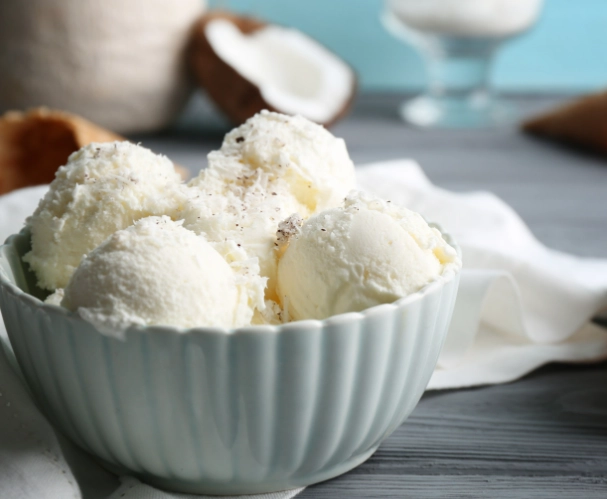
Your Coconut Ice Cream Questions Answered
Over the years, I've gotten tons of questions from friends and readers. Here are the most common ones, with answers based on my experience.
That's it. Give this recipe a shot—start with the basic version, then tweak to your taste. It's forgiving. Share your results; I love hearing how it turns out for others.