Spanish food has this magic. It's not about fussy techniques or impossible-to-find ingredients (mostly). It's about celebrating a few fantastic things—olive oil, garlic, paprika, seafood, good bread—and letting them sing together. I remember my first real paella in Valencia, the socarrat crust at the bottom, the communal pan. I thought I could never make that at home. I was wrong.
You can cook authentic Spanish food. Let's ditch the complicated myths and get to the delicious heart of it.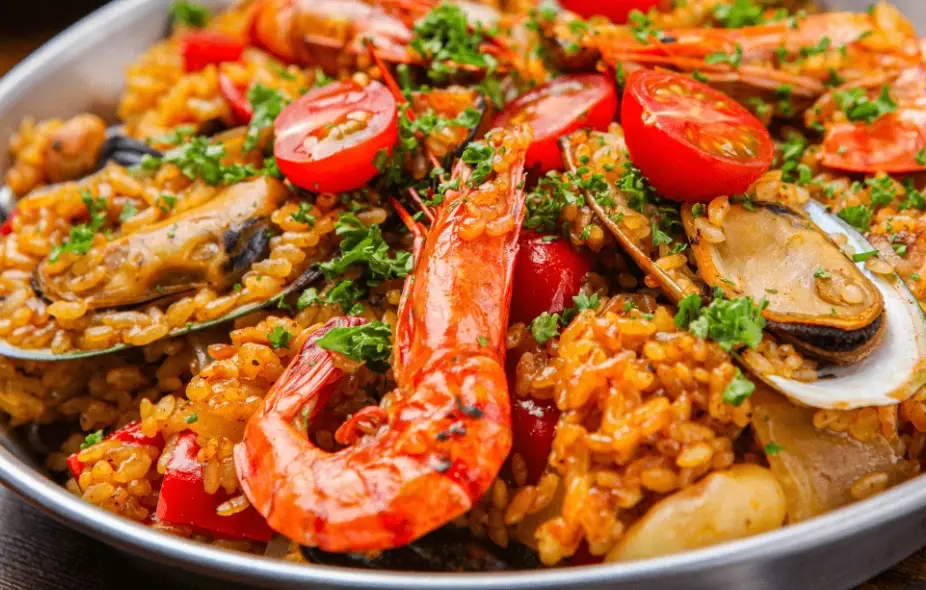
What’s Cooking Inside?
The Soul of Spanish Cooking: Key Ingredients
Get these right, and you're 80% there. This isn't a long list.
Your Spanish Pantry Shortlist
Olive Oil: Extra virgin. Non-negotiable. It's the base for almost everything. Don't use your fancy finishing oil for frying—get a good, affordable EVOO for cooking. The flavor is foundational.
Pimentón (Smoked Paprika): This is the secret weapon. Not the bland, dusty powder. Get Spanish smoked paprika—pimentón de La Vera if you can. It comes in sweet (dulce), bittersweet (agridulce), and hot (picante). Start with sweet. It adds a deep, smoky aroma that screams Spain.
Saffron: Yes, it's pricey. But for paella and some stews, it's essential. Buy threads, not powder. A tiny pinch is often enough. It gives that iconic golden hue and a unique, earthy flavor. No, turmeric is not the same.
Garlic: Fresh, always. Spanish cooking uses a lot of it, often sliced thin or crushed, not always minced to a paste.
Sherry Vinegar & Dry Sherry (Jerez): Sherry vinegar is milder and more complex than red wine vinegar. Dry sherry (like fino or manzanilla) is a brilliant deglazing agent and flavor booster for sauces.
You don't need a pantry full of exotic stuff. With these, some rice, eggs, potatoes, and good produce, you're in business.
How to Make Classic Spanish Paella at Home
Let's tackle the icon. The version here is a Paella de Marisco (Seafood Paella), common in coastal areas. Forget the chorizo and chicken versions for now—that's a different, inland story.
You'll need a paella pan (a wide, shallow, two-handled pan), but a large, wide skillet (at least 13 inches) works in a pinch. The wide surface area is crucial for the rice to cook evenly and form the socarrat.
Ingredients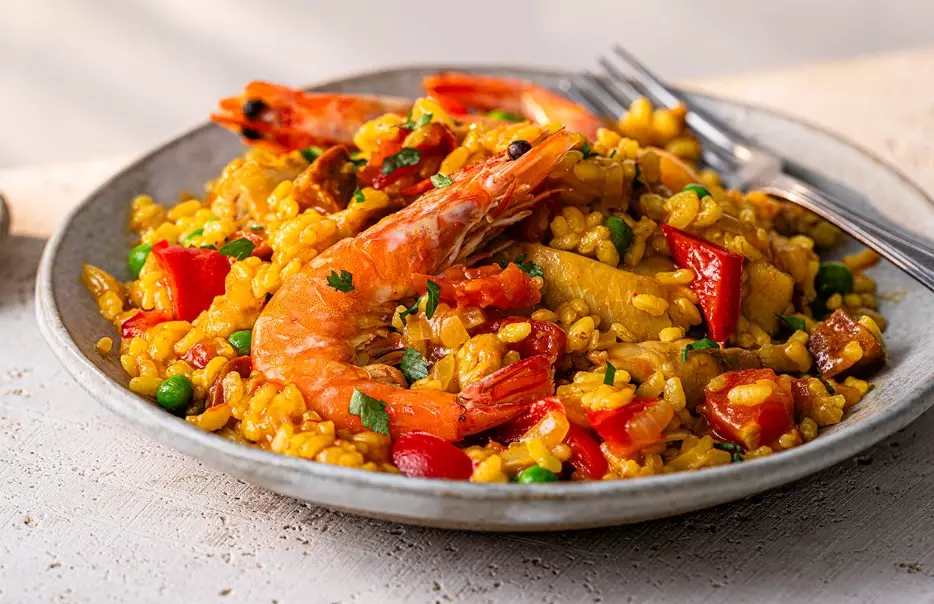
- 4 cups fish or seafood stock (homemade or good quality store-bought)
- 1 large pinch saffron threads (about 1/2 tsp)
- 1/3 cup extra virgin olive oil
- 1 medium onion, finely diced
- 1 red bell pepper, sliced into strips
- 4 cloves garlic, thinly sliced
- 2 ripe tomatoes, grated (or 1 cup canned crushed tomatoes)
- 2 cups Spanish short-grain rice (Bomba or Calasparra are ideal. Arborio works as a substitute.)
- 1 tsp sweet smoked paprika (pimentón dulce)
- 12-16 mussels or clams, scrubbed
- 8 large shrimp/prawns, head-on if possible
- 8-10 squid rings, or 1 small squid cleaned and sliced
- 1 cup frozen peas
- Lemon wedges and chopped parsley for serving
- Salt to taste
The Process: Step-by-Step
- Infuse the broth. Warm the stock in a saucepan. Crumble the saffron threads into it and let it steep off the heat. This "tea" is your flavor and color base.
- Sofrito is everything. In your paella pan over medium heat, heat the olive oil. Add the onion and bell pepper. Cook, stirring, until they soften and the onion is translucent—about 10 minutes. Don't rush this. Add the garlic and cook for another minute until fragrant.
- Build the base. Stir in the grated tomato. Cook it down until the mixture thickens and the oil starts to separate, about 5-7 minutes. This concentrated paste (sofrito) is the flavor foundation. Now, stir in the paprika and cook for just 30 seconds to release its oils.
- Toast the rice. Add the rice. Stir constantly for about 2 minutes, coating each grain in the oily sofrito. You'll hear it crackle slightly. This step seals the rice and prevents it from becoming mushy.
- The critical moment. Pour in the warm saffron-infused broth. Give the pan one good shake to distribute the rice evenly. Add a good pinch of salt. From this point forward, DO NOT STIR. This is the rule. Stirring releases starch and ruins the texture.
- Arrange the seafood. Let the paella cook at a steady medium simmer for about 10 minutes. Then, artfully nestle the shrimp, squid, mussels/clams, and peas into the rice. Let it continue to cook, undisturbed, for another 10-15 minutes.
- Listen for the socarrat. In the last 5 minutes, increase the heat to medium-high for a couple of minutes. You're listening for a faint crackling sound. This is the rice at the bottom caramelizing. If you smell a light toasty aroma, that's perfect. Don't let it burn.
- Rest and serve. Remove from heat. Cover the pan loosely with foil or a clean kitchen towel and let it rest for 5-10 minutes. This allows the rice to absorb any remaining liquid and finish cooking. Garnish with parsley and serve with lemon wedges right from the pan.
Mastering Spanish Tortilla: Beyond the Basics
The Spanish tortilla (tortilla de patatas) is a humble potato and egg omelet. It sounds simple, but the texture debate is a national sport—with onion or without? Runny in the center or fully set? I'm team onion and slightly runny (jugosa).
The "Non-Consensus" Method (with Onion)
Here’s my method, refined after a few disastrous flips and one broken plate.
Ingredients: 4-5 medium waxy potatoes (like Yukon Gold), 1 large onion, 6 large eggs, 1.5 cups olive oil (for frying, you'll drain it), salt.
Peel and thinly slice the potatoes and onion. Heat the olive oil in a deep 8-9 inch non-stick skillet over medium-low heat. Add the potatoes and onion—they should be nearly submerged. Cook gently for 20-25 minutes, stirring occasionally, until the potatoes are tender enough to be pierced easily with a fork but not falling apart. They shouldn't brown.
Drain in a colander, reserving a tablespoon of the flavorful oil. Let the potato-onion mixture cool for a few minutes.
Beat the eggs in a large bowl with a good pinch of salt. Add the warm (not hot) potato mixture and mix gently, crushing the potatoes slightly so they bind with the egg. Let it sit for 10 minutes.
Heat the reserved oil in the same skillet over medium heat. Pour in the egg mixture, spreading it evenly. Cook for 3-4 minutes until the edges are set and the bottom is golden.
The Flip: Place a large plate (bigger than the skillet) upside down over the pan. Hold the plate firmly with one hand, the pan handle with the other. In one confident motion, invert the pan so the tortilla lands on the plate. Slide it back into the pan to cook the other side for another 3-4 minutes. For a runny center, cook less on the second side.
Slide onto a serving plate. It's perfect warm or at room temperature.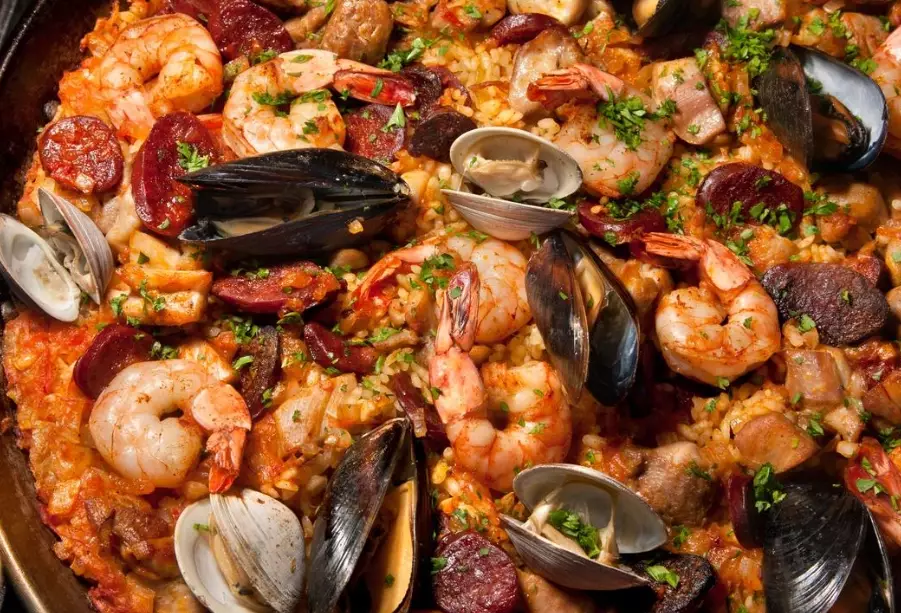
Quick and Flavorful Spanish Garlic Shrimp (Gambas al Ajillo)
This is your 10-minute ticket to Spanish tapas heaven. It's all about timing and heat.
Ingredients: 1/2 pound large raw shrimp, peeled and deveined (tails on), 1/3 cup extra virgin olive oil, 6-8 garlic cloves, thinly sliced, 1-2 small dried red chilies (optional, or a pinch of red pepper flakes), 1 tbsp dry sherry or white wine, 1 tbsp chopped parsley, salt.
Pat the shrimp very dry. Heat the olive oil in a small ceramic cazuela or a heavy skillet over medium heat. Add the garlic and chili. Cook, swirling the pan, until the garlic is just starting to turn golden—about 1 minute. Don't let it brown or it turns bitter.
Immediately add the shrimp in a single layer. Cook for 1 minute per side, just until they turn pink and opaque. They cook fast.
Add the sherry/wine and let it sizzle for 15 seconds. Remove from heat. Stir in parsley and a pinch of salt.
Serve immediately in the hot dish with lots of crusty bread to soak up the incredible garlic oil.
Essential Tips for Spanish Cooking Success
- Rice Matters: For paella, short-grain Spanish rice like Bomba is best. It absorbs three times its volume in liquid without getting mushy. If you use Arborio, reduce the liquid slightly.
- Heat Control: Spanish cooking often starts with medium-low heat for the sofrito (to develop sweetness without burning), then adjusts. Don't blast everything on high.
- Salt Strategically: Salt your cooking water for potatoes, and season your broths well. The rice in paella absorbs salt from the liquid, so season the broth until it tastes good.
- Embrace Room Temperature: Many Spanish dishes, like tortilla and most tapas, are meant to be eaten warm or at room temperature. This takes the pressure off having everything piping hot the second it's done.
Your Spanish Cooking Questions Answered
 Start with the garlic shrimp tonight. It's foolproof. Then maybe tackle the tortilla this weekend. The paella can be a project for when you have friends over. The point is to start cooking. The flavors are robust, the methods are logical, and the reward is a table full of food that feels like a celebration, even on a Tuesday.
That's the real Spanish secret.