In This Guide
- Why Do Vegan Pancakes Go Wrong in the First Place?
- The Core, No-Fail Vegan Pancake Recipe
- Beyond the Basic: Your Vegan Pancake Recipe Playbook
- Fixing Your Vegan Pancake Disasters: A Troubleshooting Guide
- Answers to the Questions You're Probably Googling
- Taking It to the Next Level: Pro Tips I Learned the Hard Way
Let's be honest. The world is full of vegan pancake recipes that promise the moon. Fluffy, light, golden. What you often get is something... different. A sad, dense disc that somehow manages to be both gummy and crumbly. I've been there. I've made pancakes that could double as hockey pucks. My partner once joked that we should keep one for home defense.
Not ideal for a lazy Sunday morning.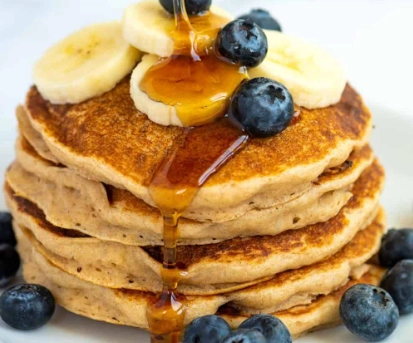
But after what felt like a hundred batches (and a mildly concerned grocery store clerk who saw me buying industrial quantities of baking powder), I cracked the code. It's not about finding one magical egg replacer. It's about understanding how the whole system works together—the flour, the liquid, the acid, the heat. This isn't just a vegan pancake recipe; it's a blueprint for understanding vegan baking. And I'm giving you all the notes so you don't have to eat any more rubbery breakfast failures.
Why Do Vegan Pancakes Go Wrong in the First Place?
Before we get to the good stuff, let's diagnose the common disasters. Eggs in traditional pancakes do a lot of heavy lifting: they provide structure, help with leavening (rise), add fat for tenderness, and bind everything together. When you remove them, you can't just subtract. You have to rebuild the architecture.
The biggest pitfall? Over-mixing. Gluten is the enemy of tenderness. With no eggs to worry about "over-beating," people tend to stir the batter into a smooth, elastic paste. Big mistake. You want a lumpy batter. Lumps are good. Lumps mean you haven't activated all the gluten, which leads to tender, soft pancakes.
Another one is using the wrong flour. All-purpose is fine, but its protein content can vary. I've had better luck with a slightly softer flour, or a blend.
And then there's the leavening. Baking powder is your best friend, but it has a shelf life. If yours is older than six months, it's probably lost its mojo. Your pancakes will be flat, and you'll blame the recipe.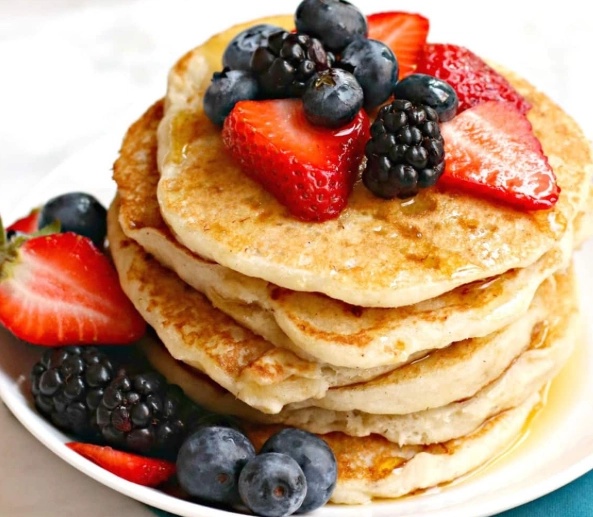
The Core, No-Fail Vegan Pancake Recipe
This is my baseline, my Saturday morning standard. It's simple, uses pantry staples, and works every single time. Memorize this one, and then you can start playing.
Here's what you'll need for about 8 medium pancakes:
- Dry Team: 1 ½ cups (185g) all-purpose flour (spooned and leveled, don't scoop!), 2 tablespoons sugar, 1 tablespoon baking powder (yes, a full tablespoon), ½ teaspoon salt.
- Wet Team: 1 ¼ cups (300ml) plant-based milk. My top pick is unsweetened soy milk for its protein and neutral flavor, but oat milk works great for extra sweetness. 1 tablespoon apple cider vinegar or lemon juice. 1 teaspoon vanilla extract. 3 tablespoons neutral oil (like canola or vegetable), plus more for the pan.
See? No weird ingredients. The vinegar is the secret agent. It curdles the plant milk, making a quick buttermilk substitute that adds tang and reacts with the baking powder for a better rise.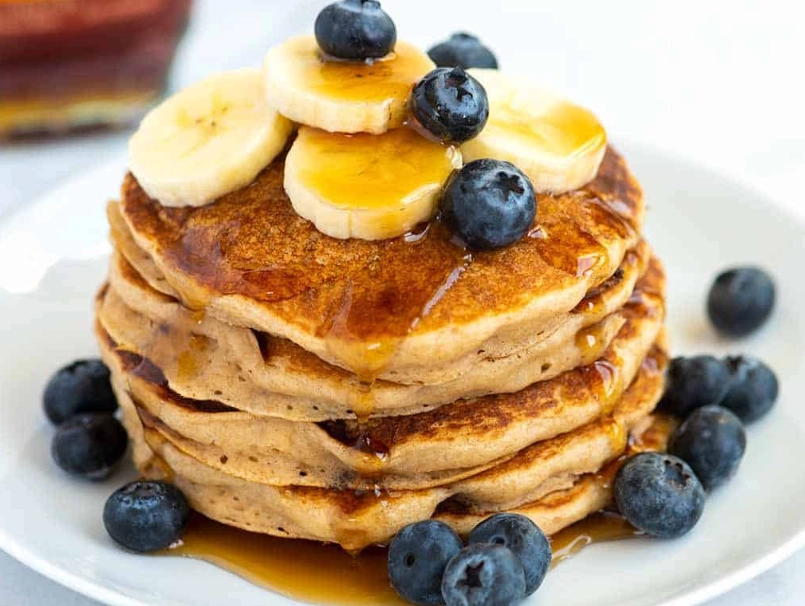
How to Make Them, Step-by-Step (Without Overthinking)
This process is more important than the ingredients list.
- Make the "Buttermilk": In your measuring jug, mix the plant milk and vinegar. Let it sit for 5 minutes. It will look a bit weird and chunky. That's perfect.
- Mix the Dry Stuff: In a large bowl, whisk the flour, sugar, baking powder, and salt. Get it nice and combined. A whisk is better than a spoon here—it aerates the flour.
- The Combine: Create a well in the center of your dry ingredients. Pour in the curdled milk, vanilla, and oil.
- The Critical Move: Use a fork or a whisk and stir. Stir just until the last trace of dry flour disappears. I mean it. STOP. The batter will be thick, gloopy, and full of lumps. Walk away from the bowl. Those lumps will cook out, I promise you. Over-mixing is the #1 cause of tough pancakes.
- Rest: Let the batter sit for 5-10 minutes. This allows the flour to hydrate fully and the baking powder to start bubbling. You'll see little bubbles on the surface. Good bubbles.
Now for the cooking, which is another place people mess up.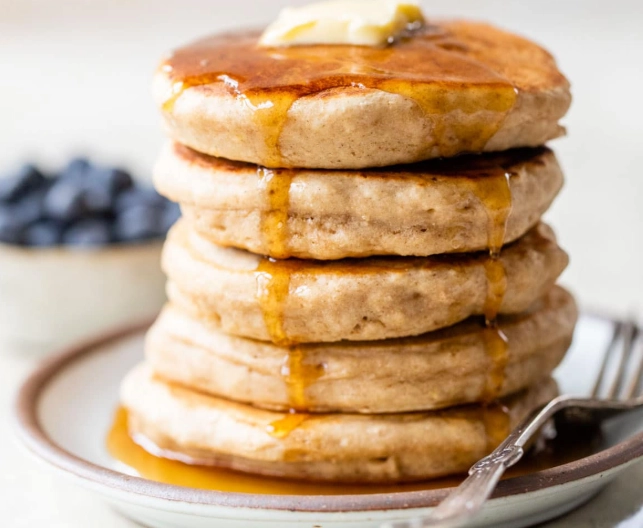
Lightly grease the pan with oil. I use a paper towel to wipe a tiny amount around. Pour about ¼ cup of batter. Don't spread it. Let it be a blob.
Now, wait. Be patient. You'll see bubbles form on the surface and the edges will start to look set and dry. This is your sign. Slide your spatula underneath and flip. It should be a deep golden brown. The second side cooks faster, usually about half the time.
That's it.
Serve them immediately. Pancakes are best eaten straight from the pan. If you must keep a stack warm, put them on a wire rack in a single layer in a 200°F (95°C) oven. Stacking them steams them and makes them soggy.
Beyond the Basic: Your Vegan Pancake Recipe Playbook
Once you've mastered the basic vegan pancake recipe, the world is your oyster (mushroom). Here’s where you can get creative and solve specific breakfast desires.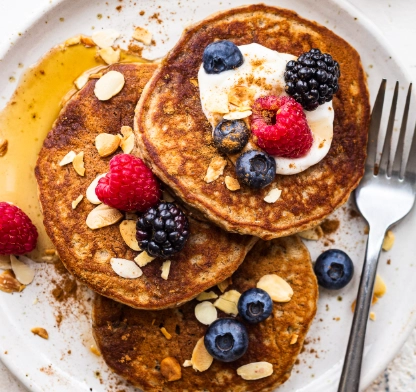
Flour Power: Swapping for Dietary Needs
All-purpose flour isn't the only game in town. Swapping flours changes the texture and nutritional profile. Here’s a quick guide—this took me ages to test, so use it wisely.
| Flour Type | How to Use It | Result & My Notes |
|---|---|---|
| Whole Wheat Pastry Flour | Replace all-purpose 1:1. | Heartier, nuttier flavor, slightly denser but still tender. Adds fiber. My go-to for a "healthier" feel. |
| Spelt Flour | Replace all-purpose 1:1. | Light, slightly sweet. Easier to digest for some. The batter will be thicker, so you may need a splash more milk. |
| Gluten-Free Blend (1-to-1 style) | Replace all-purpose 1:1. Add ¼ tsp xanthan gum if your blend doesn't have it. | Works surprisingly well! The texture is a bit more delicate and cakey. Bob's Red Mill 1-to-1 is my favorite for this. |
| Oat Flour | Replace UP TO ½ of the all-purpose flour. | Very moist and dense. Don't do 100% oat flour—they'll be gummy. Great for adding chewiness. |
The Egg Replacer Deep Dive
The acid + milk combo is my favorite, but it's not the only player. Different replacers give different results.
- Flax or Chia Egg: (1 tbsp ground seed + 3 tbsp water = 1 "egg"). Adds fiber and a nutty flavor, creates a more substantial, slightly gelatinous texture. Great for whole-grain pancakes. Can make them a bit darker.
- Mashed Banana (¼ cup): Adds sweetness and moisture. Makes the pancakes very tender and cake-like, with a distinct banana flavor (obviously). Can make them brown faster. Don't use if you want neutral flavor.
- Unsweetened Applesauce (¼ cup): Similar to banana but with a milder flavor. Keeps things incredibly moist. Reduce other liquids slightly (start with 1 cup milk).
- Commercial Egg Replacer (like Bob's Red Mill): Follow package instructions. Tends to be reliable for structure but can have a slight aftertaste if you use too much. Good for when you want zero flavor interference.
Flavor & Mix-In City
This is the fun part. Add these to the dry ingredients before mixing.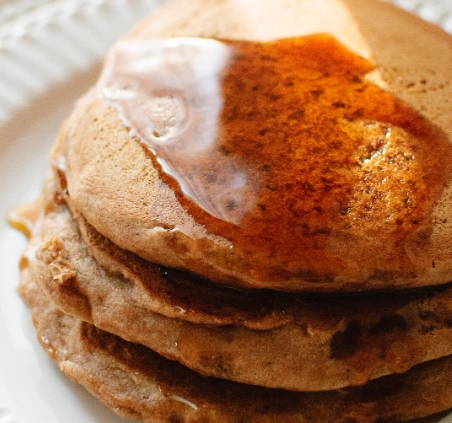
For savory vegan pancakes (yes, they exist!), reduce the sugar to 1 tsp and add: chopped scallions, corn kernels, black pepper, and a pinch of smoked paprika. Serve with vegan sour cream and salsa. A game-changer for brunch.
Fixing Your Vegan Pancake Disasters: A Troubleshooting Guide
Even with a great recipe, things happen. Here’s how to fix the most common issues.
Problem: Pancakes are raw in the middle.
Fix: Your pan is too hot. The outside burns before the inside cooks. Turn the heat down to medium-low. Also, make sure you're not making them too thick. Use a slightly thinner batter or spread it a tiny bit with the back of your spoon.
Problem: Pancakes are flat, no rise.
Fix: Old baking powder. It's usually the culprit. Test it: mix ½ tsp with ¼ cup hot water. It should fizz violently. If not, toss it. Also, don't press down on the pancakes with your spatula! You're squeezing the air out.
Problem: They're too dense and gummy.
Fix: You over-mixed the batter. Next time, stop sooner. Also, letting the batter rest is non-negotiable. It gives the gluten strands a chance to relax.
Problem: They stick to the pan horribly.
Fix: Your pan isn't hot enough before adding batter, or you're using too little fat. Let the pan preheat properly. A well-seasoned cast iron is virtually non-stick once it's hot.
Answers to the Questions You're Probably Googling
Can I make the batter the night before?
You can, but I don't love it. The baking powder will activate overnight and lose power by morning, leading to flatter pancakes. Better to mix the dry and wet ingredients separately the night before, then combine in the morning.
Can I freeze vegan pancakes?
Absolutely! They freeze better than traditional ones, in my opinion. Let them cool completely on a wire rack. Place them in a single layer on a baking sheet to freeze solid (1-2 hours), then transfer to a freezer bag. They'll keep for 2-3 months. Reheat in a toaster or a 350°F oven until warm and crisp.
Why are my pancakes always pale, not golden brown?
You might need a touch more sugar. Sugar promotes caramelization and browning. Bump it up to 3 tablespoons. Also, make sure your pan is hot enough.
What's the best plant milk for pancakes?
For structure and neutral flavor: soy milk. For richness and sweetness: oat milk or cashew milk. For a lighter texture: almond milk. Avoid canned coconut milk (too thick) or sweetened varieties unless you want extra sugar.
Are vegan pancakes healthier?
They can be, as they are naturally cholesterol-free and often lower in saturated fat. But "healthier" depends on your whole recipe. Using whole grain flours, less sugar, and nutrient-dense add-ins boosts the nutritional profile. For reliable information on plant-based nutrition, I sometimes cross-reference with resources from established organizations like the Physicians Committee for Responsible Medicine, which aggregates scientific research on plant-based diets.
Taking It to the Next Level: Pro Tips I Learned the Hard Way
These aren't necessary, but they make a noticeable difference.
- Sift your dry ingredients. It seems fussy, but it incorporates air and breaks up any lumps in the baking powder, ensuring even rise.
- Invest in an infrared thermometer. Sounds overkill, but knowing your pan surface is exactly 375°F (190°C) takes all the guesswork out. Perfect pancakes every time.
- Use a ladle or measuring cup with a spout for consistently sized pancakes. It makes flipping easier.
- For ultra-fluffy pancakes, separate the plant milk. Use half to make the buttermilk with vinegar, and whip the other half with a hand frother or small whisk until slightly foamy before adding. Fold it in at the very end. More air = more fluff.
The truth is, a great vegan pancake recipe is less about following instructions like a robot and more about understanding the principles. Once you get why the vinegar works, why you need that rest, and why a hot pan is non-negotiable, you can adapt any recipe. You can invent your own.
So go on.
Grab that bowl, curdle that milk, and embrace the lumps. Your perfect stack of fluffy, golden, decidedly non-hockey-puck vegan pancakes is waiting. And if you have a flop? Don't stress. Call it a "deconstructed pancake bowl," drizzle some syrup on it, and try again next weekend. I've eaten my share of those bowls, and I can tell you—they still taste pretty good with enough maple syrup.