Let's be honest. The thought of making burek from scratch can be intimidating. All those layers, that mysterious dough, the fear of a soggy bottom. I get it. My first attempt years ago looked more like a savory pancake than the glorious, flaky pie I remembered from a trip to Sarajevo. But after countless trials, errors, and tips from a Bosnian friend's grandmother, I cracked the code. Making authentic burek is not about magic; it's about understanding a few key techniques. This guide will walk you through the entire process, demystifying each step so you can confidently create this Balkan masterpiece in your own kitchen.
What You'll Find Inside
What Exactly Is Burek?
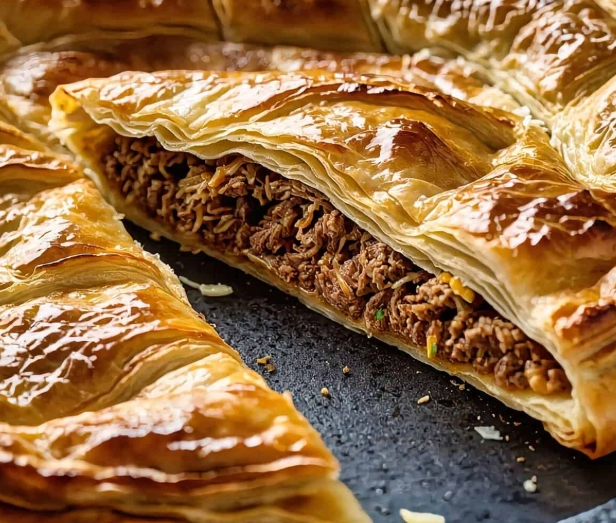
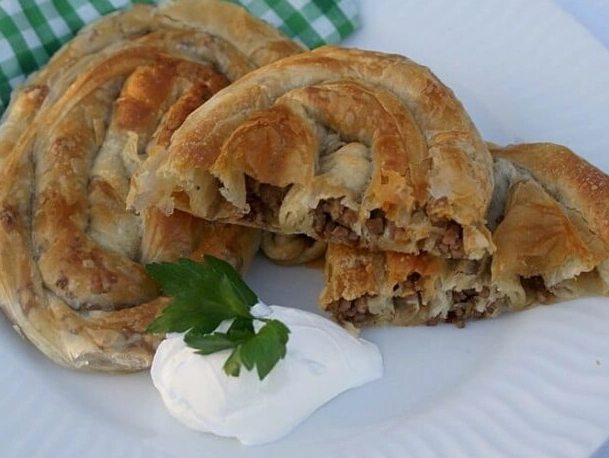
Burek (also spelled Burek, Börek) is a family of baked, filled pastries made with thin, flaky dough known as phyllo or jufka. It's a culinary pillar across the Balkans, Turkey, and the Levant. The most iconic version, especially in Bosnia, Serbia, and Croatia, is a large, coiled or layered pie, often filled with ground meat (beef or lamb), cheese (like feta or sirene), or spinach. The magic is in the texture: hundreds of paper-thin layers that shatter with a crisp, golden exterior, giving way to a moist, savory filling.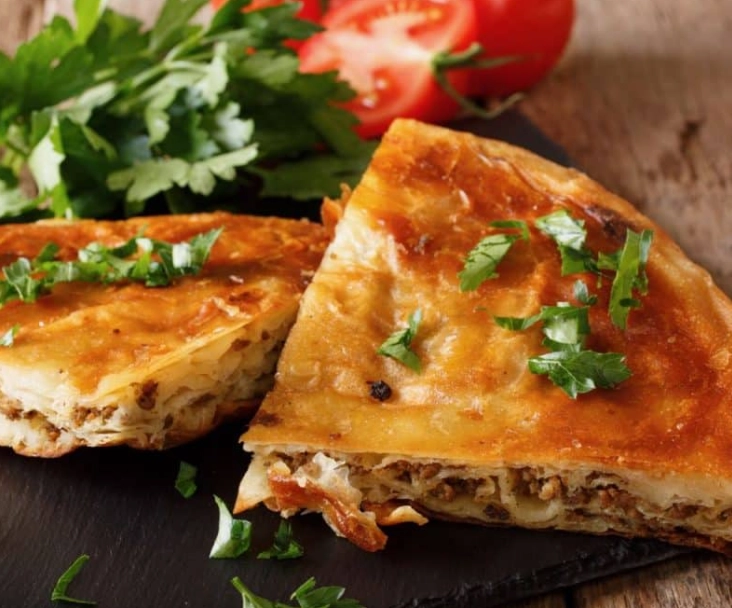
It's street food, comfort food, and celebration food all in one. You'll find it in dedicated shops (buregdžinica) across the region, sold by weight, often accompanied by a glass of yogurt. The history is rich and debated, tracing back through the Ottoman Empire, as noted by food historians like those referenced on Wikipedia's Börek page. But for us home cooks, the history is less important than the delicious result.
Gathering Your Ingredients & Tools
You don't need fancy equipment, but having the right setup makes the process smoother. First, clear a large workspace. You'll need room to roll and handle the dough.
Essential Tools
A large, rimmed baking sheet (like a half-sheet pan) or a round baking pan. A rolling pin. A good brush for oiling (silicone works well). A large bowl for filling. A sharp knife. That's basically it. A stand mixer with a dough hook is helpful but not essential.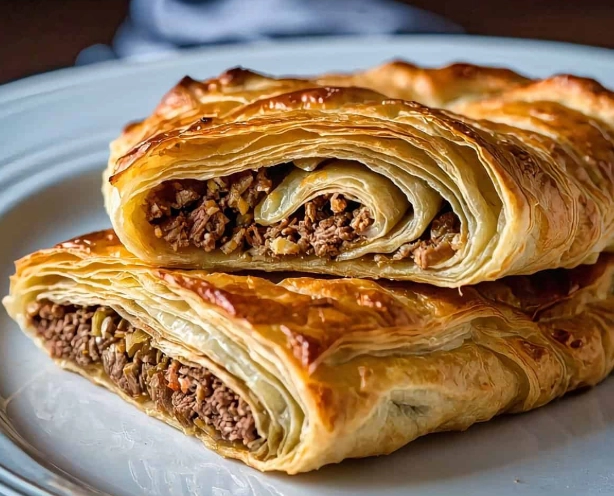
The Ingredient Breakdown
Quality here matters. For the dough, you have two paths: homemade or store-bought phyllo. Homemade yields a more authentic, slightly thicker and chewier layer. Store-bought is a fantastic, flaky shortcut. I'll give instructions for a simple homemade dough, but I'll also tell you exactly how to adapt if you're using the frozen stuff.
| For the Dough (Homemade) | For the Meat Filling (Classic) | Other Essentials |
|---|---|---|
| 500g all-purpose flour | 500g ground beef or lamb (or mix) | 250-300ml neutral oil (sunflower) or melted butter |
| 1 tsp salt | 2 medium onions, finely chopped | 1 cup plain yogurt (for serving) |
| 250ml warm water | 2 tbsp vegetable oil | Salt & black pepper |
| 1 tbsp vinegar or lemon juice | 1 tsp salt | Optional: 1 egg for egg wash |
| 2 tbsp vegetable oil | 1/2 tsp black pepper |
The Step-by-Step Burek Making Process
1. Prepare the Filling First
This is non-negotiable. The filling must be completely cooled before it touches the dough. A warm filling releases steam and makes the layers soggy.
Heat oil in a pan, sauté the onions until soft and translucent. Add the ground meat, breaking it up with a spoon. Cook until the meat is no longer pink and any released liquid has evaporated. Season with salt and pepper. Let it cool in a wide bowl to speed up the process. If you're using a spinach or cheese filling, the same rule applies: cook off all excess moisture and cool it down.
2. Make & Rest the Dough (The Key to Elasticity)
In a large bowl, mix flour and salt. Make a well, add warm water, oil, and vinegar. Mix until a shaggy dough forms. Turn it onto a floured surface and knead for 8-10 minutes. You want it smooth and elastic. This kneading develops gluten, which allows you to stretch the dough later without it tearing.
Divide the dough into 6-8 equal balls. Brush each ball lightly with oil, place them on a tray, cover with a damp cloth or plastic wrap, and let rest for at least 30 minutes. This rest period relaxes the gluten, making the dough incredibly pliable. This is the step most beginners rush. Don't.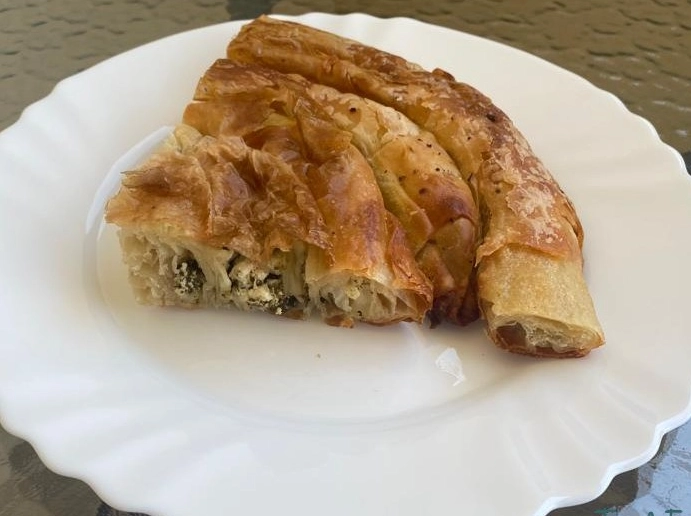
3. The Stretch & Layer Technique
This is the heart of the burek recipe. Preheat your oven to 200°C (400°F). Brush your baking sheet generously with oil.
Take one dough ball, flatten it slightly on a floured surface. Start rolling it out into a large, thin rectangle or circle. Then, the fun part: gently pick it up and start stretching it with the backs of your hands, like you're stretching a pizza dough. Work your way around, letting gravity help. Aim for near-transparency. It's okay if you get a small hole; you'll be layering.
Drape this enormous, thin sheet over your oiled pan, letting the excess hang over the edges. Brush the entire surface with oil. This oil between every layer is what creates the separation and flakiness.
Repeat with the second ball. Drape it over the first, brush with oil. Do this with 3-4 sheets. Now, spread a portion of your cooled filling evenly over this stack. Fold the overhanging edges of the dough over the filling.
Continue with the remaining dough balls: stretch, drape, brush with oil. Add another layer of filling after every 3-4 sheets. The final layer should be dough. Tuck in any messy edges.
Using Store-Bought Phyllo? The process is identical. Take a sheet, lay it in the pan, brush with oil, repeat for 4-5 sheets, add filling, and continue. Keep the unused sheets under a damp towel to prevent drying.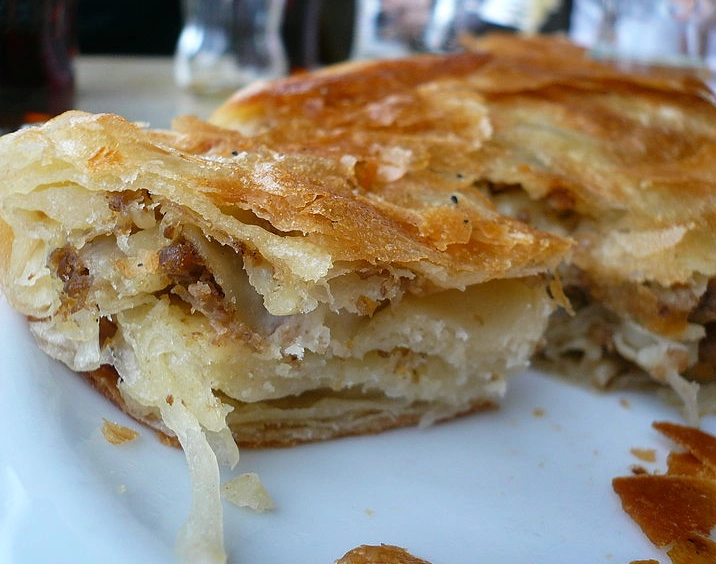
4. Baking to Golden Perfection
Before baking, you can brush the top with an egg wash (1 egg + 1 tbsp water) for a deeper golden shine, or just use oil. Using a sharp knife, score the top into portion-sized squares or diamonds—this makes it easier to cut later.
Bake in the preheated oven for 10 minutes at 200°C (400°F), then reduce the temperature to 180°C (350°F) and bake for another 30-40 minutes. It's done when the top is deeply golden brown and crisp. If the top browns too fast, loosely tent it with foil.
Troubleshooting: Common Problems & Fixes
Problem: Soggy, doughy bottom.
Likely Cause: Not enough oil on the very first layer on the pan, or an under-heated oven. Ensure the pan is well-oiled and preheated properly.
Problem: Layers are fused together, not flaky.
Likely Cause: Skimping on the oil/butter between layers. Be generous with that brush. Also, ensure your filling is dry and cool.
Problem: Dough tears easily when stretching.
Likely Cause: Dough didn't rest enough, or the flour is too weak. Ensure a full 30-minute rest. Using bread flour can add extra strength for stretching.
Serving, Storing, and Reheating Like a Pro
Let the burek rest for 10-15 minutes after pulling it from the oven. This lets the layers set, making it easier to cut cleanly.
Serve it with a side of plain, full-fat yogurt. It's the classic accompaniment that cuts through the richness. A simple tomato and cucumber salad on the side is perfect.
Leftovers keep well in the fridge for 3-4 days. To reheat, never use the microwave. It turns it into a sad, soft mess. Use a toaster oven or regular oven at 175°C (350°F) for 10-15 minutes to restore the crunch. You can also freeze baked or unbaked burek for up to 3 months.