Ever wonder how Filipino street food stalls manage to make their grilled chicken so incredibly juicy and packed with flavor? The secret lies in a dish called Chicken Inasal, a staple that has transcended its humble origins to become a national treasure.
Forget the dry, bland chicken breast you might be used to. This recipe is about achieving that perfect balance of tangy, savory, and slightly smoky notes that define true Chicken Inasal. It's a process, yes. But it's a process that rewards you with every single bite.
What You'll Find in This Guide
- What is Chicken Inasal? (It's Not Just "Grilled Chicken")
- The Non-Negotiable Ingredient That Makes All The Difference
- Ingredients You Need (And What You Can Skip)
- The Marinade: A Step-by-Step Breakdown
- How to Grill Chicken Inasal (Without Burning It)
- How to Serve Chicken Inasal: The Traditional Way
- Your Questions About Chicken Inasal Recipe, Answered
What is Chicken Inasal? (It's Not Just "Grilled Chicken")
Let's get this straight from the beginning. Many recipes you find online will tell you that Chicken Inasal is simply "grilled chicken with a lemongrass and vinegar marinade." That's like saying a Ferrari is just a "red car with wheels." It misses the point entirely.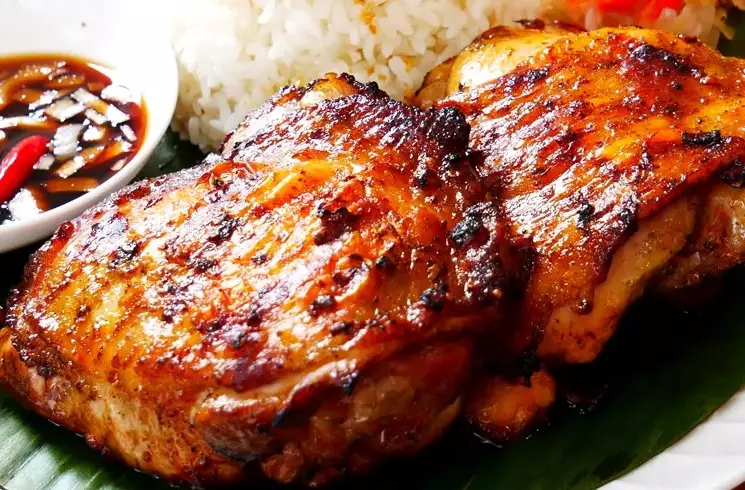
The real magic of Chicken Inasal lies in two specific, non-negotiable elements that most beginners (and even some experienced cooks) overlook:
1. Annatto Oil (Achuete Oil)
This is the non-negotiable ingredient that gives Chicken Inasal its signature orange-red color and a subtle, earthy flavor that is impossible to replicate with anything else. You can make it by steeping annatto seeds in vegetable oil over very low heat, or you can buy it ready-made. Without it, you're just making grilled chicken.
2. The Balance of Sour and Salty
The second element is the marinade itself. It's not just a mixture of vinegar and soy sauce. The authentic version uses a specific ratio of cane vinegar (or coconut vinegar) to lemon juice (or calamansi), along with a generous amount of crushed garlic and black pepper. This creates a unique, tangy, and savory profile that penetrates the meat deeply.
Many recipes get this wrong by either overdoing the vinegar or underplaying the garlic. The result is chicken that tastes either too harsh or bland. The key is to find that sweet spot where the flavors are bold but not overwhelming.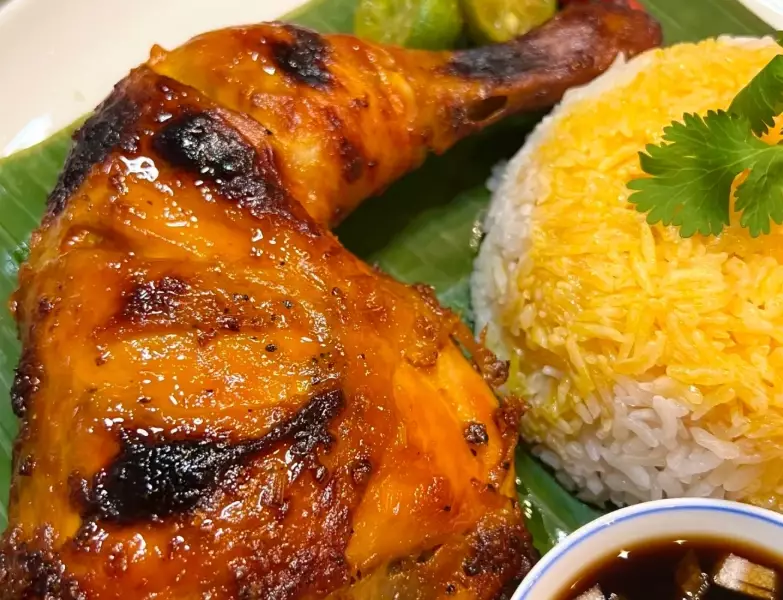
The Non-Negotiable Ingredient That Makes All The Difference
I've seen countless recipes fail because they either skip the annatto oil altogether or use a poor-quality substitute. Let me tell you, the difference is night and day. Annatto oil is what gives the chicken its characteristic color and that subtle, earthy undertone. If you don't have it, don't bother trying to make Chicken Inasal. You'll just end up with grilled chicken, which is fine, but it's not the same.
That subtle earthiness? That's the annatto. It's not just about color. It's about flavor. A common mistake is to use too much, which can make the oil taste bitter. You want just enough to coat the chicken, not drown it. A light brushing is all that's needed.
Ingredients You Need (And What You Can Skip)
Here's a list of what you'll need for the marinade and the basting sauce. I'll also mention some common substitutions and why they might not work as well.
For the Marinade:
- Chicken: 2 kg of chicken leg quarters (thighs and drumsticks attached, with skin on). The fat under the skin bastes the meat during grilling, preventing it from drying out.
- Cane Vinegar: 1 cup. This is the primary souring agent. Don't substitute with white vinegar; it's too harsh and will overpower the other flavors.
- Lemon Juice (or Calamansi): ½ cup. This adds a bright, citrusy note that balances the vinegar's acidity.
- Crushed Garlic: 8 cloves, minced. Fresh is best, but pre-minced will work in a pinch.
- Black Pepper: 2 tablespoons, freshly ground. This provides the heat and aroma.
- Soy Sauce: ½ cup. Use a light soy sauce for a less salty, more balanced flavor. Dark soy sauce will make the marinade too dark and can burn easily on the grill.
- Brown Sugar: ¼ cup. This helps with caramelization during grilling and adds a touch of sweetness to balance the sour and salty.
- Annatto Oil (Achuete Oil): ¼ cup. See above.
- Salt: 1 tablespoon. Adjust to your taste, but remember, the soy sauce already contains salt.
- Lemongrass: 2 stalks, bruised and finely chopped. This is essential for the aromatic, lemony flavor. If you can't find fresh lemongrass, use lemongrass paste, but adjust the amount as it's more concentrated.
The Marinade: A Step-by-Step Breakdown
The process of making the marinade is just as important as the ingredients themselves. Here's how to do it right:
- Crush the Garlic: Don't just mince it. Crush it with the side of a knife or a garlic press to release the allicin, which gives it that pungent, aromatic flavor that is key to the dish.
- Mix the Dry Ingredients: In a large bowl, combine the black pepper and salt. This ensures even distribution.
- Add the Wet Ingredients: Slowly pour in the vinegar, lemon juice, and soy sauce, whisking constantly to avoid lumps.
- Incorporate the Annatto Oil: Finally, add the annatto oil and whisk until everything is well combined and smooth.
Now, here's a tip that most recipes don't tell you: Let the marinade sit for at least 10 minutes before you add the chicken. This allows the flavors to meld and develop more fully, resulting in a more complex and nuanced flavor profile in the final dish.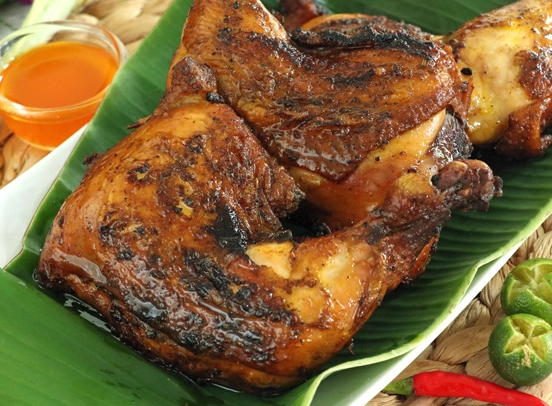
How to Grill Chicken Inasal (Without Burning It)
Grilling is the most critical step. Get this wrong, and you've wasted all the effort of the marinade. The goal is to achieve a beautiful, dark char on the outside while keeping the inside juicy and tender.
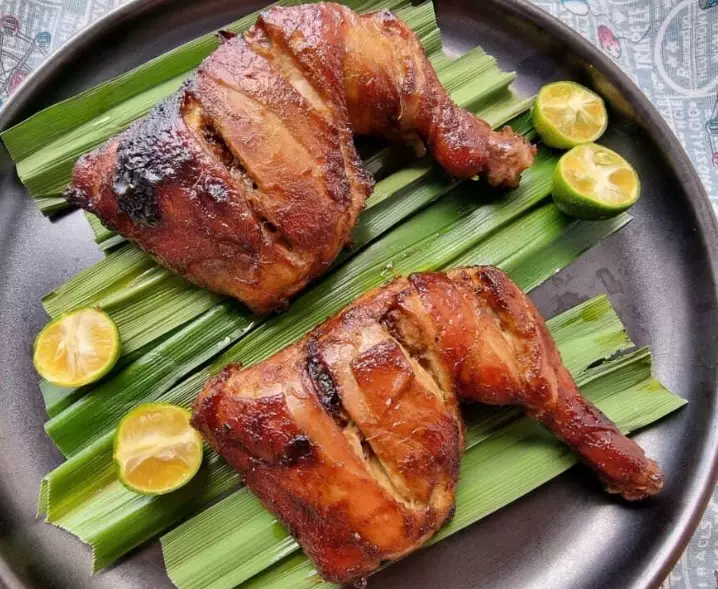
The best way to do this is to use a two-zone fire on your grill. Coals should be piled on one side only, creating a hot zone for searing and a cooler zone for indirect cooking. Sear the chicken over the hot zone for color and grill marks, then move it to the cooler side to finish cooking through without the exterior charring.
Constantly brush with the marinade during this stage—the sugar in the marinade is what burns, so the brushing acts as a heat barrier, protecting the meat from the direct flames and preventing it from drying out.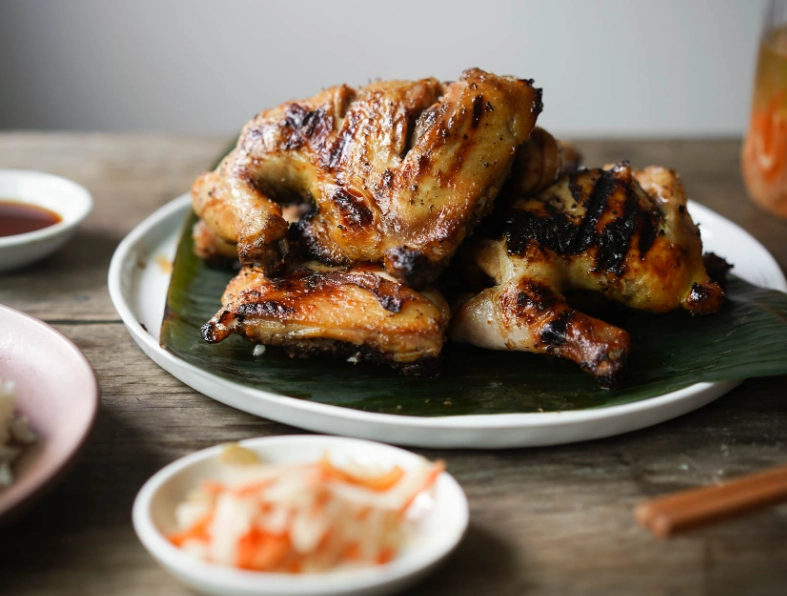
How to Serve Chicken Inasal: The Traditional Way
Traditionally, Chicken Inasal is served with two main accompaniments:
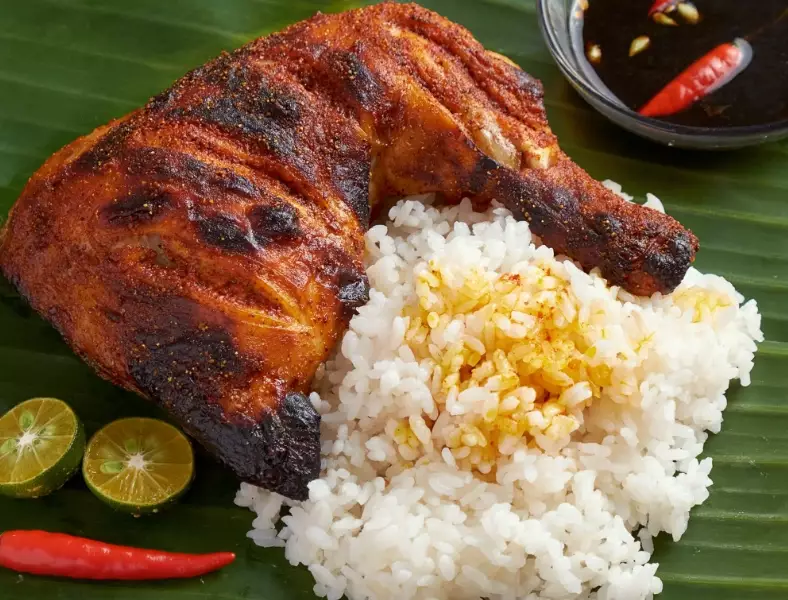
- Steamed Rice: Plain, white rice is the standard. It soaks up the extra marinade and juices from the chicken.
- Chicken Oil Rice (Java Rice): This is a richer, more flavorful option where the rice is cooked in the oil and drippings left from grilling the chicken. It's a popular variation that adds an extra layer of flavor.
But really, the best way to serve it is however you like it. Want to eat it straight off the skewer with your hands? Go for it. Prefer to use a fork and knife? That's fine too. The point is to enjoy it.
Your Questions About Chicken Inasal Recipe, Answered
Over the years, I've received countless questions about making Chicken Inasal. Here are the most common ones, along with my honest answers based on my experience.
Conclusion
Making authentic Chicken Inasal at home is not difficult, but it does require attention to detail and a willingness to respect the traditional process. By following these steps and avoiding the common pitfalls I've outlined, you can produce a dish that is not only delicious but also true to its origins.
Remember, the goal is not to achieve perfection on the first try. It's about learning and improving with each attempt. Don't be afraid to experiment with the marinade ingredients or the grilling technique to find what works best for you and your taste.
And most importantly, enjoy the process. The smell of the chicken grilling over the coals, the sound of the sizzling, the anticipation of that first bite—it's all part of the experience. So fire up your grill, gather your ingredients, and get ready to make some of the best grilled chicken you've ever tasted.