In This Guide
- What Exactly Are Bao Buns? A Quick Bite of History
- The Foundation: Your Bao Bun Recipe Toolkit
- The Step-by-Step Bao Bun Recipe Process (No Fear)
- Filling Ideas: From Classic to Creative
- Why Did My Bao Buns Fail? Troubleshooting Guide
- Make-Ahead and Storage Tips (Because Life is Busy)
- Frequently Asked Questions About Bao Bun Recipes
- Taking Your Bao Further: Resources & Inspiration
Let's be honest. The first time I tried a bao bun recipe from a random blog, it was a disaster. The dough was tough, the buns didn't puff up, and they came out of the steamer looking sad and dense. I almost gave up. But then I started asking my friend's grandma, who's been making them for sixty years, a bunch of annoying questions. I also dug into some real food science resources. What I found out changed everything. It's not magic, it's just a few simple things most recipes gloss over.
This guide is everything I wish I had when I started. We're going beyond just a list of ingredients and steps. We'll talk about the why, the common pitfalls (I've hit most of them), and how to adapt this basic bao bun recipe to make it your own. Whether you want classic char siu bao, fluffy gua bao for pork belly, or even a dessert version, it all starts with mastering this dough.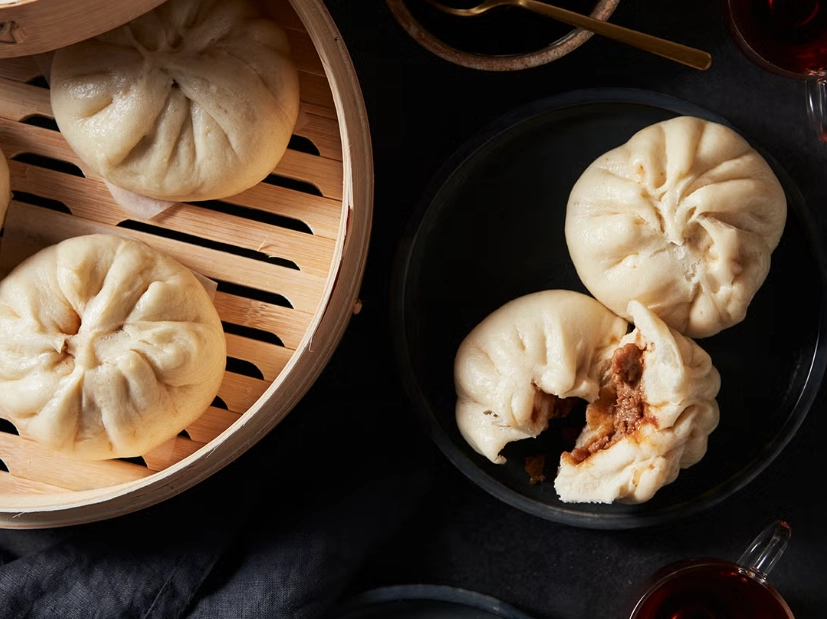
So, what's the big secret? It's not one thing. It's the combination of the right flour, proper proofing, and gentle handling. Get those right, and you're 90% there. The filling is the easy part.
What Exactly Are Bao Buns? A Quick Bite of History
Before we get our hands sticky, let's clear up a common confusion. "Bao" or "baozi" generally refers to a filled, steamed bun. The ones that are split open to hold fillings like braised pork belly are often called "gua bao" or "lotus leaf buns" because of their fold. For this bao bun recipe, we're focusing on the soft, slightly sweet, pillowy white dough that works for both filled buns and open-faced sandwiches. This style has its roots in Chinese cuisine but has exploded in popularity worldwide, popping up in fusion restaurants everywhere.
I think their universal appeal comes from that texture. A good steamed bun is cloud-like, tender but with enough structure to hold a juicy filling without falling apart. It's a vehicle for flavor, but a crucial one.
The Foundation: Your Bao Bun Recipe Toolkit
You don't need fancy equipment, but the right ingredients make a world of difference. Here’s the breakdown.
The Core Ingredients (And Why They Matter)
This isn't just a shopping list. Understanding the role of each component will help you troubleshoot later.
- Flour: This is the biggest debate. All-purpose flour works in a pinch, but for the best chewy-yet-soft texture, low-protein cake flour or Hong Kong flour is the traditional choice. Bread flour will make them too chewy. I use a 50/50 blend of all-purpose and cake flour for a reliable result. The King Arthur Baking flour guide is a great resource if you want to dive deeper into protein content.
- Yeast: Instant yeast is your friend. It doesn't need to be dissolved first, which saves a step. Make sure it's not expired! That's a classic fail point.
- Liquid: Usually a mix of milk (or water) and a fat like oil or lard. Milk gives a richer color and softer crumb. Lard, used traditionally, creates an incredible flakiness. Neutral oil is a fine, accessible substitute.
- Sugar: It's not just for sweetness. Sugar feeds the yeast and helps with browning. Don't skip it.
- Leavening Agent: A small amount of baking powder, used in addition to yeast, is the hidden trick. It gives that extra lift and ensures an open, airy texture. Some recipes use it, some don't. I'm firmly in the "use it" camp after side-by-side tests.
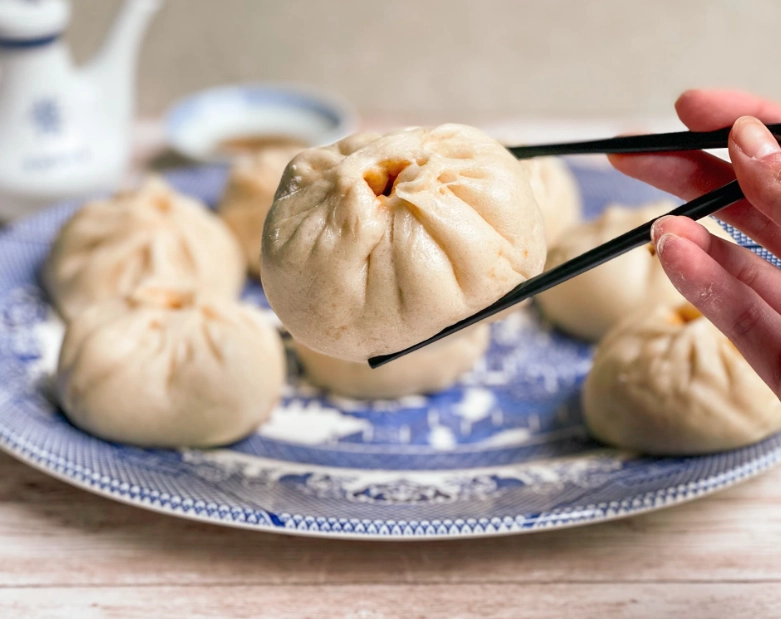
Here's a quick comparison of flour types, because getting this right solves half your problems.
| Flour Type | Protein % (Approx.) | Best For | Result in Bao |
|---|---|---|---|
| Cake Flour / Hong Kong Flour | 7-9% | Delicate, tender cakes | Very soft, light, classic texture |
| All-Purpose Flour | 10-12% | General baking | Good, slightly more chew |
| Bread Flour | 12-14% | Bread, pizza dough | Too chewy, dense bao |
| 50/50 AP & Cake Flour | ~9-10% | Home compromise | Excellent balance of softness and structure |
The Step-by-Step Bao Bun Recipe Process (No Fear)
Alright, let's make some dough. I'll walk you through it like I'm talking to a friend in the kitchen.
Mixing and Kneading: Building the Glove
Combine your dry ingredients first—flour, sugar, instant yeast, baking powder, a pinch of salt. Whisk it. Then add your warm liquid (milk or water, around 100-110°F, not hot) and fat. Mix until it comes together into a shaggy mass.
Now, knead. You can use a stand mixer with a dough hook for about 8 minutes, but I often do it by hand. It's therapeutic. You're aiming for a smooth, slightly tacky but not sticky dough. It should feel soft and pliable, like a baby's cheek (weird analogy, but accurate). If it's sticking to the bowl like glue, add a tablespoon of flour. If it's dry and cracking, add a teaspoon of liquid. This stage is about feel, not just time.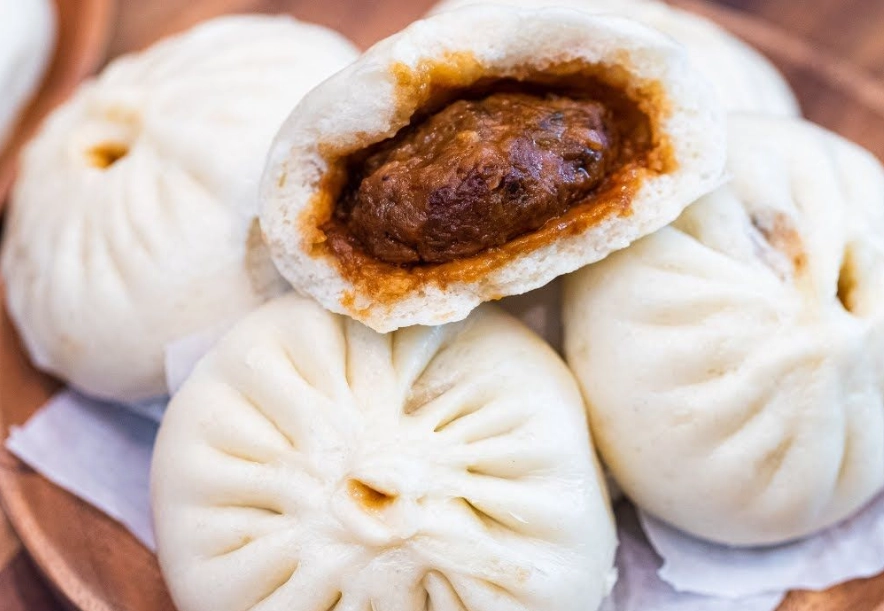
Pro Tip: The "windowpane test" is useful here. Take a small piece of dough and gently stretch it. If you can stretch it thin enough to see light through it without it tearing immediately, your gluten is well-developed. That's what gives the bun its pull-apart quality.
The First Proof: Let It Rise
Place the dough in a lightly oiled bowl, cover it with a damp cloth or plastic wrap, and let it rise in a warm, draft-free spot. This is the first proof. Don't rush it. It should double in size, which can take 1 to 1.5 hours depending on your kitchen's warmth.
How do you know it's ready? Poke it with a floured finger. If the indentation remains and doesn't spring back quickly, it's good to go. If it springs back fast, it needs more time.
Shaping Your Buns: The Fun Part
Punch the dough down to release the gas. Turn it out onto a lightly floured surface. Now, you have choices.
For Closed, Filled Buns (Baozi): Roll the entire dough into a long log and cut it into equal pieces (like 12-16). Roll each piece into a circle, leaving the center thicker than the edges. Place your filling in the center, then pleat and pinch it closed. It takes practice—my first ones looked like deflated aliens. Place them on individual small squares of parchment paper.
For Open-Faced Gua Bao: This is what my favorite bao bun recipe usually makes. Roll and cut as above. Take each piece and roll it into a thick oval. Brush the top lightly with oil, then fold it over. This oil layer is crucial—it stops the two sides from fusing during steaming. Place these on parchment squares too.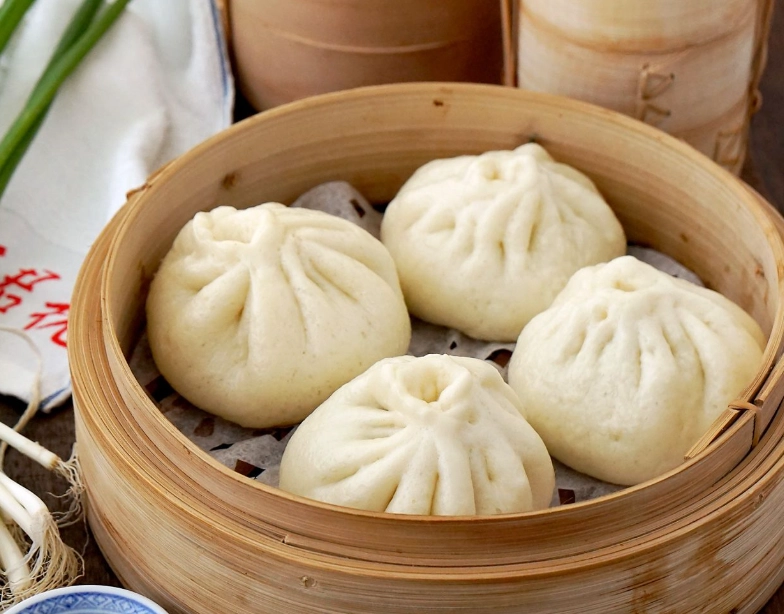
Common Shaping Mistake: Don't use too much flour when rolling, or the dough won't seal properly for filled buns. And for gua bao, don't skip the oil on the inside fold!
The Second Proof: The Patience Payoff
This step is non-negotiable. After shaping, let the buns rest again, covered, for 30-45 minutes. They won't double, but they will puff up noticeably. This final proof relaxes the gluten and ensures a light final product. If you steam them now, they'll be dense.
You can see them relax and expand. It's satisfying.
Steaming: The Grand Finale
Get your steamer ready. Use a pot with a tight-fitting lid and a steaming rack. Bring the water to a rolling boil. Then, reduce it to medium heat—this is key. A furious, raging boil can cause water to drip onto the buns and create dimples or make them collapse.
Place the buns (on their parchment squares) into the steamer, leaving about an inch of space between them as they will expand. Cover, and steam for 10-12 minutes.
Here's the other critical rule: DO NOT PEEK for the first 8 minutes. The sudden drop in temperature can make them fall.
After steaming, turn off the heat. Wait for 2-3 minutes before lifting the lid. This gradual temperature change helps prevent sudden shrinkage and wrinkling.
Filling Ideas: From Classic to Creative
A great bao bun recipe needs great fillings. The dough is a blank canvas.
My Top 3 Favorite Fillings:
- Classic Char Siu (Chinese BBQ Pork): The king. Tender, sweet, sticky red pork. You can make it from scratch or use a good store-bought one and chop it up, mixing it with a bit of the sauce.
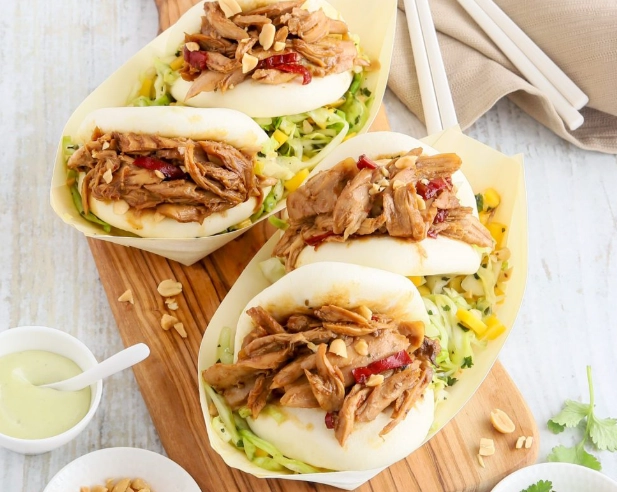
- Braised Pork Belly (Gua Bao Style): Slow-braised until melt-in-your-mouth, with pickled mustard greens, crushed peanuts, and cilantro. A perfect balance of fat, acid, and crunch.
- Spicy Mushroom & Tofu (Vegetarian): Diced king oyster mushrooms and firm tofu stir-fried with hoisin, soy, and a big punch of chili crisp. Seriously good, even for meat-lovers.
Don't be afraid to experiment. I've done pulled chicken with gochujang, crispy duck with plum sauce, and even a breakfast version with scrambled eggs and cheese. It all works.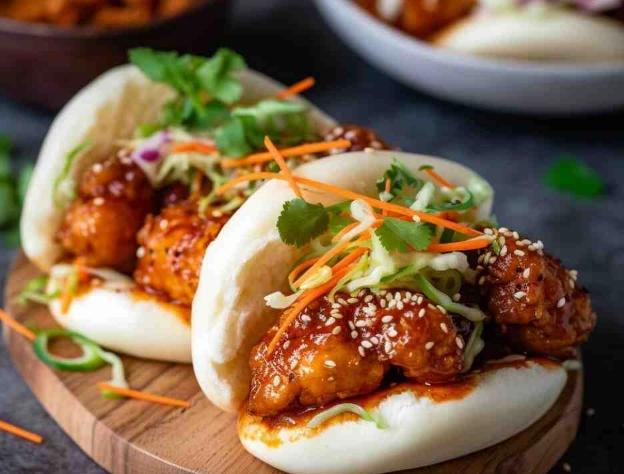
Why Did My Bao Buns Fail? Troubleshooting Guide
We've all been here. Let's diagnose the common issues.
- Dense, heavy buns: Yeast might be dead. Liquid was too hot and killed it. Or, more likely, you didn't proof long enough (either first or second proof). Be patient.
- Buns collapsed or wrinkled after steaming: You over-proofed them, or you opened the steamer lid too early causing a temperature shock. Or the steaming heat was too high.
- Dough is too sticky to handle: You may have added too much liquid, or the flour is very low-protein. Next time, adjust. For now, use a bit more flour on your hands and surface, but be sparing.
- Buns are tough/chewy: You used a high-protein flour (like bread flour), or you over-kneaded the dough, developing too much gluten.
- Buns didn't open (for gua bao): You forgot to brush oil on the inside before folding, or you didn't roll them thin enough before folding.
See? Most problems have a logical fix. It's rarely the entire bao bun recipe that's wrong, just one step.
Make-Ahead and Storage Tips (Because Life is Busy)
You can absolutely make these ahead. Here's how I do it.
Uncooked, shaped buns: After the second proof, instead of steaming, place them on a tray lined with parchment, making sure they're not touching. Freeze solid. Once frozen, transfer to a zip-top bag. They'll keep for a month. To cook, steam from frozen, just add 3-5 minutes to the steaming time. This is a total game-changer for quick meals.
Cooked buns: Let them cool completely, then store in an airtight container in the fridge for 2-3 days. Re-steam for 3-5 minutes to refresh. Microwaving makes them rubbery—avoid it.
I often double the bao bun recipe just to have a stash in the freezer. It feels like a major kitchen win.
Frequently Asked Questions About Bao Bun Recipes
Yes, in a pinch. Use a wide pot or deep pan with a tight lid. Place a heatproof bowl upside down in the center, or use mason jar rings to create a platform. Set a plate (heatproof ceramic or bamboo) on top, making sure it's above the water level. Cover and steam as usual. It's janky, but it works.
Check the yeast expiry date. Ensure your liquid was warm, not hot (over 130°F kills yeast). Is your kitchen very cold? Place the bowl in an off oven with the light on, or near a radiator. Give it more time.
You can, but I wouldn't go 100%. Whole wheat flour is heavier and absorbs more liquid. Try substituting 1/3 of the white flour with whole wheat. The buns will be denser and more nutty in flavor, but still tasty. Adjust liquid slightly if the dough seems dry.
Completely different dough. Dumpling wrappers are a simple flour-and-water dough, rolled thin, and meant to be boiled or pan-fried. Bao dough is a leavened, yeasted dough meant to be steamed and become light and airy. Don't mix them up!
This basic recipe can be easily made vegan. Use water or plant-based milk (like soy or oat) instead of dairy milk. Use a neutral oil instead of lard. Just ensure your sugar is vegan (some white sugar is processed with bone char). The dough works perfectly.
Taking Your Bao Further: Resources & Inspiration
Once you've mastered this basic bao bun recipe, the world is your oyster (or your pork belly bun).
For truly authentic techniques and deep cultural context, I always point people to authoritative sources. The Healthline guide on yeast is a great, science-backed read if you want to understand how leavening works on a biological level. For exploring traditional and modern Chinese cooking techniques that apply to bao fillings and more, the public resources from institutions like the Cleveland Asian Festival often have cultural notes and chef demonstrations that provide genuine insight.
Remember, cooking is iterative. My first batch was bad. My fifth was okay. My tenth was great. Now I can whip them up without thinking. The goal of this bao bun recipe guide is to get you to that point faster than I did, by sharing the stumbles so you can avoid them.
So, grab your flour. Trust the process. And get ready for that incredible moment when you lift the steamer lid to reveal a batch of perfect, fluffy, homemade bao buns. There's nothing quite like it.