Your Lamb Cooking Companion
Let's be honest. Lamb can be intimidating. You see it on fancy restaurant menus, maybe you've had it at a holiday dinner, but cooking it yourself? That feels like a whole other level. What if it's tough? What about that gamey flavor everyone talks about? I used to think the same way. The first time I bought a leg of lamb, I stared at it in my fridge for two days, completely paralyzed, before finally searching for "easy lamb recipes" in a panic.
Turns out, I was worried about all the wrong things. Lamb is actually one of the most forgiving and flavorful meats you can cook. Once you get a few basics down, it's surprisingly simple. This guide isn't about fancy, chef-only techniques. It's about demystifying lamb. We're going to talk about picking the right cut (this is 80% of the battle), simple methods that work every time, and yes, plenty of delicious, doable lamb recipes you can try this weekend. Forget the intimidation. Let's just cook some good food.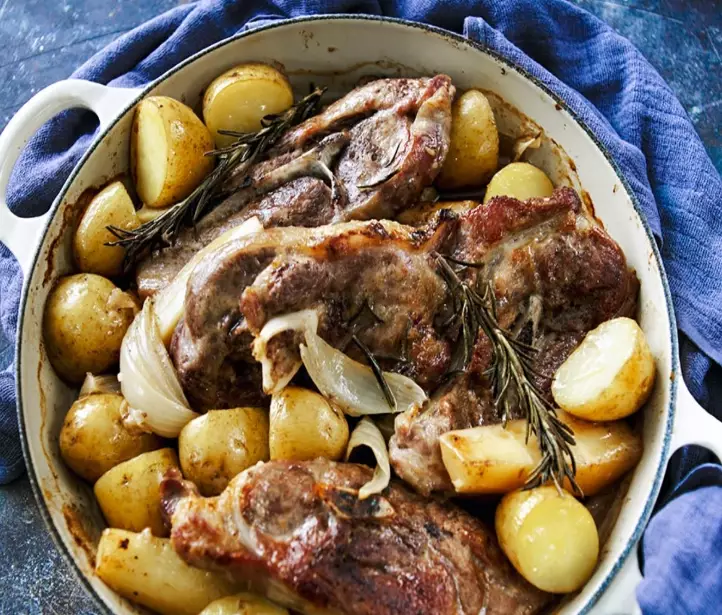
First Things First: Choosing Your Lamb Cut
This is where most people go wrong. They pick a recipe for lamb chops but buy a shoulder roast. No wonder things don't turn out right! Lamb comes from different parts of the animal, and each part has its own personality—some are tough and need long, slow love, others are tender and just need a quick kiss of heat.
Here’s the simple breakdown. Think of it as your cheat sheet next time you're at the butcher counter or staring at the meat case.
| Cut of Lamb | Best For... | Key Characteristic | My Go-To Method |
|---|---|---|---|
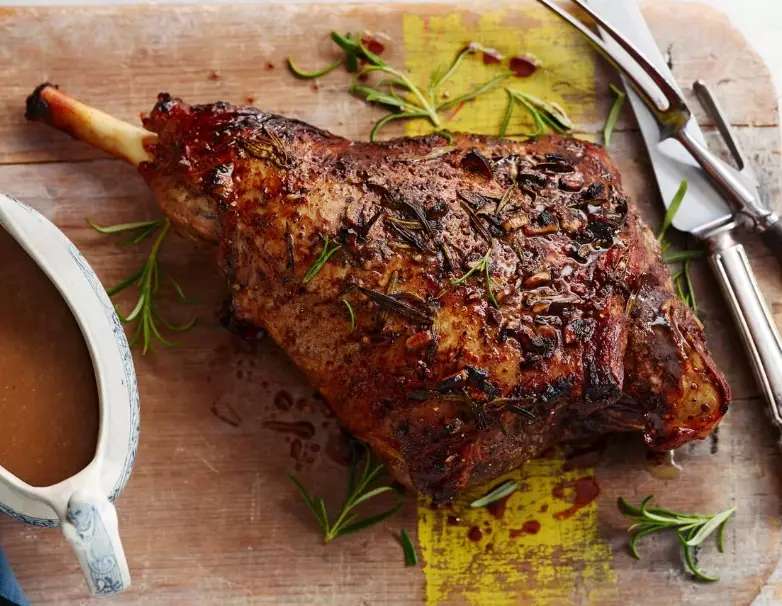
| Leg of Lamb | Roasting, feeding a crowd (think Easter or Sunday dinner) | Lean, large, relatively tender. Can be sold bone-in or boneless. | Herb-rubbed and slow-roasted to medium-rare. It's a classic for a reason. |
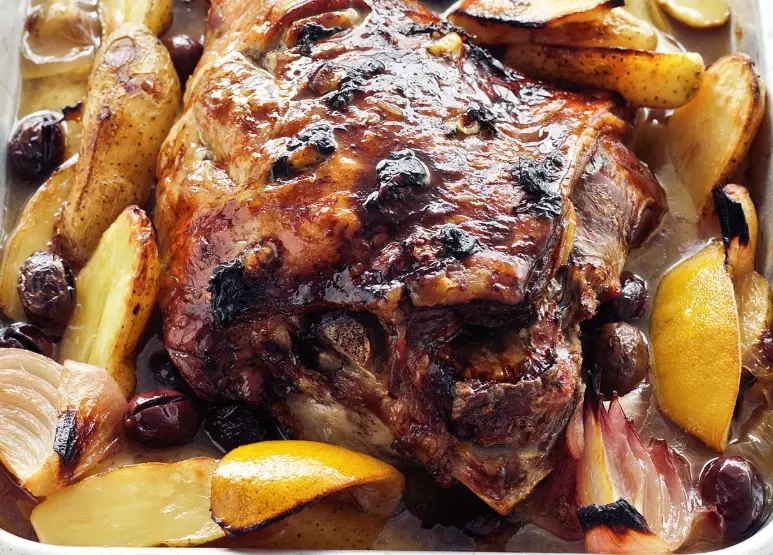
| Lamb Shoulder | Braising, stewing, slow-cooking, pulled lamb | Fatty, flavorful, tough connective tissue that melts into goodness with low & slow cooking. | Cut into chunks for stew or slow-roast whole until it's falling apart. This cut is impossible to mess up. |
| Lamb Chops (Loin or Rib) | Quick cooking: grilling, pan-searing, broiling | Tender, expensive, cooks in minutes. Rib chops ("lollipops") are the fancy ones. | High heat, salt & pepper, 3-4 minutes per side. Don't overthink it. |
| Ground Lamb | Burgers, meatballs, shepherd's pie, kofta, stuffing | Versatile, affordable, absorbs flavors beautifully. | Mix with warm spices (cumin, cinnamon) for burgers or use in a classic shepherd's pie. |
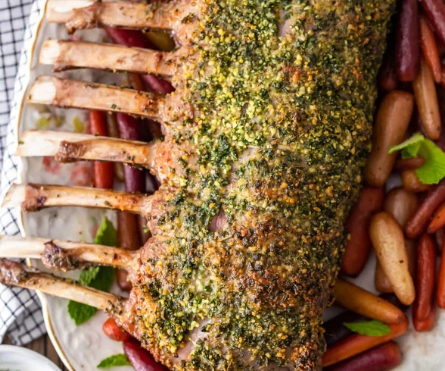
| Rack of Lamb | Special occasion roasting, the "wow" factor | Tender, elegant, usually "frenched" (bones cleaned). | Sear, then finish in a hot oven. Let rest, then slice into individual chops. |
| Shanks | Braising. That's it. That's the job. | Extremely tough, loaded with collagen, becomes unbelievably rich and silky when braised. | Brown well, then simmer in wine/stock for hours. The ultimate comfort food. |
See? Not so mysterious. My personal favorite for everyday cooking is the shoulder. It's cheaper, packed with flavor, and you almost have to try to make it dry. If you're nervous, start there. Which brings me to a key point...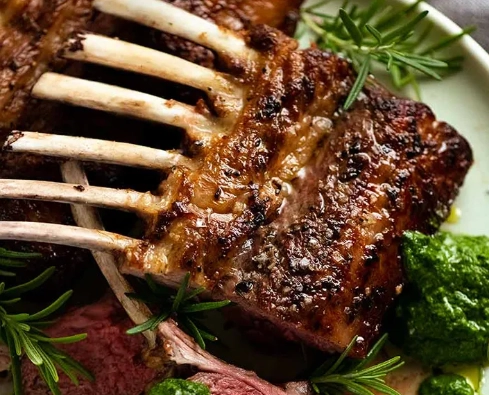
Pro Tip: Don't shy away from fat! Lamb fat (especially around shoulder cuts) is where a lot of the incredible flavor lives. It will render down during cooking, basting the meat from the inside. You can always trim excess hard fat before serving, but don't remove it all before cooking.
The Essential Tools & Pantry Staples
You don't need a kitchen full of gadgets. Honestly, you can manage most lamb recipes with basics. But a few things make life much easier.
For Tools: A heavy-bottomed oven-safe pot or Dutch oven (for braising shanks or shoulder). A sturdy roasting pan with a rack (for legs or racks). A good cast-iron or heavy stainless steel skillet (for searing chops). A reliable instant-read meat thermometer. This last one is non-negotiable if you hate dry meat. Guessing doneness is for gamblers, not cooks.
For Your Flavor Pantry: Lamb loves bold friends. Here's what I always have on hand:
- Herbs: Rosemary (the classic pair), thyme, mint (fresh or dried), oregano.
- Spices: Cumin, coriander, smoked paprika, cinnamon (trust me, a pinch in a rub or stew is magic), garlic powder (for rubs).
- Aromatics: Lots of fresh garlic, onions, carrots, celery.
- Liquids: Red wine (for deglazing and braising), beef or chicken stock, lemon juice.
- Other: Dijon mustard (great for crusts), olive oil, kosher salt, coarse black pepper.
Mastering the Basic Cooking Methods
Now, let's talk technique. You can apply these to a million different lamb recipes.
1. Roasting (For Legs, Racks, Shoulder)
Low and slow vs. hot and fast. For a large, lean leg, start high (425°F/220°C) for 20 minutes to brown, then drop the temp way down (325°F/160°C) until it hits your desired internal temp. Use that thermometer! For a fatty shoulder you want to pull apart, you can go low (300°F/150°C) the whole time for 4-5 hours. Let it rest for at least 20 minutes before carving—this lets the juices redistribute. Cutting into it immediately is the biggest mistake you can make.
2. Braising & Stewing (For Shoulder, Shanks, Neck)
This is my happy place. Brown the meat well—get a real crust, that's flavor. Sauté your veggies. Add the meat back, pour in liquid (wine, stock) until it comes halfway up the meat. Cover tightly and let it simmer on the stove or in a low oven (275-300°F / 135-150°C) for 2-4 hours. The meat should be fork-tender. The liquid becomes your sauce. It's foolproof.
3. Grilling & Pan-Searing (For Chops, Burgers, Kebabs)
High heat. Dry the meat surface well with a paper towel for a better sear. Season generously. Don't crowd the pan or grill. For 1-inch thick chops, 3-4 minutes per side over direct high heat usually gets you to a perfect medium-rare. Let them rest for 5 minutes. Simple.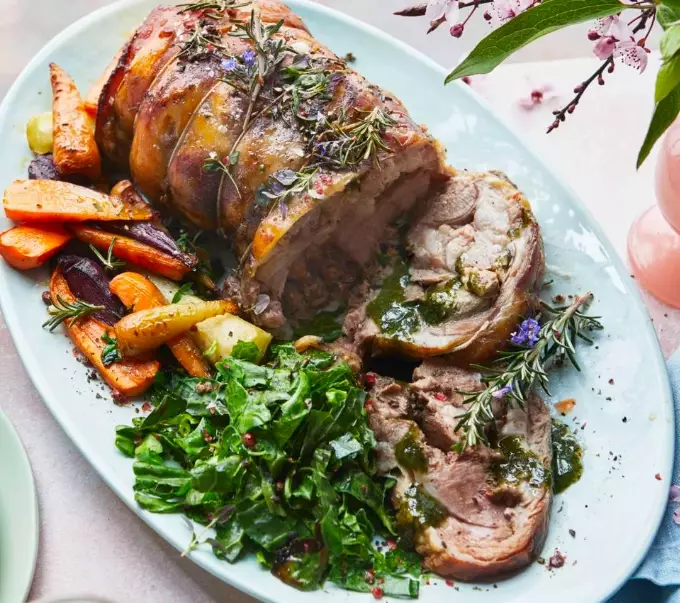
Watch Out: Lamb fat is flavorful but can flare up on a grill. For chops with a fat cap, I like to stand them up on that fat cap for a minute at the start to render it and prevent crazy flames later.
Answering Your Lamb Questions (The FAQ)
Let's Get Cooking: Tried & True Lamb Recipes
Okay, theory is great, but you want recipes. Here are three foundational ones that cover different techniques and will give you confidence. These are the best lamb recipes to build your skills on.
1. The No-Fuss Slow-Roasted Lamb Shoulder
This is the ultimate set-it-and-forget-it dish. You'll end up with tender, shreddable meat perfect for sandwiches, tacos, or just eating over mashed potatoes. The key is not to rush it.
Simple Method: Take a 4-5 lb bone-in shoulder. Pat it dry. Make small slits all over and stuff with slivers of garlic and fresh rosemary sprigs. Rub all over with olive oil, salt, pepper, and maybe some smoked paprika. Put it on a rack in a roasting pan. Add a cup of water or wine to the bottom of the pan. Cover tightly with foil. Roast at 300°F (150°C) for 4 hours. Remove foil, crank heat to 400°F (200°C), roast for another 30-45 minutes to crisp the outside. It's done when a fork twists easily in the meat. Let it rest, then pull apart.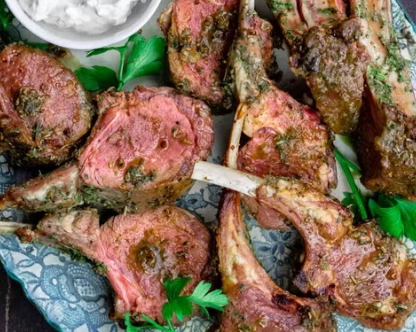
See? No fancy steps. The long, moist heat does all the work. The USDA recommends cooking all lamb to a safe minimum internal temperature of 145°F (63°C) with a rest time, but for a shoulder cooked this way, you're going far beyond that to achieve tenderness. For more on safe meat handling, you can always check resources from the USDA Food Safety and Inspection Service.
2. Simple Pan-Seared Lamb Chops with Mint
Your 15-minute weeknight luxury meal. Use loin chops or rib chops ("lamb lollipops").
Simple Method: Let chops sit at room temp for 20 minutes. Dry thoroughly. Season heavily with salt and pepper. Get a skillet screaming hot with a thin film of oil. Sear chops 3-4 minutes per side for medium-rare (adjust for thickness). Remove to a plate to rest. In the same pan, add a knob of butter, a minced garlic clove, and a big handful of chopped fresh mint. Cook for 30 seconds until fragrant, then squeeze in half a lemon. Pour this pan sauce over the rested chops. Done.
The contrast of the rich, seared lamb and the bright, acidic mint sauce is just perfect. It feels fancy but takes less time than ordering pizza.
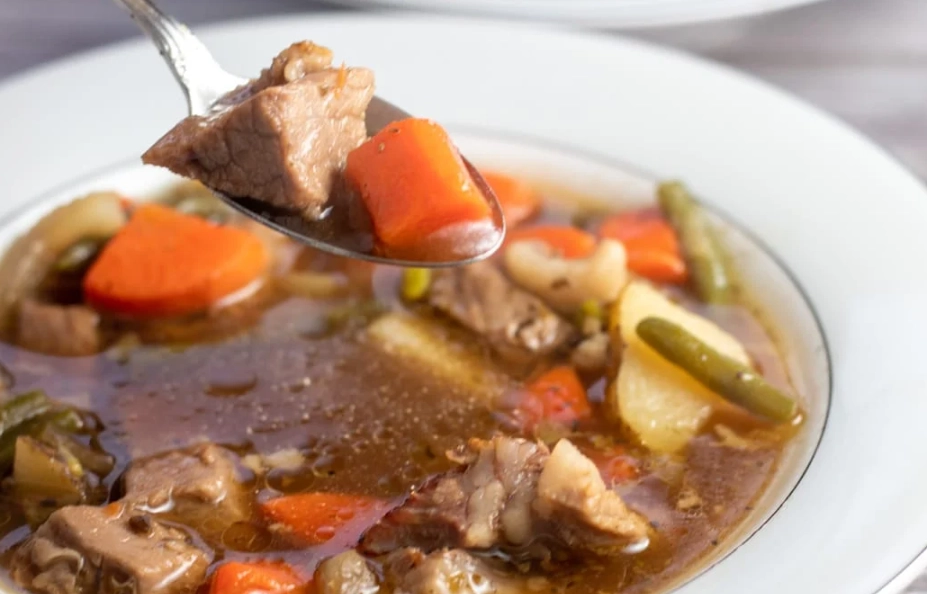
3. Hearty Lamb & Lentil Stew
This is comfort in a bowl. Use stew meat (usually from the shoulder) or even ground lamb. It's one of those easy lamb recipes that tastes like it simmered all day.
Simple Method: Brown 1.5 lbs of lamb stew meat in batches in your pot. Remove. Sauté a chopped onion, two carrots, and two celery stalks. Add 2 cloves minced garlic, 1 tsp cumin, 1/2 tsp cinnamon, cook for 1 minute. Add back the lamb, 1 cup brown or green lentils (rinsed), a 14-oz can of diced tomatoes, and 4 cups of broth. Bring to a boil, then simmer covered for about 1 hour, until lamb and lentils are tender. Stir in a big handful of chopped spinach or parsley at the end. Season with salt, pepper, and a splash of red wine vinegar.
The spices here are key—they're classic pairings for lamb in many global cuisines, from the Mediterranean to the Middle East. For more inspiration on how different cultures use these flavors, sites like Serious Eats often have deep dives into the culinary techniques behind such dishes.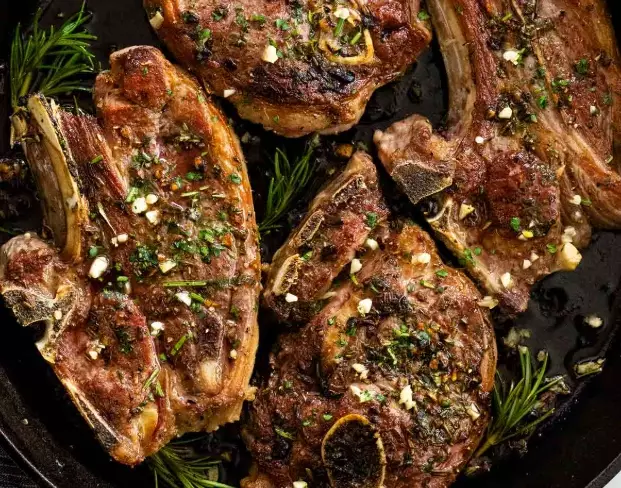
Flavor Pairings That Always Work
Stuck on what to serve with your lamb recipes? Here's a shortlist of friends that never let lamb down.
- Herbs: Rosemary, mint, thyme, oregano.
- Spices: Cumin, coriander, garlic, cinnamon, smoked paprika.
- Vegetables: Roasted root vegetables (potatoes, carrots, parsnips), eggplant, zucchini, spinach.
- Sauces & Condiments: Mint jelly or sauce, tzatziki (Greek yogurt with cucumber and garlic), red wine reduction, chimichurri, mustard.
- Grains: Couscous, orzo, rice pilaf, creamy polenta.
The best lamb recipes aren't about hiding the flavor of the lamb. They're about finding ingredients that sing in harmony with it.
A Few Final Thoughts (From My Kitchen to Yours)
Don't let lamb scare you. It's just meat. Start with a simple recipe—maybe those pan-seared chops or a small braise. Get a feel for the flavor. I promise, once you successfully cook it once, a whole new world of dinners opens up.
My biggest piece of advice? Invest in that meat thermometer. And don't skip the rest time. Those two things will improve your results more than any secret ingredient.
Oh, and one last thing. Lamb leftovers are fantastic. Shredded roast lamb makes incredible sandwiches with some arugula and garlic mayo the next day. A lamb stew is always better on day two. So cook a bit extra.
I hope this guide takes the mystery out of cooking lamb. It's become one of my favorite meats to work with because it's so rewarding. The flavor is deep, the methods are straightforward once you know them, and it always feels like a special meal. So go pick a cut, try one of these lamb recipes, and enjoy the process. You've got this.