Quick Navigation
- Getting to Know Your Mackerel: The First Step to a Great Recipe
- Top Cooking Methods for Mackerel (Ranked by Ease & Flavor)
- The Flavor Pairing Playbook: What Goes With Mackerel?
- Storing, Reheating, and Food Safety
- Answering Your Mackerel Recipe Questions (FAQ)
- Putting It All Together: A Simple, Go-To Master Recipe
Let's be honest. Mackerel doesn't always get the love it deserves. For some, the word brings up memories of overly fishy smells or dry, overcooked fillets. I get it. My first attempt at a mackerel recipe years ago was a disaster—salty, strong, and not something I'd serve to anyone. But here's the thing: once you learn how to handle it, mackerel transforms into one of the most flavorful, nutritious, and wallet-friendly fish you can cook. It's a staple in my kitchen now, and I want to show you why it should be in yours too.
This isn't just another list of instructions. It's the guide I wish I had. We'll go beyond a single mackerel recipe and explore everything—from choosing the right fish at the counter to nailing different cooking methods that highlight its rich, oily goodness without overpowering you. Whether you're a seafood newbie or just looking for new ways to get more omega-3s, you're in the right place.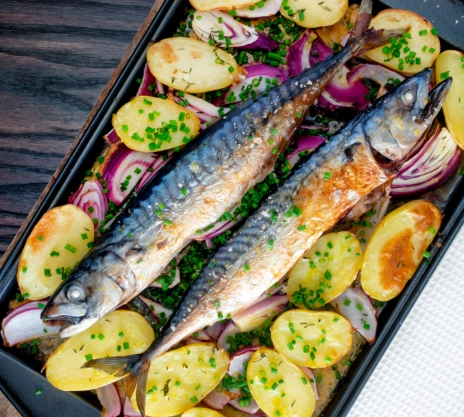
Why bother with mackerel? Simply put, it's a nutritional powerhouse. According to data from the National Oceanic and Atmospheric Administration (NOAA) on fisheries, mackerel is a sustainable choice in many regions. More importantly, it's packed with omega-3 fatty acids, which are crucial for heart and brain health. The U.S. Food and Drug Administration (FDA) recommends eating fish like mackerel as part of a healthy diet. It's also relatively inexpensive compared to other fatty fish like salmon.
Getting to Know Your Mackerel: The First Step to a Great Recipe
You can't master a mackerel recipe if you don't understand the main ingredient. Mackerel is an oily fish, which is the source of both its incredible flavor and its sometimes challenging reputation. That oil carries taste and nutrients, but it can also go rancid quickly if the fish isn't fresh. The key to a great dish starts long before the pan heats up.
Fresh vs. Frozen: What's Best for Your Mackerel Recipe?
This is a common debate. For the best texture, fresh is fantastic if you can get it and cook it the same day. Look for clear, bright eyes (not sunken or cloudy), shiny skin with metallic sheen, and a smell that's like the clean ocean—not overly fishy or ammonia-like. The flesh should be firm to the touch.
But here's my personal take: don't sleep on frozen mackerel. Modern flash-freezing locks in freshness right on the boat. For a reliable, year-round healthy mackerel recipe, a good-quality frozen fillet is often better than a "fresh" one that's been sitting for days. Just thaw it slowly in the fridge overnight.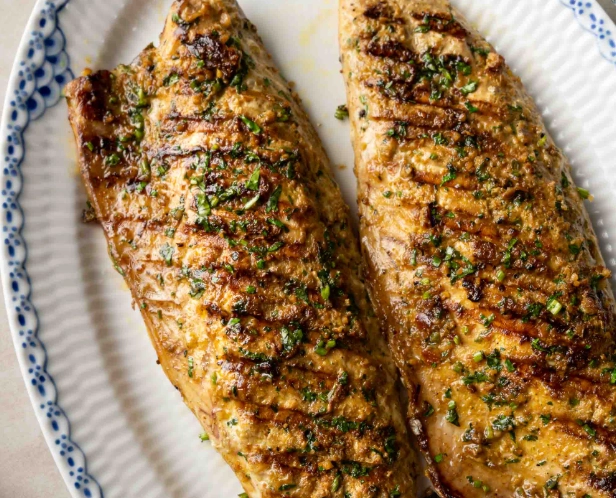
Pro Tip: If you're buying whole mackerel, ask the fishmonger to clean and fillet it for you. It saves time and hassle. If you're doing it yourself, a sharp, flexible fillet knife is your best friend.
The #1 Question: How Do You Get Rid of the Fishy Taste?
This is the biggest hurdle for most people. That strong flavor isn't a flaw—it's character! But if you want to mellow it, you have options.
- The Milk Bath: Sounds odd, works wonders. Soak the fillets in milk for 20-30 minutes before cooking. The casein protein binds with the trimethylamine (the compound responsible for the fishy odor) and washes it away. Rinse and pat dry afterward.
- Acid is Your Ally: A quick 15-minute marinade in lemon juice, lime juice, or vinegar (like rice vinegar) will slightly "cook" the surface (ceviche-style) and brighten the flavor dramatically.
- Score the Skin: For whole fish or skin-on fillets, score the skin in a crosshatch pattern. This helps fat render, allows seasoning to penetrate, and prevents the skin from curling violently in the pan.
My go-to? I often skip the soak if the fish is very fresh and just rely on a good acidic marinade or a generous squeeze of lemon after cooking. Sometimes you want that robust mackerel flavor to shine through.
Top Cooking Methods for Mackerel (Ranked by Ease & Flavor)
Not every mackerel recipe is created equal. The method you choose changes the outcome completely. Here’s my personal ranking, from the easiest weeknight fix to the most impressive techniques.
Grilled Mackerel Recipe: The King of Flavor
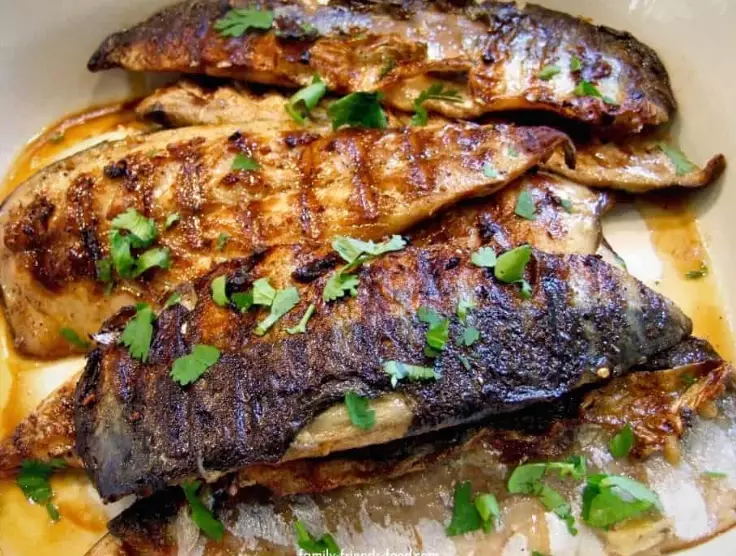
If you ask me, grilling is the absolute best way to cook mackerel. The high, direct heat crisps the skin to perfection, while the fat bastes the fish from the inside, keeping it incredibly moist. A simple grilled mackerel recipe is hard to beat.
My Favorite Grilled Method: Pat skin-on fillets completely dry. Brush lightly with oil (avocado or grape seed oil have high smoke points) and season aggressively with salt and pepper. Place the fillets skin-side down on a clean, well-oiled, preheated grill (medium-high heat). Do not move them for 4-5 minutes. This is crucial for getting that crispy skin. If you try to flip too early, the skin will tear. Once the skin releases easily, flip and cook for just 2-3 more minutes on the flesh side. The fish is done when it flakes easily with a fork.
A fantastic marinade for grilled mackerel is equal parts soy sauce, honey, and lime juice, with a grated garlic clove and some ginger. Marinate for 20 minutes, then grill. The sugars caramelize beautifully.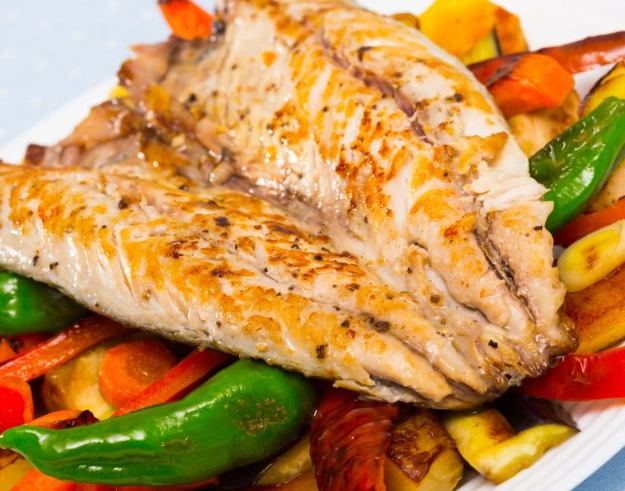
Pan-Fried Mackerel: The Quick Weeknight Hero
This is your 10-minute dinner solution. It’s fast, requires minimal cleanup, and delivers a restaurant-quality crust. The key is a screaming hot pan and the confidence to leave the fish alone.
Heat a tablespoon of neutral oil in a non-stick or well-seasoned cast-iron skillet over medium-high heat until it shimmers. Season your fillets. Place them skin-side down in the pan. They will sizzle loudly—that’s good. Press down gently with a spatula for the first 10 seconds to ensure full skin contact. Cook for 80-90% of the total time on the skin side (about 4-5 minutes for a standard fillet). Flip, cook for a final minute, and serve immediately, skin-side up so it stays crisp. Squeeze with lemon. Done.
Baked Mackerel Recipe: The Hands-Off, Healthy Approach
Baking is foolproof and great for cooking multiple portions at once. It’s also the heart of many a healthy mackerel recipe, as you need very little added fat. Preheat your oven to 400°F (200°C). Place seasoned fillets on a parchment-lined baking sheet. You can add slices of lemon, cherry tomatoes, and herbs like dill or thyme around them. Drizzle with just a tiny bit of olive oil. Bake for 10-12 minutes, depending on thickness. It’s almost impossible to mess up.
For a flavor boost, make parcels (en papillote). Place each fillet on a large piece of parchment paper, add your aromatics (ginger, scallions, chili), a splash of soy or white wine, and seal the packet tightly. Bake. The fish steams in its own juices and all the flavors meld together wonderfully.
Other Methods Worth Trying
- Broiling: Like grilling’s indoor cousin. Watch it like a hawk—it can go from perfect to burnt in seconds.
- Poaching: Gently cooking in a flavorful liquid (like a court-bouillon with white wine, herbs, and lemon) yields a delicate, moist result. Perfect for salads.
- Curing/Pickling: A Scandinavian classic. Curing with salt, sugar, and dillets you make gravlax. Pickling in vinegar creates a tangy treat perfect on rye bread.
The Flavor Pairing Playbook: What Goes With Mackerel?
Mackerel’s rich, oily character can handle bold flavors. Think of it as a canvas for strong, bright, and acidic ingredients that cut through the fat.
| Flavor Category | Best Pairings | Why It Works |
|---|---|---|
| Acidic | Lemon, Lime, Vinegar (especially sherry or apple cider), Pickles, Green Apple, Tomato | Cuts through the oiliness, brightens every bite, and balances the richness. |
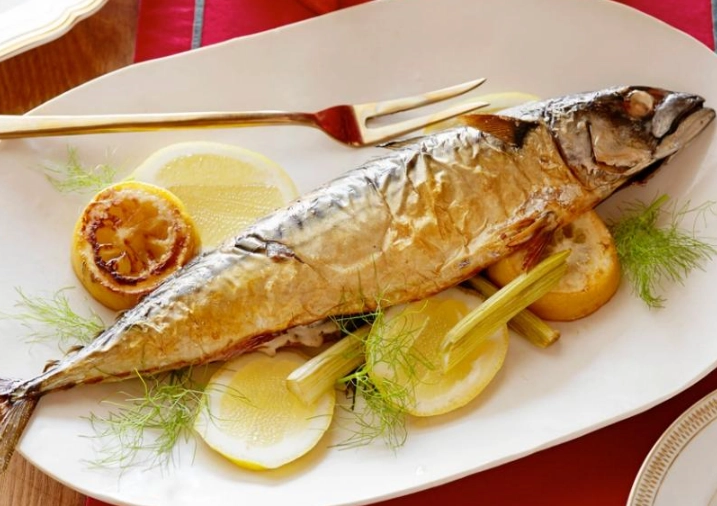
| Herbal & Fresh | Dill, Fennel, Parsley, Cilantro, Mint, Chives, Scallions | Adds a layer of freshness and complexity that complements without overpowering. |
| Spicy & Pungent | Black Pepper, Chili (fresh or flakes), Ginger, Garlic, Horseradish, Mustard | Adds warmth and punch that stands up to the fish's strong flavor profile. |
| Creamy & Rich | Crème Fraîche, Sour Cream, Yogurt-based sauces, Avocado, Potato | Provides a cooling, comforting contrast. A potato and mackerel combo is classic for a reason. |
| Sweet & Umami | Soy Sauce, Miso, Honey, Maple Syrup, Caramelized Onions, Roasted Beetroot | Creates a beautiful sweet-savory balance that enhances the natural umami of the fish. |
One of my favorite quick sauces is a mustard-dill sauce: mix 3 tablespoons of Greek yogurt, 1 tablespoon of whole-grain mustard, a big handful of chopped fresh dill, a squeeze of lemon, salt, and pepper. It’s fantastic with any simple mackerel recipe.
 Don't be afraid to experiment. The worst that can happen is you learn what you don't like.
Storing, Reheating, and Food Safety
You made a delicious mackerel dinner, but there's leftovers. Now what? Oily fish doesn't keep as long as lean fish.
- Fresh Storage: Cooked mackerel will keep in a sealed container in the fridge for up to 2 days. Honestly, I try to eat it the next day for the best quality.
- Freezing: You can freeze cooked mackerel for up to a month. Thaw in the fridge and use in salads, patties, or fish cakes where perfect texture is less critical.
- Reheating: This is tricky. Reheating can make it dry and intensify the fishy smell. My advice? Don't reheat it in the microwave. If you must, gently warm it in a low oven (275°F / 135°C) covered with foil, or better yet, flake it cold into a salad or mix it into scrambled eggs.
Important Safety Note: Like all fish, mackerel must be cooked to a safe internal temperature of 145°F (63°C), as recommended by food safety authorities like the U.S. Department of Health & Human Services. The flesh should be opaque and flake easily. If you're curing or pickling, ensure you follow a trusted recipe from a reliable source to prevent foodborne illness.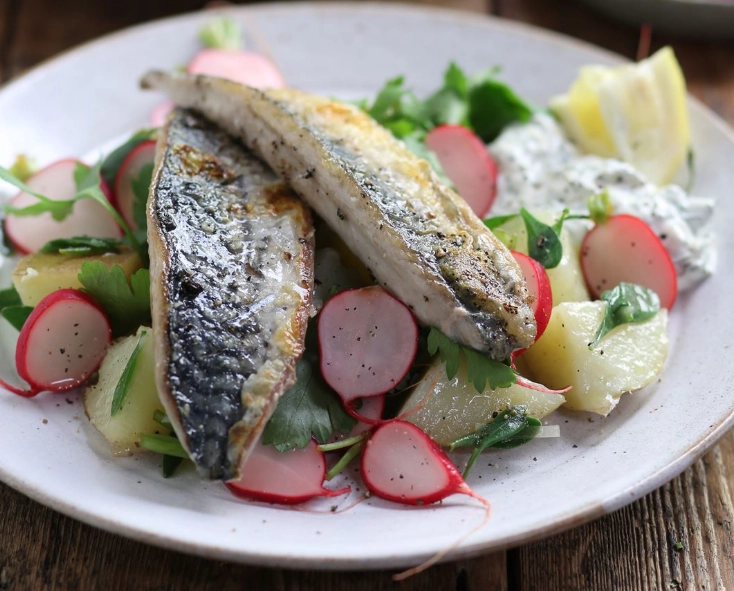
Answering Your Mackerel Recipe Questions (FAQ)
I get a lot of questions from friends and readers. Here are the ones that come up most often when we talk about mackerel recipes.
Is mackerel healthy to eat regularly?
Yes, in moderation. It's one of the best sources of omega-3s you can find. However, because it's a larger, longer-lived oily fish, some varieties (like King Mackerel) can have higher levels of mercury. The FDA recommends that adults eat 2-3 servings (8-12 ounces) of a variety of fish per week, focusing on lower-mercury options. Atlantic mackerel (often called Boston mackerel) is typically considered a good choice and is frequently rated as a sustainable option by resources like Seafood Watch. Variety is key in a healthy diet.
What's the difference between Spanish mackerel and other types?
Spanish mackerel has a lighter, slightly milder flavor and a finer texture compared to the more common Atlantic or Boston mackerel. It's excellent for grilling whole or as fillets. Atlantic mackerel has a richer, more pronounced flavor. For a beginner's mackerel recipe, Spanish might be a gentler introduction, but both are delicious when cooked properly.
Can I use canned mackerel in recipes?
Absolutely! Canned mackerel (usually in water or olive oil) is a fantastic pantry staple. It's already cooked, so it's perfect for throwing into salads, mixing with mayo and herbs for a quick spread, making fish cakes, or tossing with pasta. It's a different texture, obviously, but it's a super convenient and affordable way to get those omega-3s. Just drain it well and check for bones if you're sensitive to them.
Why did my mackerel turn out dry?
You almost certainly overcooked it. Mackerel cooks very quickly because of its thin fillets. The moment it becomes opaque and flakes easily, it's done. Residual heat will continue to cook it after you take it off the heat. Err on the side of slightly underdone—you can always put it back for 30 seconds, but you can't undo dryness.
Do you have to remove the skin?
No! In fact, I encourage you to keep it on, especially for grilling or pan-frying. The skin is delicious when crisped up and provides a protective layer that helps keep the flesh moist. If you're baking or poaching and want a more delicate presentation, you can remove it. But try it crispy at least once.
Putting It All Together: A Simple, Go-To Master Recipe
Let's end with a blueprint—a template you can adapt endlessly. This is my weeknight, no-fuss, always-reliable mackerel recipe.
Pan-Seared Mackerel with Lemon-Herb Salsa
- Prep the Fish: Take 2 fresh mackerel fillets, skin-on, and pat them bone-dry with paper towels. Score the skin 3-4 times on a diagonal. Season both sides generously with salt and black pepper.
- Make the Salsa: While the fish comes to room temp, finely chop a handful of fresh parsley and mint. Mix in a small bowl with the zest and juice of half a lemon, 2 tablespoons of extra virgin olive oil, a pinch of chili flakes, and a small minced shallot (optional). Season with salt. Set aside.
- Cook the Fish: Heat a heavy skillet (non-stick or stainless steel) over medium-high heat until hot. Add a thin film of neutral oil. Place the fillets skin-side down in the pan. Press gently for 10 seconds. Cook undisturbed for 4-5 minutes until the skin is deep golden and crispy.
- Flip & Finish: Carefully flip the fillets. Cook for just 1 more minute on the flesh side. Remove immediately to plates.
- Serve: Spoon the fresh lemon-herb salsa over the top. Serve with a simple side like roasted new potatoes or a bitter green salad to cut the richness.
That's it. No complicated techniques, just good ingredients treated with respect. The crispy skin, the moist flesh, the bright salsa—it’s a perfect bite.
Mackerel went from a fish I avoided to one of my most reliable dinner solutions. It's affordable, packed with nutrition, and when you know a few simple tricks, it's downright delicious. I hope this guide gives you the confidence to pick up some fillets and give a mackerel recipe a try. Start with the pan-seared method above. You might just find your new favorite fish.
Got a question I didn't cover? The beauty of cooking is there's always more to learn. The best mackerel recipe in the end is the one that makes you and the people you're feeding happy.