Your Tiramisu Roadmap
Let's talk about tiramisu. You know, that dreamy Italian dessert that sits in cafe windows, daring you to try and make it at home. I used to think it was some kind of culinary magic trick, reserved for proper chefs. Then I actually tried making it. My first attempt? Let's just say the ladyfingers turned into a soggy, coffee-flavored brick. Not great.
But that's why I'm writing this. After more experiments than I care to admit (and some very patient friends taste-testing), I've nailed down a method that works every single time. This isn't just another tiramisu cake recipe tossed on the internet. This is the one you'll come back to, the one that explains the why behind every step. We're going for authentic flavor without the fuss. No baking required, just some good ingredients and a bit of patience.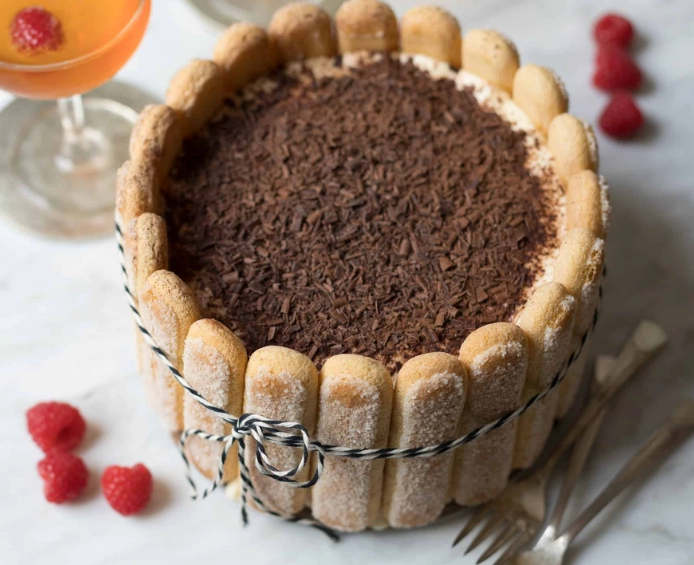
The core idea is simple: delicate ladyfinger cookies dipped in strong coffee and booze, layered with a cloud-like mascarpone cream, and finished with a dusting of cocoa powder. It's the balance of bitter coffee, sweet cream, and rich cocoa that makes it special. But getting that balance right is where most recipes leave you hanging.
What You Absolutely Need: The Tiramisu Shopping List
Before you even think about whipping that cream, let's get the goods. The quality of your ingredients here makes a massive difference. This isn't the place for substitutions if you want that classic, restaurant-quality taste.
| Ingredient | What to Look For & Why It Matters | Quantity for a 9x13" Pan |
|---|---|---|
| Mascarpone Cheese | This is the star. Don't even think about cream cheese. Real mascarpone is rich, slightly sweet, and has a creamy, spreadable texture. Look for a reputable Italian brand. If it's grainy or watery, put it back. | 500g (about 17.6 oz) |
| Savoiardi (Ladyfinger Cookies) | These are the foundation. You want the dry, crunchy kind ("Savoiardi" or "Ladyfingers"), not the soft sponge cake version. They hold their shape when dipped. | About 36-40 cookies |
| Fresh Eggs | We're using raw eggs for an authentic zabaglione-like cream. This is non-negotiable for texture. Get the freshest, highest-quality eggs you can find. We'll talk safety in a second. | 4 large eggs (separated) |
| Strong Coffee | Brew it strong. Espresso is ideal, but a very strong filter coffee or French press works. Instant coffee in a pinch, but it won't be the same. It should be cooled completely. | 1.5 cups (350ml), cooled |
| Marsala Wine | The traditional choice. It adds a unique, aromatic sweetness. If you must substitute, dark rum or a coffee liqueur like Kahlúa works, but the flavor profile changes. | 1/2 cup (120ml) |
| Granulated Sugar | Just regular white sugar. Some goes into the egg yolks, some into the whites. | 3/4 cup (150g) total |
| Unsweetened Cocoa Powder | For dusting. Use a good quality Dutch-processed cocoa for a deep, dark color and less acidity. | For dusting |
A quick story: I once tried to save a few bucks and bought a cheap, off-brand mascarpone. The cream never got thick, it just stayed runny and sad. Lesson learned. Splurge on the good stuff for your tiramisu cake recipe; it's the main event.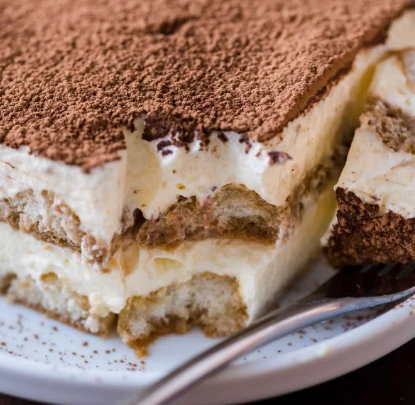
The Egg Question (And How to Handle It Safely)
This is the part that makes people nervous. Raw eggs. I get it. The traditional tiramisu cake recipe uses them, and they give an incredible richness and stability to the cream that you just can't get otherwise.
But safety first. The risk of salmonella is low, but it's not zero. Here are your options:
- Use Pasteurized Eggs: This is the easiest and safest route. You can find them in most supermarkets. They've been heated just enough to kill bacteria but are still liquid.
- Heat the Egg Yolks: You can make a cooked zabaglione. Whisk the egg yolks, sugar, and marsala in a heatproof bowl set over a pot of simmering water. Whisk constantly until it thickens and reaches 160°F (71°C), then let it cool completely before continuing. This changes the texture slightly but is very safe.
- Know Your Source: If you're using fresh, high-quality eggs from a trusted source, the risk is minimized. The U.S. Food and Drug Administration (FDA) offers guidelines on egg safety, which are worth a read if you're concerned.
For this guide, I'm assuming you're using either pasteurized eggs or are comfortable with the fresh egg method. Just be smart about it.
The Step-by-Step, No-Stress Tiramisu Method
Okay, ingredients are ready. Let's build this thing. Clear some space in your fridge—this needs to chill for hours, preferably overnight.
Step 1: The Coffee Dip Station
Mix your cooled, strong coffee with the marsala wine in a wide, shallow bowl. A pie plate works perfectly. This is your dipping liquid. Don't make it too deep. Taste it! It should be strong and flavorful, with a nice kick from the wine. If it tastes weak, it'll make a weak tiramisu.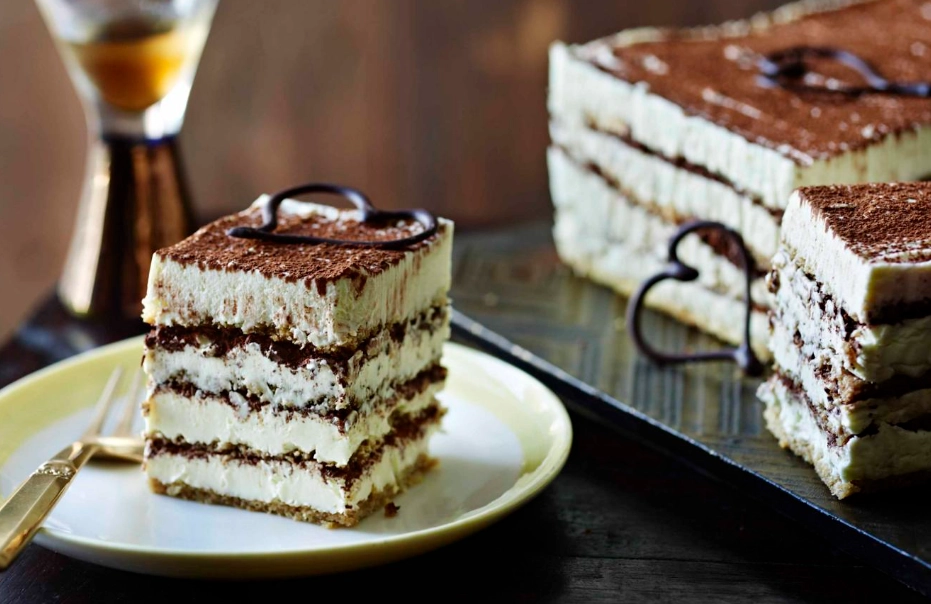
Pro Tip: Want a non-alcoholic version? Just use all coffee. Some people add a tiny bit of vanilla extract or almond extract to the coffee to mimic the complexity lost from the alcohol. It's not the same, but it works.
Step 2: The Magic Cream (Getting it Right)
This is the heart of your tiramisu cake recipe. Separate your eggs very carefully—not a speck of yolk in the whites. Let's tackle the components:
- Egg Yolk Mixture: Whisk the 4 egg yolks with 1/2 cup (100g) of the sugar. Whisk vigorously for a good 2-3 minutes until it's pale, thick, and forms a ribbon when you lift the whisk. This is called "sabayon" and it's key for volume.
- Fold in the Mascarpone: Add the mascarpone to the yolk mixture. Go slow at first to avoid lumps. Use a spatula and fold gently until it's just combined and smooth. Don't overmix or beat it—you'll deflate the air and make it heavy.
- Whip the Egg Whites: In a super clean bowl, whip the 4 egg whites with a pinch of salt until soft peaks form. Gradually add the remaining 1/4 cup (50g) of sugar and whip until you have stiff, glossy peaks.
- The Grand Union: This is the delicate part. Take about a third of the whipped egg whites and stir it vigorously into the mascarpone-yolk mixture. This loosens it up. Then, gently fold in the remaining egg whites with a large spatula. Use a cutting and folding motion until no white streaks remain. You want to keep as much air as possible. The cream should be light, fluffy, and hold its shape.
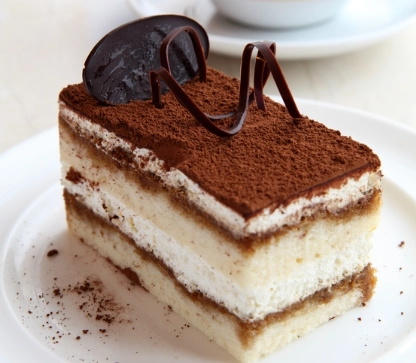
See? Not so scary.
Step 3: Assembly - The Fun Part
Get your dish (a 9x13 inch pan is standard). Have your cream, your coffee mix, and your ladyfingers ready.
Now, the dipping. This is the most common mistake. Do not soak the ladyfingers. You want a quick in-and-out. Literally, 1-2 seconds per side. They should feel moist but not saturated. If they start to fall apart in your fingers, you've gone too far. They will continue to absorb moisture from the cream as they chill.
Arrange a single layer of quickly-dipped ladyfingers in the bottom of your dish. You might need to break a few to fit.
Spread half of your gorgeous mascarpone cream evenly over the ladyfingers.
Repeat: another layer of dipped ladyfingers, then the remaining cream.
Smooth the top with your spatula. Get it nice and even.
Step 4: The Chill That Makes It All Worth It
Cover the dish tightly with plastic wrap. This is crucial. You must let it chill in the fridge for at least 6 hours, but honestly, 12 hours or overnight is transformative. This waiting time allows the flavors to meld, the coffee to perfume the cream, and the texture to set from a loose cream into a sliceable, heavenly cake.
Right before serving, dust the entire surface generously with unsweetened cocoa powder using a fine-mesh sieve. Don't do this earlier, or the cocoa will dissolve and get blotchy.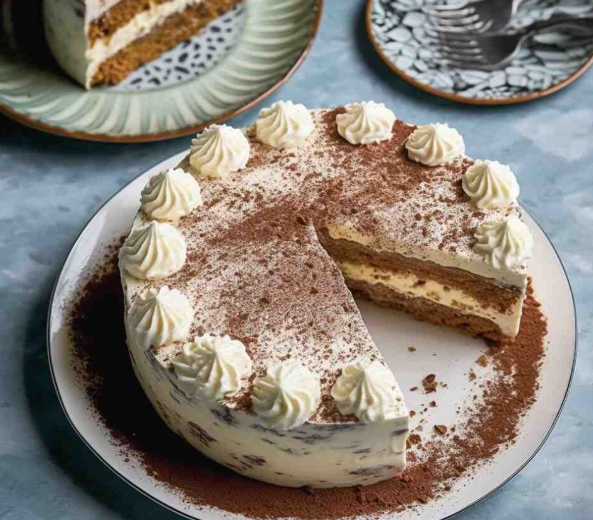
Patience is a virtue here. I know it's tempting to dig in after a couple of hours, but the difference between a 4-hour chill and a 12-hour chill is night and day. The longer chill fixes a runny tiramisu and makes the flavors sing.
So, Your Tiramisu Didn't Turn Out Perfect? Let's Fix It.
Even with a great tiramisu cake recipe, things can go sideways. Here's a quick trouble-shooter:
- Soggy Bottom/Layers: You over-dipped the ladyfingers. Remember, quick dip. Also, ensure your cream is thick enough before assembling.
- Runny, Soupy Cream: This usually means the egg whites were under-whipped or the mascarpone was too warm/runny. Also, it might just need more chilling time. Give it a full 24 hours in the fridge before panicking.
- Cream Tastes Eggy: You might have overcooked the yolks if you heated them, or used lower-quality eggs. Fresh, high-quality eggs have a very neutral flavor.
- Too Sweet / Not Enough Coffee Flavor: Adjust your dip next time. Use less sugar in the cream or a more bitter, stronger coffee. The cocoa powder on top should be unsweetened to balance the sweetness.
Thinking Outside the Classic Tiramisu Cake Recipe Box
The classic is perfect, but sometimes you want to play. Here are some fantastic variations that still feel like tiramisu.
| Variation | The Twist | Best For... |
|---|---|---|
| Berry Tiramisu | Layer fresh raspberries or sliced strawberries between the cream and ladyfingers. You can even macerate the berries in a little sugar and use the juices to lightly flavor the dip. | Summer, when berries are in season. Adds a fresh, fruity acidity. |
| Chocolate Lovers' Tiramisu | Add a layer of grated dark chocolate or chocolate shavings between the cream layers. You can also add a tablespoon of cocoa powder to the mascarpone cream. | When you really, really need a chocolate fix. It's decadent. |
| Pumpkin Spice Tiramisu | Fold 1 cup of pure pumpkin puree and a teaspoon of pumpkin pie spice into the mascarpone cream. Use a caramel-flavored coffee or add a dash to the dip. | Fall and Thanksgiving. A huge crowd-pleaser with familiar flavors. |
| Individual Tiramisu Jars | Layer everything in clear glasses or mason jars. It looks stunning, requires no slicing, and is perfect for parties or gifts. | Portion control (ha!), parties, and making a great visual impression. |
My personal favorite is the berry version. It cuts through the richness in a really nice way. The pumpkin one is a close second for autumn gatherings.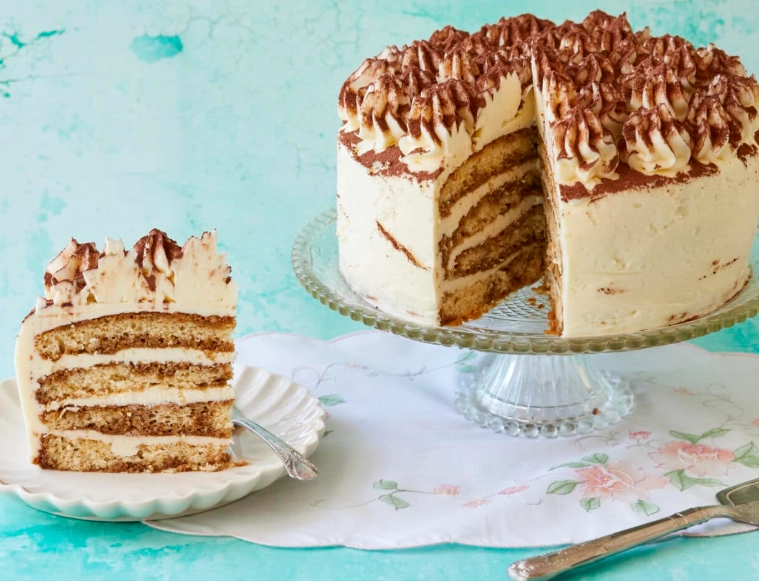
Answers to the Questions You're Probably Googling
Wrapping It Up: Your Tiramisu Journey
So there you have it. More than just a list of steps, but the reasoning behind a truly great tiramisu cake recipe. It's a dessert that demands attention to detail but rewards you with something spectacular.
Start with the classic. Master the dip, perfect the cream fold, and embrace the long chill. Once you've got that down, feel free to play with the variations. The best part about this tiramisu cake recipe is that it feels fancy but is built on simple techniques. It's a showstopper that whispers "I know what I'm doing in the kitchen," even if you're just following these steps carefully.
Go on, give it a try. And when that first perfect, creamy, coffee-kissed bite hits, you'll forget all about those cafe window displays. You'll have made your own.
The biggest compliment I ever got was from an Italian friend who tried my tiramisu and said, "This tastes like my nonna's." That's the goal. Don't be discouraged if the first try isn't perfect. Mine certainly wasn't. But it's a delicious journey of improvement.