Dover sole has this reputation. It's the fish you order in a fancy white-tablecloth restaurant, presented tableside, deboned with a certain flourish. It feels special. And because of that, many home cooks are intimidated. They think it's too delicate, too expensive, too chefy. I'm here to tell you that's nonsense. With a few key techniques, a classic Dover sole recipe is not only achievable in your kitchen—it might become your new favorite way to eat fish.
The magic of this flatfish lies in its texture. When cooked right, it's firm yet flaky, with a clean, sweet, and subtly nutty flavor that doesn't need much to shine. Overcomplicate it, and you lose its essence. That's the secret most recipes don't stress enough: simplicity is your greatest tool.
What You'll Find in This Guide
What Makes Dover Sole Special?
First, a bit of clarity. True Dover sole (Solea solea) comes from the Eastern Atlantic and Mediterranean. It's prized. What you find in many North American markets is often Pacific Dover sole or other similar flatfish like petrale sole. They're excellent substitutes—don't get hung up on the name. Look for the shape: an oval, flat body with both eyes on the right side (the dark side).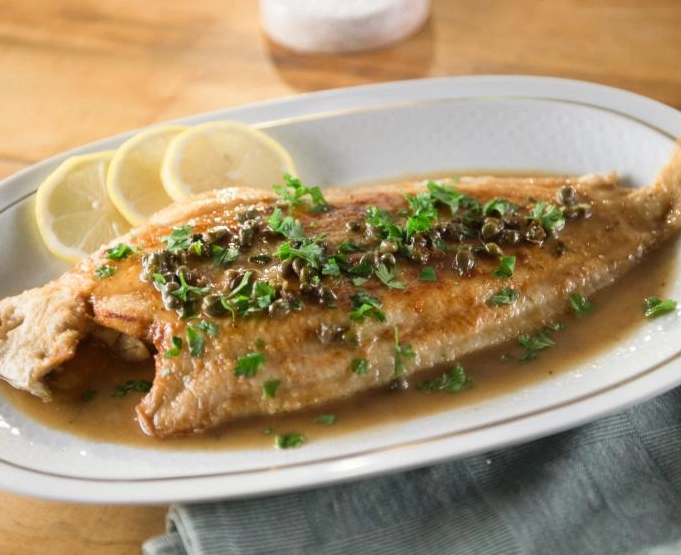
The flesh is lean and tight. This means two things for cooking: it can dry out if overcooked, but it also holds together beautifully when handled correctly, making it ideal for pan-frying whole or in fillets. Its mildness is a canvas. It loves butter, lemon, capers, and herbs. It doesn't fight other flavors; it embraces them.
Pro Tip from the Fish Counter: The biggest mistake I see? People treating it like salmon. Dover sole is not an oily fish. You can't slap it on a grill and walk away. It demands attention and a gentler touch. High, direct heat is its enemy unless it's very brief and precise.
How to Choose and Prepare Dover Sole
Success starts before the fish hits the pan.
Buying the Best Fish
If you can get it whole, do. You learn a lot. The eyes should be clear, not cloudy. The skin should feel slick, not slimy. Smell it. It should smell like the ocean on a clean day, not a fish market at closing time. For fillets, look for firm, translucent flesh with no gaps or discoloration. A reputable fishmonger is worth their weight in gold here. I avoid pre-packaged fillets for this fish unless I know the turnover is fast.
The Essential Prep Steps
If you have a whole fish, you'll need to skin it. This intimidates people, but it's a satisfying skill.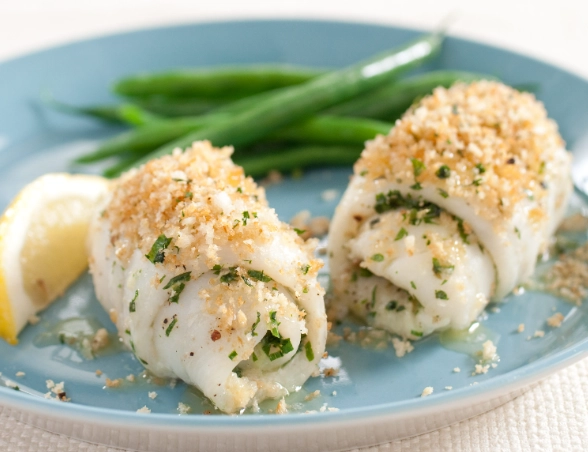
- Make a cut: At the tail end on the dark skin side, make a small cut down to the flesh, just enough to get a grip.
- Grip and rip: Use a paper towel to hold the tail firmly. With another paper towel, grab the loosened skin and pull it toward the head in one confident motion. It should come off like a sock. If it tears, you didn't get a good enough initial grip.
- Repeat: Flip and do the same for the white skin side (it's usually easier).
For fillets, the only non-negotiable step is drying. Pat them obsessively dry with paper towels. Moisture is the enemy of a good sear. Season just before cooking—salt can draw out moisture if left on too long.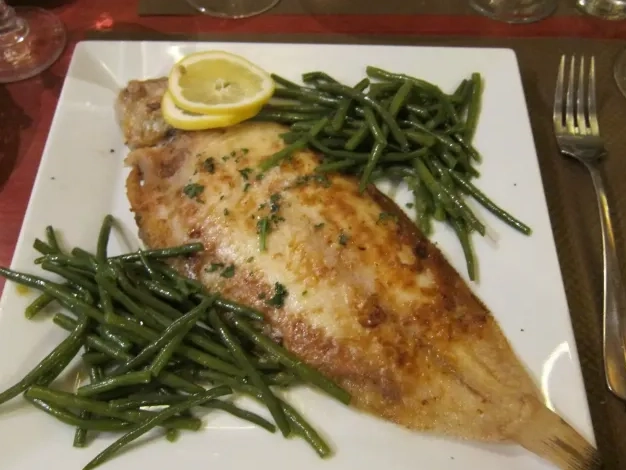
Cooking Methods: A Quick Comparison
Not sure how to cook it? Here’s a breakdown of the most effective ways.
| Method | Best For | Key Technique | Flavor Profile |
|---|---|---|---|
| Pan-Frying (Meunière) | Fillets, classic prep | Light flour dusting, quick cook in butter/oil | Rich, nutty, buttery with lemon |
| Sautéing | Fillets, modern twists | No flour, higher heat for a sear | Clean, pure fish flavor with pan sauces |
| Baking/En Papillote | Whole fish or fillets, healthy option | Gentle, steam-in-its-juices cooking | Delicate, infused with herbs & aromatics |
| Grilling | Whole fish (on a plank), sturdy fillets | Indirect heat, well-oiled grill or cedar plank | Smoky, charred edges |
For a first-timer, I always recommend starting with pan-frying. It gives you control and that iconic result.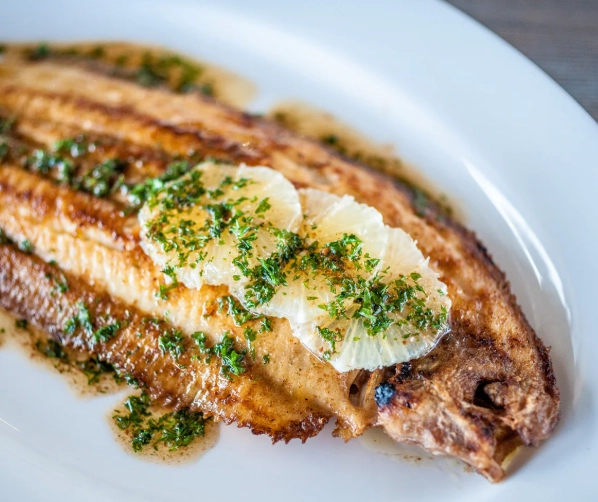
The Classic Dover Sole Meunière Recipe
This is the gateway recipe. "Meunière" means "miller's wife," referring to the light dusting of flour. It creates a fragile, golden crust that seals in juices and thickens the sauce ever so slightly.
Ingredients (for 2)
- 2 Dover sole fillets (about 6-8 oz each), skinless
- Salt and freshly ground black pepper
- 1/4 cup all-purpose flour
- 3 tbsp unsalted butter, divided
- 2 tbsp neutral oil (like grapeseed or canola)
- 1 tbsp fresh lemon juice
- 1 tbsp chopped fresh parsley
- 1 tsp capers, rinsed (optional but great)
- Lemon wedges for serving
Step-by-Step Instructions
1. Prep the Fish: Dry the fillets relentlessly. Season both sides lightly with salt and pepper just before cooking. Place the flour on a plate.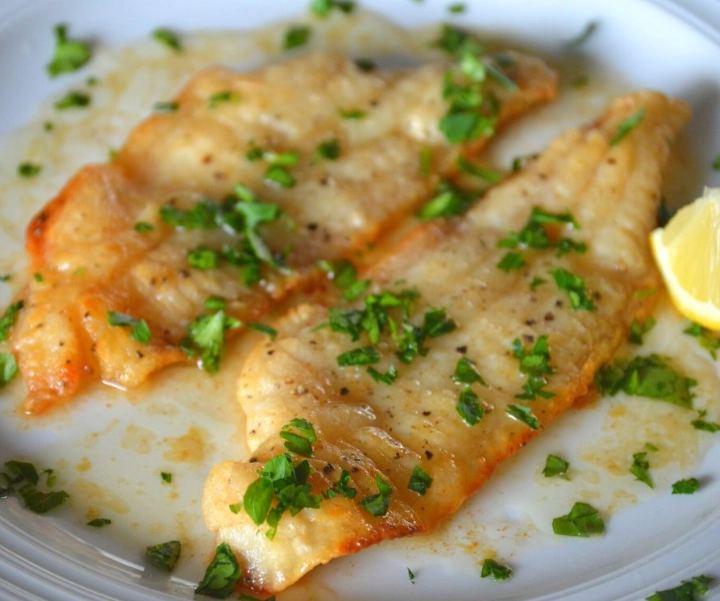
2. The Dusting: Lightly dredge each fillet in the flour, shaking off every single bit of excess. You want a whisper-thin coating, not a batter. This is crucial—too much flour turns gummy.
3. Cook the Fish: Heat 1 tablespoon of butter and all the oil in a large non-stick or well-seasoned skillet over medium-high heat. When the butter foam subsides, add the fillets. Cook for 2-3 minutes per side, depending on thickness, until golden brown and just opaque in the center. Don't move them until it's time to flip. Transfer to warmed plates.
4. Make the Sauce: This happens in under a minute. Wipe the skillet if there are burnt bits. Reduce heat to medium. Add the remaining 2 tablespoons of butter. Swirl until it melts and turns a light nutty brown—this is beurre noisette. It smells amazing. Immediately add the lemon juice (it will sizzle), parsley, and capers. Swirl the pan once more.
5. Serve: Pour the hot sauce directly over the fish. Serve immediately with lemon wedges. That's it.
The first time I made this, I was shocked at how the simple brown butter and lemon transformed into something so complex and restaurant-worthy. It's alchemy.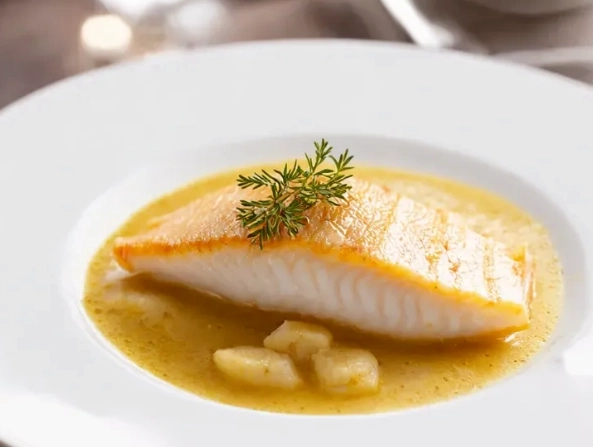
Your Dover Sole Questions, Answered
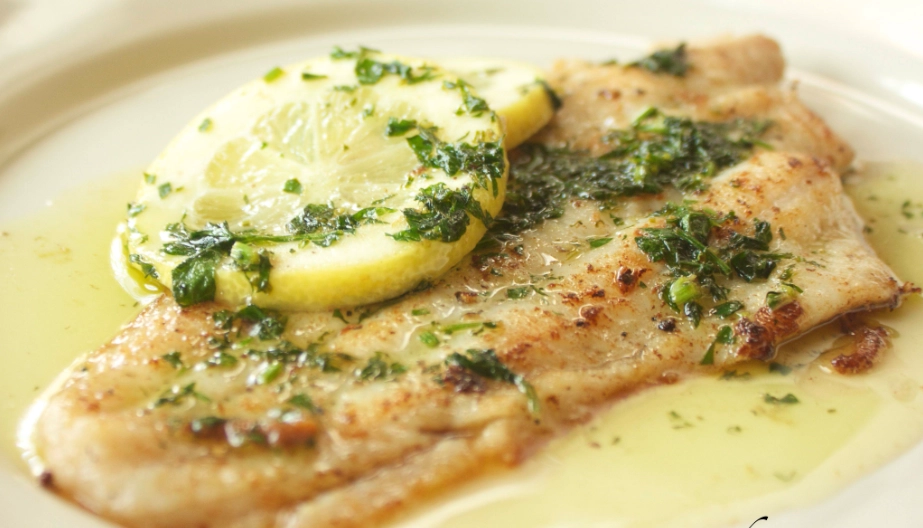
Dover sole doesn't need to be a mystery. It's just fish. Good fish. Treat it with respect, don't fuss over it too much, and let its natural qualities shine. Start with that Meunière recipe. Once you've nailed that, a world of possibilities opens up—sautéed with cherry tomatoes and olives, baked with fennel and white wine, or simply grilled with a brush of herb oil. The goal isn't to replicate a fancy restaurant, but to make a meal that feels special in your own home. That's the real win.