Let's be honest. You see a passionfruit, you buy it (or maybe you're lucky and have a vine). It sits on your counter. It looks exotic. You know it's packed with that tropical, sweet-tart punch. But then... what? Do you just eat it with a spoon? Again? There's only so many times you can do that before it feels like a missed opportunity.
Passionfruit is one of the most versatile tropical ingredients sitting in your kitchen right now. It works in more places than you think, and I'm here to move it from a countertop ornament to a workhorse in your kitchen. From the simplest uses to a few showstoppers.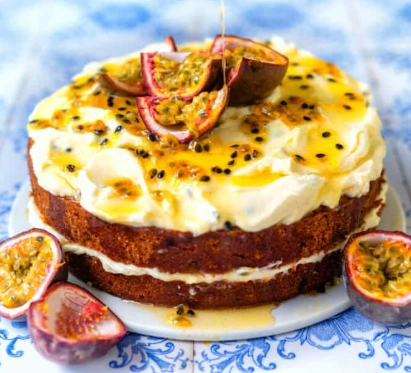
What’s Inside: Your Quick Guide to Passionfruit Perfection
Recipe Inspiration: Where to Start
If you've never cooked with passionfruit before, start simple. Its flavor is strong enough to carry a dish without needing a dozen other ingredients. Think of it as a seasoning, like a really good salt or a squeeze of lemon.
I tend to split passionfruit recipes into two main camps: those where the fruit is the loud, proud star, and those where it's a brilliant supporting actor. Both are valid, and both are delicious.
The Showstopper: Passionfruit Cheesecake
This is the one people remember. A creamy, no-bake cheesecake filling set over a buttery biscuit base. The passionfruit curd swirls on top, and the whole thing is chilled. The sharpness of the fruit cuts through the richness of the cream cheese in a way that lemon just can't match. It's a classic for a reason.
Here's my take, after making this probably a hundred times: Do not use bottled passionfruit juice. I know it's convenient. I know it's sitting there. But the flavor is flat, often overly sweet, and lacks the aromatic floral notes that make fresh passionfruit pulp so special. It's the difference between a vibrant, sunny day and a slightly overcast one. Just don't do it.
The Refreshing Counterpoint: Passionfruit Sorbet
When you want something clean, light, and palate-cleansing, a sorbet is your answer. This recipe is deceptively simple—just three core ingredients—but it demands attention to detail. The sugar needs to completely dissolve in the passionfruit puree before churning, or you'll get icy crystals. Churn it slowly until it's thick and creamy, not slushy.
A common mistake is to churn it at too high a speed. You want to incorporate air, but not so much that it becomes foamy. The sorbet should hold its shape when scooped. If it's still liquid, it needs more time. If it's rock hard, you've gone too far. Aim for the consistency of soft-serve ice cream.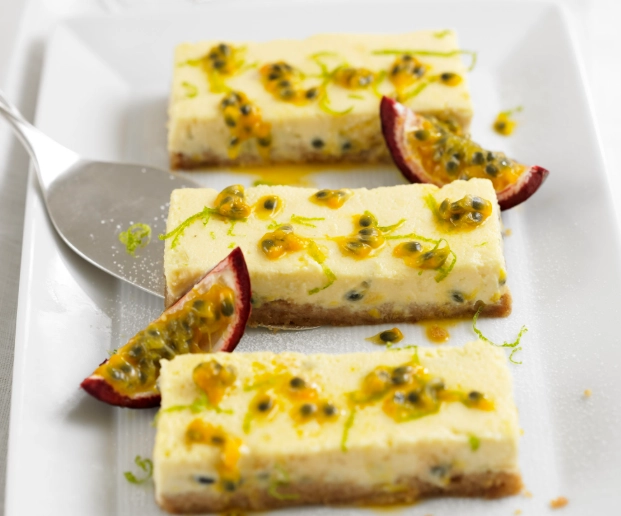
Sweet Treats: The Classics & A Surprise
Beyond cheesecake and sorbet, there's a whole world. Let's talk about Pavlova. A crisp, baked meringue shell with a soft, marshmallow-like center, topped with whipped cream and passionfruit curd. It's a textural masterpiece. The slight chew of the meringue against the smooth cream and the burst of tart fruit is... well, it's perfect.
But here's a personal favorite that doesn't get enough attention: Passionfruit and Mango Fool. It's essentially a layered fruit fool. Diced ripe mango, layered with a passionfruit-infused whipped cream (or yogurt, if you're feeling lighter). It's stupidly easy to assemble, looks elegant in a glass, and the combination of sweet mango and tart passionfruit is a guaranteed crowd-pleaser.
Key Tips for Working with Passionfruit
Now, let's get into the nitty-gritty. The part most recipes gloss over: how to handle the fruit itself. There's a right way and many wrong ways.
How to Select the Best Passionfruit
A good passionfruit feels heavy for its size. The skin should be slightly wrinkled, but not shrunken. It should give a little when you press it gently. Avoid fruits that are completely smooth and shiny—they're likely underripe. If the skin is deeply wrinkled, it's overripe, but the pulp inside might still be good. Trust your nose, too. A ripe passionfruit will have a strong, sweet fragrance at the stem end.
Extracting the Pulp: The Mess-Free(ish) Method
You have two main options. The first is to cut the fruit in half and scoop out the pulp with a spoon. This is fast and works well if you're using the pulp for something where appearance doesn't matter, like a smoothie or a sauce.
The second method, which I prefer for recipes where you want the seeds separated from the juicy pulp surrounding them (like for a curd or a syrup), is to use a fine-mesh strainer. Scoop everything into the strainer set over a bowl and press with the back of a spoon. The seeds will remain, and you'll have beautiful, seed-free pulp.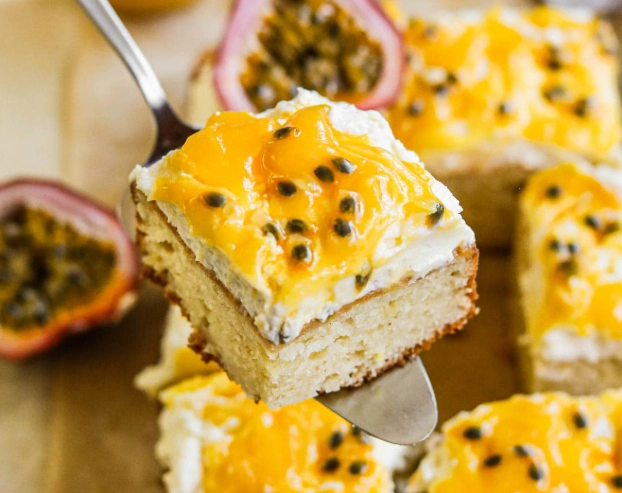
Storing Passionfruit Pulp: Freezing is Your Friend
Passionfruit pulp freezes exceptionally well. Portion it into an ice cube tray. Once frozen, pop the cubes out into a freezer bag. This gives you pre-measured amounts ready to go for any future recipe. The texture changes slightly upon thawing—it becomes a bit mushier—but this is perfect for using in cooked recipes, sauces, drinks, and baking.
I've found that freezing actually concentrates the floral notes of the fruit. Don't ask me about the science behind it; I just know it works. So, if you have a surplus, don't hesitate. Freeze it.
One last tip: When you're measuring previously frozen pulp for a recipe, do not try to scrape every last bit out of the measuring cup. The frozen pulp will have released more water, so what you see is a more concentrated pulp. Just level it off and call it a day. The extra bit won't make or break your dish, but trying to pack it in will.
Beyond Dessert: A Savory Interlude
This is where passionfruit truly shines for me. Its acidity can brighten up savory dishes in a way that's subtle but transformative. Think of it as a finishing touch.
Passionfruit Vinaigrette: The Simplest Place to Start
Combine passionfruit pulp, a good extra virgin olive oil, a touch of honey or maple syrup (to balance the tartness), a pinch of salt, and some freshly cracked black pepper. Whisk. That's it. Drizzle this over a simple green salad, and it's good. But take it a step further.
Try it over a salad with mixed greens, some creamy goat cheese, toasted walnuts, and maybe a few slices of ripe pear. The combination is outstanding. Or, use it as a marinade for grilled shrimp or chicken. The fruit's enzymes help tenderize the meat, and the flavor caramelizes beautifully on the grill.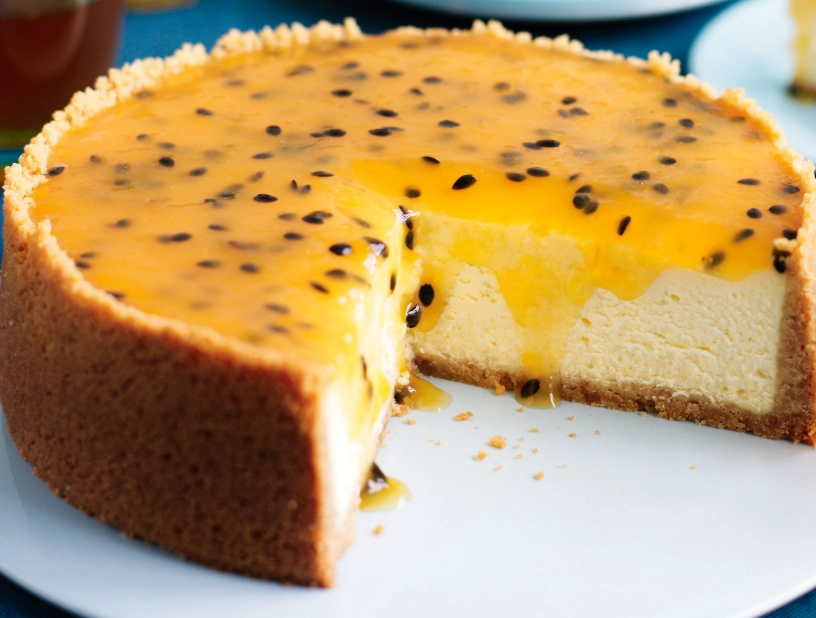
Grilled Fish with a Passionfruit Glaze: A Step Up
Take a firm white fish like halibut or cod. Season it simply with salt and pepper. Grill it until just cooked through. In the last minute of cooking, brush on a glaze made from reduced passionfruit pulp, a little soy sauce, a minced garlic clove, and a knob of butter. The heat will thicken the glaze slightly and create a beautiful, glossy coating.
The key here is not to over-reduce the passionfruit pulp. If you cook it down too much, it becomes bitter. You want it thick enough to coat the back of a spoon, but still fluid. Remove it from the heat the moment it reaches that stage.
Three Passionfruit Recipes to Try This Week
Here are three distinct recipes that showcase the fruit's versatility. I've chosen them because they range from 'no-cook' easy to 'requires a bit of attention' but are all absolutely worth the effort.
1. No-Bake Passionfruit Cheesecake (The Crowd-Pleaser)
Why it works: This is the ultimate make-ahead dessert. It requires zero baking, sets in the fridge, and is foolproof. The base is a simple combination of crushed digestive biscuits (Graham crackers work too) and melted butter. The filling is cream cheese, whipped cream, and sweetened condensed milk for stability and that iconic richness. The topping is just pure, sweetened passionfruit pulp. The contrast is everything.
The one mistake to avoid: Do not over-whip the cream. You want soft peaks that fold into the cream cheese mixture, not stiff peaks that will make your filling dense and difficult to spread. Fold gently until no white streaks remain.
2. Passionfruit Sorbet (The Refreshing Palate-Cleanser)
This sorbet is all about purity of flavor. It requires an ice cream maker, but the active work time is minimal. The sugar needs to be fully dissolved in the passionfruit puree before churning. This is called a 'simple syrup' stage, and if you skip it, you'll get icy crystals in your final product. Just heat the puree with the sugar until the sugar is completely dissolved, then chill it thoroughly before churning.
Churn it slowly. You're looking for a thick, creamy consistency that holds its shape when scooped, not a soft-serve or a rock-hard block. This usually takes about 20-25 minutes in most home ice cream makers, but always trust the look and feel over the timer.
3. Passionfruit & Mango Fool (The Elegant, No-Cook Layered Dessert)
This is my secret weapon for a stunning dessert that takes 15 minutes to assemble. It's all about the layering. Use tall glasses. Start with a layer of diced ripe mango. Then a layer of the passionfruit fool (whipped cream sweetened with a bit of icing sugar and folded with the passionfruit pulp). Repeat. Top with a final layer of just the pulp or a sprinkle of toasted coconut flakes. The visual appeal is through the roof.
The fool can be made up to a day in advance. Keep it covered in the fridge. The flavors will actually meld and improve over time. Just give it a quick stir before assembling the layers if it has separated slightly.