Explore This Guide
Let's be honest. When most people think of Asian food, their minds jump to Thai curries, Japanese sushi, or Chinese stir-fries. Philippine cuisine often gets left out of the conversation, which is a real shame. I used to think it was all just sweet spaghetti and fried chicken until I spent a summer with my friend's Lola (grandmother) in Pampanga, known as the culinary heart of the Philippines. That's when it hit me. Filipino food is this incredible, unpretentious, and deeply comforting fusion of its history—Malay roots, Spanish influences, Chinese techniques, and even a bit of American touch. It's food that's meant to be shared, eaten with your hands, and enjoyed with loud conversation. And the best part? You can absolutely make it at home.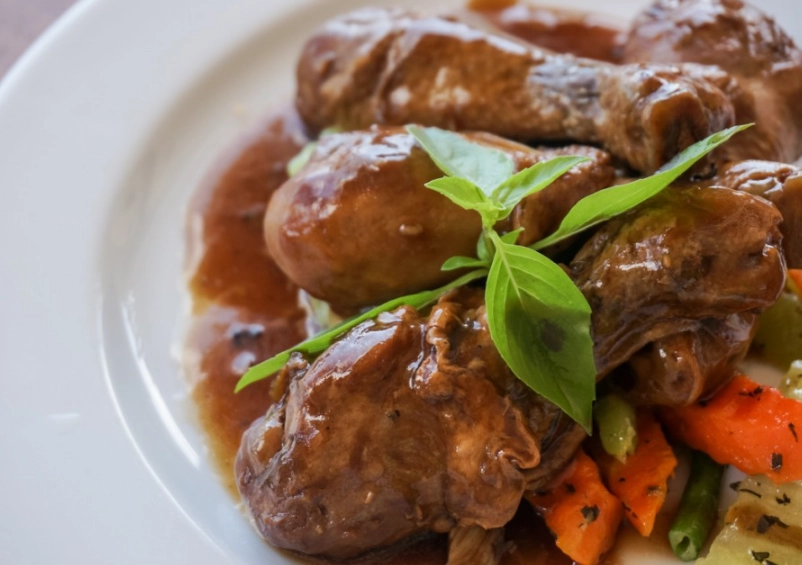
This isn't about fancy restaurant plating. This is about the Philippine cuisine recipes that have been passed down in kitchens for generations. The kind that simmers for hours, fills your house with an irresistible aroma, and brings everyone to the table. If you've been curious but felt intimidated, don't be. I'm here to walk you through it, mistakes and all. Remember my first Adobo? I used apple cider vinegar because I was out of cane vinegar and added way too much soy sauce. It was... aggressively salty. We live and we learn.
Before You Start: The Filipino Food Mindset
Forget delicate, precisely measured fine dining. Filipino cooking is forgiving, adaptable, and personal. Recipes are often guides, not laws. "Tikim" (to taste) is the most important instruction. It's about balancing the core flavors: salty, sour, sweet, and sometimes bitter. Don't stress about perfection. Embrace the process.
The Non-Negotiable Pantry: Your Filipino Kitchen Starter Kit
You don't need a specialty Asian market to start, but having a few key players will transform your cooking from "Filipino-inspired" to genuinely authentic. Here’s what you should have on hand.
The Liquid Gold: Sauces and Vinegars
This is where the magic happens. The flavor base of so many Filipino food recipes.
- Soy Sauce: Not just any soy sauce. Filipino brands like Silver Swan or Datu Puti are less salty and slightly sweeter than Japanese Kikkoman. It makes a difference in dishes like Adobo.
- Cane Vinegar: The star vinegar. It's milder, slightly sweet, and less acidic than white vinegar. Datu Puti is the go-to. If you can't find it, a mix of white vinegar and a pinch of sugar can work in a pinch.
- Fish Sauce (Patis): Don't be scared. It's the umami bomb. Used as a seasoning salt in many dishes and as a base for dipping sauces. A little goes a very long way.
- Banana Ketchup: Yes, it's a thing. A sweet, tangy, slightly spiced ketchup made from bananas, not tomatoes. It's the essential partner to Filipino-style fried chicken and spaghetti.
The Aromatics and Produce
These fresh ingredients build the foundation.
- Garlic & Onions: Used in copious amounts. Garlic is often minced very fine or crushed into a paste. Lots of it.
- Ginger: Frequently paired with garlic for sautés (the "gisa" base).
- Calamansi: The holy grail of Filipino citrus. It's like a cross between a lime and a mandarin. If you can't find it, a 50/50 mix of lime and orange juice is the best substitute.
- Long Green Chilies (Siling Haba): For mild heat. They're often added whole to stews.
Now, let's talk about the real workhorses, the ingredients that might be new to you but are absolutely worth seeking out. A quick trip to your local Filipino or Asian grocery store will set you up for success.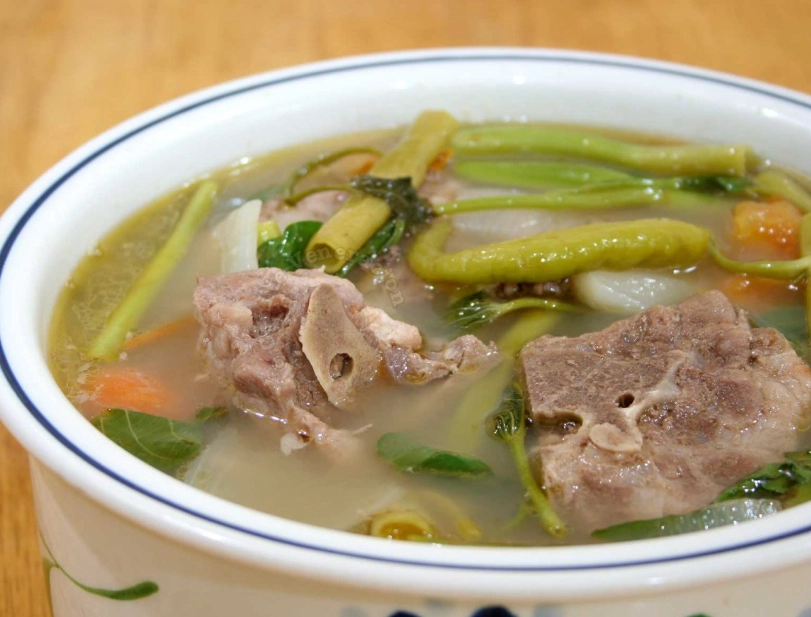
| Specialty Ingredient | What It Is | Used In | Where to Find/Substitute |
|---|---|---|---|
| Achuete (Annatto Seeds) | Small red seeds that give a vibrant orange-red color and a subtle, earthy, slightly nutty flavor. | Kare-Kare, some versions of Adobo, for coloring rice and meats. | Filipino/Asian stores. You can buy them as seeds or pre-made oil/ powder. For color only, a tiny bit of paprika or turmeric can hint at it, but it's not the same. |
| Bagoong (Shrimp Paste) | Fermented shrimp paste. Comes as a salty paste (bagoong alamang) or a fish sauce (bagoong isda). Strong, funky, incredibly savory. | Kare-Kare (as a side condiment), Pinakbet, as a base for sautés. | Essential for authenticity. Thai shrimp paste is a close cousin. Start with a small amount! |
| Patis (Fish Sauce) | Liquid seasoning from fermented fish. The Filipino version is often lighter than Thai or Vietnamese brands. | Used as seasoning salt in almost everything—stews, soups, sautés. Base for sawsawan (dipping sauce). | Widely available. Look for "Patis" or use Thai fish sauce (reduce quantity slightly as it's stronger). |
| Sinigang Mix | A powdered or paste seasoning that delivers the signature sour punch of Sinigang soup. | Sinigang (obviously!). The most common souring agent for home cooks. | Filipino stores, some large supermarkets. The "sinigang sa sampalok" (tamarind) version is the classic. Fresh tamarind is great but labor-intensive. |
Cooking the Classics: Your First 3 Philippine Cuisine Recipes
Alright, pantry is stocked. Let's get cooking. We'll start with the absolute essentials. These are the dishes every Filipino knows, the ones you'll find in almost every household. I've tried to simplify the steps without losing the soul of the dish.
1. Chicken Adobo: The National Dish
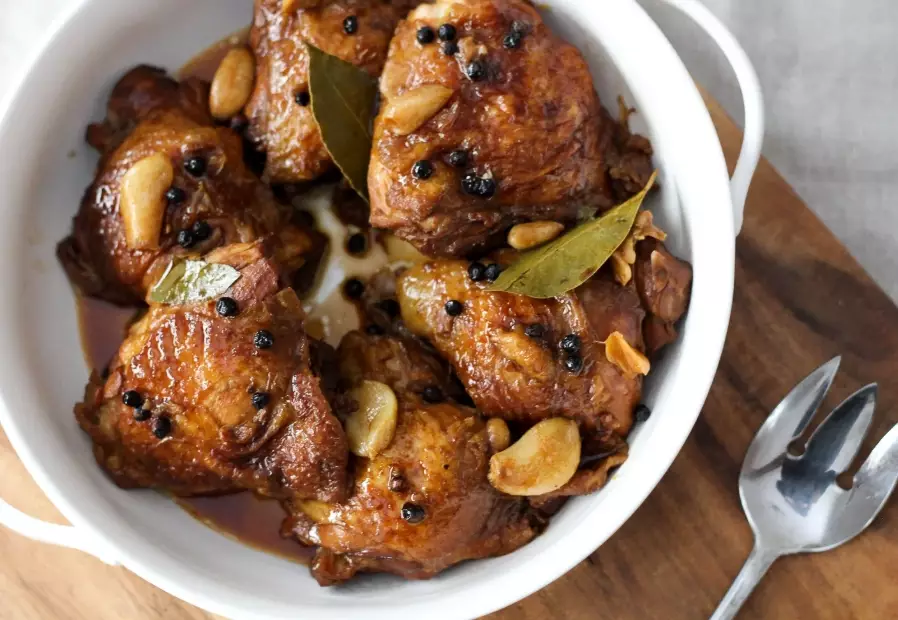
If you only try one Philippine cuisine recipe, make it this. It's deceptively simple but deeply complex in flavor. The method of simmering meat in vinegar, soy sauce, garlic, and peppercorns is a brilliant preservation technique that results in incredibly tender, flavorful meat. Every family has their own ratio—some like it more sour, some more salty, some add sugar for a hint of sweetness. This is my preferred, middle-of-the-road version.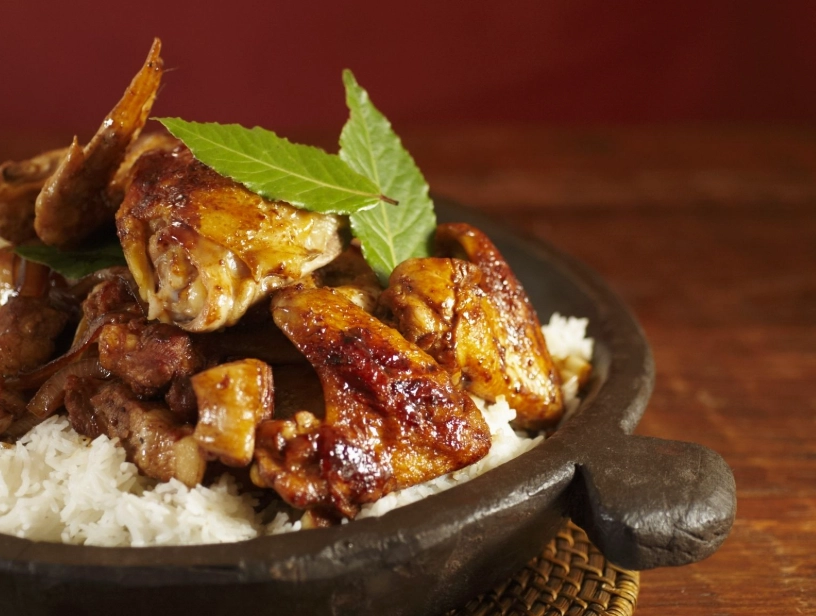
The Recipe (Serves 4-6)
- Protein: 2 lbs chicken thighs/legs (bone-in, skin-on for best flavor)
- The Marinade/Sauce: 1 cup cane vinegar, 1/2 cup soy sauce (Filipino brand if possible), 1 head of garlic (10-12 cloves, crushed), 2 bay leaves, 1 tsp whole black peppercorns.
- For Cooking: 1 tbsp cooking oil, 1 cup water.
How to Do It:
- Marinate (Optional but Good): Combine chicken with all marinade ingredients in a bowl for at least 30 minutes, or up to a few hours in the fridge. Don't marinate too long in the vinegar or the texture can get mushy.
- Brown the Chicken: Heat oil in a heavy pot (like a Dutch oven). Remove chicken from marinade (SAVE THE MARINADE). Pat chicken dry. Brown well on both sides. You're not cooking it through, just getting color. Do it in batches. Set aside.
- Simmer: Pour off excess oil. Put the chicken back in the pot. Pour in the reserved marinade and 1 cup of water. Bring to a boil, then immediately lower to a gentle simmer. Cover and let it cook for 30-40 minutes until the chicken is fork-tender.
- Reduce & Serve: Uncover, remove the chicken pieces again. Turn up the heat and boil the sauce for 5-10 minutes until it thickens slightly to a glaze. Put the chicken back in to coat. Serve over mountains of steamed rice.
My Tip: The sauce is liquid gold. Don't waste a drop. Pour it over your rice. Some people like to pan-fry the cooked adobo chicken for a few minutes to crisp up the skin—it's a game-changer.
2. Pork Sinigang: The Ultimate Sour Soup
This is comfort in a bowl. A tamarind-based sour soup with tender pork, vegetables, and a savory broth. It's tangy, savory, and incredibly refreshing, especially on a humid day. The sourness wakes up your palate. Using a sinigang mix makes it accessible, but if you're feeling adventurous, boiling and straining fresh tamarind pulp is worth the effort.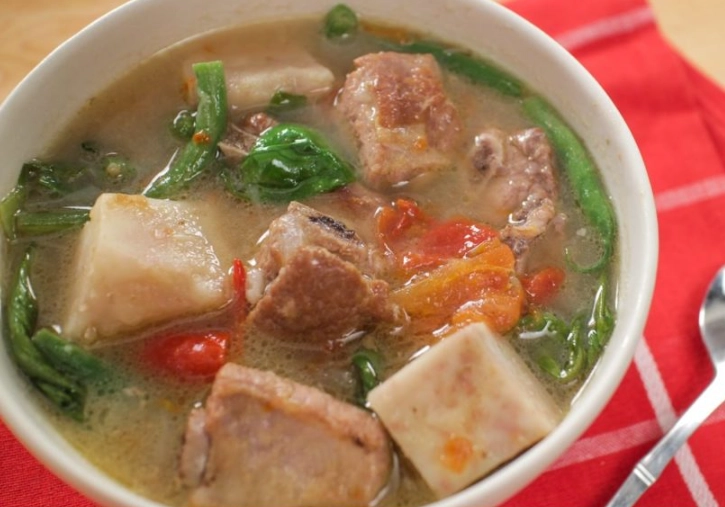
What vegetables go in? There's a standard lineup, but it's flexible. You'll often see:
- Radish (Labanos): Adds a mild, peppery crunch.
- String Beans (Sitaw): For texture.
- Eggplant (Talong): Soaks up the broth beautifully.
- Water Spinach (Kangkong) or Baby Bok Choy: Added last minute for greens.
- Tomatoes: For a bit of sweetness and body.
Here’s how to build it.
The Recipe (Serves 6)
- Protein: 2 lbs pork belly or pork spareribs, cut into bite-sized pieces.
- The Sour Agent: 1 packet (about 1.4 oz) Sinigang sa Sampalok (Tamarind) Mix.
- Veggies: 1 medium onion (quartered), 2 tomatoes (quartered), 1 daikon radish (peeled, sliced), 1 medium eggplant (sliced), a handful of string beans (cut into 2" pieces), 1 bunch kangkong or baby bok choy (ends trimmed).
- Seasoning: 2 tbsp fish sauce (patis), or to taste.
- Liquid: 10 cups water.
How to Do It:
- Boil the Pork: In a large soup pot, combine pork, water, and onions. Bring to a boil, skimming off any scum that rises. Lower heat, cover, and simmer for about 1 to 1.5 hours until the pork is very tender.
- Add Flavor & Veggies: Add the tomatoes and the sinigang mix packet. Stir to dissolve. Add the radish and simmer for 5 minutes. Add the eggplant and string beans, simmer for another 5-7 minutes until vegetables are tender but not mushy.
- Finish: Stir in the fish sauce. Taste! It should be distinctly sour and savory. Adjust with more sinigang mix for sourness or fish sauce for saltiness. Add the leafy greens (kangkong/bok choy) and push them into the broth. Cook for just 1-2 minutes until wilted. Serve hot in big bowls with rice on the side.
My Tip: Don't skip the skimming step at the beginning. It makes for a much clearer, cleaner-tasting broth. And please, have extra fish sauce on the table for people to adjust their own bowls.
3. Pancit Bihon: The Festive Noodle Dish
No birthday or celebration is complete without a mound of Pancit Bihon. It's a stir-fried rice noodle dish loaded with vegetables, meat, and seafood. Symbolizing long life, it's a staple of Filipino parties. The key is to soak the noodles just right and have all your ingredients prepped before you start cooking, because once you start stir-frying, it goes fast.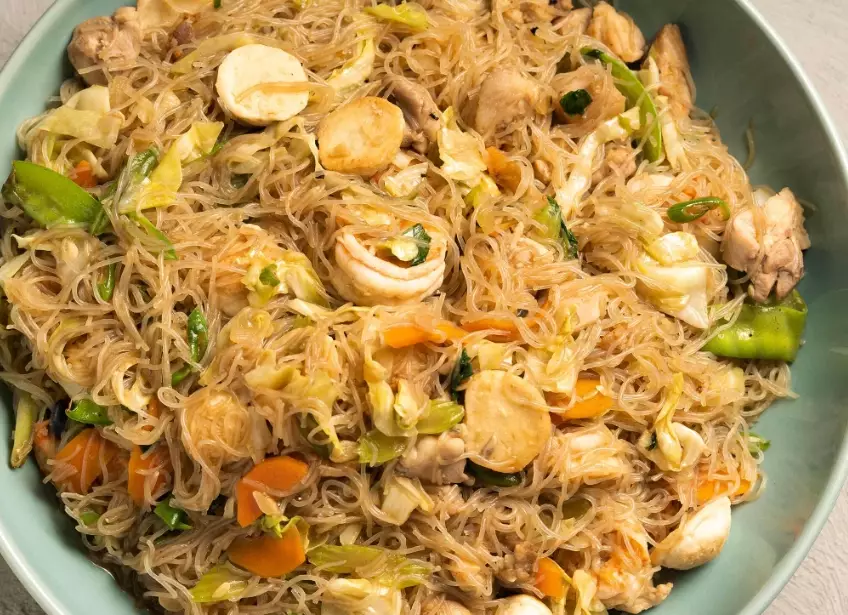
It seems like a lot of ingredients, but it's mostly chopping. The technique is straightforward.
The Recipe (Serves 8-10 as part of a spread)
- Noodles: 1 lb (about 4-5 bundles) Pancit Bihon (thin rice sticks).
- Proteins: 1/2 lb chicken breast (boiled, shredded), 1/2 lb pork loin (thinly sliced), 1/4 lb shrimp (peeled). You can use leftover Adobo chicken!
- Veggies: 1 onion (sliced), 4 cloves garlic (minced), 2 carrots (julienned), 1/2 small cabbage (shredded), 1 cup green beans (sliced), 2 stalks celery (sliced).
- Sauce/Liquid: 1/4 cup soy sauce, 1/4 cup fish sauce (or use all soy sauce), 6-7 cups chicken broth (from boiling the chicken), 1 tsp ground black pepper.
- For Serving: Lemon or calamansi wedges, hard-boiled eggs (quartered).
How to Do It:
- Prep: Soak the rice noodles in warm water for about 10 minutes until pliable but not fully soft. Drain. Set aside. Boil chicken breast in water until cooked, reserve the broth. Shred the chicken.
- Stir-fry in Stages: Heat oil in a VERY large wok or pot. Sauté garlic and onions until soft. Add the pork slices, cook until no longer pink. Add the shrimp, cook until pink. Push everything to one side.
- Cook Veggies: Add carrots and green beans, stir-fry for 2-3 minutes. Add celery and cabbage, stir-fry for another 2 minutes until veggies are tender-crisp.
- Combine & Simmer: Add the shredded chicken back in. Pour in the soy sauce, fish sauce, pepper, and 6 cups of the reserved chicken broth. Bring to a boil. Taste the broth—it should be quite savory.
- Cook the Noodles: Add the drained noodles. Using tongs, gently toss and fold the noodles into the liquid. They will absorb the broth and soften. Keep folding for about 5-7 minutes. If it looks dry before the noodles are cooked, add the remaining broth. The noodles are done when they are soft and have absorbed the flavors.
- Serve: Transfer to a large platter. Garnish with lemon wedges and egg quarters. Squeeze lemon juice over your portion right before eating—it cuts the richness perfectly.
My Tip: The biggest mistake is overcooking the noodles into mush. They continue to soften off the heat, so aim for "al dente" in the wok. And that squeeze of calamansi or lemon at the end? Non-negotiable for me.
Beyond the Basics: Answering Your Filipino Food Questions
You've got the recipes. But I know questions pop up. Here are some things I wondered about when I started, and what I've learned.
Taking It Further: Regional Gems and Festive Bites
Once you're comfortable with the national classics, the real fun begins. The Philippines is an archipelago of over 7,000 islands, and the food varies wildly from region to region. The culinary landscape is incredibly diverse, something celebrated by resources like the Project Gutenberg archive of early Philippine texts, which hint at historical foodways, and modern travel guides from the Philippine Department of Tourism.
Here are a couple of iconic regional dishes that are worth the extra effort.
Kare-Kare (from Pampanga)
This is a rich, peanut-based stew with oxtail, tripe, and vegetables, served with a side of bagoong (shrimp paste). It's a labor of love. The sauce is thickened with ground rice and peanuts, resulting in a thick, nutty, savory gravy. It's a centerpiece dish for big gatherings. Making the sauce from scratch is a project, but pre-made Kare-Kare mixes are decent shortcuts.
Kinilaw (from the Visayas)
Often called Filipino ceviche. Fresh raw fish (often tuna) is "cooked" in vinegar or calamansi juice, mixed with ginger, onions, chili, and sometimes coconut milk. It's bright, fresh, and spicy. The quality of the fish is absolutely critical—it must be sushi-grade fresh.
And then there are the snacks and desserts. You can't talk about Philippine cuisine recipes without the sweet end.
- Leche Flan: A richer, denser version of caramel custard, made with more egg yolks and sometimes condensed milk.
- Halo-Halo: The iconic shaved ice dessert. Layers of sweet beans, fruits, jellies, leche flan, and ube ice cream, topped with shaved ice and evaporated milk. It's a chaotic, delicious masterpiece.
- Lumpia: Spring rolls. Both fresh (lumpiang sariwa, with a fresh wrapper) and fried (lumpiang shanghai, the small, meat-filled ones). The fried ones are party food staples.
Final Thoughts: Just Start Cooking
The world of authentic Filipino recipes is vast and welcoming. It's cuisine born out of resourcefulness, history, and a love for gathering. It might seem unfamiliar at first—the combinations of sour and salty, the use of fermented pastes, the centrality of rice and vinegar. But once you taste a well-made Adobo, with the garlicky, savory-sour sauce mingling with a mouthful of steaming rice, it just clicks.
Don't get hung up on finding every single exact ingredient on your first try. Adapt. Use what you have. Taste as you go. The best Philippine cuisine recipes are the ones that come out of your kitchen, tweaked to your liking. Cook it for friends, eat it with your hands if you want to, and share it loudly.
That's the real secret. It's more than food; it's an experience. Now go boil some rice and get started.