Quick Navigation
- The Foundation: Choosing and Prepping Your Scallops
- The Step-by-Step Fried Scallops Recipe (No More Guesswork)
- The Science of the Sear: Oil, Heat, and Timing
- Beyond the Basic Plate: Serving and Pairing Ideas
- Answering Your Fried Scallops Questions (FAQ)
- A Note on Sustainability and Sourcing
- Bringing It All Together
Let's be honest. You've probably had disappointing fried scallops before. You know the ones. They look golden and promising on the outside, but you cut into them and they're either rubbery and tough, or worse, still cold and slimy in the middle. Or the breading falls off in one sad sheet. It's a letdown, especially when scallops aren't exactly cheap. But here's the thing – a truly great fried scallops recipe is within your reach. It's not about fancy techniques or obscure ingredients. It's about understanding a few simple principles and then having the confidence to execute them.
I've messed up my fair share of scallops over the years. I've overcrowded the pan and ended up steaming them. I've used oil that wasn't hot enough, resulting in a greasy, soggy coating. I've even, in a moment of panic, flipped them a dozen times, ensuring they'd never develop that gorgeous crust. But from those failures came the clarity for this guide. This isn't just a list of ingredients and steps. It's the *why* behind each step of a classic fried scallops recipe, so you can adapt and succeed every single time.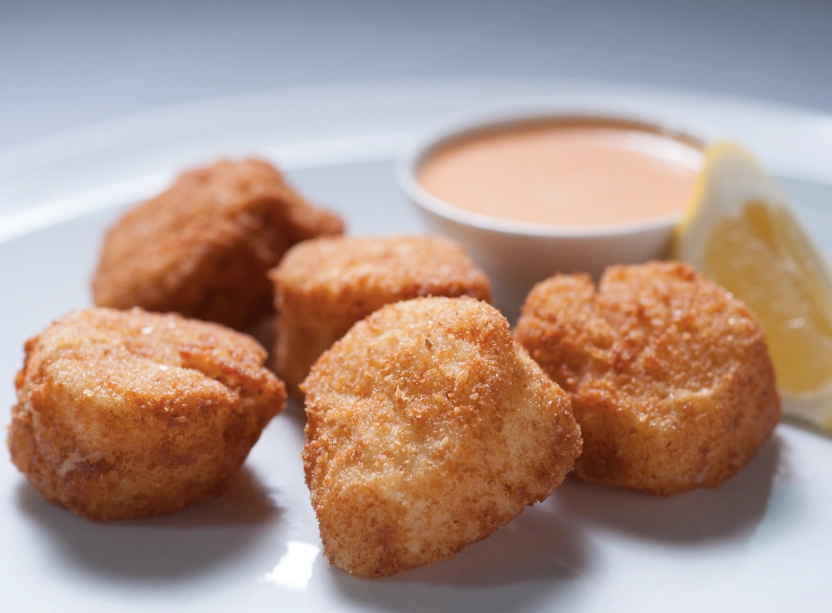
What are we aiming for? Perfection is a scallop with a shatteringly crisp, golden-brown exterior that gives way to a sweet, tender, and just-opaque interior. It should taste clean and of the sea, complemented by the crunch, not hidden by it. Whether you call it pan-fried, seared, or sautéed, the core goal is the same.
The Foundation: Choosing and Prepping Your Scallops
You can't build a great dish on a shaky foundation. The single most important factor in your fried scallops recipe is, unsurprisingly, the scallops themselves. Walk into any fish market or supermarket seafood section and you're faced with choices. Let's break down what you're actually looking at.
First, the size. You'll typically see them labeled as bay scallops (small) or sea scallops (large). For a standard fried scallops recipe, you want the large sea scallops. They have more surface area to develop that crust and a meatier, sweeter interior. Bay scallops are lovely in stews or pasta, but they're too tiny to pan-fry properly without overcooking.
Then there's the wet vs. dry debate. This is crucial. Many scallops are treated with a solution of water and sodium tripolyphosphate (STP) to prolong shelf life. These are "wet" scallops. They absorb the solution, which makes them whiter, heavier (you're paying for water), and they'll weep that liquid in the pan, preventing a good sear. You'll end up boiling them in their own juices.
What you want are "dry" scallops. They haven't been treated with anything. They look creamier or slightly beige, not stark white, and they have a natural, pleasant sea smell. They sear like a dream. Always ask your fishmonger if they're "dry-packed" or "dry." If they don't know, assume they're wet. For a reliable source on seafood handling and labeling, you can check guidelines from the U.S. Food and Drug Administration.
Once you have your perfect, dry sea scallops, prep is simple but non-negotiable. Remove the small, tough side muscle if it's still attached (it feels like a little flap). Pat them *thoroughly* dry with paper towels. I mean, really go to town. Any surface moisture is the enemy of browning. Season them generously with salt and pepper just before they hit the pan—salting too early can draw out moisture.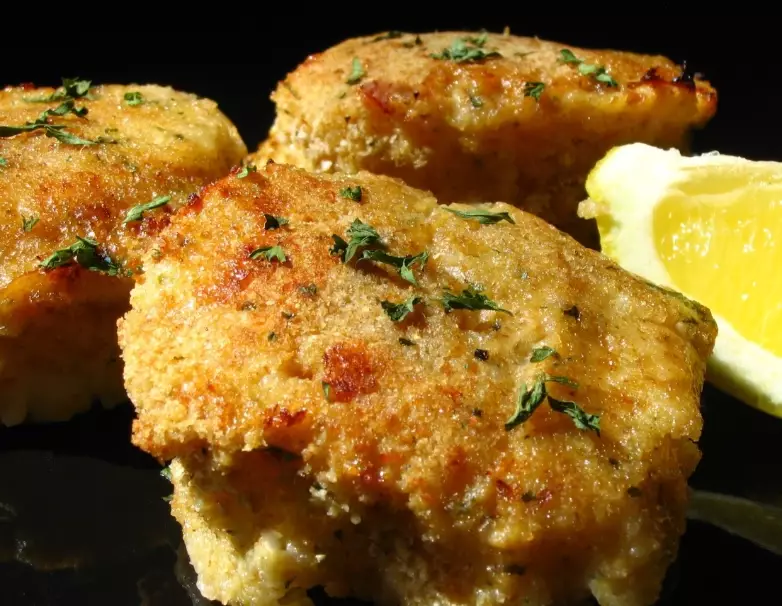
The Step-by-Step Fried Scallops Recipe (No More Guesswork)
Okay, scallops are dry, seasoned, and ready. Let's walk through the process. I'll give you the basic blueprint first, then we'll dive into the nuances that make all the difference.
Ingredients You'll Need
- 1 pound large dry sea scallops (about 10-12 scallops)
- Kosher salt and freshly ground black pepper
- 2 tablespoons high-smoke-point oil (like avocado oil, grapeseed oil, or a light olive oil. Don't use extra virgin here.)
- 1-2 tablespoons unsalted butter (optional, but recommended for flavor)
- Fresh herbs like thyme or parsley (optional, for finishing)
- A squeeze of lemon (almost mandatory)
See? Simple. No complicated breading station, no buttermilk soak. This is about pure, unadulterated scallop flavor.
The Cooking Process: A Minute-by-Minute Guide
- Heat the Pan: Use a heavy-bottomed skillet—cast iron or stainless steel are kings here. Non-stick can work, but it won't give you *quite* the same fond (those tasty browned bits). Place it over medium-high heat and let it get properly hot for a good 2-3 minutes.
- Add the Oil: Add your oil. It should shimmer and look fluid almost immediately. If it smokes, your pan is too hot. Dial it back a touch.
- The Moment of Truth: Carefully place your scallops in the pan, making sure they aren't touching. This is critical. Crowding steams them. Give them room. You may need to cook in two batches. Don't touch them. Set a timer for 2 minutes.
- Resist the Urge: For the love of all that is crispy, do not poke, prod, or peek for a full 2 minutes. This allows the Maillard reaction (that fancy term for browning) to work its magic and form a crust that will release naturally from the pan.
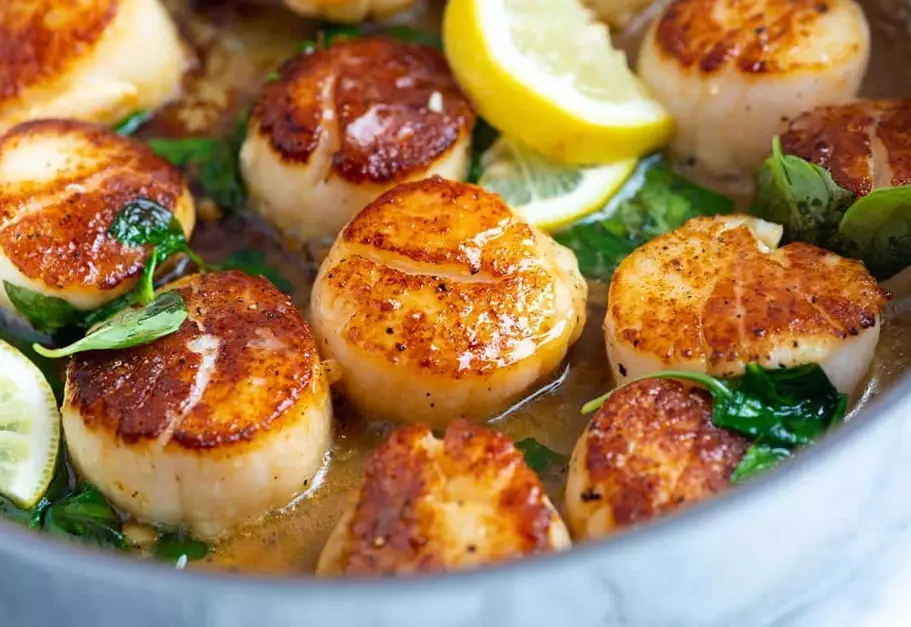
- Check and Flip: After 2 minutes, use tongs or a thin spatula to gently lift one edge. It should be a deep, golden brown. If it sticks, give it another 30 seconds. When it releases easily, flip each scallop. They should look beautiful.
- Butter Basting (The Flavor Bomb): Once flipped, add the butter and any herbs (like a couple thyme sprigs) to the pan. As the butter melts, tilt the pan and use a spoon to continuously scoop the foaming butter over the tops of the scallops. This cooks the second side and infuses incredible flavor. Do this for 1 to 1.5 minutes. For a medium-large scallop, 3-3.5 minutes total cooking time is usually perfect.
- Rest and Serve: Transfer the scallops to a warm plate immediately. Let them rest for a minute—this allows the juices to redistribute. Squeeze fresh lemon juice over the top.
That's the core method. But what about variations? A classic fried scallops recipe might just be salt, pepper, and lemon. But maybe you want something different.
Variation: A Light, Crispy Coating
Sometimes you want that extra textural crunch. For a simple, light coating that adheres:
- Pat scallops dry as usual.
- Dredge lightly in all-purpose flour, shaking off excess.
- Dip briefly in beaten egg.
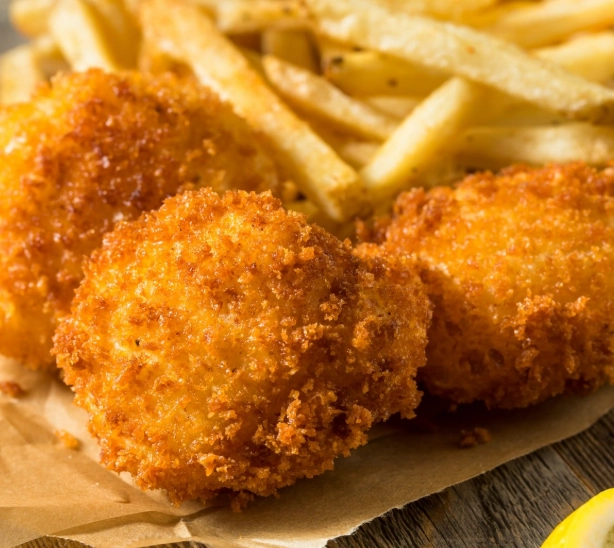
- Coat in fine, dry breadcrumbs (panko are great for extra crunch) or crushed crackers.
- Let them sit on a rack for 5-10 minutes to "set" the coating before frying in 1/4 inch of oil (shallow frying) at 350°F (175°C) until golden, about 2 minutes per side.
This version is fantastic for a fish fry feel or if you're serving kids who might prefer the familiar crunch.
The Science of the Sear: Oil, Heat, and Timing
Let's geek out for a second on why the steps above work. It helps to understand, so you can troubleshoot on the fly.
Pan Temperature: Too low, and the scallops will stew and turn rubbery as they slowly leach moisture. Too high, and the outside will burn before the inside is cooked. Medium-high is the sweet spot. A good test is to flick a tiny drop of water into the oil. It should skitter and evaporate quickly, not just sit and bubble slowly.
Oil Choice: You need an oil with a high smoke point. Butter alone will burn at the temps needed. That's why we start with a neutral oil and add butter later for flavor. The butter's milk solids will brown (that's the good flavor), but because we're basting and the scallops are almost done, it doesn't have time to burn.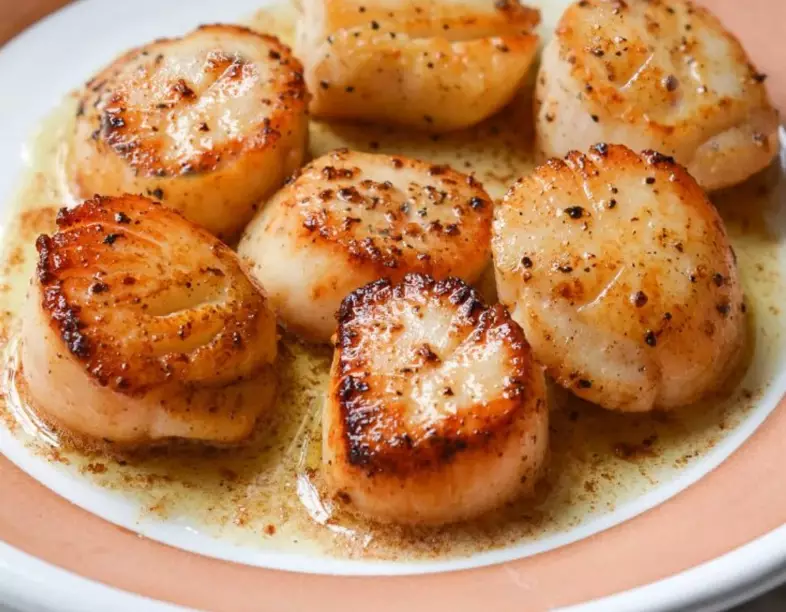
How do you know when they're done? Visual cues are best. The sides will have turned from translucent to opaque about two-thirds of the way up. You can also gently press on a scallop with your finger or the back of your tongs. It should feel firm but still have a slight give, like the fleshy part of your palm when you touch your thumb to your pinky. If it feels hard, it's overdone.
Here’s a quick-reference table for troubleshooting your fried scallops recipe based on the outcome:
| Problem | Likely Cause | How to Fix It Next Time |
|---|---|---|
| Scallops are soggy, no browning | Scallops were wet, pan wasn't hot enough, or pan was overcrowded. | Use dry scallops, pat drier, ensure oil shimmers, cook in batches. |
| Coating fell off | Scallops were wet before coating, or coating wasn't patted on firmly/let to set. | Dry thoroughly, use a light flour dredge first to create a "glue," let coated scallops rest. |
| Rubbery and tough | Overcooked. Cooked too long or at too high a heat. | Shorten cook time, use medium-high (not high) heat, remove from pan promptly. |
| Burnt outside, raw inside | Pan was far too hot. | Lower the heat to medium-high. Use a thermometer to aim for an oil temp of around 375°F (190°C) before adding food. |
| Tastes bland | Underseasoned. | Season more generously with salt right before cooking. Finish with flaky sea salt and acid (lemon). |
Beyond the Basic Plate: Serving and Pairing Ideas
Perfectly cooked scallops are a star. You don't need to do much. But the right accompaniments can turn them into a memorable meal.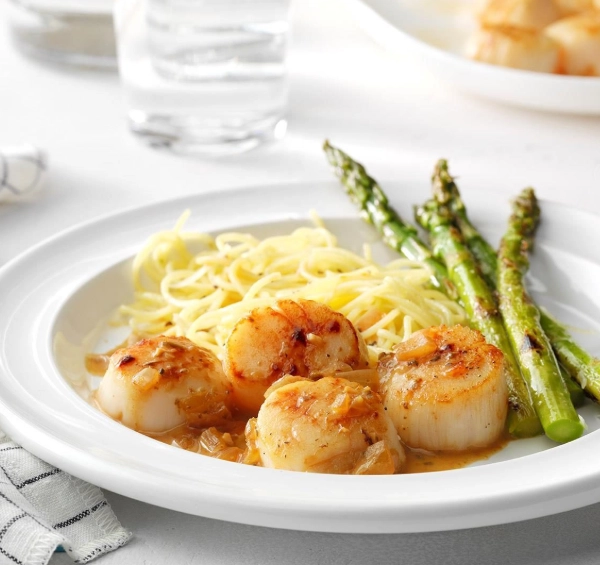
Sauces & Finishes: A simple lemon brown butter (just let the butter from the pan turn nutty brown after removing scallops, then add lemon) is divine. A quick herby gremolata (chopped parsley, lemon zest, garlic) adds freshness. For something richer, a puree of peas or cauliflower makes a gorgeous bed.
What to Serve With Fried Scallops: You want sides that won't compete but will complement.
- For a Light Meal: A simple arugula salad with a lemon vinaigrette. The peppery greens are perfect.
- For Something Heartier: Creamy risotto (saffron or lemon risotto is classic), or silky mashed potatoes to soak up any butter sauce.
- For a Quick Weeknight: Simple buttered noodles or angel hair pasta tossed with the pan sauce.
- Vegetable Sides: Sautéed spinach, roasted asparagus, or blistered cherry tomatoes.
The goal is balance. The rich, sweet scallop, the crispy crust, a hit of acid, and maybe something creamy or green. That's the formula for a restaurant-quality plate at home.
My Go-To Weeknight Fried Scallops Dinner
When I'm tired and want something impressive but fast, here's my 20-minute plan: Cook the scallops as described. While they rest, throw a handful of cherry tomatoes into the same pan with a pinch of salt. Let them blister for 2-3 minutes. Toss in two big handfuls of baby spinach until just wilted. Pile the spinach and tomatoes on a plate, top with the scallops, and drizzle everything with the lemony butter left in the pan. Dinner is served. It feels fancy but is dead simple.
Answering Your Fried Scallops Questions (FAQ)
A Note on Sustainability and Sourcing
As someone who loves seafood, I think it's responsible to consider where it comes from. Scallops are often a good sustainable choice because many are farmed via suspended culture (they grow in nets or cages), which has minimal environmental impact. Wild sea scallops from the U.S. Atlantic (like those from Maine or the Mid-Atlantic) are generally well-managed fisheries. Look for certifications from organizations like the Marine Stewardship Council (MSC) or recommendations from the NOAA FishWatch program. Asking your fishmonger about the origin is a great habit.
It makes the meal taste even better, knowing it's a responsible choice.
Bringing It All Together
So there you have it. The ultimate guide to a fried scallops recipe that works. It boils down to a few pillars: start with the best dry scallops you can find, treat them right by drying them thoroughly, use enough heat and don't crowd the pan, and have the discipline to let them sear undisturbed. The rest—the butter basting, the lemon squeeze, the simple sides—is just delicious refinement.
Don't be intimidated. Scallops cook in minutes. The margin for error is small, but the rules to stay within that margin are simple and clear. Once you nail this basic pan-fried method, you've got a spectacular, company-worthy dish in your back pocket that's deceptively easy. It's the kind of thing that makes people think you're a kitchen wizard.
Go grab some scallops and give it a shot. And remember, even if you slightly overcook them the first time, you're still eating scallops. It's not a total loss. Learn, adjust, and try again. The journey to perfect fried scallops is a delicious one.