Quick Navigation
Let's talk about chicken pie. Not the sad, soggy-bottomed kind you might regret buying. I mean the real deal. The one that fills your kitchen with the smell of butter and thyme, the one with a filling so creamy it's almost a hug, and a crust so flaky you have to chase bits of it around your plate.
Making a great chicken pie recipe from scratch can feel intimidating. The pastry! The sauce! Will it be runny? Will the top burn? I've had my share of kitchen fails. One time, I was so eager I put a hot filling into the pastry case and ended up with a soggy, steamed mess. Lesson learned the hard way.
But here's the thing. A truly great homemade chicken pie is absolutely within reach. It's about understanding a few key steps, not just following a list. This guide is for anyone who's ever looked at a chicken pie recipe and thought, "I wish mine looked like that." We'll walk through the classic version, tackle common problems, and explore ways to make it your own. Whether you're after a quick weeknight version or a show-stopping centerpiece, we've got you covered.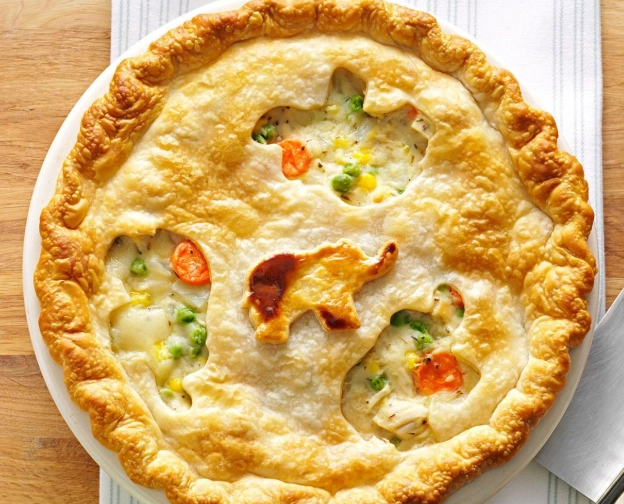
The Heart of the Matter: Deconstructing the Perfect Chicken Pie
Every great chicken pie recipe rests on three pillars. Get these right, and you're 90% of the way there.
The Filling: Creamy, Not Gluey
The filling is the soul. It should be rich, flavorful, and have a luxurious consistency that coats the chicken and vegetables without being pasty or, worse, watery.
Start with the chicken. You can use leftover roast chicken (a fantastic time-saver), poach some breasts and thighs, or even pick up a rotisserie chicken. Using a mix of white and dark meat gives you better flavor and texture. Shred it or chop it into hearty chunks. None of those tiny, sad cubes.
The vegetables are your supporting cast. The holy trinity for a classic chicken pie is onion, carrot, and celery. Dice them evenly so they cook at the same rate. Frozen peas are a lifesaver—toss them in at the end so they stay bright green. Some recipes add mushrooms or leeks, which is fantastic.
Now, the sauce. This is where many recipes go wrong. A flour-thickened roux (butter and flour cooked together) is the standard. You cook it for a minute to get rid of the raw flour taste, then whisk in your liquid—usually chicken stock and a splash of cream or milk. Mustard, thyme, a bay leaf, and a good hit of black pepper are my non-negotiables for seasoning. The sauce should be quite thick in the pan, as it will loosen slightly in the oven. If it's already pourable before baking, you'll have soup.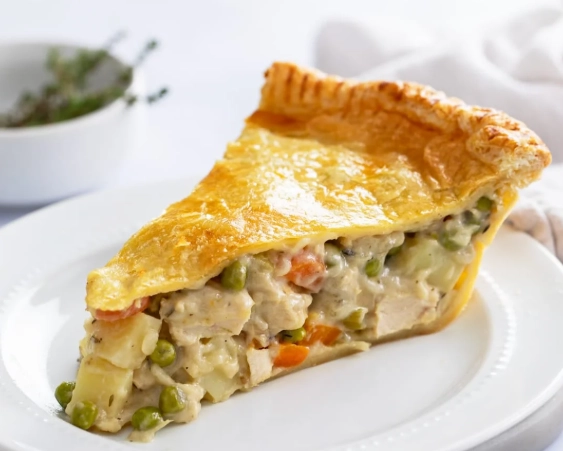
The Pastry: Flaky vs. Shortcrust
This is the crown. The debate between flaky puff pastry and sturdy shortcrust pastry is a heated one in my house. My partner swears by the buttery layers of puff. I often prefer the satisfying, crumbly bite of a good shortcrust—it holds up better to a creamy filling.
Let's break it down.
| Pastry Type | Best For | Effort Level | Key Characteristic |
|---|---|---|---|
| Flaky Puff Pastry (store-bought or homemade) | A light, impressive top crust. Lifts high and shatters. | Easy (store-bought) / High (homemade) | Buttery, airy, many crisp layers. |
| Shortcrust Pastry | Full top-and-bottom crust pies. More substantial. | Medium | Tender, crumbly, buttery, holds shape. |
| Biscuit Topping (American-style) | A rustic, dumpling-like top. Soaks up gravy. | Easy | Soft, fluffy, bready topping. |
Honestly? For a weeknight, good-quality all-butter puff pastry from the freezer section is a godsend. Just thaw it properly. If you're going the shortcrust route, keep everything cold—your butter, your water, even your hands. Overworking the dough is the enemy of tenderness.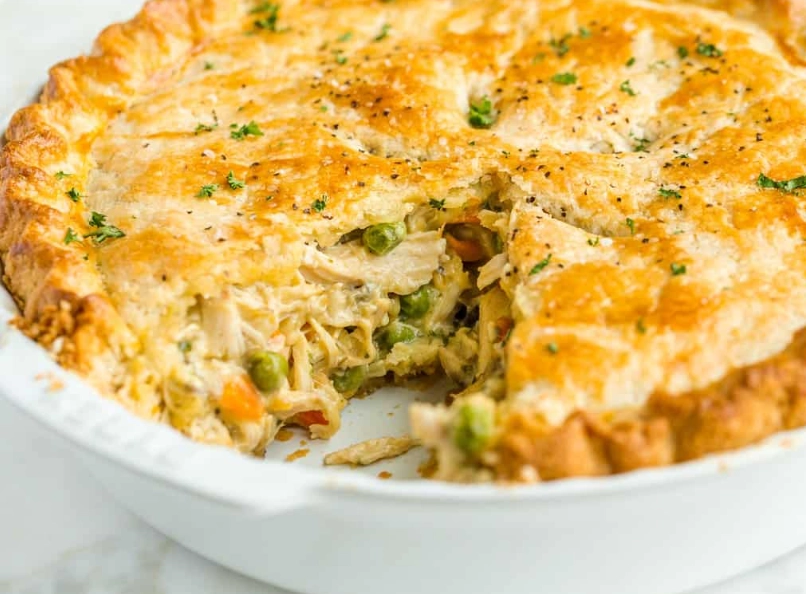
The Assembly and Bake: Avoiding the Soggy Bottom
This is the final hurdle. You have your perfect filling and your beautiful pastry. Now, don't ruin it.
Rule number one: Let the filling cool completely before you add the pastry. A hot filling will steam the pastry from below, guaranteeing a soggy bottom. I spread mine on a tray to cool faster. Patience is a virtue here.
If you're using a bottom crust, blind bake it. That means lining your dish with pastry, pricking it with a fork, lining it with parchment paper and baking beans (or uncooked rice), and baking it for 15-20 minutes until set. This creates a moisture barrier.
Egg wash is your friend. A beaten egg (sometimes with a little milk or cream) brushed over the pastry before baking gives you that deep golden, glossy finish. Don't forget to cut a few steam vents in the top! Without them, the steam from the filling has nowhere to go and can blow out the sides or make the top soggy.
Bake it until the pastry is deeply golden and the filling is bubbling up through the vents. That bubbling is your signal that the inside is piping hot all the way through.
The Step-by-Step Classic Chicken Pie Recipe
Alright, let's put theory into practice. Here is my go-to, no-nonsense recipe for a classic chicken pie. This makes one large pie to feed 4-6 people generously.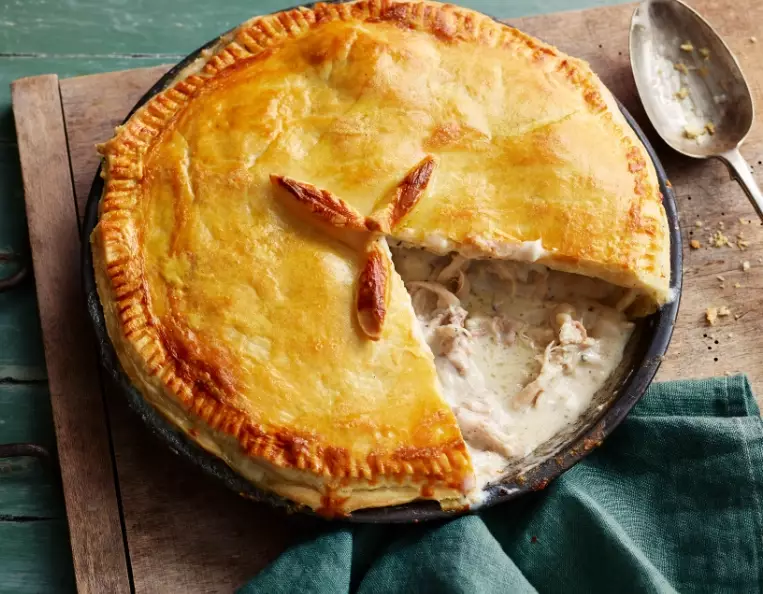
Ingredients You'll Need
For the Filling:
- 3 cups cooked chicken, shredded or chunked (from about 1 lb raw)
- 2 tbsp butter
- 1 medium onion, diced
- 2 medium carrots, diced
- 2 celery stalks, diced
- 1/3 cup all-purpose flour
- 2 cups chicken stock (homemade or good-quality low-sodium)
- 1/2 cup heavy cream or whole milk
- 1 tsp Dijon mustard
- 1 tsp dried thyme (or 3-4 sprigs fresh)
- 1 cup frozen peas
- Salt and freshly ground black pepper to taste
For the Pastry & Finish:
- 1 sheet of all-butter puff pastry, thawed, OR enough shortcrust pastry for a top crust
- 1 egg, beaten (for egg wash)
- Optional: a sprinkle of flaky sea salt
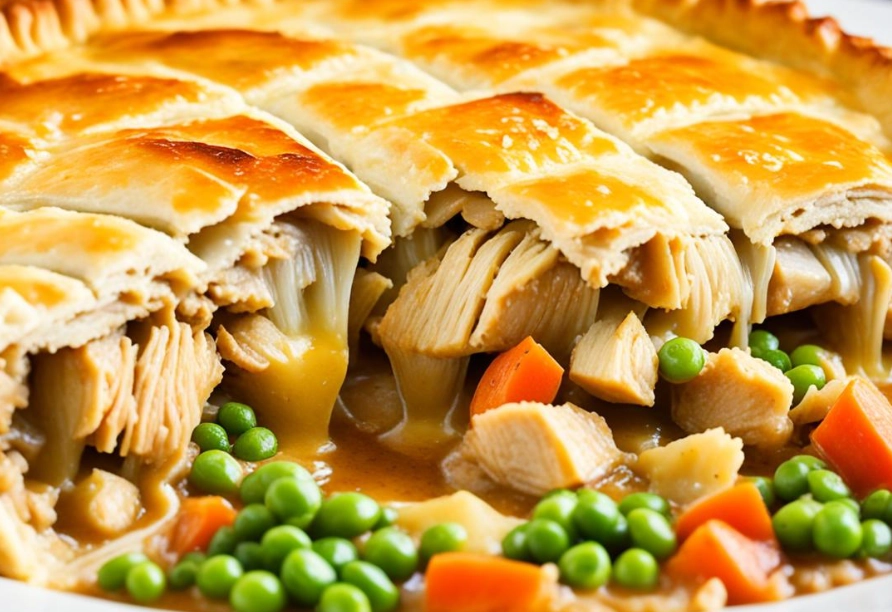
Making the Filling
- Melt the butter in a large Dutch oven or saucepan over medium heat. Add the onion, carrot, and celery. Cook, stirring now and then, for about 8-10 minutes until softened but not browned.
- Sprinkle the flour over the vegetables. Cook, stirring constantly, for a full minute. This cooks out the raw flour taste.
- Gradually pour in the chicken stock, whisking constantly to avoid lumps. Bring to a simmer. The mixture will thicken considerably.
- Stir in the cream, mustard, and thyme. Season well with salt and pepper. Remember, the chicken will add some salt, but the sauce needs seasoning now.
- Fold in the cooked chicken and frozen peas. Taste and adjust seasoning—it should be highly flavorful. Remove from heat and let cool completely. This is the most important step for your chicken pie recipe success. Transfer to a wide bowl to speed up cooling.
Assembling and Baking
- Preheat your oven to 400°F (200°C). Place a baking sheet on a middle rack to heat up—this helps cook the bottom crust.
- Transfer the cooled filling into a 9-inch pie dish or similar-sized baking dish.
- Roll out your pastry on a lightly floured surface to fit the top of your dish with a slight overhang. Drape it over the filling.
- Trim any excess pastry and crimp the edges to seal. Use a sharp knife to cut 4-5 slits in the center for steam to escape.
- Brush the entire top with the beaten egg wash. For extra flair, you can sprinkle a little flaky salt.
- Place the pie dish on the preheated baking sheet. Bake for 30-35 minutes, or until the pastry is puffed and a deep, golden brown, and the filling is visibly bubbling through the vents.
- Let the pie rest for at least 10-15 minutes before serving. This allows the filling to set slightly, so it doesn't run everywhere when you cut into it.
And there you have it. The blueprint for a fantastic classic chicken pie.
Beyond the Classic: Variations to Make It Your Own
The beauty of a chicken pie recipe is its adaptability. Once you've mastered the base, the world is your oyster (or your chicken pot pie). Here are some popular twists.
Global Twists on Chicken Pie
- Curried Chicken Pie: Add 1-2 tbsp of your favorite curry powder to the vegetables when you sauté them. Use coconut milk instead of cream for the sauce. A handful of raisins or sultanas stirred in at the end adds a lovely sweet note.
- Chicken & Leek Pie: Replace the carrot and celery with 2-3 cleaned and sliced leeks. A touch of white wine in the sauce pairs beautifully. This is a wonderfully elegant version.
- Tex-Mex Chicken Pie: Use a cornbread batter or biscuit topping. Add a can of drained black beans, corn kernels, and a diced jalapeño to the filling. Season with cumin, chili powder, and a squeeze of lime. Top with shredded cheddar cheese before adding the topping.
Shortcuts for Busy Cooks
We don't always have time for the full from-scratch experience. No shame in that.
- The Rotisserie Chicken Shortcut: This is the #1 time-saver. A store-bought rotisserie chicken gives you perfectly cooked, flavorful meat in minutes. Just be mindful of the seasoning in your sauce, as the chicken is often already salted.
- Using Frozen Vegetables: A bag of frozen mixed vegetables (peas, carrots, corn, green beans) is perfect. No chopping required. Add them straight from the freezer when you add the chicken.
- Canned Soup Base (The Controversial One): Some "cheater" recipes use a can of condensed cream of chicken or mushroom soup mixed with a little stock or milk as the sauce base. I'm not a huge fan of the texture or salt content, but in a pinch, it works. I'd doctor it up with fresh herbs and pepper.
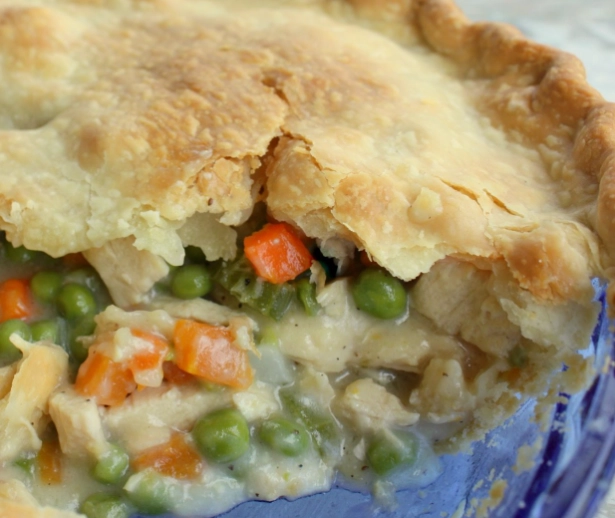 I have a love-hate relationship with frozen vegetable mixes. They're incredibly convenient, but sometimes the green beans can be a bit tough. I prefer to use just frozen peas and corn, and sauté fresh carrots and celery for better texture. It's a small extra step that makes a difference.
Answering Your Chicken Pie Questions (FAQs)
Can I make a chicken pie ahead of time?Absolutely. You have two great options. First, you can make the filling up to 2 days ahead and store it covered in the fridge. Assemble with cold pastry and bake when needed. Second, you can assemble the entire pie, wrap it tightly, and freeze it before baking. Bake from frozen, adding 15-20 minutes to the baking time. Don't freeze it after baking, as the pastry can become soggy when thawed.How do I store and reheat leftovers?Leftover pie keeps covered in the fridge for 3-4 days. To reheat, I avoid the microwave if possible—it turns the pastry soft. Instead, warm individual slices in a 350°F (175°C) oven or toaster oven for 10-15 minutes until hot through. This helps crisp the pastry back up a bit.My filling is too runny. What did I do wrong?This is the most common issue. Likely, the sauce wasn't thick enough before baking, the filling was still warm when assembled (causing steam), or the pie wasn't baked long enough for the filling to thicken and bubble. Next time, cook your roux-based sauce until it's very thick in the pan, let the filling cool completely, and ensure you see active bubbling through the steam vents before taking it out.Can I use other meats in this recipe?Of course! The basic creamy vegetable sauce and pastry technique works for many meats. Turkey pie after Thanksgiving is a classic. A ham and leek pie is delicious. For a beef pot pie, you'd want to brown stewing beef cubes first and simmer them in the stock until tender before making the sauce.Is it safe to put a hot pie filling into a pastry case?I strongly advise against it. As mentioned, it's the primary cause of a soggy bottom. The hot filling generates steam that gets trapped under the pastry, preventing it from crisping. Always cool your filling. If you're short on time, spread it on a baking sheet to cool faster, or even pop it in the fridge for a bit.Essential Tools & Final Thoughts
You don't need fancy gear, but a few tools make the process smoother.
- A good, heavy-bottomed saucepan for the filling.
- A rolling pin (a wine bottle works in a pinch!).
- A pie dish (ceramic or glass are best for even baking).
- A pastry brush for the egg wash.
- For food safety tips on handling poultry and leftovers, the U.S. Food Safety website is an authoritative resource.
So, what's the secret to the best chicken pie recipe? It's not one magic ingredient. It's understanding the why behind the steps. It's taking the time to build flavor in the filling and respecting the pastry. It's accepting that sometimes, a store-bought shortcut is the difference between a home-cooked meal and takeout.
This dish is about comfort, about feeding people you care for. Don't stress over perfection. My first few attempts were far from perfect, but they were always eaten with joy. Start with the classic, then make it yours. Add more pepper, try a different herb, throw in some bacon. Before you know it, you'll have your own signature chicken pie recipe that people ask you for. And that's the best feeling of all.
Now, go preheat that oven. Your perfect chicken pie is waiting.