Quick Navigation
- Why Duck Breast Deserves Your Attention
- The Non-Negotiable First Step: Prepping the Skin
- How to Cook It: Mastering the Two Main Methods
- Doneness & Resting: The Final Hurdle
- Three Can't-Miss Duck Breast Recipes to Master
- What to Do With All That Leftover Duck Fat?
- Common Mistakes (And How to Avoid Them)
- Your Duck Breast Toolkit
- Answering Your Duck Breast Questions
- A Quick Note on Nutrition
Let's be honest. Duck breast can be intimidating. You see it on fancy restaurant menus, all perfectly pink with this impossibly crispy skin, and it just feels... out of reach for a home cook. I used to think that too. The first time I tried to cook one, I ended up with something tough and greasy, the skin flabby and sad. It was a disaster that almost put me off for good.
But here's the thing. Once you crack the code, cooking a perfect duck breast is surprisingly straightforward. It's not about fancy skills; it's about understanding a few simple principles. This guide is everything I wish I'd known back then. We're going to move beyond just a list of duck breast recipes and get into the how and the why. By the end, you'll be searing duck breast with more confidence than a Sunday morning chicken.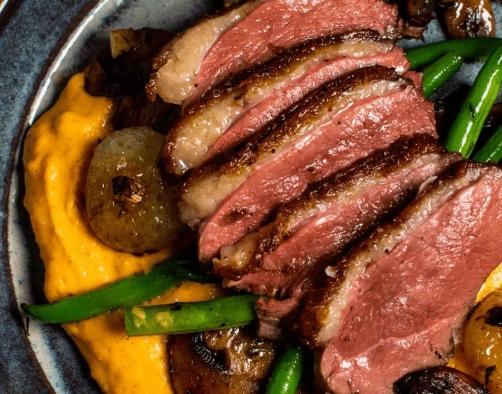
Why Duck Breast Deserves Your Attention
It's not just another piece of poultry. Duck breast, or magret if it's from a fattened duck, is in a league of its own. The meat is dark, rich, and deeply flavorful—closer to a good cut of red meat than to chicken. And then there's the fat. Oh, the glorious layer of fat under the skin.
Most people's fear (and previous failures) stem from that fat. They see it render out in the pan and panic, thinking they're frying the meat. But that fat is your best friend. It's the key to that legendary crispy skin and it bastes the meat in its own juices as it cooks, keeping it incredibly moist. The goal isn't to eliminate the fat; it's to harness it.
The Non-Negotiable First Step: Prepping the Skin
This is where 90% of the battle is won or lost. Skip this, and you're setting yourself up for failure. I'm not kidding.
Take the duck breast out of the fridge at least 20 minutes before cooking. You want it to come closer to room temperature for even cooking. Pat it bone-dry with paper towels. Any moisture on the skin will steam it instead of crisping it.
Now, the most critical part: scoring the skin. Use a very sharp knife (a paring knife works great) and cut through the fat and skin, but stop before you hit the meat. You want a cross-hatch pattern, with cuts about half an inch apart. Why? You're creating dozens of little channels for the fat to render out. More surface area equals more crispiness. It also helps the skin contract evenly so it doesn't curl up.
Season generously with salt. I mean, really get in between those score lines. The salt also helps pull moisture from the skin, aiding the crisping process. Pepper goes on the *meat side only* at the end, as it can burn in the hot pan if on the skin during searing.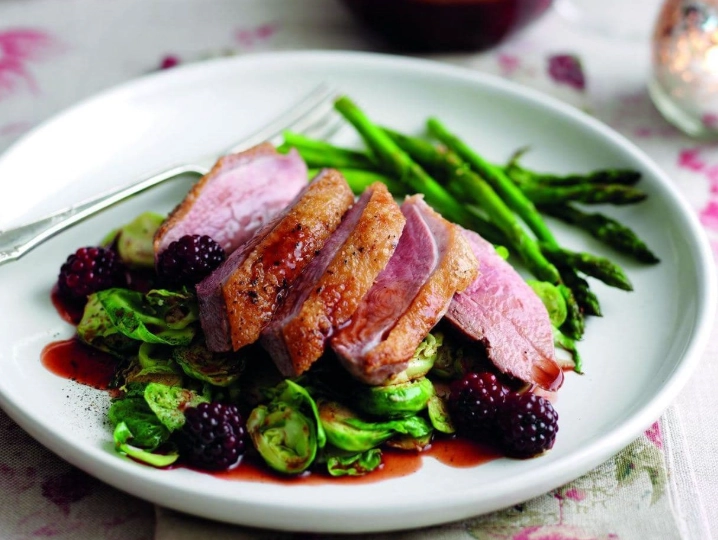
How to Cook It: Mastering the Two Main Methods
You'll find a million duck breast recipes, but they almost all boil down to one of two core techniques. Let's break them down.
Method 1: The Classic Pan-Sear & Finish in the Oven
This is my go-to, especially for thicker breasts. It gives you maximum control over the skin and a perfectly even cook from edge to edge.
- Start Cold, Skin-Side Down: Place the breast, skin-side down, in a cold, heavy-bottomed skillet (cast iron or stainless steel is perfect). No oil needed. Turn the heat to medium-low. Yes, low and slow to start. This gentle heat slowly renders the fat without burning the skin. You'll see the fat start to melt out. It's a beautiful thing.
- Render and Crisp: Let it go for 8-12 minutes, depending on size. Don't touch it! Just spoon the excess fat out of the pan as it accumulates (save this liquid gold for roasting potatoes!). The skin will turn a deep, golden brown and get super crispy.
- Flip and Sear: Flip the breast over. The meat side only needs 1-2 minutes to get some color.
- Oven Finish: If your breast is over an inch thick, transfer the whole skillet to a preheated oven at 375°F (190°C) for 3-8 minutes to finish cooking the meat through without burning the skin. No oven? Just reduce the heat on the stove and cook a few minutes longer on the meat side, but watch it closely.
What about the fat? You've just rendered a quarter cup of beautiful duck fat. Don't you dare throw it away.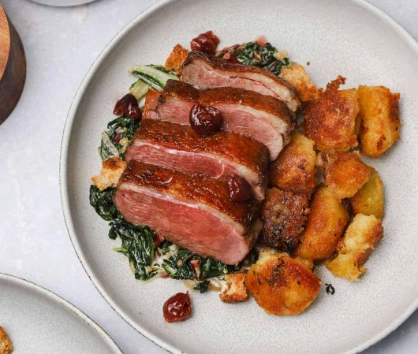
Method 2: The Reverse Sear (Great for Consistency)
This method is brilliant if you're nervous about overcooking or are cooking multiple breasts. You cook the meat gently first, then blast the skin at the end.
- Oven First: Place the seasoned breast on a rack over a baking sheet, skin-side up. Bake in a low oven, around 275°F (135°C), until the internal temperature is about 10-15°F below your desired final temp (so about 115°F for medium-rare). This can take 20-40 minutes.
- Sear Second: Heat a skillet over medium-high heat. Place the breast skin-side down. Now, because the meat is already cooked, you can focus all your energy on crisping that skin without worry. Sear for 2-4 minutes until deeply browned and crackling.
It's foolproof for nailing the perfect doneness, though you get slightly less rendered fat than with the classic method.
Doneness & Resting: The Final Hurdle
This is the other big mistake people make. Duck breast is best served medium-rare to medium. Think of it like a steak. Aim for an internal temperature of 135°F (57°C) for medium-rare or 140°F (60°C) for medium. The USDA recommends cooking all poultry to 165°F (74°C) for safety, but for whole-muscle meats like duck breast, 140°F is generally considered safe, as harmful bacteria are on the surface, which gets seared. Always source your duck from a reputable supplier. You can check the USDA Food Safety guidelines for cooking poultry here for official recommendations.
You must let it rest. Tent it loosely with foil and give it a solid 5-10 minutes. This allows the frantic juices to relax back throughout the meat. If you slice it immediately, all those juices will flood your cutting board, leaving the meat dry.
Three Can't-Miss Duck Breast Recipes to Master
Okay, with the technique down, let's talk flavor. These three duck breast recipes cover the classics and give you a fantastic foundation.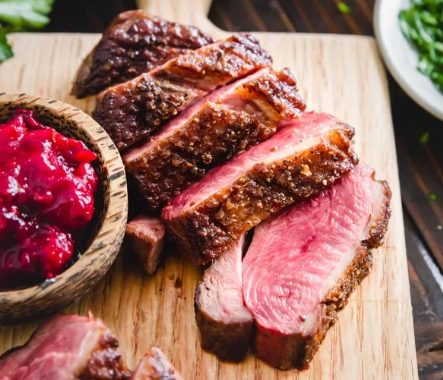
This is your blueprint recipe. Master this, and you've mastered duck. Cook the breast using the classic pan-sear method. After removing the breast to rest, pour off all but a tablespoon of the glorious duck fat. Add a finely chopped shallot to the pan and sauté until soft. Pour in about a cup of good red wine (something you'd drink, like a Pinot Noir) and scrape up all those browned bits (the fond). Let it reduce by half. Stir in a cup of chicken or beef stock and reduce again until it coats the back of a spoon. Finish with a couple tablespoons of cold butter, whisking it in to create a glossy, luxurious sauce. Season. Slice the breast and spoon the sauce over. Simple, elegant, restaurant-worthy.
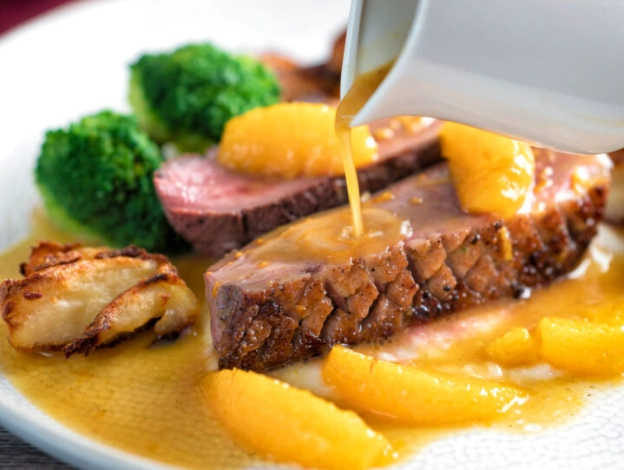
The famous French bistro classic. It's sweet, sour, bitter, and rich all at once. Don't use just orange juice from a carton; it'll be too sweet and one-dimensional. You need the bitter complexity from the zest and maybe a dash of Grand Marnier or Cointreau. Sear the duck as usual. In the same pan, make a sauce with fresh orange juice, zest, a splash of vinegar (like sherry vinegar), and a bit of stock. Reduce. The key is balance. If it's just sweet, it'll be cloying against the rich meat. I once made it too sweet and it felt like dessert on top of dinner—not great.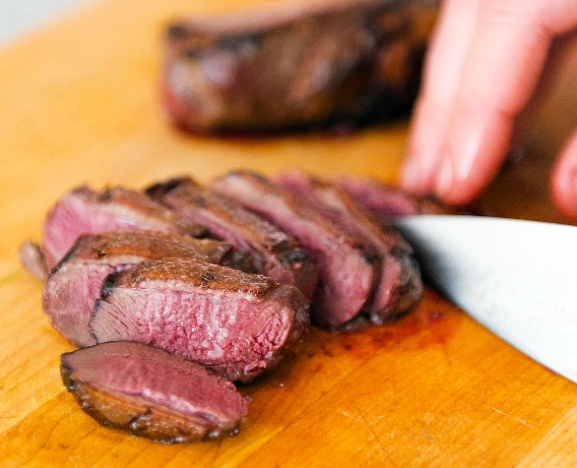
A crowd-pleaser with sticky, savory-sweet flavors. Score and season the breast. While it's resting after cooking, mix together equal parts hoisin sauce and honey (about 2 tbsp each), with a splash of soy sauce and rice vinegar. Heat this gently in the pan you cooked the duck in, letting it bubble and thicken for a minute. Brush it over the sliced duck breast and sprinkle with sliced scallions and sesame seeds. Serve with steamed rice and quick-pickled cucumbers. It's a weeknight winner that feels special.
What to Do With All That Leftover Duck Fat?
You've been saving it, right? Straining it into a jar and keeping it in the fridge is one of the best perks of cooking duck breast. It's culinary gold. Use it to roast potatoes (the best roast potatoes you'll ever have), sauté vegetables like Brussels sprouts or green beans, or even to make the most incredible fried eggs. It adds a deep, savory flavor that oil or butter just can't match.
Common Mistakes (And How to Avoid Them)
Let's troubleshoot. I've made most of these, so learn from my pain.
- Rushing the Skin: High heat from the start will burn the skin before the fat renders, leaving you with black, bitter skin and a layer of unrendered, chewy fat underneath. Patience is key. Start low.
- Not Scoring Deeply Enough: If you just scratch the surface, the fat won't render properly. You need to cut through the full thickness of the fat layer.
- Skipping the Rest: I know, it's tempting. But slicing into a steaming hot breast is a one-way ticket to Dryville. Wait it out.
- Overcooking: Treat it like a steak, not a chicken breast. Use a meat thermometer. Pull it at 135°F and let carryover heat do the rest. For more on the science of carryover cooking, Serious Eats has a fantastic deep dive here.
- Using a Flimsy Pan: A thin pan will have hot spots that burn the skin. Use something heavy that distributes heat evenly.
Your Duck Breast Toolkit
You don't need much, but the right tools help.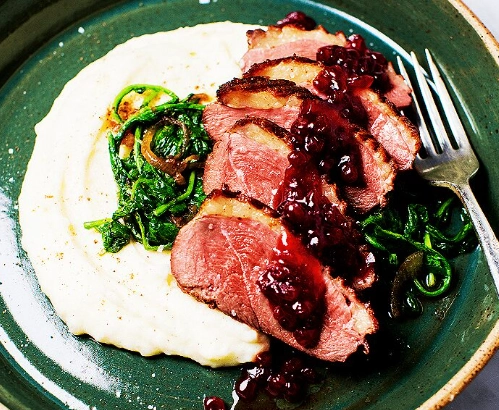
| Tool | Why It's Essential | Good-to-Have Alternative |
|---|---|---|
| Heavy Skillet (Cast Iron or Stainless Steel) | Even heat distribution for perfect skin rendering without burning. | A heavy non-stick pan works, but won't develop fond for pan sauces. |
| Sharp Paring or Chef's Knife | For clean, controlled scoring of the skin without tearing. | Any very sharp knife will do. Dull knives are dangerous here. |
| Instant-Read Thermometer | Takes the guesswork out of doneness. The single best investment for cooking proteins. | You can use the "finger test" (comparing firmness to your palm), but it's less precise. |
| Tongs or a Fish Spatula | For flipping the breast gently without piercing the meat and losing juices. | A regular spatula if you're careful. |
| Metal Spoon or Ladle | For spooning off excess rendered fat during cooking. | A heatproof glass measuring cup to pour it into. |
Answering Your Duck Breast Questions
Here are the things you're probably still wondering about.
Is duck breast healthy? It seems so fatty.
It's rich, yes. But the fat is mostly monounsaturated fat (the same good fat found in olive oil). It's also a great source of protein, iron, and selenium. As with anything, portion size matters. A 6-ounce serving is plenty. You're also rendering out and discarding a lot of that fat during cooking, so you're not eating all of it.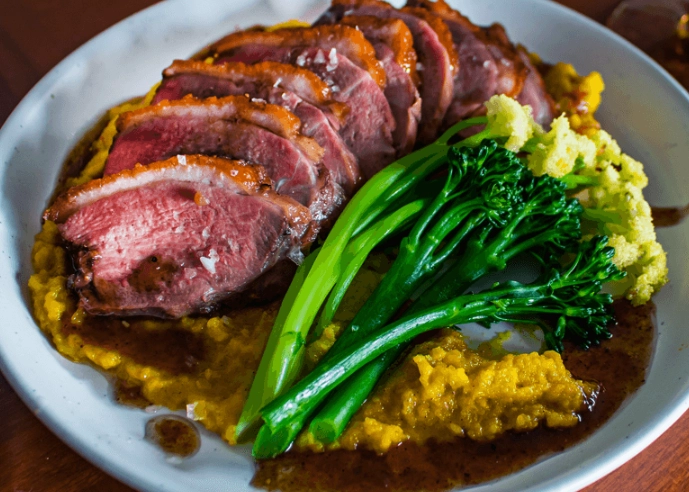
Can I substitute duck breast in a chicken recipe?
Not directly, no. The cooking method is completely different due to the fat content and desired doneness. A recipe for baked chicken breast will result in an overcooked, greasy duck breast. Use dedicated duck breast recipes or adapt techniques (like pan-searing) from chicken recipes.
How do I get the skin REALLY crispy, like crackling?
The holy grail. The secrets are: 1) Dry the skin thoroughly. 2) Score deeply and closely. 3) Start in a cold pan on low heat to render maximum fat before browning. 4) Don't crowd the pan. 5) Be patient. Sometimes, placing a light weight (like a smaller skillet) on top of the breast during the first few minutes of rendering can help ensure full skin-to-pan contact.
What sides go best with duck?
You want sides that cut through the richness or complement it. Think acidic, bitter, or sweet-starchy. Great pairings: Creamy mashed potatoes or celery root purée, wilted bitter greens (like kale or chard) with garlic, roasted root vegetables (especially with some of that duck fat), a sharp arugula salad with a citrus vinaigrette, or a fruity compote (cherry, fig, or berry).
Where can I buy good duck breast?
It's more common now. Check well-stocked supermarkets (often near the gourmet meats), butcher shops, or Asian markets (which often have great prices). Online retailers like D'Artagnan are also fantastic for high-quality, sustainably raised duck. Look for breasts that are plump with a thick, even layer of creamy-white fat under the skin.
A Quick Note on Nutrition
Just to give you a ballpark, a 6-ounce (170g) cooked serving of skin-on duck breast (after rendering) contains roughly 250-300 calories, 25-30 grams of protein, and 15-20 grams of fat (with a significant portion being monounsaturated). It's a nutrient-dense food. For detailed nutritional analysis, you can reference the USDA FoodData Central database here.
So there you have it. It's not magic, it's just method. Grab a duck breast, take a deep breath, and trust the process. Start with the skin. Be patient. Use a thermometer. Let it rest. Do those four things, and you're 95% of the way to a spectacular meal. Those duck breast recipes you've been eyeing up? They're now firmly within your reach. Go on, give it a sear.