In This Guide
Let's get this straight first. We're not talking about okra. If you landed here looking for a vegetable dish, this might be a happy accident. The lady fingers we're obsessed with are those delicate, finger-shaped sponge biscuits—the Savoiardi to the Italians. They're the silent, crunchy-but-airy heroes holding up your tiramisu, giving structure to your charlotte, or just being a fantastic thing to dunk in your coffee.
And here's my confession: for years, I bought them from the store. The ones in the plastic packets that always seemed a bit too dry, a bit too sweet, and sometimes suspiciously stale. They did the job, but never elevated it. Then I tried making them at home. The first batch was a disaster. Flat, dense, more like sad little fingers that had given up. But the second batch? Magic. Light, evenly baked, with that classic sugary crust and a soft interior. Once you nail this lady fingers recipe, you'll never go back.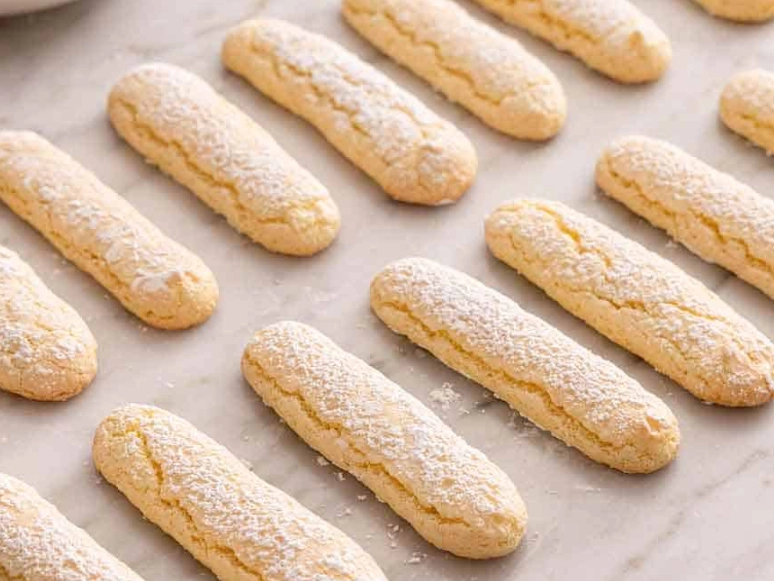
This guide isn't just a list of ingredients and steps. It's the result of all my failures and successes, packed with the "why" behind every instruction. We'll cover everything from why egg temperature is a hill I will die on, to how to shape them without a fancy piping bag, to what to do if yours come out looking… wrong. We'll even dive into gluten-free options and how to use your homemade bounty.
What Are Ladyfingers, Really? (Savoiardi 101)
Before we start whisking, let's understand what we're making. Ladyfingers are a type of dry, egg-based sponge cake biscuit. Their history is pretty royal—they're said to have originated in the late 15th century at the court of the Duchy of Savoy (hence Savoiardi) to celebrate a visit by the King of France. They're a sponge cake, but one that's designed to be sturdy and dry enough to soak up liquids (like coffee liqueur in tiramisu) without disintegrating into mush.
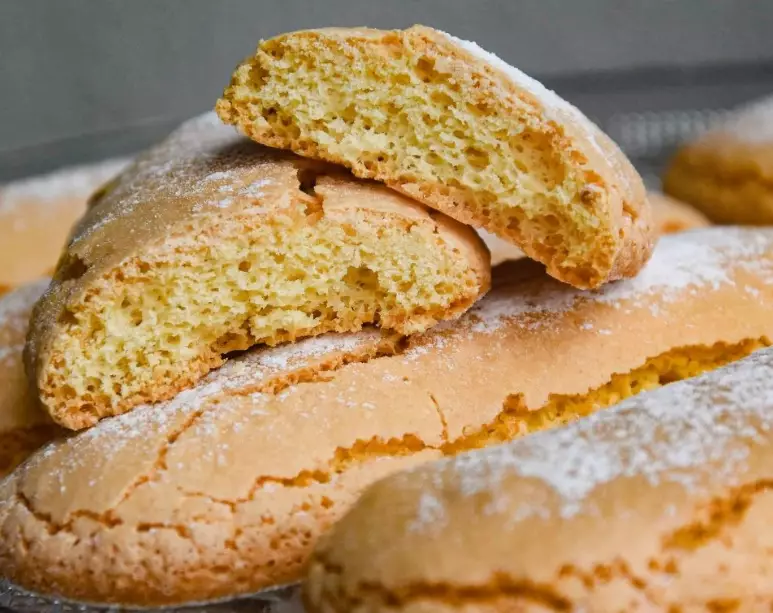
The texture is key. A perfect ladyfinger has a crisp, slightly crackly exterior dusted with powdered sugar, and a soft, airy, yet dry interior. That dryness is intentional! It's what makes them perfect for layering in desserts that involve syrups or creams. If your homemade lady fingers recipe yields a soft, cakey biscuit, they'll fall apart under pressure. We're aiming for structure.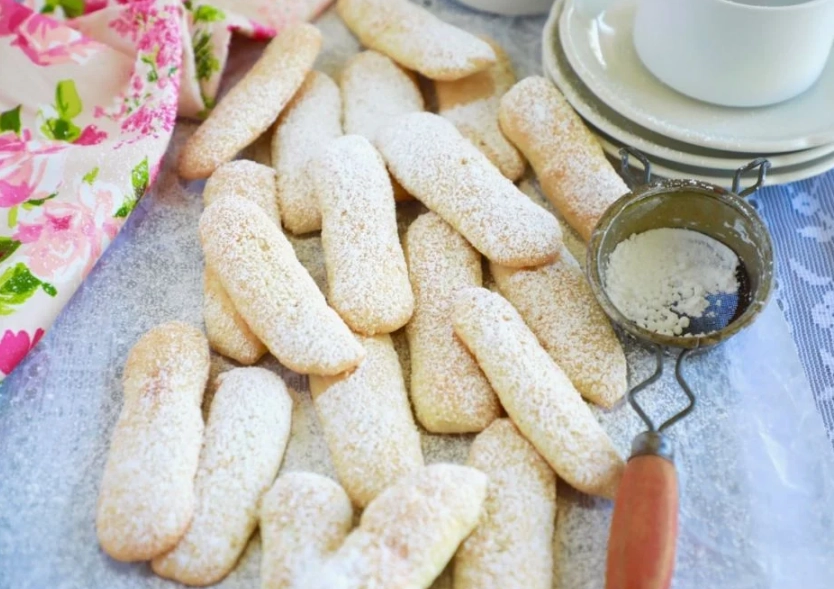
The Anatomy of a Foolproof Lady Fingers Recipe
This recipe is deceptively simple on paper: eggs, sugar, flour. But the devil, as they say, is in the details. Getting the technique right is what separates a good ladyfinger from a great one. Here’s my go-to formula, broken down to its core.
Ingredients & Why Each One Matters
See? Simple list. But how you handle these ingredients makes all the difference. Let's talk about the single most important factor.
The Critical Role of Egg Temperature
If you take away one thing from this entire guide, let it be this: Your eggs must be at room temperature. I cannot stress this enough. Cold egg whites trap less air. When you whip them, you'll get a smaller volume of meringue that's also less stable. It will likely deflate when you fold in the other ingredients, leading to flat, dense biscuits.
How to do it quickly? Place your whole, uncracked eggs in a bowl of warm (not hot) water for 5-10 minutes before you start. It's a simple trick that makes a world of difference for this lady fingers recipe.
Step-by-Step: Crafting Perfect Ladyfingers
Alright, let's get baking. Clear your counter, preheat your oven to 350°F (175°C), and line your baking sheets with parchment paper. Do not grease the paper. The batter needs to grip onto something to climb as it bakes.
Now for the delicate part: combining.
Your batter should be thick, smooth, and airy. It should slowly ribbon off your spatula.
Piping & Baking: The Final Shaping
You can use a piping bag with a 1/2-inch round tip, or a zip-top bag with a corner snipped off. Pipe batter into 3-4 inch long fingers, about 1 inch apart. They will spread a little. Immediately, generously dust the tops with powdered sugar. Wait 2 minutes, then dust again. This double dusting is the secret to that thick, crackly crust.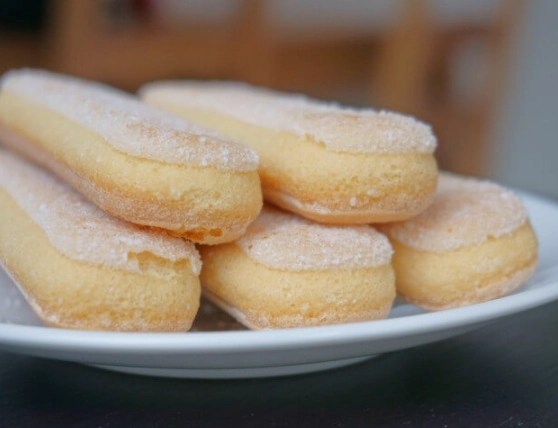
Bake for 12-15 minutes. They're done when they are lightly golden, firm to the touch, and lift easily off the parchment. Transfer to a wire rack to cool completely. They will crisp up as they cool.
Your Lady Fingers Recipe Troubleshooting Guide (FAQ)
Things went wrong? Don't panic. It happens to everyone. Let's diagnose the most common issues.
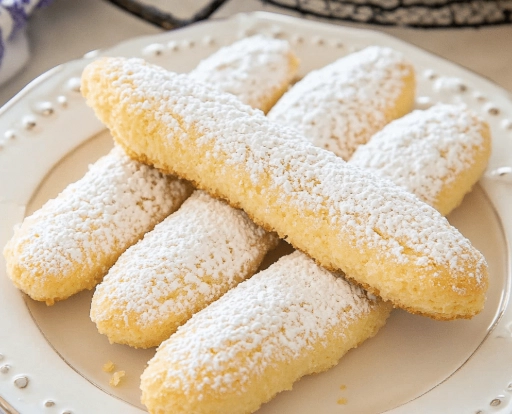
Beyond the Basics: Creative Uses for Your Homemade Ladyfingers
You've made a beautiful batch. Now what? Obviously, tiramisu is the superstar. But there's so much more.
| Dessert Idea | How to Use Them | Difficulty | Pro Tip |
|---|---|---|---|
| Classic Tiramisu | Briefly dip in cooled espresso/coffee mixed with a little liqueur, then layer with mascarpone cream. | Medium | Don't oversoak! A quick dip (1-2 seconds per side) is enough. |
| Charlotte Royale | Line a mold with them to create a stunning, striped exterior for a mousse or bavarian cream filling. | Hard | Use a simple syrup to lightly brush them so they bend without breaking. |
| Trifle | Use as one of the layers with fruit, custard, and whipped cream. | Easy | They hold up better than regular sponge cake in a wet trifle. |
| Icebox Cake | Layer with whipped cream or pudding and let chill overnight. | Very Easy | A perfect no-bake summer dessert. |
| Simple Dessert Cups | Crumble over berries and yogurt, or alongside a scoop of gelato. | Very Easy | Adds a professional touch to a simple dessert. |
Honestly, sometimes I just snack on them with my afternoon tea. There's no wrong way to enjoy a perfectly baked ladyfinger.
Storing & Freezing: Keeping Them Perfect
Homemade doesn't have preservatives, so proper storage is key. As mentioned, an airtight container at room temp is fine for about a week. If your kitchen is humid, they might soften. You can refresh them by spreading them on a baking sheet and putting them in a 300°F oven for 3-5 minutes.
For long-term storage, freezing is your friend. Make sure they are completely cool first. Freeze in a single layer, then bag them. To use, just take them out and let them come to room temperature in the bag to prevent condensation from making them soggy. They work perfectly straight from the freezer for recipes like tiramisu where they'll be soaked anyway.
If you're looking for more scientific baking principles to understand why these techniques work, the resources from the King Arthur Baking Company's Learn section are fantastic. For authoritative information on food safety related to eggs (especially if you're concerned about using room-temperature eggs), the USDA's Food Safety and Inspection Service website provides clear, science-based guidelines.
So there you have it. Not just a lady fingers recipe, but the full story. From royal origins to your oven. Now go preheat it, and get those eggs out of the fridge.