Jump Straight to the Good Stuff
Griot is the heart of Haitian cuisine—crispy, tender fried pork cubes that burst with citrus and spice. I remember my first attempt at making it; the pork came out soggy and bland. After years of tweaking, I've nailed the recipe. This guide will show you how to make authentic griot at home, with tips you won't find on most blogs.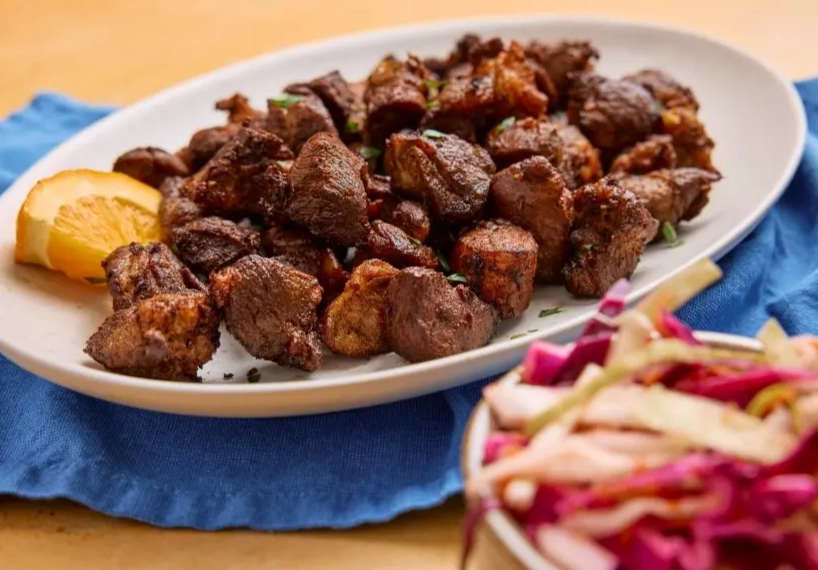
What is Griot and Why It's a Haitian Staple
Griot isn't just food; it's a cultural icon in Haiti. Traditionally served at celebrations, this dish features pork marinated in sour orange juice, garlic, and Scotch bonnet peppers, then deep-fried until golden. The magic lies in the contrast: a crunchy exterior giving way to juicy, flavorful meat. According to culinary historians, griot's origins trace back to West African influences, adapted with Caribbean ingredients. You'll find it everywhere from Port-au-Prince street stalls to family dinners.
What makes griot stand out? It's the balance of tangy marinade and frying technique. Many recipes online skip key steps, like proper marination time or oil temperature control. That's why homemade versions often disappoint.
Essential Ingredients for Perfect Griot
Getting the ingredients right is half the battle. Here's what you need, with specifics that matter.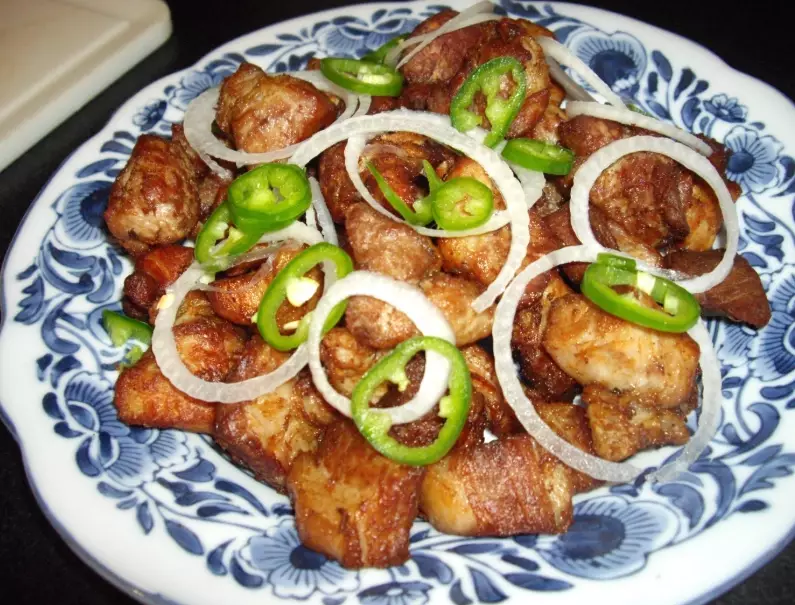
- Pork shoulder (Boston butt): 2 pounds, cut into 1.5-inch cubes. Don't use lean cuts—shoulder's fat keeps it moist during frying.
- Sour orange juice: 1 cup. If unavailable, mix equal parts lime and orange juice. Bottled versions lack acidity.
- Garlic: 6 cloves, minced. Fresh is non-negotiable; powder won't infuse the same flavor.
- Scotch bonnet pepper: 1, finely chopped. Adjust for heat, but it's essential for authenticity. Wear gloves when handling.
- Thyme: 2 sprigs, fresh preferred. Dried works in a pinch, but use half the amount.
- Vegetable oil: For frying, about 4 cups. Peanut oil gives a better crisp, but canola works fine.
The Right Cut of Pork
Pork shoulder is king. I once tried pork loin to be healthier, and the griot turned out dry and tough. Shoulder has marbling that melts during frying, creating that tender interior. Ask your butcher to cube it for you, or do it yourself—keep pieces uniform for even cooking.
Marinade Secrets
The marinade does more than add flavor; it tenderizes. Sour orange juice's acidity breaks down proteins, while garlic and peppers build depth. A common mistake is using too little acid or marinating for only an hour. Go for at least 4 hours, ideally overnight. In Haiti, families often marinate it all day for evening meals.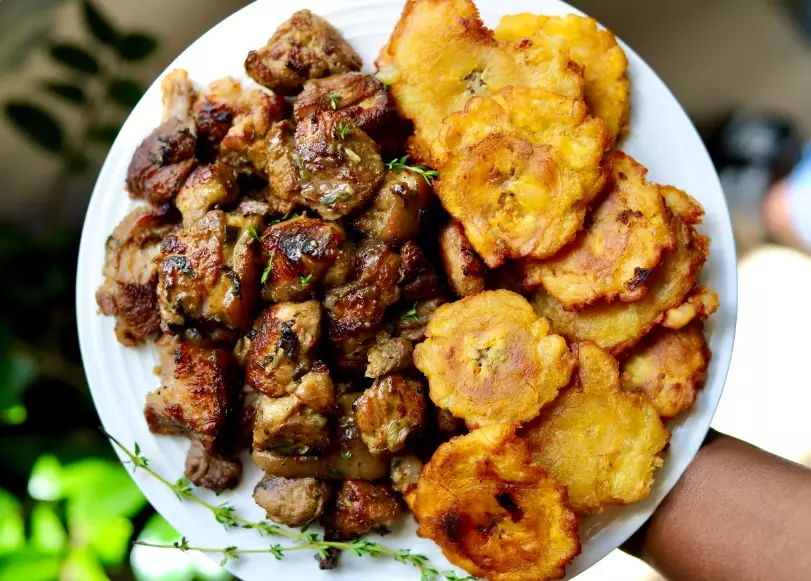
Step-by-Step Guide to Cooking Griot
Follow these steps closely. Rushing leads to mediocre griot.
Marinating Process
- Combine pork cubes with sour orange juice, garlic, Scotch bonnet, thyme, and a pinch of salt in a large bowl.
- Mix well, ensuring all pieces are coated. Cover and refrigerate. I marinate mine for 12 hours—the longer, the better. If short on time, 4 hours is the minimum.
- Before frying, drain the marinade and pat the pork dry with paper towels. This step is crucial; wet meat steams instead of fries.
Frying Technique
Heat oil in a deep pot to 350°F (175°C). Use a thermometer; guessing causes issues. Fry in small batches—about 10 pieces at a time—for 8-10 minutes until golden brown. Don't overcrowd; I learned this the hard way when my first batch turned soggy. Drain on a wire rack, not paper towels, to keep the crispiness. Let it rest for 5 minutes before serving.
Some recipes suggest boiling the pork first, but that's a shortcut that sacrifices texture. Traditional griot is fried directly from the marinade.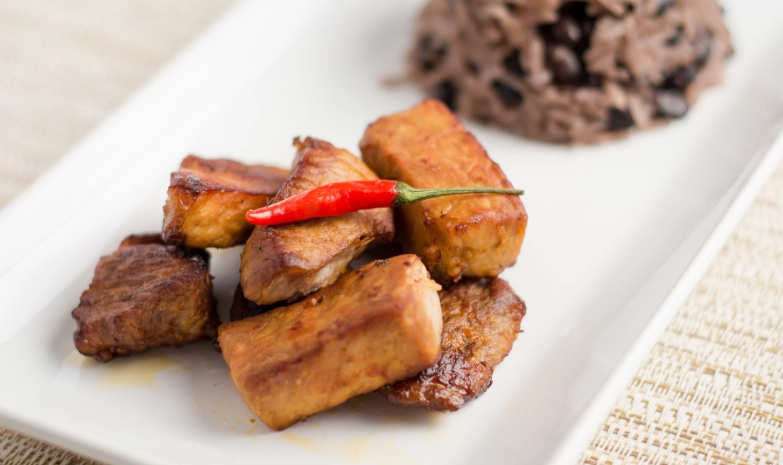
Expert Tips to Avoid Common Pitfalls
After countless trials, here are pitfalls to dodge.
| Mistake | Why It Happens | How to Fix It |
|---|---|---|
| Soggy griot | Oil temperature too low or overcrowding the pot | Use a thermometer and fry in batches |
| Bland flavor | Insufficient marination time | Marinate overnight; add extra garlic |
| Burnt exterior | Oil too hot or frying too long | Maintain 350°F and check color frequently |
| Dry meat | Using lean pork cuts | Stick to pork shoulder with fat |
Another tip: after frying, some Haitians briefly toss the griot in the remaining marinade reduced to a glaze. It adds a sticky, flavorful coating. Try it if you want an extra layer of taste.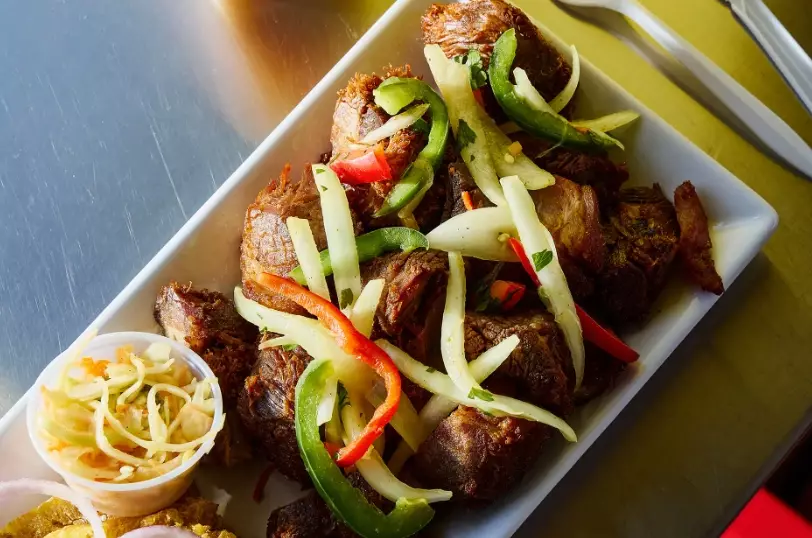
Serving Suggestions and Pairings
Griot is rarely eaten alone. Pair it with traditional sides for a full experience.
- Pikliz: A spicy Haitian pickled vegetable slaw. It cuts through the richness. Make it with cabbage, carrots, and Scotch bonnets in vinegar.
- Diri kole: Haitian rice and beans. The starch balances the meal.
- Fried plantains: Sweet or savory, they complement the pork's saltiness.
Serve hot, straight from the fryer. Leftovers? Reheat in an oven at 375°F for 10 minutes to retain crispiness. Microwaving makes it rubbery.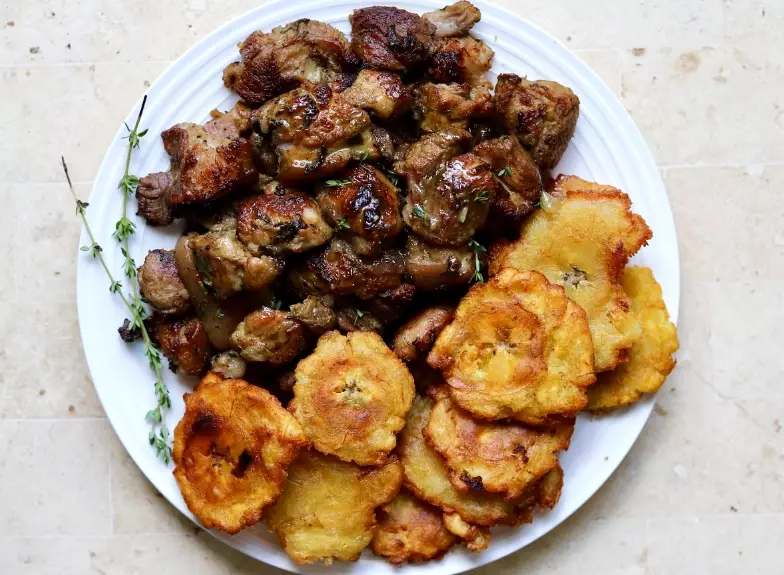
Frequently Asked Questions (FAQ)
Making griot is a labor of love, but the results are worth it. With this recipe, you'll bring a taste of Haiti to your table. Experiment with the marinade, but respect the basics—crispy, flavorful pork is the goal.