Your Quick Guide to This Recipe
Tiramisu. Just saying the word makes me think of cozy Italian cafes and that first blissful bite of coffee-soaked layers. But here's the thing—most recipes out there overcomplicate it or skip the nuances that make it magical. After making this dessert for over a decade, I've seen all the pitfalls. This guide isn't just another recipe for tiramisu; it's your ticket to mastering it, with insights that even some pros overlook.
Let's cut to the chase. A great tiramisu hinges on three elements: quality ingredients, precise technique, and patience. Forget the fancy twists for now—we're going classic. By the end, you'll have a dessert that'll impress anyone, and you might even ditch store-bought versions for good.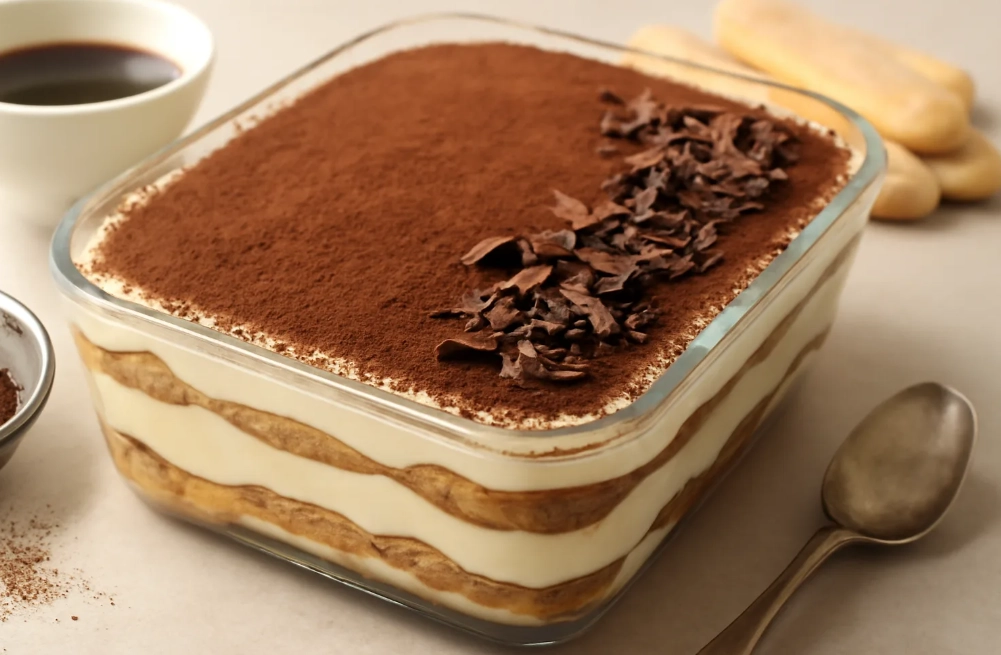
What Goes into a Real Tiramisu
You can't fake authenticity with subpar stuff. I learned this the hard way when I used low-fat mascarpone once—the cream turned grainy and ruined the texture. Here's what you need, broken down.
The Core Ingredients Table
Some recipes call for heavy cream, but that's a modern shortcut. The classic version relies on eggs and mascarpone alone for that velvety texture. If you're sourcing ingredients, check out recommendations from the Italian Culinary Institute for authentic brands—they emphasize quality over quantity.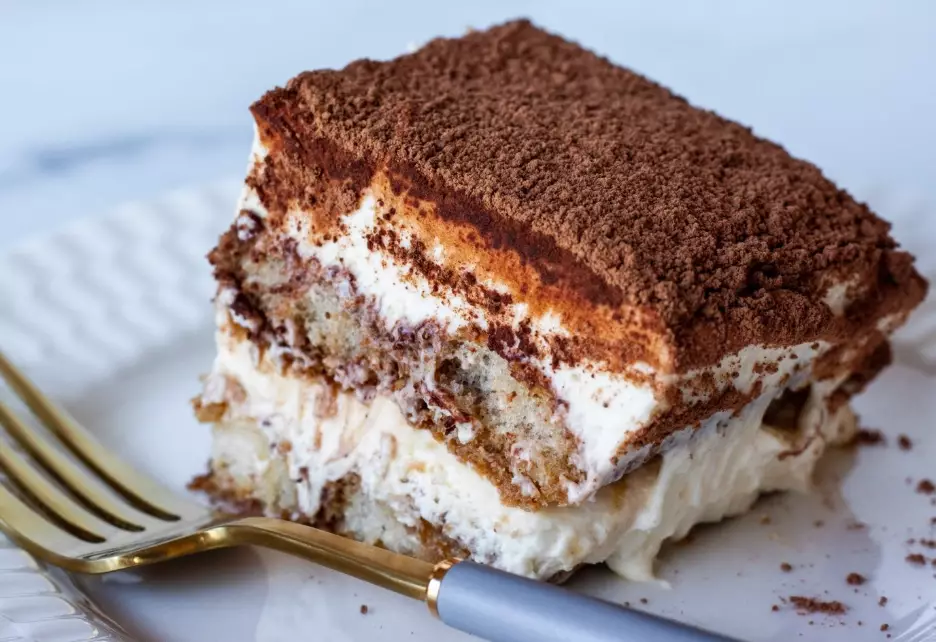
Personal tip: Don't skimp on the espresso. I once used weak coffee, and the tiramisu tasted bland. Invest in a good espresso blend or visit a local Italian market for pre-brewed options.
The Foolproof Assembly Process
This isn't rocket science, but timing is everything. I'll walk you through it like I'm in your kitchen.
Step 1: Prepare the Coffee Mixture
Brew the espresso and let it cool to room temperature. Stir in the marsala wine if using. Pour it into a shallow dish—a pie plate works great. Why shallow? It prevents over-dipping the ladyfingers. Set this aside.
Step 2: Make the Mascarpone Cream
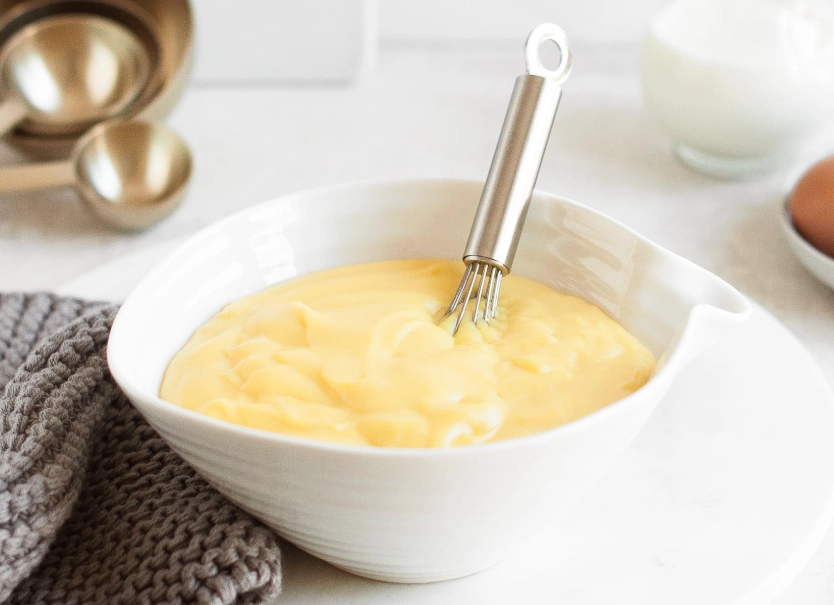
Here's where many go wrong. Separate the eggs. In a large bowl, whisk the egg yolks with half the sugar until pale and thick. This takes about 3-4 minutes with a hand mixer. Add the mascarpone and mix until just combined. Overmix, and it can split.
In another bowl, beat the egg whites with the remaining sugar until stiff peaks form. Gently fold the whites into the mascarpone mixture. Use a spatula and fold in a figure-eight motion. This keeps the air in, giving that light texture.
Step 3: Assemble the Layers
Quickly dip each ladyfinger into the coffee mixture—one second per side. Don't soak it. Lay them in a single layer in a 9x13 inch dish. Spread half the mascarpone cream over them. Repeat with another layer of dipped ladyfingers and the remaining cream.
Smooth the top with a spatula. Cover with plastic wrap and refrigerate for at least 6 hours, but overnight is better. Right before serving, dust generously with cocoa powder through a fine sieve.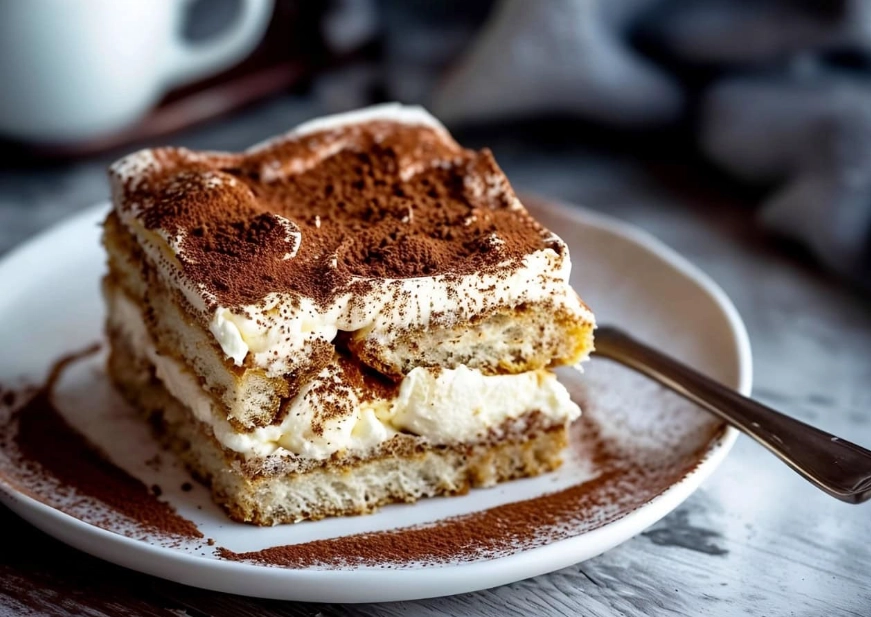
Watch out: If the cream seems runny after mixing, chill it for 15 minutes before assembling. This happened to me during a summer party—the kitchen was too warm, and the cream didn't set well. Lesson learned.
Pro Tips You Won't Find Elsewhere
After years of tweaking, here are my non-consensus insights that most blogs miss.
Use room temperature mascarpone. Cold mascarpone from the fridge can clump when mixed. Let it sit out for 30 minutes before using. This small step ensures a smoother cream.
Dip ladyfingers with the sugared side down first. Ladyfingers often have a sugared top. Dip that side first—it absorbs coffee better without falling apart. I picked this up from an old Italian nonna who ran a pastry shop in Rome.
Skip the alcohol? Try a coffee enhancer. If you're avoiding marsala, add a pinch of instant espresso powder to the coffee mixture. It boosts flavor without altering texture. I've tested this for family gatherings, and no one noticed the difference.
Chill your bowl before whipping egg whites. A cold bowl helps the whites reach stiff peaks faster. It's a pastry chef trick that prevents overbeating, which can make the cream gritty.
Where Most Home Cooks Go Wrong
Let's be honest—tiramisu can fail in subtle ways. Here's how to avoid the common traps.
Soggy layers: This is the biggest complaint. It happens from over-dipping ladyfingers or using too much coffee. Measure your coffee precisely and dip quickly. If the ladyfingers feel soft after dipping, you've gone too far.
Runny cream: Often due to under-whipped egg whites or watery mascarpone. Check the mascarpone's consistency—if it's watery, drain it in a sieve for 10 minutes. Also, ensure the egg whites are stiff enough to hold a peak.
Bland flavor: Weak coffee or insufficient chilling time. Use a strong brew and let the dessert sit overnight. The flavors develop as it chills. I once served it after 4 hours, and it tasted flat—never again.
Safety with raw eggs: If you're concerned about salmonella, use pasteurized eggs or heat the egg yolks with sugar over a double boiler until 160°F (71°C), then cool before mixing. The Italian Ministry of Health recommends this for vulnerable groups, though traditional recipes use raw eggs.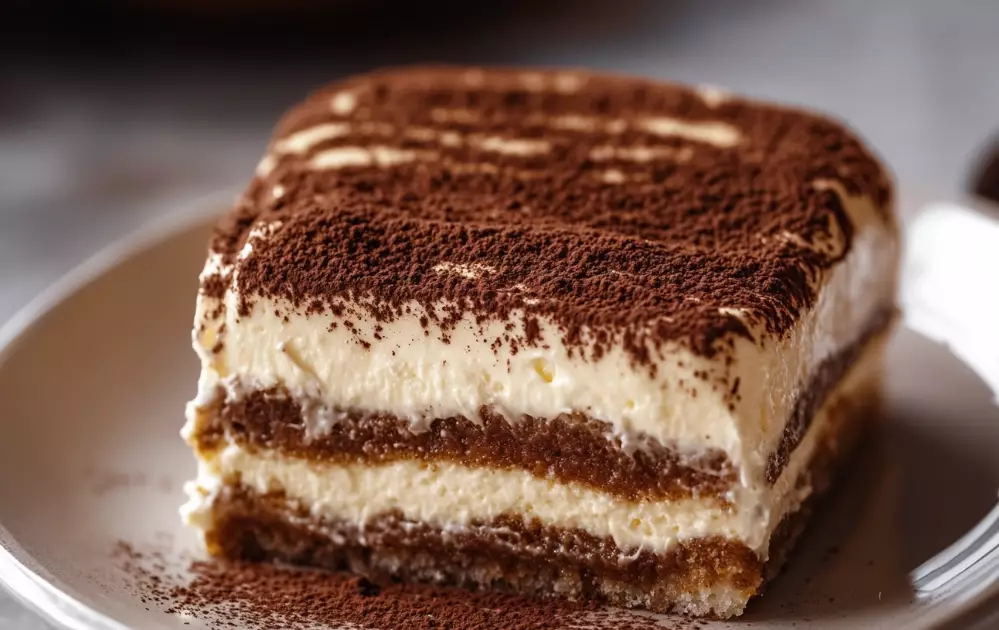
Answers to Your Burning Questions
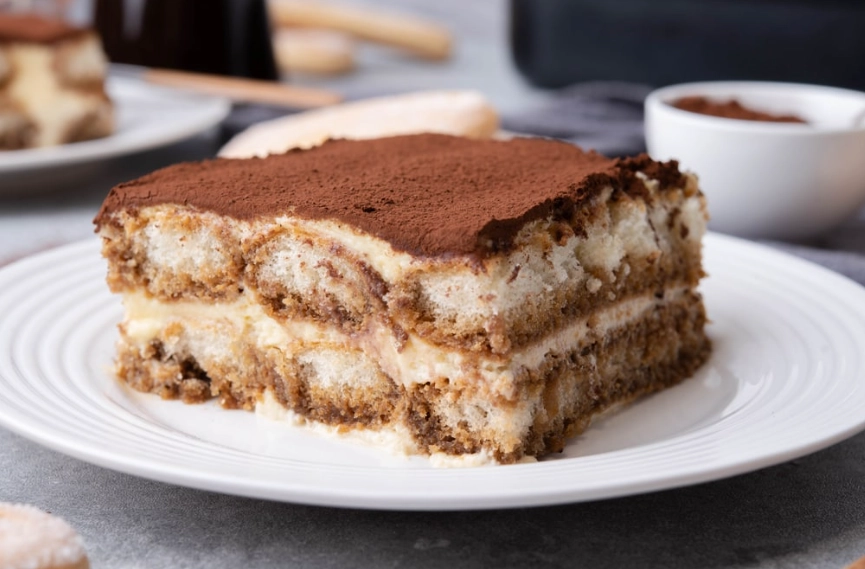 There you have it—a comprehensive guide to nailing tiramisu every time. It's not just about following steps; it's about understanding the why behind them. Start with good ingredients, take your time, and don't be afraid to adapt based on your kitchen's conditions. This recipe for tiramisu has stood the test of time for a reason, and with these tips, you'll make it your own. Go ahead, give it a try, and let me know how it turns out!