Jump to Your Sweet Spot
- The Unbeatable Classics: Filipino Dessert Recipes You Must Try
- Beyond the Classics: Sticky, Chewy, and Fried Delights
- The Comforting & Creamy: Rice Puddings and More
- Festive & Special Occasion Filipino Dessert Recipes
- Your Filipino Dessert Kitchen: Tools & Ingredients
- Modern Twists & Fusion Ideas
- Answering Your Filipino Dessert Questions (FAQs)
- Final Thoughts: Embracing the Sweetness
Let's be honest. The first time I tried to make leche flan, it was a disaster. The caramel burned, the texture was rubbery, and my family politely ate it while trying not to make eye contact. It was then I realized that Filipino dessert recipes aren't just about following steps—they're about understanding a whole culture of sweetness. And you know what? After years of trial, error, and countless conversations with my lola (grandmother), I finally cracked the code.
If you're looking for easy Filipino dessert recipes that actually work, you're in the right place. This isn't a sterile cookbook list. This is the messy, real, and incredibly rewarding world of Filipino sweets, from the iconic halo-halo to the comforting warmth of bibingka. We'll walk through the classics, tackle the tricky bits (I'll warn you about the common pitfalls), and even explore some modern twists that keep the tradition alive.
Why trust me on this? Well, aside from my early flan fiasco, I've spent years documenting and testing these recipes, comparing notes from old family cookbooks with modern techniques. The goal is simple: to give you the confidence to bring these incredible desserts to your own kitchen.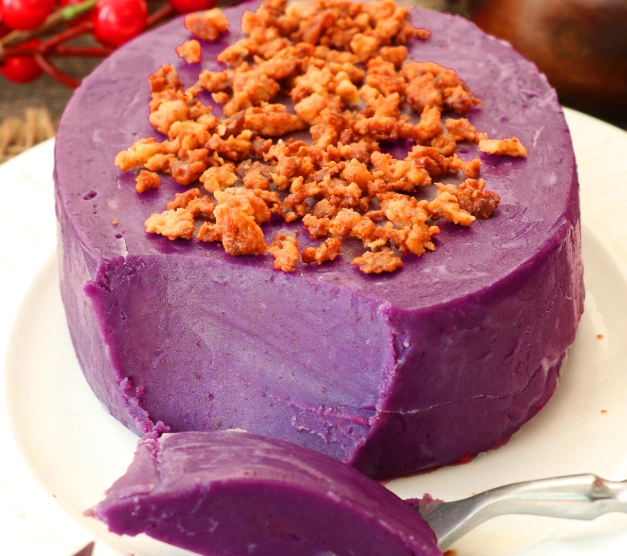
The Unbeatable Classics: Filipino Dessert Recipes You Must Try
You can't talk about Filipino sweets without starting with the pillars. These are the desserts served at every birthday, funeral, fiesta, and random Tuesday when a sweet craving hits. They're community food, meant to be shared from a large platter.
Halo-Halo: The National Treasure in a Glass
Halo-halo literally means "mix-mix," and that's exactly what you do. It's a shaved ice mountain packed with sweet beans, fruits, jellies, and topped with leche flan, purple yam (ube) jam, and evaporated milk. The fun is in the customization. The Philippines Department of Tourism even highlights it as a must-try culinary experience.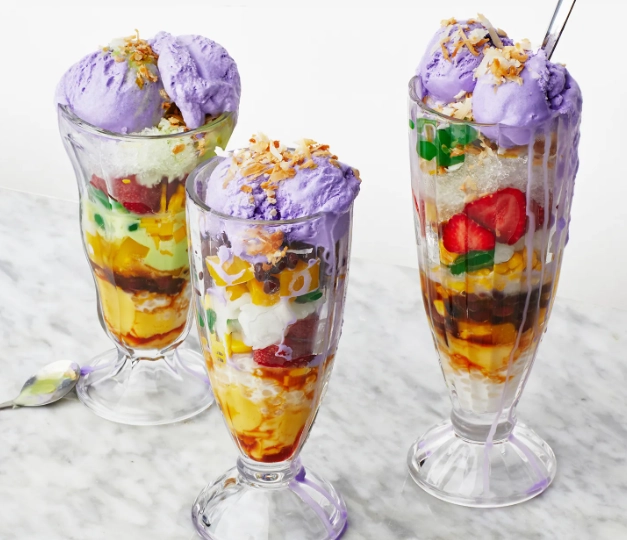
My personal halo-halo hack? Use sweetened condensed milk and evaporated milk. The condensed milk adds a deeper, caramelized sweetness that binds all the components together. And don't skimp on the texture—the crunch of the ice, the chew of the gulaman (jelly), and the creaminess of the flan are non-negotiable.
Finding the right ingredients is easier than ever. Sweet red beans (monggo), jackfruit (langka), and palm fruit (kaong) are now staples in many Asian grocery stores. The key to a great halo-halo recipe is preparing each component well before assembly.
Leche Flan: The Ultimate Test of Patience
This is the crown jewel, the dessert that can make or break a reputation. A richer, denser cousin of the Spanish flan, Filipino leche flan uses more egg yolks and evaporated milk. The caramel layer is the first hurdle. The trick is to melt the sugar slowly, with just a tiny bit of water, and never stir it once it starts to color. Just swirl the pan. Pour it into your llanera (oval mold) immediately—it sets fast.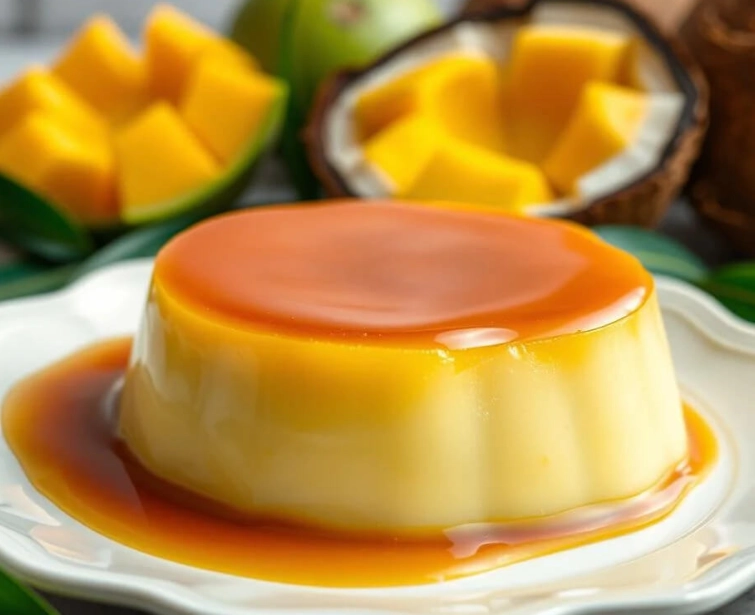
The steam bath (baño maria) is your friend. A tight foil cover is essential to keep water droplets from ruining the silky surface. When you finally invert it onto a plate and that golden caramel cascades down the sides… there's no better feeling.
Ube Halaya: The Purple Gold
Ube (purple yam) has taken the world by storm, but Filipinos have been worshipping it for generations. Ube halaya is a thick, pudding-like jam made by slowly cooking grated purple yam with coconut milk and condensed milk. It's labor-intensive. Stirring the thick mixture for up to an hour is an arm workout, no joke.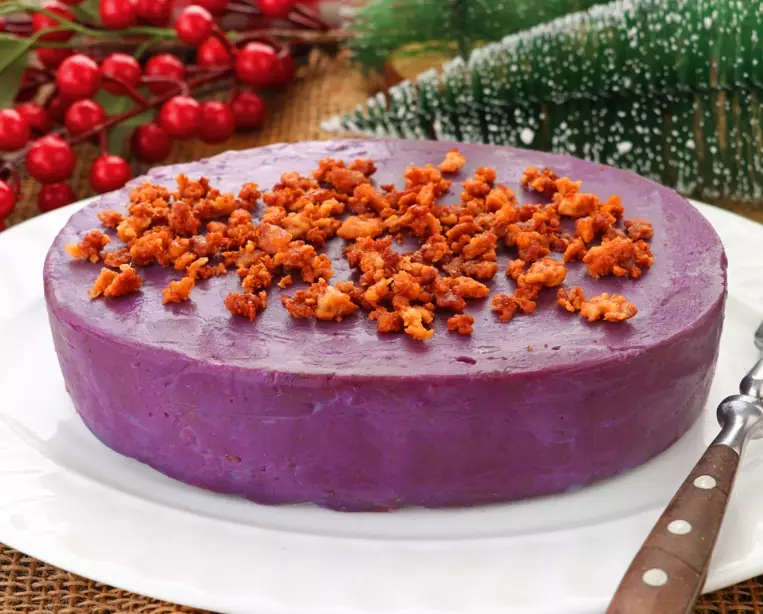
But the vibrant purple color and unique, nutty-vanilla flavor are worth it. You can eat it by the spoonful, use it as a filling for pastries, or swirl it into your halo-halo. For an authentic look at its cultural significance, resources from the National Library of the Philippines Digital Collections often feature traditional uses of native ingredients like ube.
Beyond the Classics: Sticky, Chewy, and Fried Delights
Filipino dessert recipes love playing with texture. This next category is all about that satisfying chew and sticky-sweet goodness.
Biko (Sweet Sticky Rice Cake)
Biko is glutinous rice cooked in coconut milk and brown sugar, then topped with a layer of latik (coconut caramel curds). Making latik is a lesson in patience—you simmer coconut cream until the oil separates and the solids turn brown and crispy. It's a flavor bomb.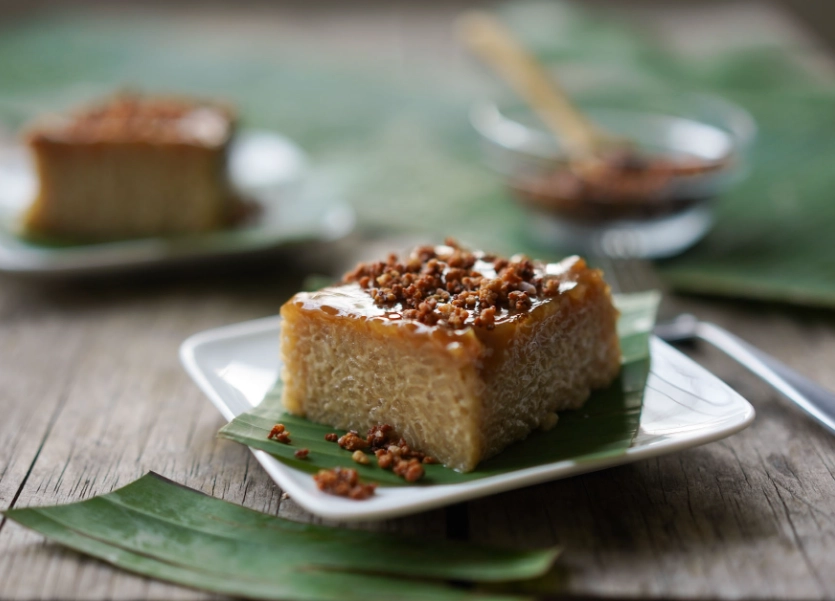
The rice needs to be just cooked, absorbing all the sweet coconut liquid without becoming mushy. It's a common sight during town fiestas, sold on banana leaves. A perfect biko is glossy, sticky, and has a deep caramel flavor from the panutsa (palm sugar).
Sapin-Sapin (Layered Sticky Rice Cake)
This is a visual stunner. Sapin-sapin features distinct, brightly colored layers—usually white (coconut), purple (ube), and yellow (often from pumpkin or egg yolks). Each layer is steamed separately, which means you need time. The colors are traditionally natural, from ube, coconut, and annatto seeds.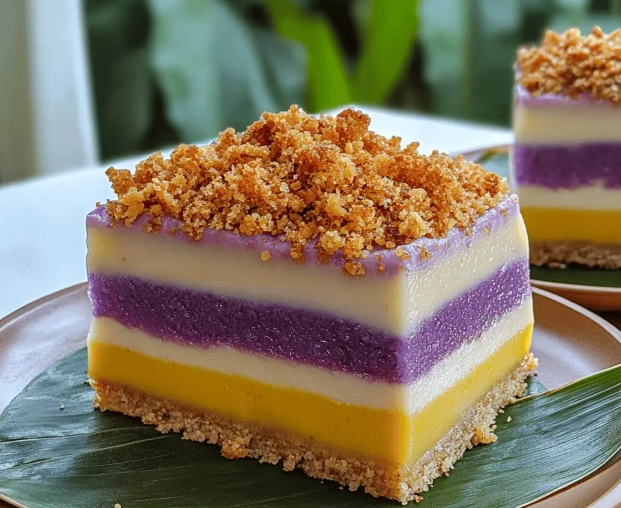
The biggest challenge? Getting the layers to stick together without merging. You have to let each layer set just enough before pouring the next. It's a labor of love, often reserved for special occasions. When you slice into it and see those clean lines, it's incredibly satisfying.
Turón (Banana Lumpia)
This might be the most accessible entry point. Saba bananas (or plantains) rolled in brown sugar, wrapped in a spring roll wrapper, and deep-fried to crispy perfection. Sometimes with a slice of jackfruit inside. The sugar caramelizes into a brittle, glass-like coating around the soft, warm banana.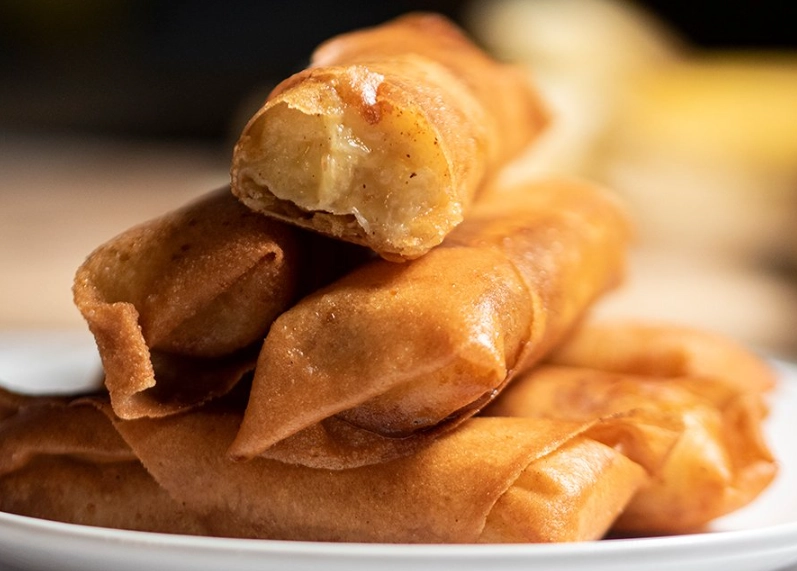
It's street food at its finest. The secret is to fry them at the right temperature—too hot and the sugar burns before the banana cooks; too low and they become greasy. Serve them immediately. There's no sadder sight than a soggy turón.
The Comforting & Creamy: Rice Puddings and More
These are the warm hugs of the Filipino dessert world. They're simple, comforting, and often eaten as a snack or light meal (merienda).
Ginataang Bilo-Bilo (Sticky Rice Balls in Coconut Milk)
This is a soupy, comforting dessert. Chewy glutinous rice balls (bilo-bilo) swim in a sweet coconut broth with slices of saba banana, sweet potato, jackfruit, and tapioca pearls. It's served warm. The balance is key—the coconut milk should be rich but not overly thick, sweet but not cloying.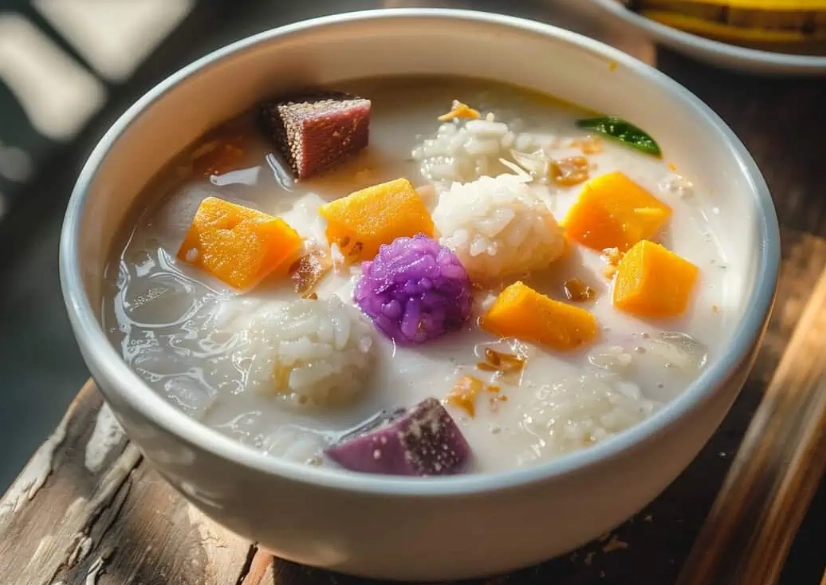
Making the rice balls is meditative. Just mix glutinous rice flour with water until you get a play-dough-like consistency, then roll them into small balls. They cook quickly in the simmering coconut milk.
Maja Blanca (Coconut Pudding)
A delicate, jiggly pudding made from coconut milk, cornstarch, and sweetened condensed milk, often topped with toasted coconut or latik. It's a staple at Christmas. The texture should be smooth and soft, holding its shape but melting in your mouth.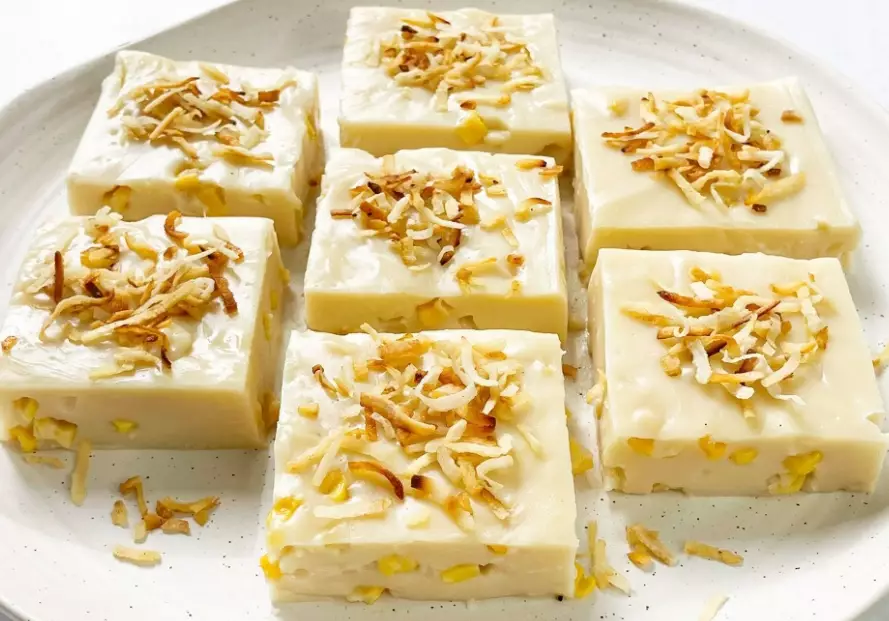
The cornstarch is the star here. You have to dissolve it completely in cold coconut milk before heating, and then stir constantly as it thickens to avoid lumps. Pour it into a tray quickly before it sets. Chill it thoroughly before cutting.
| Dessert | Key Characteristic | Main Ingredients | Difficulty (1-5) |
|---|---|---|---|
| Leche Flan | Ultra-rich, silky steamed custard | Egg yolks, evaporated/condensed milk, sugar | 4 (Caramel can be tricky) |
| Halo-Halo | Customizable shaved ice extravaganza | Shaved ice, mixed fruits/beans, flan, ube, milk | 2 (Assembly is easy, prep takes time) |
| Ube Halaya | Thick, vibrant purple yam jam | Grated purple yam, coconut milk, condensed milk | 3 (Simple process, very labor-intensive) |
| Biko | Chewy sticky rice with coconut caramel | Glutinous rice, coconut milk, brown sugar | 3 (Making good latik takes practice) |
| Turón | Crispy fried banana spring rolls | Saba banana, spring roll wrapper, brown sugar | 1 (Quick, easy, and forgiving) |
| Maja Blanca | Light, jiggly coconut pudding | Coconut milk, cornstarch, condensed milk | 2 (Constant stirring is required) |
Festive & Special Occasion Filipino Dessert Recipes
Some sweets are tied to specific seasons or celebrations. Their appearance marks the time of year.
Bibingka (Rice Cake)
This isn't your average rice cake. Traditionally, bibingka is cooked in a clay pot lined with banana leaves over hot coals, giving it a unique smoky aroma. It's a Christmas tradition, often sold outside churches during Simbang Gabi (night mass). The texture is spongy and slightly chewy, topped with salted egg, cheese, and more coconut.
You can approximate it at home using a regular oven and a cast-iron skillet. The banana leaf liner is non-negotiable—it imparts an essential flavor. Eat it warm, with a pat of butter and a cup of hot chocolate (tsokolate).
Puto (Steamed Rice Cakes)
These fluffy, bite-sized steamed cakes are the ultimate accompaniment to savory dishes like dinuguan (blood stew), but they're also a dessert on their own. They can be plain, cheesy, or topped with a slice of salted egg. The modern versions come in all colors and flavors—ube, pandan, chocolate.
The rise is everything. Using the right flour (a mix of regular and rice flour works) and not overfilling the molds is crucial. They should be light as air.
Your Filipino Dessert Kitchen: Tools & Ingredients
You don't need a fancy kitchen, but a few key items make life much easier.
Essential Tools:
- Steamer: A large bamboo or metal steamer for flan, puto, and sapin-sapin. A makeshift steamer with a rack in a large pot works too.
- Llanera: The oval aluminum flan mold. You can use a round cake pan, but the llanera distributes heat perfectly.
- Heavy-bottomed Pots: For making ube halaya and caramel. Prevents burning.
- Banana Leaves: For wrapping and lining. Briefly pass them over an open flame to make them pliable and fragrant.
Pantry Heroes:
- Glutinous Rice Flour: Different from regular rice flour. Gives that signature chew.
- Coconut Milk & Cream: Use full-fat for richness. Shake the can well before opening.
- Evaporated & Condensed Milk: The backbone of creaminess and sweetness.
- Ube (Purple Yam): Find it frozen, grated, or as a powder or extract. For halaya, frozen grated ube is best.
- Saba Bananas: Shorter, stouter, and starchier than regular bananas. Perfect for cooking.
Finding these is easier now. Major Asian grocery stores will have 90% of what you need. For truly specific items, online Filipino grocery stores are a lifesaver.
Modern Twists & Fusion Ideas
Tradition is vital, but food evolves. Here's how modern Filipino dessert recipes are playing with the classics.
Ube Cheesecake: A no-bake cheesecake with a crushed biscuit base and a stunning purple ube-swirled filling. It combines the tang of cream cheese with the earthy sweetness of ube. A huge hit at potlucks.
Leche Flan Cupcakes: A moist cupcake with a dollop of leche flan baked into the center or swirled on top. It's a two-in-one treat that captures both textures.
Deconstructed Halo-Halo: Served as a parfait in a glass, with each layer visible. Sometimes the shaved ice is flavored or replaced with ice cream. It's less messy but keeps all the flavor components.
Turón with a Twist: Adding Nutella, mango, or even cheese inside the wrapper. Some bakers even make turón-inspired spring rolls with different fruits like apple or peach.
Answering Your Filipino Dessert Questions (FAQs)
What's the difference between Filipino leche flan and Spanish flan?
It's mostly about richness and texture. Filipino flan uses more egg yolks (sometimes all yolks, no whites) and a combination of evaporated and condensed milk, making it denser, creamier, and sweeter. Spanish flan often uses whole eggs and fresh milk or cream, resulting in a lighter, jigglier texture.
I can't find fresh ube. What's the best substitute?
Frozen grated ube is an excellent and authentic option. Ube powder (reconstituted with water or milk) works well for color and flavor in baked goods. In a real pinch, purple sweet potato can mimic the color, but the flavor profile (more earthy, less nutty-vanilla) will be different. Ube extract can boost color and flavor if your base is a bit pale.
Why did my leche flan have holes/become rubbery?
Holes (like Swiss cheese) usually mean the steam was too vigorous, cooking the eggs too quickly. Rubberiness is a sure sign of overcooking. Remember, it continues to cook from residual heat after you take it off the steamer. Take it out when the center still has a slight, gentle jiggle, not a firm wiggle.
Are Filipino desserts very difficult to make?
Some require patience (like stirring ube halaya for an hour), but very few are technically complex. Many easy Filipino dessert recipes, like turón or ginataang bilo-bilo, are quite straightforward. The difficulty often lies in the time commitment, not the technique. Start with something like turón or puto to build confidence.
Can I make these desserts ahead of time?
Absolutely, and for many, it's recommended. Leche flan is best made a day ahead. Ube halaya keeps for days in the fridge. Components of halo-halo can be prepped and stored separately. Biko and sapin-sapin also hold well. In fact, their flavors often improve after a day, allowing everything to meld.
Final Thoughts: Embracing the Sweetness
Diving into Filipino dessert recipes is more than just following instructions. It's about embracing a philosophy where sweets are central to hospitality, celebration, and daily comfort. They're often humble in origin, made from readily available ingredients like rice and coconut, but transformed into something extraordinary through care and tradition.
Don't be intimidated by the steps. My first leche flan was a disaster, remember? Every lola or tita (aunt) has a story about a kitchen failure. The point is to try, to taste, and to share.
Start with one recipe that calls to you. Maybe it's the crispy simplicity of turón or the challenge of a perfect flan. Gather your ingredients, clear your afternoon, and put on some music. The process itself—the stirring, the steaming, the waiting—is part of the joy. And when you finally taste that sweet, creamy, chewy, or crunchy creation you made with your own hands, you'll understand why these desserts are so much more than just sugar and eggs. They're a taste of home, wherever you are.