Let's be honest. You're not here for a history lesson on Italian salumi. You bought a package of pancetta, maybe on a whim after seeing it next to the bacon, and now it's sitting in your fridge. You're wondering what to do with it besides maybe tossing it into carbonara (which is a great start, by the way). Good news: this little cube of cured pork belly is about to become your favorite ingredient for adding a punch of savory, salty, complex flavor to just about anything. I've been cooking with it for over a decade, and I still get excited when I see a chunk of it at the butcher's.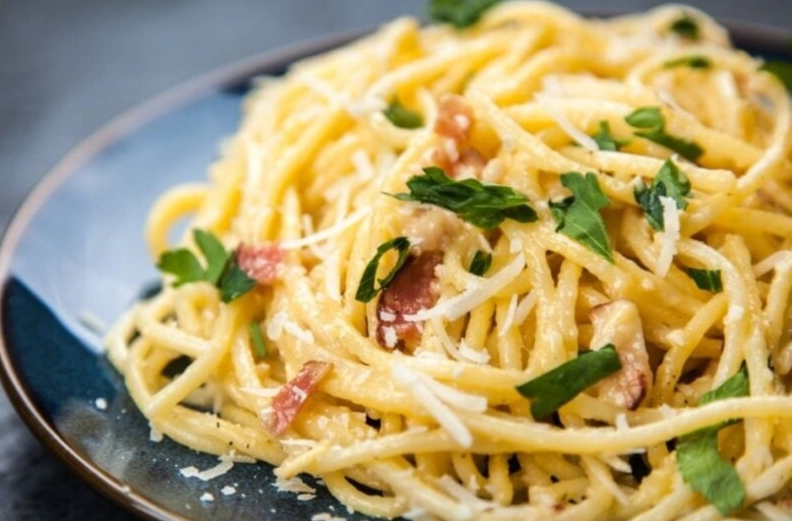
What's Inside This Pancetta Guide
What is Pancetta, Really? (It's Not Just Italian Bacon)
Okay, maybe a tiny history lesson. Pancetta is made from pork belly—the same cut as American bacon. But the journey it takes is completely different. While bacon is cured and then smoked, pancetta is cured with a mix of salt and spices (think black pepper, juniper berries, nutmeg, garlic) and then air-dried for several weeks. No smoke involved.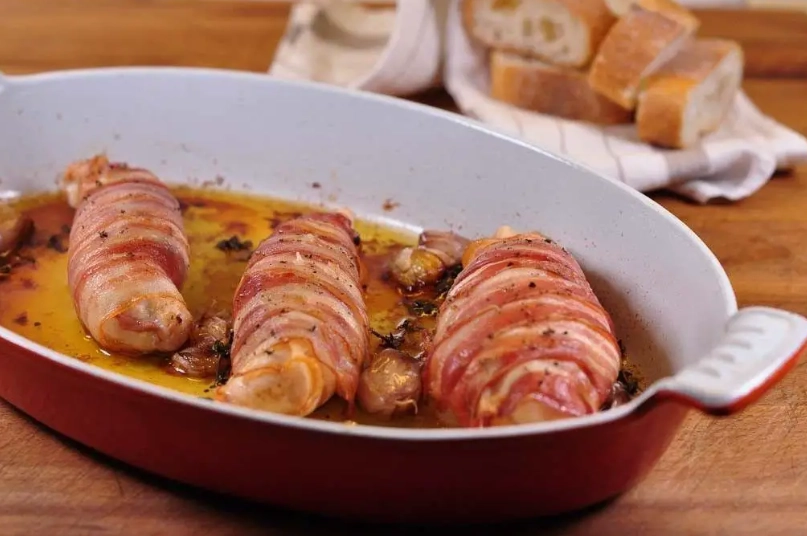
This process gives it a distinct personality. The flavor is cleaner, deeply porky, and aromatic from the spices, without the smokiness that can dominate a dish. Texture-wise, you can find it in two main forms:
- Pancetta Arrotolata: The rolled version. It's tied into a tight cylinder and sliced into thin rounds. This is what you want for antipasto plates.
- Pancetta Stesa: The flat, slab version. This is your workhorse for cooking. You can dice it, cut it into lardons (little matchsticks), or slice it thick.
Most supermarkets sell pre-diced pancetta in little plastic packages near the bacon and prosciutto. That's perfectly fine for 90% of your cooking needs. But if you have an Italian deli nearby, ask for a thick slice from the slab. The difference in flavor and texture is noticeable.
| Feature | Pancetta | American Bacon |
|---|---|---|
| Curing | Salt & Spices | Salt (often with sugar) |
| Processing | Air-Dried | Smoked (typically) |
| Primary Flavor | Salty, Herbal, Porky | Smoky, Sweet, Salty |
| Best Use in Recipes | Pasta sauces, sautés, raw antipasto | Breakfast, sandwiches, smoky dishes |
Here's a personal tip most recipes won't tell you: the fat rendered from pancetta is liquid gold. Don't you dare pour it down the drain. That spiced, porky fat is what will carry the flavor of your entire dish. We'll use every last drop.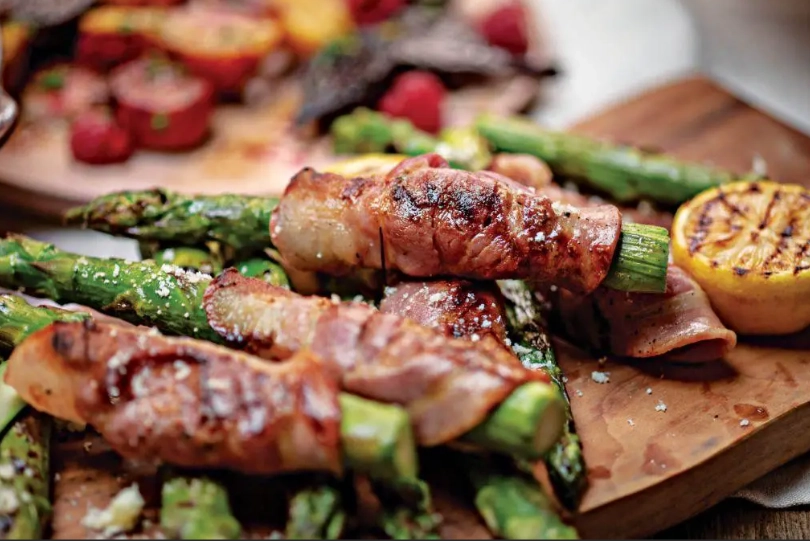
How to Cook Pancetta Perfectly Every Time
This is where people mess up. They treat it like bacon and blast it with high heat. Big mistake. High heat makes pancetta seize up, become tough, and the fat doesn't render properly. You're left with chewy, rubbery bits instead of crispy, tender nuggets.
The Golden Rule: Low and Slow
For diced pancetta or lardons, start with a cold pan. Add the pancetta to the pan first, then turn the heat to medium-low. Let the fat slowly melt out as the pan heats up. This gentle rendering is the secret. Stir it occasionally. It will take 8-12 minutes to go from soft and pale to lightly golden and crisp.
The goal isn't to turn it into a charcoal chip. You want it to be crispy on the edges but still slightly tender in the center, with most of the fat rendered out. Once it's there, use a slotted spoon to remove the crispy bits to a paper towel. You're left with that glorious fat in the pan.
Now, what do you do with that fat? This is the magic step. You cook your aromatics in it. Onions, garlic, shallots, fennel—toss them right into that shimmering pancetta fat. They'll soak up all that flavor. Then you build your sauce, your soup, your vegetable sauté from there.
For thin slices (like from a roll), you can cook them quickly in a hot pan for 30-60 seconds per side, just like you would with prosciutto, until they curl and crisp. Perfect for topping a salad or pizza.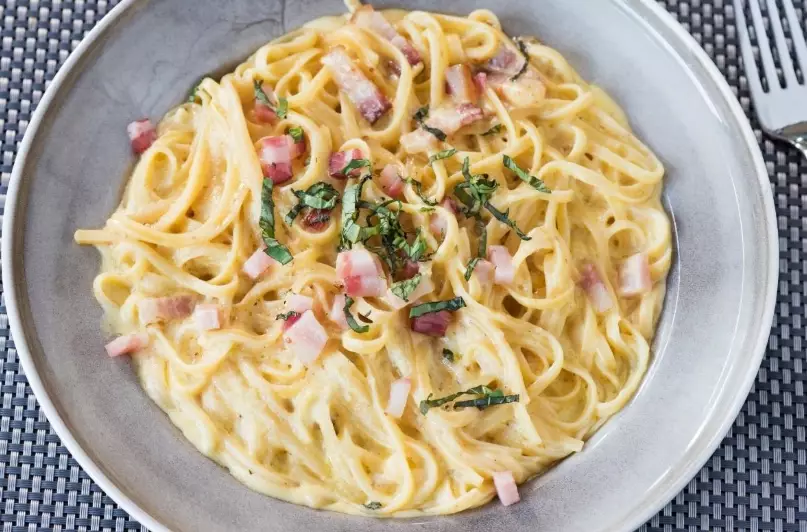
3 Can't-Miss Pancetta Recipes to Master
Forget just one recipe. Let's build a toolkit. These three cover the essential techniques and will give you the confidence to start improvising.
1. The Classic: Spaghetti alla Carbonara (The Right Way)
Yes, we have to start here. But I'm going to save you from the creamy, scrambled-egg disaster that plagues so many home kitchens. Authentic carbonara has no cream. Its sauce is an emulsion of egg yolks, cheese, pasta water, and hot pancetta fat.
What you'll do differently: After cooking your diced pancetta and removing the crispy bits, take the pan off the heat and let the fat cool for just a minute. Whisk your egg yolks and grated Pecorino Romano in a bowl. Slowly, while whisking constantly, drizzle in the warm (not scalding hot) pancetta fat. This tempers the eggs. Then, toss with hot pasta and a splash of starchy pasta water. The residual heat cooks the sauce into a silky, creamy coating. Add the pancetta bits back in. Perfection.
2. The Weeknight Hero: Pancetta, White Bean & Kale Sauté
This is my go-to 20-minute dinner when I need something hearty and fast. It feels rustic and fancy at the same time.
Render diced pancetta. Remove the bits. In the fat, sauté a chopped onion and a few cloves of garlic until soft. Add a bunch of chopped kale (stems removed) and let it wilt. Stir in a can of drained and rinsed cannellini beans, the crispy pancetta, a squeeze of lemon juice, and a big pinch of red pepper flakes. That's it. Serve it as a side, or over polenta for a main. The beans get velvety and soak up all the savory goodness.
3. The Game-Changer: Pancetta-Wrapped Roasted Vegetables
This is how you make any vegetable the star of the show. Take asparagus spears, halved Brussels sprouts, or even dates or figs. Wrap a thin slice of pancetta around each piece. Place on a baking sheet, drizzle with a tiny bit of olive oil, and roast at 400°F (200°C) until the vegetable is tender and the pancetta is crisp. The fat bastes the vegetable as it cooks, seasoning it from the inside out. It's absurdly simple and always impresses.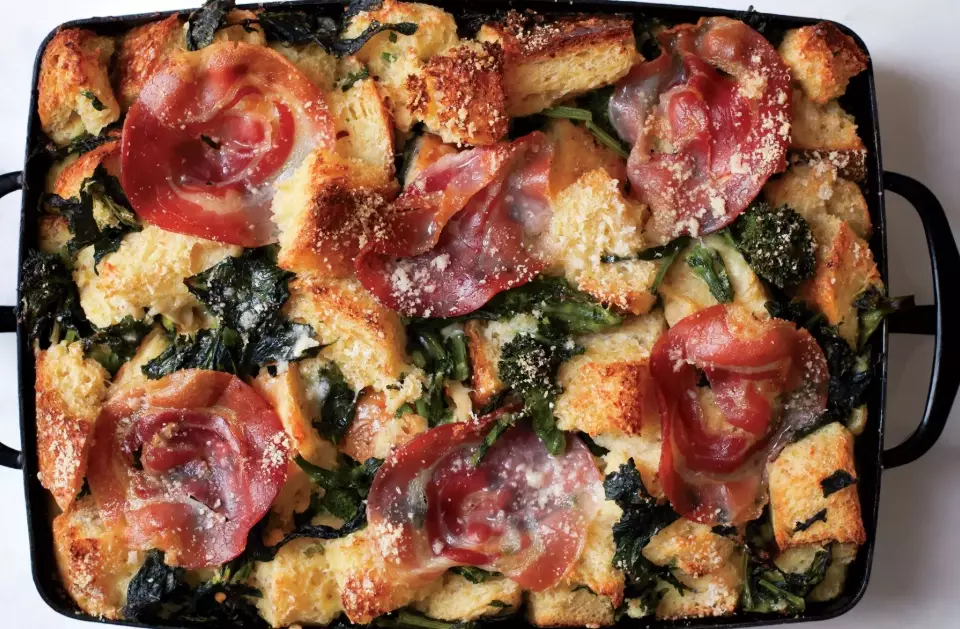
The Pancetta Pitfalls: Mistakes Everyone Makes
I've made these so you don't have to.
Mistake 1: Using it as a 1:1 bacon substitute in strongly smoky dishes. If you're making baked beans with a molasses and liquid smoke base, use bacon. Pancetta's subtle spice will get lost. It shines in dishes where its own flavor can be the star.
Mistake 2: Not tasting before seasoning. Pancetta is salty. I once ruined a pasta dish by adding my usual pinch of salt to the cooking water without thinking. The rendered pancetta fat salted the sauce, the pancetta bits added more salt, and my extra salt made it inedible. Always taste your dish after adding the pancetta and its fat before adding any additional salt.
Mistake 3: Cutting the pieces too thick. For rendering and getting a mix of crisp and tender, aim for a 1/4-inch dice or lardon. Too thick, and the outside will burn before the inside renders.
Mistake 4: Throwing away the skin (if your slab has it). Some artisanal pancetta comes with the skin on. Don't cut it off and discard it! Score it, roast it until super crispy (like pork cracklings), and chop it up as a garnish. Or add it to a pot of soup or beans for incredible depth—remove it before serving.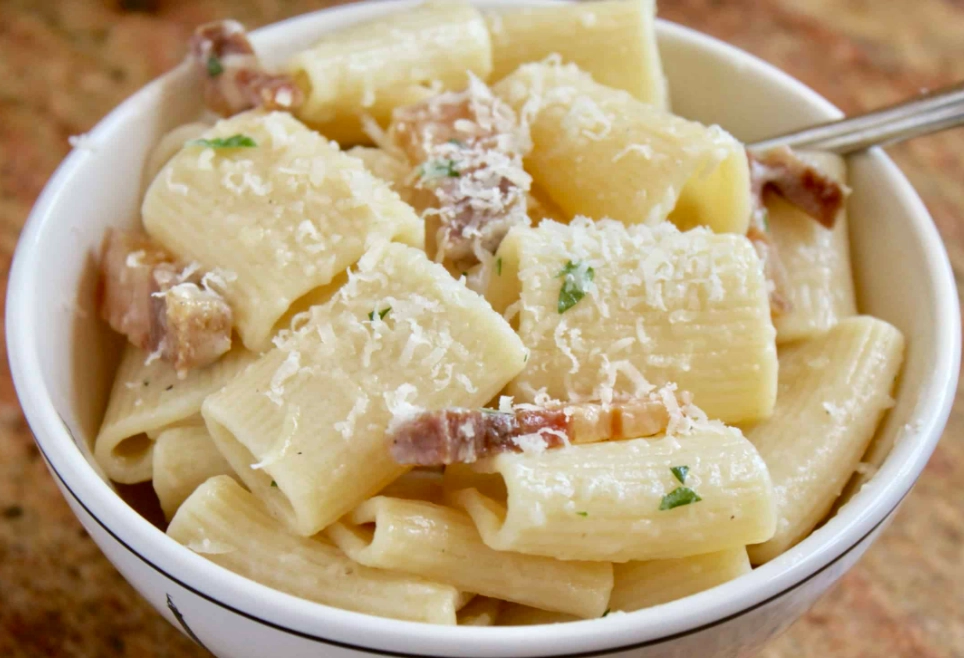
Your Pancetta Questions, Answered
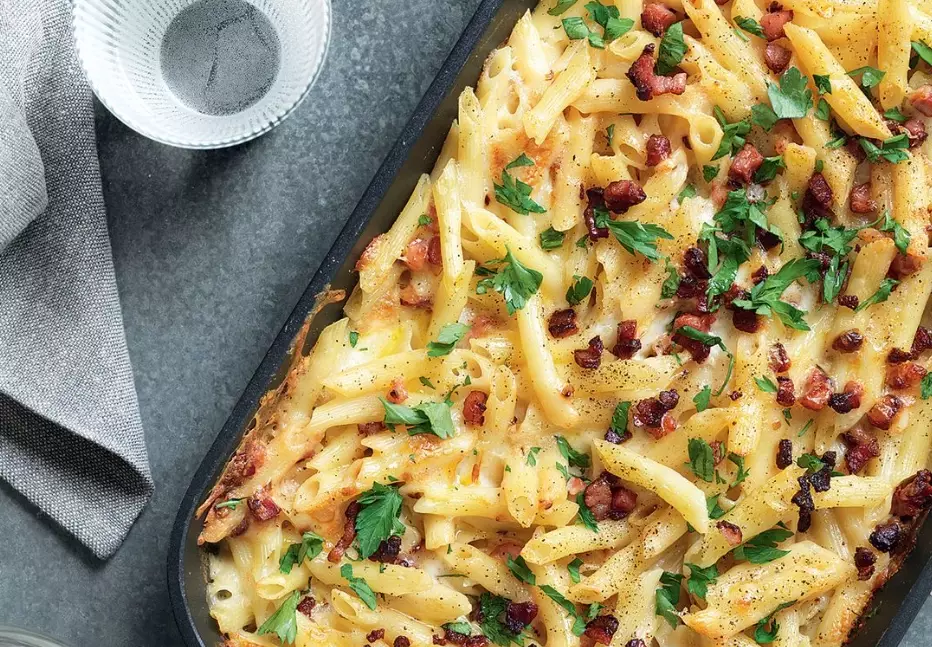 So, that package in your fridge? It's not just an ingredient; it's a shortcut to deeply flavorful, restaurant-worthy meals. Start with the carbonara to understand its power, then try the bean sauté on a busy Tuesday. Once you get the hang of rendering that fat and using it as your cooking base, you'll find yourself reaching for pancetta instead of bacon more often than not. It has that effect. Now go cook.