In This Guide
Let's be honest. You've probably ordered egg foo yung from your local Chinese takeout more times than you can count. That fluffy, savory omelette packed with beansprouts, maybe some shrimp or pork, all smothered in a rich, brown gravy. It's comfort food at its finest. But have you ever tried making it at home? I used to think it was some mystical kitchen secret, until I finally cracked the code (pun intended).
Turns out, a great egg foo yung recipe isn't complicated. It's about technique and a few key ingredients you might already have. This isn't just another list of instructions. I'm going to walk you through everything – the why behind each step, the common pitfalls (I've made them all so you don't have to), and how to tweak it to make it your own.
We're not just making an omelette. We're creating a piece of Chinese-American culinary history right in your kitchen.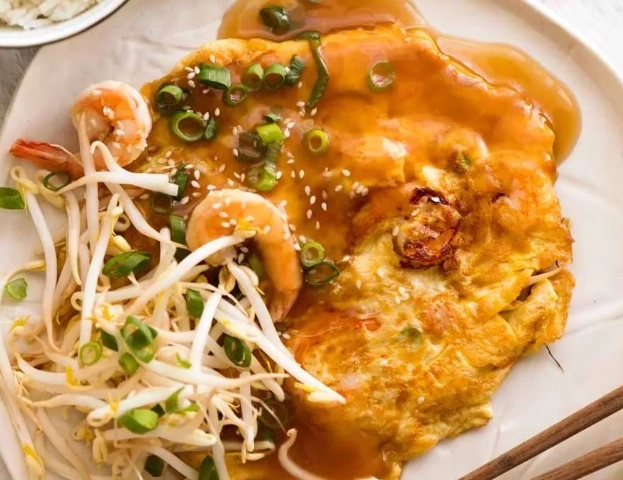
What Exactly Is Egg Foo Yung?
Before we dive into the cooking, let's clear something up. Egg foo yung (sometimes spelled egg foo young or egg fu yung) is a classic dish found in Chinese restaurants across America and beyond. Its roots are in a Cantonese dish called fu yung egg slices, which is essentially an egg white omelette with minced meat. The version we know and love today – a deep-fried or pan-fried thick omelette with veggies and meat in a gravy – is a brilliant adaptation created by Chinese immigrants in the United States.
It's a testament to resourcefulness. Taking available, affordable ingredients like eggs, bean sprouts, and onions, and turning them into something hearty, delicious, and deeply satisfying. That's the spirit we're bringing to this egg foo yung recipe.
The Foundation: Gathering Your Ingredients
You can't build a great house without good bricks. The same goes for your egg foo young recipe. Freshness matters here, especially for the vegetables. Let's break down what you need and, more importantly, why you need it.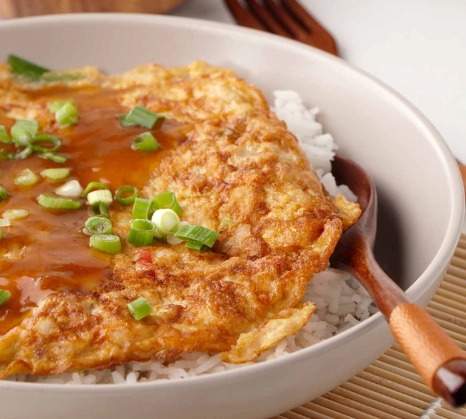
The Core Egg Mixture
This is the heart of the dish. You'll need:
- Large Eggs: The star. About 4-6 for a standard batch. Fresh eggs will give you better volume and structure.
- Cornstarch: This is the secret weapon! A tablespoon or two mixed into the beaten eggs is what gives the finished omelette its unique, slightly chewy yet tender texture. It helps bind everything and creates a crispier exterior when frying. Don't skip it.
- Sesame Oil: Just a teaspoon. This isn't for frying, but for mixing into the eggs. It adds that unmistakable, nutty aroma that says "Chinese food."
- White Pepper: More authentic than black pepper here. It provides a gentle, earthy heat.
- Salt: To taste.
The Fillings (This is Where You Get Creative)
The classic filling combo is bean sprouts, sliced onions, and chopped scallions. But the beauty of a homemade egg foo yung recipe is customization. You need about 1.5 to 2 cups of total fillings for 4-6 eggs.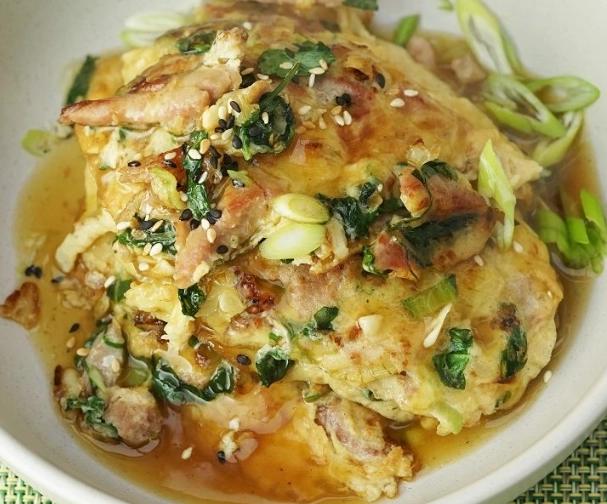
Here’s a table to mix and match your proteins and veggies:
| Protein Options (Choose 1 or mix) | Vegetable Options (Mix & Match) | Prep Needed |
|---|---|---|
| Small shrimp, peeled and deveined | Fresh bean sprouts (the classic!) | Rinse and drain VERY well. |
| Diced char siu (Chinese BBQ pork) | Bamboo shoots, julienned | Rinse if canned. |
| Ground pork or chicken | Shiitake mushrooms, rehydrated & sliced | Soak dried mushrooms in hot water for 20 mins. |
| Thinly sliced roast pork | Onion, thinly sliced | Slice thinly. |
| Imitation crab sticks, shredded | Scallions (green onions), chopped | Separate white and green parts. |
| Firm tofu, small cubes | Water chestnuts, diced | Rinse if canned. |
| (Vegetarian option) | Frozen peas and carrots, thawed | Pat thawed veggies dry. |
The Gravy – It's Not Optional
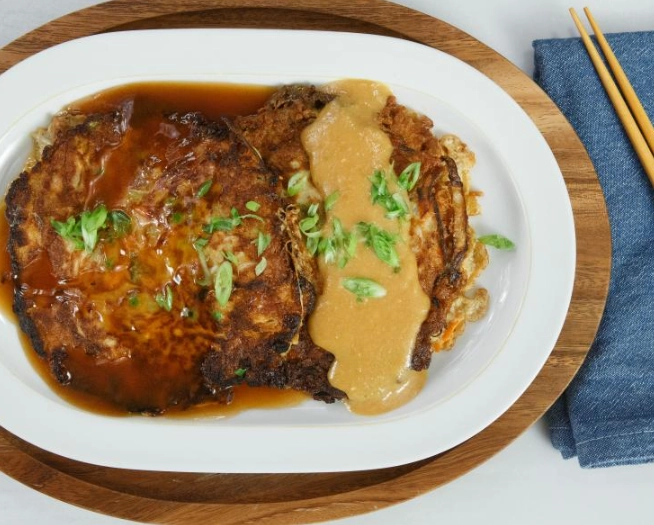
Some folks think the gravy is just an afterthought. They're wrong. A proper gravy ties the whole egg foo yung recipe together. It's savory, slightly sweet, and velvety.
- Broth: Chicken or vegetable broth. Low-sodium is best so you can control the salt. For a more robust flavor, use the soaking liquid from the shiitake mushrooms (strained).
- Soy Sauce: Both light and dark soy sauce. Light for saltiness, dark for color and a deeper, molasses-like flavor.
- Oyster Sauce: Adds a rich, umami depth. (Use vegetarian oyster sauce or more soy sauce for a vegetarian version).
- Sugar: Just a pinch to balance.
- Cornstarch Slurry: Equal parts cornstarch and cold water, mixed until smooth. This is what thickens the gravy to a glossy, coating consistency.
Cooking Your Egg Foo Yung: Step-by-Step
Okay, ingredients are prepped. Let's cook. I'll guide you through the process, pointing out where things can go right or wrong.
Step 1: Prep and Cook the Fillings
Heat a wok or large skillet over medium-high heat. Add a tablespoon of neutral oil (like vegetable or canola).
Start with the aromatic vegetables—the white parts of your scallions and the onions. Stir-fry for about a minute until fragrant. If you're using raw meat like ground pork or shrimp, add it now and cook until just done through. Then, toss in the rest of your vegetables (bean sprouts, bamboo shoots, etc.) and stir-fry for another 1-2 minutes. You're not fully cooking them, just taking the raw edge off and releasing their flavors. Season with a tiny splash of soy sauce. Transfer this entire filling mixture to a bowl and let it cool down. A hot filling will start cooking the eggs when you mix them—not what we want.
Step 2: Make the Egg Mixture
In a large bowl, beat your eggs vigorously until uniform. Whisk in the cornstarch until completely smooth—no lumps! Then add the sesame oil, white pepper, and a pinch of salt. Now, fold in the cooled filling mixture until everything is evenly distributed.
Step 3: Fry to Perfection
This is the make-or-break moment. Heat a clean non-stick or well-seasoned skillet over medium heat. Add enough oil to generously coat the bottom—about 3-4 tablespoons. You want shallow frying, not deep frying, but don't be shy with the oil. It's what gives you that gorgeous, lacy, golden-brown edge.
Once the oil is shimmering (not smoking), use a ladle or measuring cup to pour a portion of the egg mixture into the pan. I like making individual-sized patties, about 1/2 cup of mixture each. Don't touch it! Let it cook for 2-3 minutes until the bottom is deeply golden brown and the edges look set.
The flip.
This can be intimidating. Use a wide, flexible spatula. Slide it confidently underneath, support the patty, and flip it in one smooth motion. If it breaks a little, don't panic—it will still taste amazing. Cook for another 2 minutes on the second side until golden and cooked through. Transfer to a wire rack set over a sheet pan (this keeps the bottom crisp). Repeat with the remaining batter, adding more oil as needed.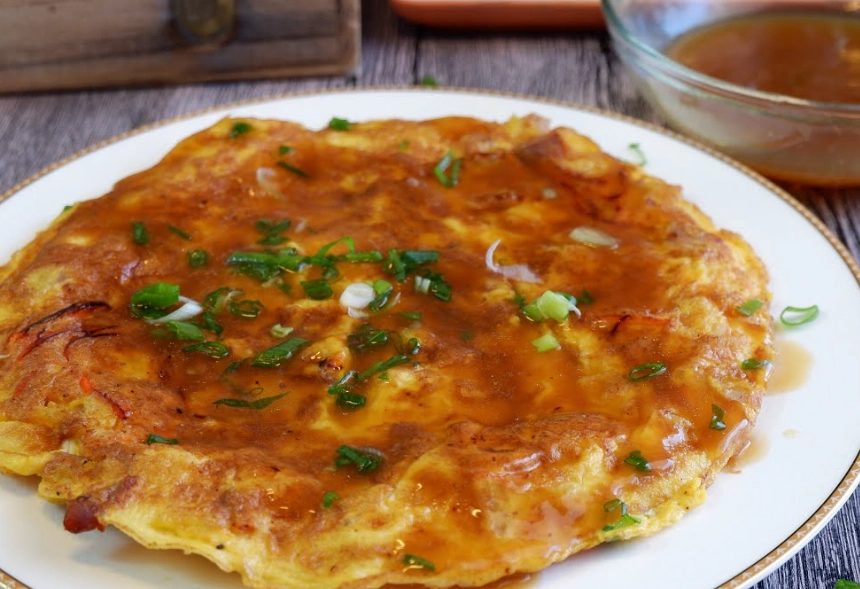
Step 4: Whip Up the Gravy
While the last patties are cooking, make the gravy. In a small saucepan, combine 1.5 cups of broth, 1 tablespoon light soy sauce, 1 tablespoon dark soy sauce, 1 tablespoon oyster sauce, and a pinch of sugar. Bring to a simmer. Give your cornstarch slurry (1.5 tablespoons cornstarch + 1.5 tablespoons cold water) another stir, then slowly drizzle it into the simmering broth while whisking constantly. The gravy will thicken almost immediately. Let it bubble for 30 seconds to cook out the starchy flavor, then remove from heat. It should coat the back of a spoon nicely.
Serving and the All-Important Leftovers
Place a warm egg foo yung patty on a bed of steamed white rice. Ladle that beautiful gravy over the top, letting it pool around the sides. Garnish with the green parts of the scallions.
The first bite is a revelation when you make it yourself. The contrast of the crispy exterior, the soft, almost custardy interior packed with savory bits, all brought together by the gravy... it's just better.
Now, about leftovers. The patties reheat surprisingly well. Don't microwave them if you want to keep the texture. Instead, reheat them in a toaster oven, air fryer, or a skillet over medium heat until warmed through and re-crisped. The gravy will thicken in the fridge; just thin it out with a little water or broth when reheating.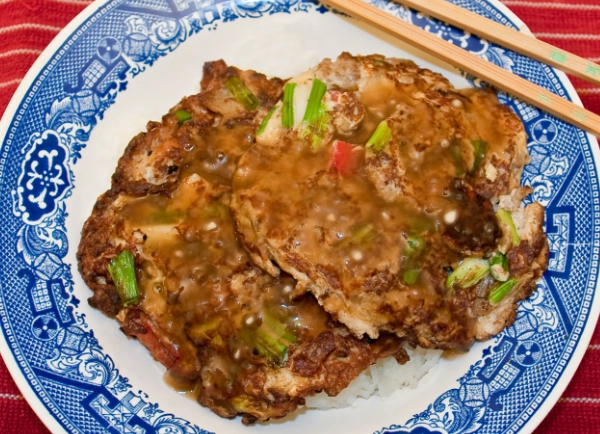
Answering Your Egg Foo Yung Questions
Can I make egg foo yung without bean sprouts?
Absolutely. While bean sprouts are traditional, they can be hard to find fresh. You can substitute with very thinly sliced cabbage, more mushrooms, or even just extra onions and scallions. The texture will be different, but it will still be delicious.
What's the difference between egg foo yung and an omelette?
Great question. A French or American omelette is usually soft, folded, and has minimal fillings mixed in. An authentic egg foo yung recipe creates a thicker, puffier patty that's packed with a high ratio of fillings to egg, and it's fried in more oil to achieve a distinct crispy, browned exterior. The cornstarch in the egg mixture also changes the texture.
Is there a vegetarian version?
Easily! Skip the meat and oyster sauce. Use extra-firm tofu, a variety of mushrooms (shiitake, oyster, button), bamboo shoots, water chestnuts, and peas. For the gravy, use vegetable broth and substitute the oyster sauce with more soy sauce or a vegetarian "stir-fry sauce." The USDA's MyPlate guidelines are a good resource for balancing a vegetarian meal, suggesting pairing protein-rich foods like eggs and tofu with plenty of vegetables.
Why did my egg foo yung fall apart?
Usually, it's one of three things: 1) The pan wasn't hot enough before adding the mixture, so it stuck. 2) Not enough oil. 3) You flipped it too early. Wait until the edges are fully set and you see browning creeping up the sides.
Can I bake it instead of frying?
You can, but it won't be the same. Pour the mixture into a greased muffin tin for individual portions and bake at 375°F (190°C) for 15-20 minutes. It will be more like a crustless quiche—still tasty, but lacking the signature crispy, fried texture. For the real deal, frying is the way to go.
Taking Your Recipe Further: Variations & Pro Secrets
Once you've mastered the basic egg foo yung recipe, the world is your oyster (sauce).
Regional & Restaurant-Style Twists
- Shanghai-Style: Use only egg whites for a lighter, fluffier, and white-colored omelette. A bit more work (separating eggs) but elegant.
- Extra-Crispy: Add an extra tablespoon of cornstarch to the egg mixture and fry in slightly hotter oil.
- Gravy Boost: Add a teaspoon of grated fresh ginger or a splash of Chinese rice wine (Shaoxing wine) to the gravy as it simmers.
The Equipment Question
A good non-stick skillet is your best friend for this. A well-seasoned carbon steel wok or cast iron skillet also works beautifully. The key is even heat distribution and a surface your food won't bond with. For more on the science of cooking with eggs and achieving the right texture, resources like Serious Eats have fantastic, in-depth explorations of culinary techniques.
So there you have it.
More than just a list of ingredients and steps, this is a roadmap to making a classic dish that’s often misunderstood. A great egg foo yung recipe is about embracing the process—the careful prep, the confident fry, the rich gravy. It’s a dish that rewards a little effort with a lot of flavor.
Next time that craving hits, skip the takeout menu. You’ve got this. Heat up your pan, beat those eggs, and make something truly special.