You know the scene. A white plate arrives, bearing a golden fillet of fish, bathed in a pool of foaming, nutty brown butter flecked with parsley and brightened with lemon. It's sole meunière. It looks simple. Deceptively simple. And that's where most home cooks go wrong, assuming a few minutes in a pan with butter is all it takes. After cooking this dish professionally for a decade, I can tell you the gap between a good sole meunière and a great one is a handful of critical, often-overlooked details.
This isn't just another recipe. It's a breakdown of the technique, the why behind each step, and the mistakes you're probably making without knowing it. We're going beyond the basic instructions to deliver that perfect, crisp exterior, moist interior, and emulsified sauce that defines a classic French sole meuniere recipe.
What's Inside
Getting the Fish Right: It's Not Just Any Fillet
Let's start with the star. "Sole" on a menu can mean Dover sole (the expensive, gold-standard Solea solea) or lemon sole. For home cooking, you're likely getting flounder or another flatfish labeled as "sole." That's fine. The key is the cut and condition.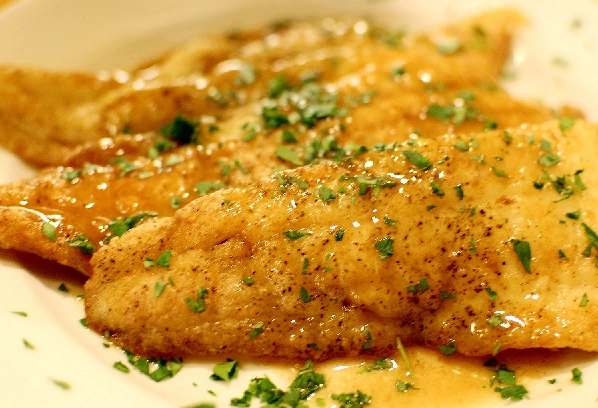
You want a skinless, boneless fillet, about 4-6 ounces each. Thicker than a quarter-inch, thinner than three-quarters. Why? Even cooking. A slab that's too thick won't cook through before the coating burns. Too thin, and it'll overcook into dryness in seconds.
Here's the first pro tip nobody tells you: patience at the fish counter. Look for fillets that are glossy, firm, and smell like the clean ocean, not fishy. If they're sitting in a pool of milky liquid, walk away. That's protein loss—the fish is weeping and will be mushy.
Once home, the prep is non-negotiable. Lay the fillets on a triple layer of paper towels. Cover with more towels and press gently. You're not just dabbing; you're extracting moisture. Do this 15 minutes before cooking. A wet fish steams instead of sears. This is the foundation of a crisp crust.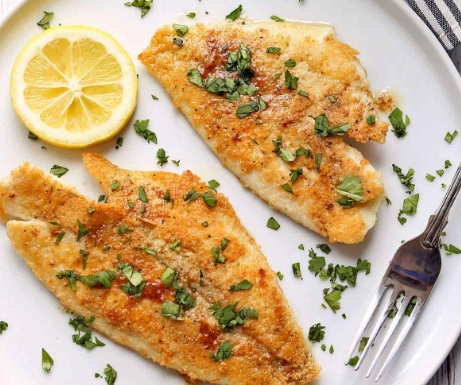
The Step-by-Step Process: No Shortcuts Allowed
This is where the magic happens, and where timing is everything. Have all your ingredients—fish, flour, salt, pepper, butter, lemon, parsley—measured and within arm's reach. The cooking part takes less than 10 minutes, so there's no time to search for the lemon juicer.
The Dredge: More Than Just Flour
Season your flour. I use about a half cup of all-purpose flour, with a teaspoon of fine sea salt and a few cracks of black pepper. Some chefs add a pinch of cayenne for warmth. Whisk it in a shallow dish.
Take your bone-dry fillet. Dredge it lightly. I mean, lightly. Coat both sides, then pick it up and give it a firm tap over the dish. You want a whisper-thin, even coating. A thick, pasty layer of flour will turn gummy and peel off. The goal is a delicate, crisp jacket, not a batter.
The Sear: Heat, Oil, and Courage
Use a heavy skillet—stainless steel or cast iron are best. Non-stick works, but you won't get the same fond (those browned bits) for your sauce. Heat it over medium-high heat for a solid two minutes. Add enough neutral oil with a high smoke point (grapeseed, canola) to just coat the bottom. It should shimmer immediately.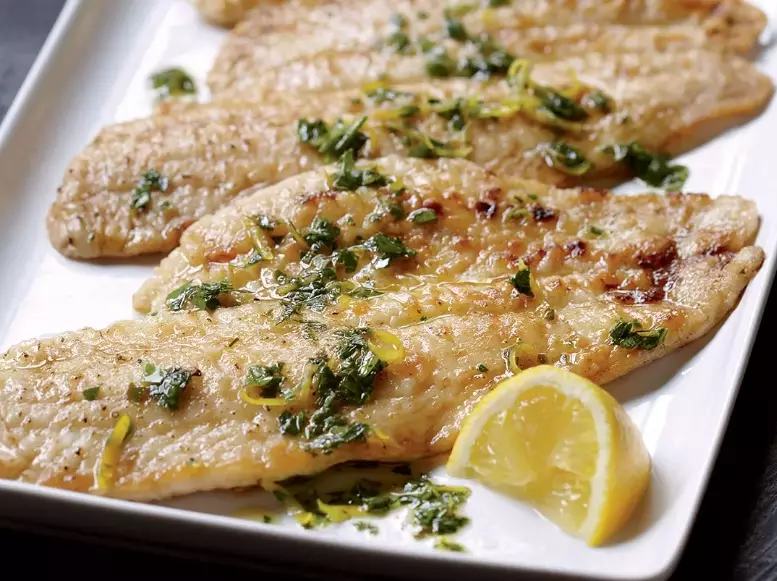
Lay the fillets in, presentation side down (the side that didn't have skin). Don't crowd the pan. If they're touching, they'll steam. Do this in batches if needed.
Now, the hard part. Don't touch it. Don't poke it. Don't try to move it. Let it cook undisturbed for 2 to 3 minutes, depending on thickness. You're waiting for that golden-brown crust to form. It will naturally release from the pan when it's ready. Peek at the edges. When they look opaque about a third of the way up, it's time to flip.
Cook on the second side for another 1.5 to 2 minutes. The fish is done when it's just opaque throughout and flakes gently. It continues to cook off the heat, so err on the side of slightly underdone. Transfer to a warm plate.
The Sauce Secrets: Beyond Butter and Lemon
This is the soul of the dish. Too many recipes tell you to just throw butter and lemon in the pan. The result? A broken, greasy puddle.
Here's the correct sequence. After removing the fish, discard the cooking oil. Wipe the pan quickly with a paper towel if there are any burnt flour bits. Return the pan to medium heat.
Add your butter. For two fillets, I use 3 to 4 tablespoons of unsalted butter, cut into cubes. Unsalted lets you control the salt. Swirl the pan constantly. The butter will melt, foam, and then the foam will subside. Watch the color. It will go from yellow to a light tan, and you'll see little brown specks (the noisette) form at the bottom. It should smell nutty, not burnt. This takes about 90 seconds.
Immediately squeeze in the juice of half a lemon. It will sizzle violently. Swirl to combine. The acid and water in the lemon juice will emulsify with the butter fat, creating a creamy, cohesive sauce. Toss in a handful of chopped fresh parsley. Off the heat.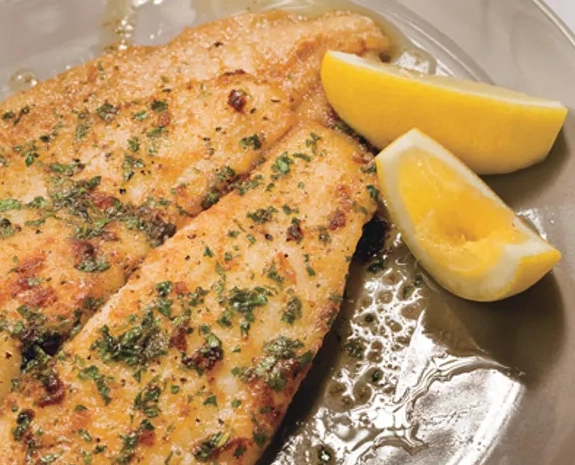
Pour the foaming sauce directly over the waiting fish. The sound is everything.
The 3 Most Common Pitfalls (And How to Dodge Them)
I've seen these mistakes ruin more sole meuniere sauce attempts than I can count.
1. The Soggy Bottom. Cause: Not drying the fish enough, or flipping it too early so the crust tears and moisture floods the pan. Solution: The paper towel press is sacred. And wait for the crust to form before flipping.
2. The Greasy, Separated Sauce. Cause: Pan too hot when adding butter and lemon. Solution: Let the pan cool slightly. Add butter off the heat first, then return to medium. The lemon juice must hit the butter while it's still emulsifiable.
3. The Bland Result. Cause: Underseasoning. Solution: Season the flour well. Season the fish lightly just before dredging. And finish the sauce with a tiny pinch of flaky sea salt after it's made. Taste it!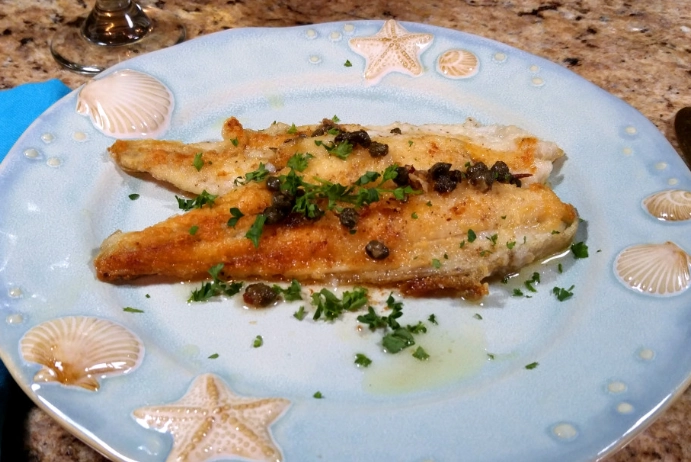
Serving, Pairing, and Making it a Meal
How to cook sole meuniere is only half the battle. Serving it right completes it.
You need something to soak up that sauce. Classic French bistros serve it with steamed potatoes or haricots verts. Buttered boiled new potatoes are perfect. So is a simple arugula salad with a sharp shallot vinaigrette to cut the richness.
For wine, you want something crisp and acidic to mirror the lemon. A French Sancerre (Sauvignon Blanc) or a Chablis (Chardonnay) is the classic pairing. A dry Riesling or Pinot Gris also works beautifully.
This isn't a make-ahead dish. It's a 20-minute-from-start-to-finish operation. But you can prep: dry the fish, mix the flour, chop the parsley, juice the lemon. Then, when your guests arrive or you're ready to eat, it's a quick, dramatic cook.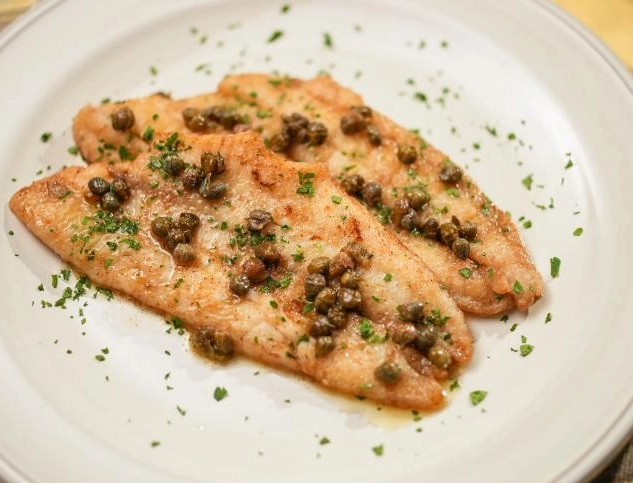
Your Burning Questions Answered
So there you have it. It's not about complexity, but about precision. Respect the fish, master the heat, and emulsify the sauce. Do those three things, and your sole meuniere recipe will go from a hopeful attempt to a guaranteed showstopper. It's one of those dishes that proves the best food often has the shortest ingredient list, but demands the most attention to detail.
Now go find some fresh fish. Your perfect meunière is waiting.