Let's be honest. Most of us have that lonely jar of yellow mustard in the fridge door, used occasionally for hot dogs. But real mustard? The kind that makes a sandwich sing, that turns a piece of grilled meat into an event? That's a different beast entirely. And the best part is, you can make it in your kitchen with about 10 minutes of active work. A homemade mustard recipe isn't just about saving a couple bucks. It's about controlling what goes in (goodbye, mysterious preservatives and excess sugar) and unlocking flavors you simply can't buy. The process is almost foolproof, and the payoff is a condiment with character.
What's Inside: Your Mustard-Making Roadmap
What You Need to Start Making Mustard
The ingredient list for a basic mustard recipe is shorter than you think. We're talking pantry staples. The magic is in the ratios and the little tweaks.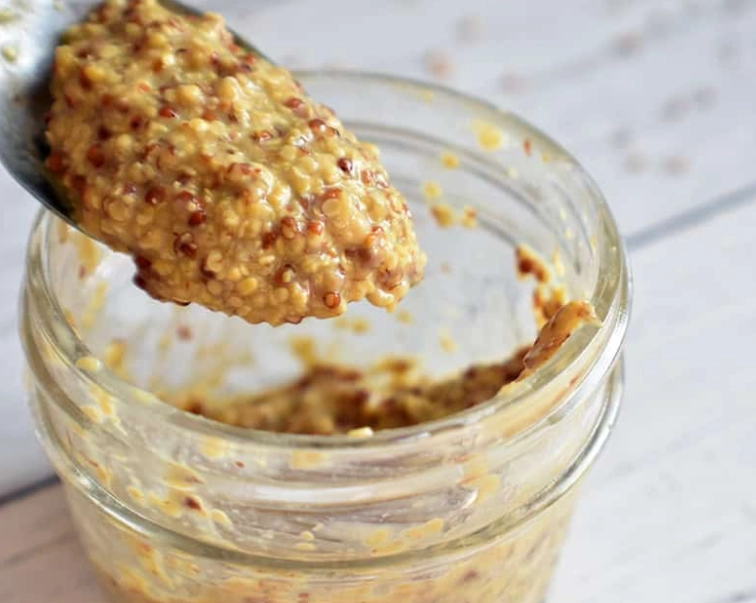
The Big Three:
- Mustard Seeds: This is your foundation. You'll find three main types. Yellow seeds (also called white) are mild and are the base for American-style mustard. Brown seeds are more pungent and aromatic, common in European mustards. Black seeds are the most potent, used sparingly in spicy blends.
- Liquid: This activates the enzymes in the seeds that create the heat. Water works, but it's a blank canvas. Vinegar (white wine, apple cider) or wine not only adds tang but also halts the enzyme activity, letting you control the final heat level. More on that later.
- Acid: Usually integrated via the liquid (vinegar, lemon juice). It balances the heat, adds brightness, and acts as a natural preservative.
The Supporting Cast: Salt (non-negotiable for flavor enhancement), sweeteners (honey, sugar, maple syrup – optional), and spices (turmeric for color, garlic powder, herbs).
How to Make Classic Yellow Mustard: A Step-by-Step Guide
Let's start with a straightforward, all-purpose yellow mustard. This is your from-scratch replacement for the standard supermarket variety, but with a cleaner, more vibrant flavor.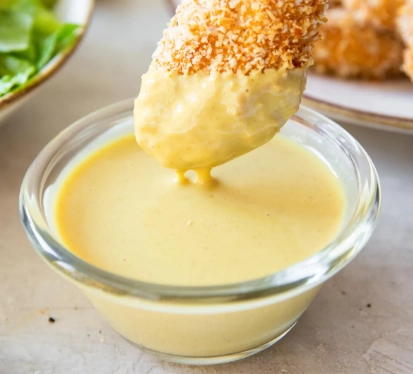
Simple All-Purpose Yellow Mustard Recipe
Ingredients:
- 1/2 cup yellow mustard seeds
- 1/2 cup cold water
- 1/2 cup apple cider vinegar (or white vinegar)
- 1 teaspoon salt
- 1/2 teaspoon ground turmeric (for that classic yellow color)
- 1/4 teaspoon garlic powder (optional)
- 1 teaspoon honey or maple syrup (optional, for slight sweetness)
The Process:
Combine the mustard seeds, water, and vinegar in a glass bowl or jar. Stir it up. Cover it. Now, walk away. Let it sit at room temperature for at least 8 hours, or overnight. This soak is crucial – it softens the seeds and starts the flavor development.
After the soak, pour the whole mixture into your blender or food processor. Add the salt, turmeric, garlic powder, and sweetener if using. Now, blend. Start on low and work up to high. How long? It depends on the texture you want. For a coarse, whole-grain mustard, pulse a few times. For a smooth, creamy mustard, blend for a full minute or two until it's as smooth as it can get.
Here's the thing most recipes don't tell you: It will look too thin. Don't panic. Pour your mustard into a clean jar, screw on the lid, and put it in the fridge. The magic continues. Over the next 24-48 hours, it will thicken up beautifully as the ground seeds absorb the liquid and release their natural gums.
Taste it after a day. Need more salt? A touch more acid? Adjust now. This mustard will keep, refrigerated, for a good 2 months.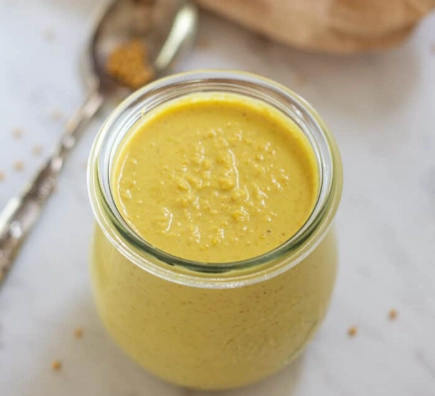
Beyond the Basics: 3 Gourmet Mustard Variations to Try
Once you've got the basic method down, the world is your oyster. Or your mustard seed. Here are three variations that showcase how simple swaps create completely different condiments.
| Mustard Style | Key Ingredient Swap | Flavor Profile & Best Uses |
|---|---|---|
| Honey & Ale Mustard | Replace water with a mild ale or beer. | Malty, slightly sweet, complex. Perfect for pretzels, cheese plates, and glazing ham or sausages. |
| Whole Grain Dijon-Style | Use 3/4 brown + 1/4 yellow seeds. Use white wine instead of water/vinegar. Skip the turmeric. | Pungent, aromatic, with a pleasing texture. The classic for vinaigrettes, sauces, and charcuterie. |
| Sweet & Spicy Bourbon Mustard | Add 2 tbsp bourbon with the liquid. Use 2 tbsp brown sugar. Add a pinch of cayenne. | Rich, warm, with a kick. Amazing on burgers, roasted vegetables, or as a dipping sauce. |
My personal favorite is the honey and ale mustard. I find the beer adds a depth that water just can't match. I use a basic pale ale, nothing too hoppy. The fermentation bubbles are gone by the next day, but the flavor remains.
The Pro's Corner: Tricks for Texture, Heat, and Flavor
This is where you move from following a recipe to truly understanding mustard. A few subtle choices make a massive difference.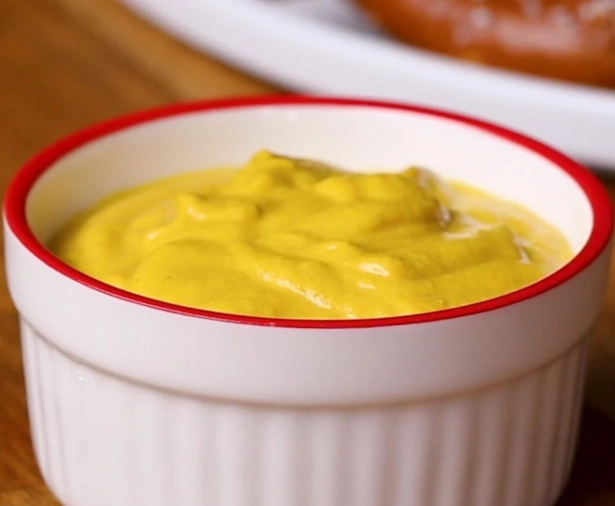
Controlling the Heat: The pungent, nose-clearing heat of mustard comes from compounds called isothiocyanates, which are released when the seeds' enzymes mix with water. The chemical reaction is hottest at room temperature and is slowed down by cold and stopped by acid.
- Want it milder? Use cold liquid and add your vinegar/wine at the beginning with the seeds. The acid immediately inhibits the enzyme activity.
- Want it hotter? Use warm (not hot) water alone for the initial soak. Let it sit for 15-30 minutes to let the enzymes work, then add your vinegar to stop the process and lock in the heat.
Getting the Texture Right: If your mustard is too runny even after 48 hours, you can stir in a teaspoon of ground mustard seed powder to help thicken it. If it's too thick, whisk in a teaspoon of your chosen liquid at a time. Remember, the texture will continue to evolve slightly over the first week.
The 24-Hour Myth: Many recipes insist you must wait 24-48 hours before eating. You don't. The flavor mellows and integrates over time, but you can absolutely taste it right after blending. It will be sharper, more aggressive. I often do a taste test right away and then again after two days – the transformation is part of the fun.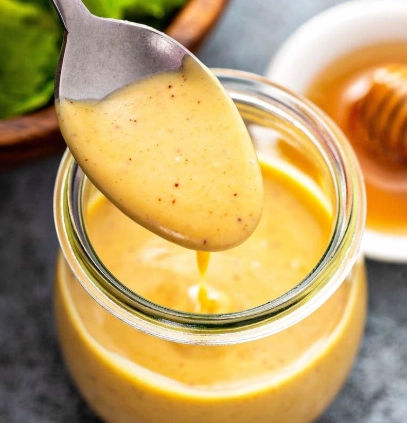
Storing Your Homemade Mustard
Your homemade mustard doesn't need the shelf-stable preservatives of commercial brands, so it lives in the fridge. Use a clean, airtight glass jar. A mason jar is perfect.
Shelf Life: Expect 2 to 3 months for most recipes. The high acidity is a great preservative. Always use a clean spoon to scoop it out to prevent introducing bacteria. If you see mold, an off smell, or significant discoloration, toss it. I find this particularly useful when I'm making a large batch for gifts. I'll put a small "best by" date sticker on the jar, usually 10 weeks from the day I made it.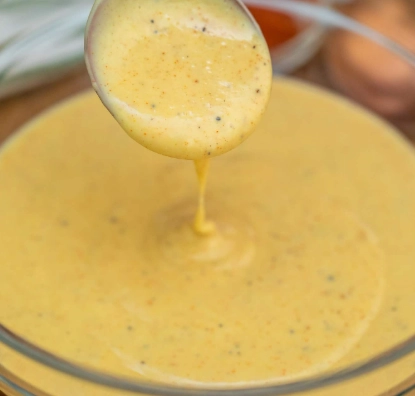
Your Mustard-Making Questions, Answered
The bottom line? Making mustard is one of the easiest and most satisfying kitchen projects. It demystifies a staple condiment, saves you from questionable ingredients, and gives you a tool to make even simple meals taste thoughtfully crafted. Grab some seeds and give it a go. Your fridge door will thank you.