Quick Navigation
Let's be honest. The first time I tried to cook a Thai recipe from a fancy cookbook, it was a disaster. I spent a fortune on ingredients I'd never heard of, followed the instructions to the letter, and ended up with a soup that was somehow both bland and painfully salty. My partner took one sip and politely suggested we order pizza. That was years ago. Now? Now I can whip up a green curry that makes my friends ask for the recipe every single time. The difference wasn't magic—it was just figuring out a few key things that most recipes assume you already know.
This guide is the one I wish I'd had. We're not just listing Thai recipes. We're going to dig into the why behind the flavors, the pantry staples that actually matter, and the little tweaks that turn a good dish into an unforgettable one. Forget the intimidation. Cooking Thai food at home is about vibrant, fresh ingredients and balancing a handful of core flavors. It's incredibly forgiving once you get the hang of it.
Why Bother Making Thai Recipes at Home?
Sure, you can get takeout. But have you ever noticed how sometimes the Pad Thai is cloyingly sweet, or the curry lacks that fresh herb punch? Cooking it yourself puts you in control. You can adjust the spice level to your exact tolerance (mine is medium-plus, thanks for asking), use fresher vegetables, and honestly, it often works out cheaper than delivery for a family.
Plus, the satisfaction is unbeatable.
More importantly, authentic Thai food is about harmony. It's not just about blowing your head off with chilies. When you learn to balance the elements yourself, you're not just following instructions—you're developing a real skill. You'll start tasting food differently, whether it's at a restaurant or in your own kitchen.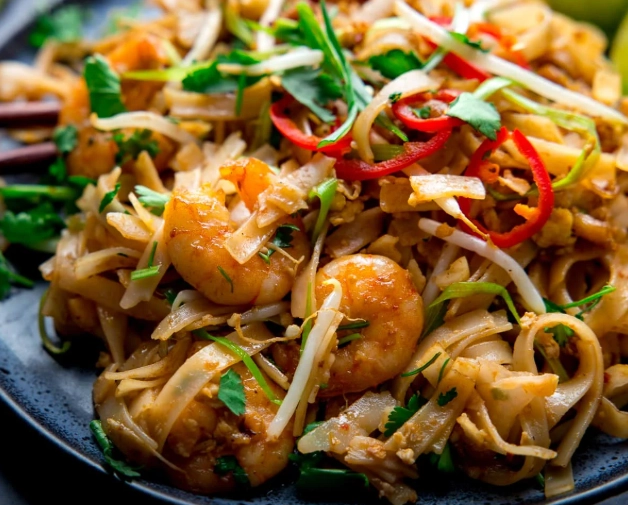
The Heart of Thai Cooking: It's All About the Five Flavors
This is the single most important concept. If you remember nothing else, remember this: great Thai food balances sweet, sour, salty, bitter, and spicy (hot). It's a dance, not a solo act. One flavor shouldn't dominate for long.
Getting the Balance Right
Think of a classic Thai recipe like Tom Yum Goong (hot and sour soup). The sour comes from lime juice and lemongrass, the salty from fish sauce, the sweet from a touch of palm sugar, the bitter from herbs like cilantro root, and the spicy from bird's eye chilies. If it's too sour, you add a pinch more sugar. Too salty? A squeeze of lime. You're the conductor.
I used to dump fish sauce in like the bottle said. Big mistake. It becomes fishy and overwhelming. Now I add a little, taste, stir, and add more if needed. Taste as you go—it's the golden rule for any of these Thai food recipes.
Your Thai Pantry: The Non-Negotiable Basics
You don't need a whole Asian supermarket aisle to start. Focus on these core items. I've organized them by how critical they are. The “Foundational Five” are the ones you'll reach for in almost every single one of your go-to Thai recipes.
The Foundational Five
- Fish Sauce (Nam Pla): This is your primary salt. Don't be put off by the smell in the bottle—it transforms when cooked. Tip: Squid Brand and Tiparos are reliable and widely available. Avoid the really cheap ones; they can be harsh.
- Palm Sugar: This gives a deep, caramel-like sweetness, not the sharp sweetness of white sugar. You can find it in hard discs or soft in a jar. In a pinch, light brown sugar is an okay substitute, but it's not quite the same.
- Thai Chilies (Bird's Eye Chilies/Prik Kee Noo): The main source of heat. They're small but mighty. Handle with care and always wash your hands after. You can control the spice by how many you use (or remove the seeds).
- Limes: For fresh sourness. Always use fresh juice. Bottled lime juice has a weird, flat taste that will ruin your balance.
- Garlic and Shallots: The aromatic base of so many dishes. Thai cooking uses a lot of shallots, which are sweeter and milder than onions.
The Flavor Builders (Next Level)
Once you're comfortable, these will expand your repertoire dramatically.
- Lemongrass: That citrusy, floral scent. Use the bottom third, smash it with the side of your knife to release oils, and often remove it before serving.
- Galangal: Looks like ginger but tastes piney and sharper. Essential for Tom Yum soup. Ginger is a poor substitute—it's a different flavor profile.
- Kaffir Lime Leaves: The double leaves have an incredible perfume. Tear them to release the aroma. Dried ones are better than nothing, but fresh or frozen are vastly superior.
- Coconut Milk: For curries and desserts. Shake the can well! Don't buy “light” coconut milk for curries—you need the fat for texture and flavor. Chaokah and Aroy-D are excellent brands that don't separate weirdly.
- Thai Basil (Horapa): Different from Italian sweet basil. It has a licorice/anise flavor. You add it at the very end of cooking. Holy Basil (Krapow) is another variety used specifically in Pad Krapow.
Here’s a quick cheat sheet for substitutions when you're in a bind. It's not perfect, but it'll save a dish.
| Ingredient | Best Substitute | What to Know |
|---|---|---|
| Fish Sauce | Soy Sauce + a pinch of anchovy paste (if you have it) | It will be different, but gives salty-umami depth. Use slightly less soy. |
| Palm Sugar | Light Brown Sugar or Maple Syrup | Brown sugar is closer. Maple adds its own flavor. |
| Thai Chilies | Serrano peppers (less heat) or crushed red pepper flakes | Adjust quantity carefully! Flakes add heat but not fresh chili flavor. |
| Galangal | Ginger + a tiny pinch of lemon zest | Honestly, just leave it out if you can't find it. Ginger alone changes the dish. |
| Kaffir Lime Leaves | Lime zest (from 1 lime per 2 leaves) | Adds the citrus note but misses the unique floral aroma. |
Classic Thai Recipes You Can Actually Master
Let's get cooking. These are four cornerstone dishes. I'm giving you the core method and my personal tweaks after many, many attempts (and failures).
Thai Green Curry (Gaeng Keow Wan)
This is the crowd-pleaser. Creamy, fragrant, and packed with flavor. The biggest mistake? Using a bland curry paste. A good paste makes all the difference. I like Maesri or Mae Ploy brands in the little cans. They're leagues ahead of most supermarket jar pastes.
My take: I like to add Thai eggplants and bamboo shoots for texture, but bell peppers and chicken breast work perfectly for a weeknight. Don't boil the curry hard after adding the coconut milk—a gentle simmer keeps it creamy.
- In a pot, fry 2-3 tbsp of green curry paste in a little coconut cream (the thick part from the top of the can) for 2-3 minutes until it smells amazing.
- Add your protein (chicken, tofu, shrimp) and cook until mostly done.
- Pour in the rest of the can of coconut milk and about 1 cup of water or stock. Bring to a simmer.
- Add your harder vegetables (like carrots, potatoes). Simmer until tender.
- Add softer veggies (bell peppers, bamboo shoots). Cook for 5 more minutes.
- Season with 1-2 tbsp fish sauce and 1 tbsp palm sugar. Taste! Adjust with more fish sauce, sugar, or a squeeze of lime.
- Turn off heat. Stir in a big handful of Thai basil leaves.
Pad Thai
The most famous of all Thai recipes, and often the most butchered. Authentic Pad Thai has a complex sweet-sour-salty balance, not just ketchup-red sweetness. Tamarind paste is the key to that sour depth. You can find it in blocks or concentrate.
My gripe: Many recipes serve enough for four people but tell you to cook it in one batch. You'll end up steaming the noodles. Cook in two batches for proper “wok hay” (the breath of the wok)—that slightly smoky, charred flavor.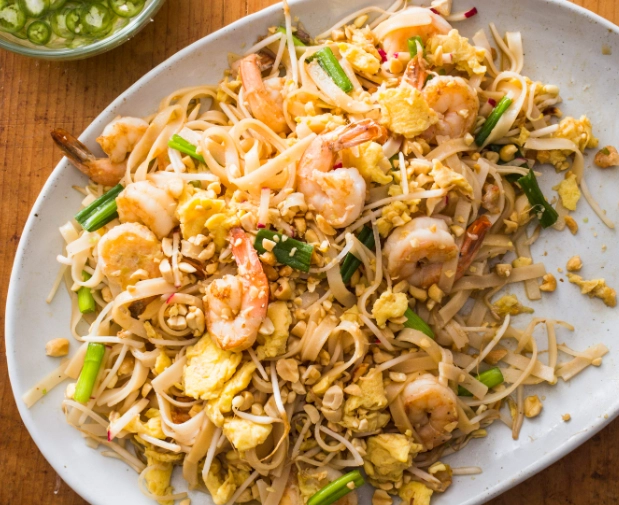
Prep is everything: Have all your ingredients chopped, sauce mixed, and noodles soaked and drained before you even turn on the stove. It cooks in minutes.
Tom Yum Goong (Hot & Sour Soup with Shrimp)
This is a flavor explosion in a bowl. It's light, cleansing, and incredibly aromatic. The broth is everything.
My trick: Smash the lemongrass and galangal really well. You want to bruise them to release every bit of oil and flavor into the broth. And add the lime juice off the heat at the very end. Boiling lime juice makes it bitter. I learned that the hard way.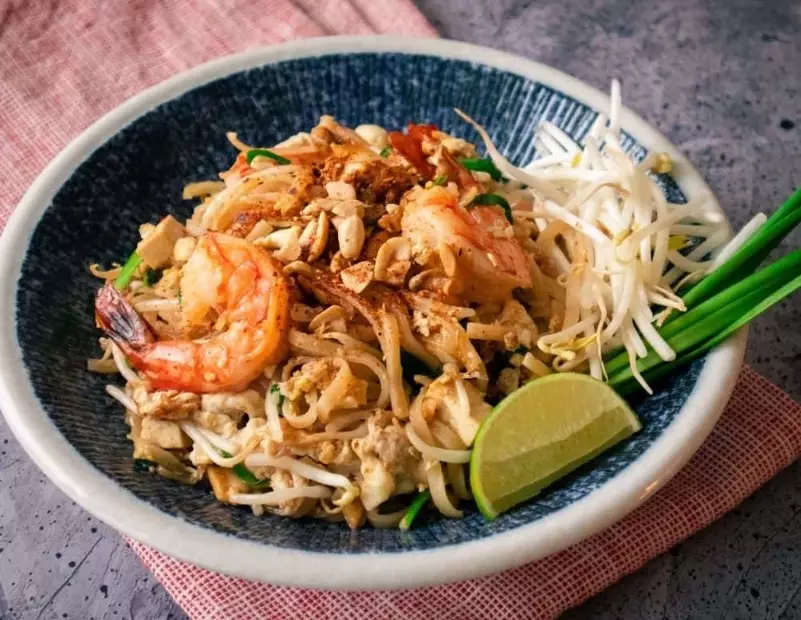
Mango with Sticky Rice (Khao Niew Mamuang)
The simplest, most satisfying dessert. It relies on the quality of three things: ripe, sweet mangoes; good glutinous rice; and a rich coconut sauce.
My must-do: Soak the sticky rice for at least 4 hours, preferably overnight. It makes the texture perfectly chewy and tender, not gritty. And don't skip the toasted mung beans or sesame seeds on top—the crunch is essential.
Navigating Common Questions & Problems
Here are the things that tripped me up, answered plainly.
My curry is too watery. How do I make it thicker?
Simmer it longer without a lid to reduce. If you're in a hurry, mix a teaspoon of cornstarch with a tablespoon of cold water and stir it in during the last minute of cooking. But honestly, a longer simmer develops better flavor anyway.
How do I make these Thai recipes less spicy for my kids?
Control the chilies. For curries, use a mild curry paste or less of a spicy one. Remove the seeds and membranes from fresh chilies (that's where most capsaicin is). You can also serve chili flakes or a chili sauce (like Sriracha) on the side for adults to add their own heat.
Is there a good vegetarian fish sauce substitute?
This is a tough one because fish sauce provides unique umami. The best commercial vegan “fish sauce” I've tried is made from seaweed and soy. You can also make a passable version by simmering soy sauce with a piece of kombu seaweed and a sliced mushroom, then straining it. For more on plant-based adaptations, the Eating Thai Food blog has some thoughtful guides on modifying classic dishes.
My stir-fry is soggy and the noodles are mushy.
Your wok or pan isn't hot enough, and you're overcrowding it. Get the pan screaming hot. Cook protein in batches, remove it, then cook veggies. Add everything back with the sauce at the end. For noodle dishes like Pad Thai, the soaked rice noodles should still be a little firm when you add them—they'll finish cooking in the sauce.
Where can I learn more about authentic techniques?
I can't recommend Hot Thai Kitchen enough. Chef Pailin's website and YouTube channel break down recipes with incredible clarity and explain the cultural context. For an official deep dive into Thai cuisine's heritage, the Tourism Authority of Thailand's food culture page is a fascinating read to understand the regional variations.
Final Thoughts: Your Journey Starts Now
Don't try to cook everything at once. Pick one dish. Maybe it's a green curry. Master that one Thai recipe. Get comfortable with the balance of flavors, how the coconut milk behaves, how the basil wilts at the end. Then try a stir-fry, like Pad Krapow. Then maybe a soup.
Your pantry will grow naturally.
You'll have failures. I once made a Panang curry so salty it was inedible (I misread the fish sauce label). It happens. The point is to taste as you go, adjust, and learn. The beauty of these Thai food recipes is their flexibility. Once you understand the framework of the five flavors, you can adapt endlessly with what you have.
One last pro-tip: Invest in a good granite mortar and pestle. Yes, you can use a food processor for curry pastes, but the pounding action of a mortar releases oils and creates a texture that blending just can't match. It's a workout, but the difference in aroma is night and day. It connects you to the traditional method in a way that feels genuinely rewarding.
So go on. Grab some fish sauce, a can of coconut milk, and a handful of basil. Start simple. Your kitchen is about to become a much more exciting place.