Quick Guide to Bao Buns
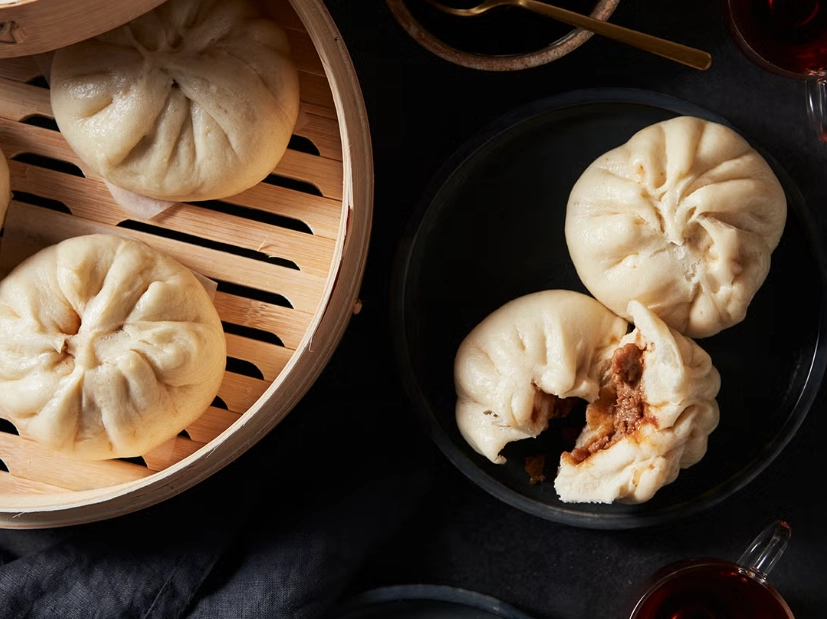
Let's be honest. There's something magical about a perfectly steamed bao bun. That pillowy, cloud-like exterior that gives way to a savory or sweet surprise inside. It feels like a restaurant secret, something you can only get from a dim sum cart or a specialty shop. I used to think that too. I'd buy the frozen ones from the Asian market and hope for the best. They were... fine. But fine isn't great. And after one too many dense, chewy disappointments, I decided to crack the code on a real, from-scratch bao buns recipe.
It wasn't instant success. My first batch could have been used as hockey pucks. The second was better but tore when I tried to fold it. But you know what? Getting it wrong is part of the process. Now, making bao is one of my most relaxing kitchen rituals. The rhythm of mixing, kneading, watching the dough rise—it's therapy. And the payoff? Unbeatable. This guide is everything I wish I'd known when I started. We're going to demystify the process, tackle the common pitfalls head-on, and get you making bao buns so good, you'll never look at the freezer aisle the same way again.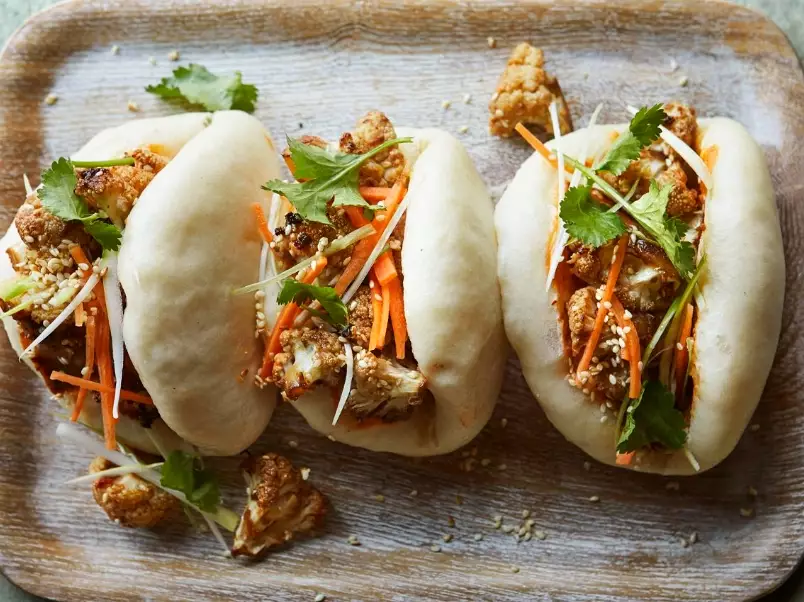
The Core Promise: This isn't just a list of ingredients and steps. This is a deep dive into the why behind each part of the bao buns recipe. Understanding the "why" is what turns a follower of instructions into a confident cook. We'll cover the science of the fluff, the technique for the perfect fold, and answers to every "what if" question you might have.
Why Bother Making Bao Buns at Home?
Sure, you can buy them. But here's the thing about a homemade bao buns recipe—it gives you control. Total, beautiful control.
You control the ingredients. No weird preservatives or excess sodium. You control the size. Want giant, sandwich-sized gua bao or delicate, bite-sized treats? You decide. Most importantly, you control the freshness. A bao bun steamed and eaten within minutes is a completely different creature from one that's been sitting around. The texture is lighter, the flavor of the wheat itself is more pronounced. It's the difference between store-bought bread and bread fresh from your oven. Once you taste it, there's no going back.
I also find the process incredibly satisfying. In a world of instant gratification, taking a couple of hours to create something so fundamental and delicious is a small act of rebellion. It connects you to a centuries-old tradition of steamed breads across Asia. It's not just cooking; it's a little bit of food history in your kitchen.
What You'll Need: The Bao Toolkit
Gathering your gear and ingredients is the first step to success. You don't need fancy equipment, but a few key items make life much easier.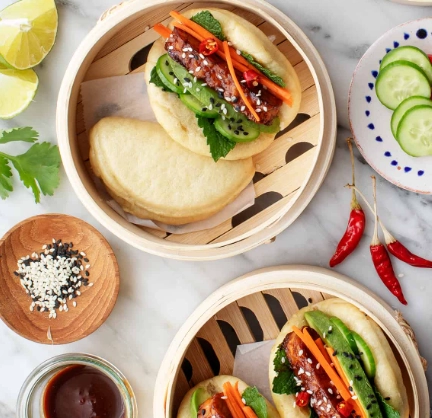
The Non-Negotiable Ingredients
This is the foundation. Skimp here, and you'll feel it in the final texture.
- Flour: Not all flour is created equal. For the classic, slightly chewy-yet-tender texture, you want a medium-protein flour. All-purpose flour works surprisingly well for a bao buns recipe. Bread flour can make them too tough and chewy, while cake flour lacks the necessary structure. If you can find it, Hong Kong flour (a low-protein, chlorinated flour) is the traditional choice for ultra-white, supremely soft buns, but it's not essential for a fantastic result at home. King Arthur Baking Company has a great resource on flour types and protein content if you want to dive deeper.
- Leavening: This is the magic behind the fluff. We use a double-activation system: instant yeast for the long, flavorful rise, and baking powder for an extra boost just before steaming. Don't substitute active dry yeast for instant without adjusting the liquid and method.
- Liquid: Most recipes use water or milk. I'm a fan of using a 50/50 mix. The water gives structure, while the milk (whole milk is best) adds a subtle richness, softens the crumb, and helps with browning. Some recipes even use a tangzhong (a cooked flour-and-water paste)—a trick borrowed from Japanese milk bread—for an even more tender, moist crumb that stays soft for days.
- Fat: A neutral oil (like vegetable or canola) or melted lard/shortening. Fat tenderizes the dough, making it more pliable and giving it a richer mouthfeel. Lard is traditional and gives an incredible flavor and texture, but oil works perfectly fine.
- Sugar: A little sugar feeds the yeast and balances the flavor. It's not for sweetness; it's for chemistry and a hint of complexity.
Pro Tip: Weigh your flour! Cup measurements are notoriously inconsistent. A kitchen scale is the single best investment for consistent baking and dough work. 120 grams per cup of all-purpose flour is a good standard, but it varies. Weighing removes all the guesswork.
Equipment Check
You probably have most of this.
- A Large Steamer: This is crucial. A bamboo steamer is ideal—it absorbs excess moisture, preventing soggy bun bottoms. A metal steamer basket works too. If you don't have a dedicated steamer, you can improvise with a heatproof plate set on a trivet or ramekins inside a large pot with a lid. Just make sure the buns aren't sitting in water.
- Mixing Bowls & Stand Mixer/Dough Hook (Optional): You can absolutely mix and knead by hand. It's therapeutic! But if you have a stand mixer with a dough hook, it makes the job effortless. A hand mixer generally won't have the power for dough.
- Parchment Paper: Little squares of parchment under each bun prevent sticking. Don't skip this.
- Rolling Pin: For rolling out the dough circles evenly.
- Clean Kitchen Towel: To cover the dough while it rests and proofs. A damp towel prevents a dry skin from forming on the dough.
The Step-by-Step Bao Buns Recipe (No Secrets Held Back)
Alright, let's get our hands dirty. This is the core bao bun dough recipe I've settled on after countless tests. It's reliable, forgiving, and produces that dreamy, fluffy texture.
Stage 1: Making the Dough & The First Rise
This is where the flavor develops. Don't rush it.
- Activate the Yeast (if unsure): If you're using active dry yeast instead of instant, you'll need to activate it first. Warm your liquid to about 105-110°F (40-43°C)—warm to the touch, not hot. Stir in a pinch of the sugar and sprinkle the yeast over it. Let it sit for 5-10 minutes until foamy. If it doesn't foam, your yeast is dead. Start over.
- Combine Dry Ingredients: In your mixer bowl or a large bowl, whisk together the flour (reserve a little for dusting), sugar, and instant yeast (if using instant, you can add it directly to the flour).
- Mix the Wet Ingredients: In a separate jug, combine your warm milk/water mixture and the oil or melted fat.
- Bring It Together: With the mixer on low (or a wooden spoon in hand), slowly pour the wet ingredients into the dry. Mix until a shaggy dough forms.
- Knead, Knead, Knead: This is the workout. If using a mixer, switch to the dough hook and knead on medium-low for 8-10 minutes. By hand, it'll take 12-15 minutes of vigorous kneading on a lightly floured surface. You're looking for the "windowpane test": take a small piece of dough and gently stretch it. If you can stretch it thin enough to see light through it without it tearing immediately, you're done. The dough should be smooth, elastic, and slightly tacky but not sticky. If it's sticking to your hands like glue, add a tablespoon of flour at a time. If it's dry and cracking, add water a teaspoon at a time.
- The First Proof: Place the smooth dough ball in a lightly oiled bowl, turning it to coat. Cover with a damp kitchen towel or plastic wrap. Let it rise in a warm, draft-free place until doubled in size. This usually takes 1 to 1.5 hours, depending on the temperature of your kitchen. Don't put it in an overly hot place (like on a radiator), as this can kill the yeast or make the dough taste boozy.
Stage 2: Shaping & The Second Rise
Now the fun part. Once your dough is puffy and doubled, punch it down gently to release the air. Turn it out onto a very lightly floured surface.
- Incorporate Baking Powder: This is the secret to the super-fluffy, open crumb. Sprinkle the baking powder evenly over the dough. Now, knead it in thoroughly for about 2-3 minutes. You want it completely incorporated. This step re-energizes the dough.
- Divide: Roll the dough into a long log. Cut it into equal pieces. For standard bao, aim for pieces about 50-60 grams each (golf ball to slightly larger size). You should get 10-12 pieces.
- Shape the Circles: Take one piece, cover the rest. Flatten it slightly with your hand, then use a rolling pin. Roll from the center outwards, turning the dough a quarter turn after each roll. Aim for a circle about 4-5 inches in diameter. The key is to roll the edges thinner than the center. The thicker center will hold your filling, the thin edges will be easier to pleat and seal.
- Fill & Fold (For Filled Bao): Place a spoonful of your chosen filling (more on that later) in the center. Now, the pleating. This takes practice, so don't stress if your first few look messy. Bring the edges up around the filling. Using your thumb and forefinger, pinch and fold small pleats, working your way around the circle. Once pleated, gently twist and pinch the top to seal securely. Place it seam-side down on a small square of parchment paper.
- For Plain Gua Bao (Fold-Over Buns): Instead of filling, just brush the top of the rolled circle lightly with oil and fold it in half over itself (like a taco). Place on parchment.
- Second Proof: Arrange all your shaped buns on their parchment squares in the steamer basket(s), leaving at least 1.5 inches of space between them—they will expand a lot! Cover with the lid or a towel and let them proof again for 30-45 minutes. They should look visibly puffed and feel light and airy when gently poked. This second proof is non-negotiable for fluffiness.
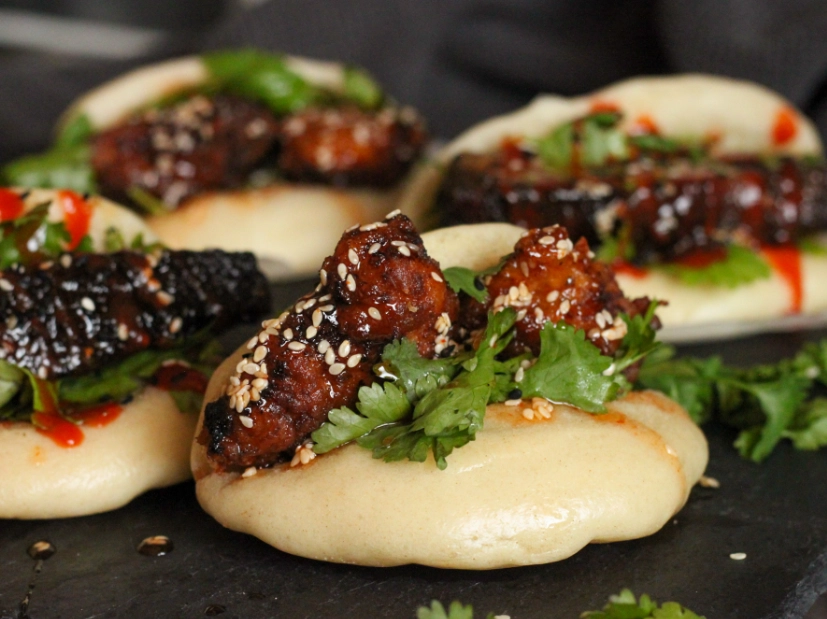
Common Shaping Mistake: Rolling the dough circles too thick. If the dough is too thick, the bao will be dense and doughy, especially at the bottom. Roll those edges thin! Also, don't overfill. Too much filling will burst through during steaming.
Stage 3: The Grand Finale - Steaming
This is the make-or-break moment. Steam is powerful but also delicate.
- Prepare Your Steamer: Bring the water in your wok or pot to a rolling boil. The water should be actively boiling, not just simmering, to generate a strong, consistent steam.
- Steam: Carefully place the steamer basket(s) over the boiling water. Cover tightly. If using bamboo, wrap the lid in a kitchen towel to prevent condensation from dripping onto the buns (this can cause yellow spots and collapse). Steam on high heat for 10-12 minutes for standard-sized buns.
- The Critical Rest: Once the time is up, DO NOT OPEN THE LID IMMEDIATELY. Turn off the heat and let the buns sit in the steamer, with the lid on, for 5 full minutes. This gradual cooling prevents the buns from collapsing due to a sudden change in temperature and pressure. This step is arguably the most important in the entire bao buns recipe.
- Serve: After the 5-minute rest, carefully open the lid away from you to avoid the steam. Use a spatula to transfer the buns to a plate. Serve immediately while they are at their peak of fluffiness.
The smell is incredible. That warm, yeasty, comforting aroma fills your kitchen. And when you tear one open? That soft, airy, slightly sweet interior is your reward.
Filling Ideas: From Classic to Creative
A great bao buns recipe is just the beginning. The filling is where you can truly make it your own. Here are some categories to explore.
| Filling Type | Classic Example | Quick & Easy Twist | Key Tip |
|---|---|---|---|
| Savory Pork | Char Siu (Chinese BBQ Pork) - diced and mixed with a reduced, thickened version of the marinade. | Ground pork cooked with hoisin, soy, ginger, and garlic. Thicken with a cornstarch slurry. | Pre-cook your filling completely and let it cool before wrapping. A wet, hot filling is hard to handle and can make the dough soggy. |
| Vegetarian | Stir-fried shiitake mushrooms, cabbage, carrots, and glass noodles, seasoned with sesame oil and soy. | Crumbled firm tofu scrambled with curry powder, peas, and corn. | Make sure vegetarian fillings are not too watery. Sauté vegetables until most moisture has evaporated. |
| Sweet | Red Bean Paste (store-bought or homemade). | Lotus seed paste, or a simple mix of crushed peanuts and sugar. | For sweet bao, you can add a bit more sugar to the dough itself. Seal sweet buns very well, as the filling can leak and burn. |
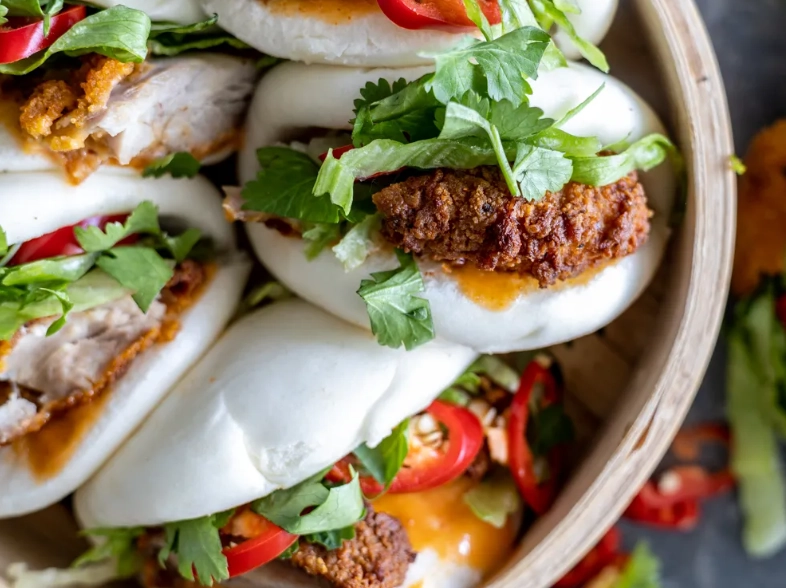
| Modern/Fusion | --- | Pulled chicken in gochujang sauce, braised beef short rib, or even a breakfast bao with scrambled egg and cheese. | Balance flavors. Rich meats need a bright pickle (quick-pickled cucumbers or carrots) as a garnish inside the bun. |
My personal favorite lazy-night filling? Sautéed spicy ground turkey with a splash of soy and a handful of chopped scallions. It's not traditional, but it's delicious and ready in 10 minutes.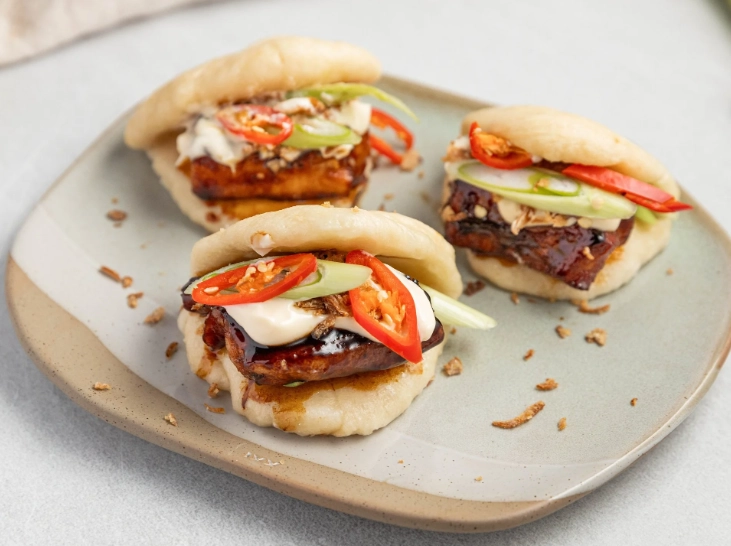
Your Bao Buns Recipe Questions, Answered
I've gotten a lot of questions from friends I've taught this to. Here are the big ones.
Why did my bao buns turn out dense and not fluffy?
This is the number one issue. Several culprits:
- Old or dead yeast: Always test your yeast if it's been in the pantry for a while.
- Over-kneading or under-kneading: You didn't develop the gluten enough (under-kneading) or you broke it down (over-kneading). Aim for the windowpane test.
- Insufficient proofing: You didn't let the dough rise enough in either the first or (more commonly) the second proof. The buns should look very puffy before steaming.
- Opening the steamer lid too soon: Remember the 5-minute rest! Sudden temperature drop = collapse.
- Dough was too wet or too dry: Improper hydration leads to poor structure.
Can I make the dough ahead of time?
Absolutely! This is a great trick. After the first rise and punch-down, you can wrap the dough ball tightly in plastic and refrigerate it for up to 24 hours. This slow, cold fermentation actually improves the flavor. When ready to use, let the dough come to room temperature for about an hour, then proceed with the baking powder knead, shaping, and second proof. You can also freeze the shaped, unfilled buns (after the second proof) on a tray, then transfer to a bag. Steam from frozen, adding 2-3 minutes to the cooking time.
My bao buns stick to the parchment/steamer. Help!
Make sure you're using parchment paper squares, not wax paper. Also, ensure your steaming water is boiling vigorously before adding the buns. A weak steam creates a wetter environment that can cause sticking. If using bamboo, make sure it's seasoned and dry before use.
What's the difference between bao, mantou, and gua bao?
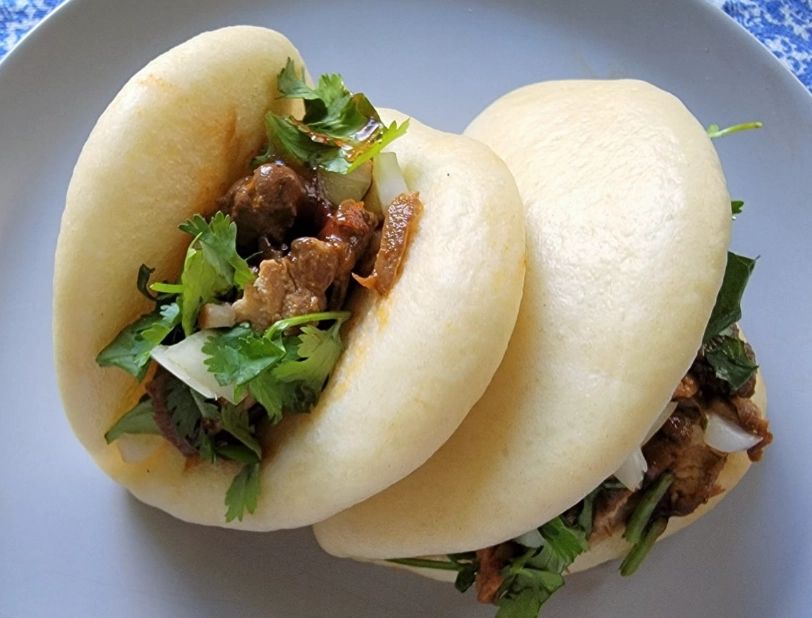
Great question that often causes confusion. Baozi (or bao) is the general term for a filled, steamed bun. Mantou is the term for a plain, unfilled steamed bun (often served as a side). Gua Bao (also called "bao buns" in the West) refers specifically to the folded, taco-shaped steamed bun that you fill with meat and condiments after steaming. So, when you search for a "bao buns recipe," you might be looking for the dough to make any of these! The dough base is essentially the same.
Are there gluten-free or whole wheat options?
This is tough. The classic fluffy texture relies heavily on wheat gluten. A 1:1 gluten-free flour substitute will not yield the same results—it will be more dense and crumbly. You'd need a specialized blend with xanthan gum and likely other adjustments. For a healthier twist, you can substitute up to 30% of the all-purpose flour with whole wheat flour. Any more than that, and the buns will become quite dense and heavy, as whole wheat flour absorbs more liquid. You may need to increase liquid slightly and accept a heartier, nuttier bun.
Troubleshooting: The Quick-Fix Guide
Something went wrong? Don't panic. Here's your cheat sheet.
Dough won't rise: Check yeast freshness. Ensure your liquid wasn't too hot (it should be warm, not hot, to the touch). Is your kitchen too cold? Place the bowl in an oven with only the light on for a gentle warmth.
Buns collapsed/wrinkled after steaming: You almost certainly opened the lid too soon. Remember the 5-minute off-heat rest. Also, the second proof might have been too long (over-proofed).
Dough is too sticky to handle: Don't just keep adding flour; you'll make them dense. Wet your hands with a little oil or water instead of flour when handling. A bench scraper is also your best friend for moving sticky dough.
Buns have yellowish spots on top: Condensation from the steamer lid dripped on them. Wrap your lid in a towel to absorb moisture.
Storing and Reheating Your Homemade Bao
They are best eaten fresh, but leftovers happen.
- Short-term (1-2 days): Let the buns cool completely, then store in an airtight container or zip-top bag at room temperature.
- Long-term: Freeze them. Cool completely, then place in a single layer on a baking sheet to freeze solid before transferring to a freezer bag. They'll keep for 2-3 months.
- Reheating: The best method is to re-steam them for 5-8 minutes (10 if frozen) until heated through. The microwave will make them tough and rubbery. If you must microwave, wrap a single bun in a damp paper towel and heat for 20-30 seconds.
Look, the journey to perfect bao is just that—a journey. Your first batch might not be Instagram-perfect. Mine sure weren't. But they'll probably still taste pretty good. And each time you make this bao buns recipe, you'll learn something new. You'll get a feel for the dough, your pleats will get neater, your steaming timing will become instinctual.
The real joy is in the process and the sharing. There's nothing quite like setting a basket of steaming, homemade bao buns in the middle of the table and watching everyone dig in. It's a humble food, but made with your own hands, it becomes something special. So give it a try. Embrace the mess, learn from the mistakes, and enjoy the incredibly fluffy, delicious rewards.