Let's be honest. My first attempt at a Spanish paella recipe was a disaster. I used the wrong rice, stirred it like a risotto (a big no-no, as I'd later learn), and ended up with a mushy, albeit flavorful, mess that my friends politely called "interesting." That experience sent me down a rabbit hole. I talked to cooks in Valencia, read old Spanish cookbooks, and burned a few more pans in the process. What I discovered is that the perfect Paella recipe Spanish style isn't about rigid rules, but about understanding a few non-negotiable principles. It's a dish that feels celebratory but is, at its heart, surprisingly approachable. This guide is the one I wish I'd had—it cuts through the noise and gets you straight to the good stuff: a stunning, authentic paella that will genuinely impress.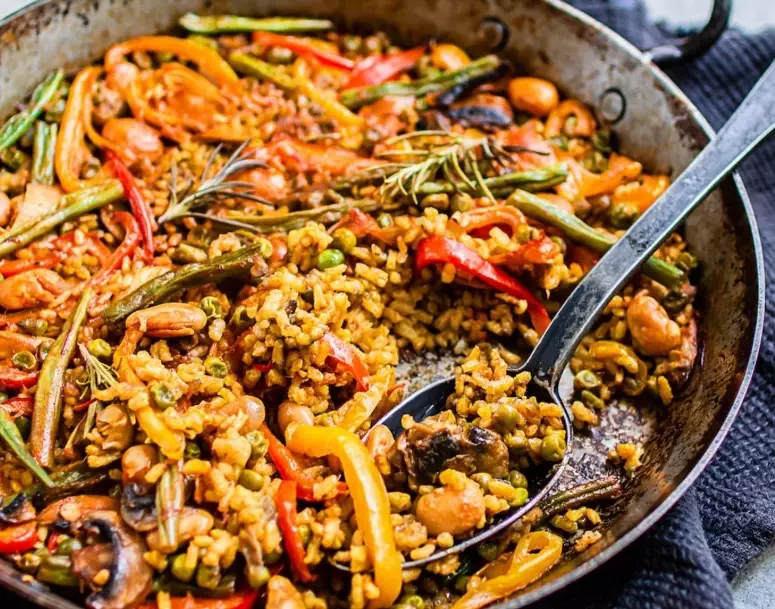
Quick Navigation
What *Actually* is a Spanish Paella Recipe?
Before we grab the pan, let's clear the air. Paella is from Valencia, on Spain's east coast. Originally, it was a lunchtime dish for farmers and laborers, cooked over an open fire in the fields. They used what was on hand: rice, water, tomatoes, onions, snails, rabbit, duck, and beans. The iconic Spanish paella recipe you should try first is actually Paella Valenciana—the one with meat and beans. The all-seafood version (Paella de Marisco) is more of a coastal adaptation. The Spanish Ministry of Culture and Sport's cultural heritage portal even notes the dish's deep roots in Valencian agrarian society. It was practical, communal food.
So, if a Spaniard hears you call any rice dish with seafood "paella," they might gently cringe. The name comes from the wide, shallow, two-handled pan it's cooked in. No pan? You're making "arroz" (rice), which can also be delicious, but it's a different category.
The Biggest Myths Debunked
Let's tackle these head-on. They're the source of most failed attempts.
- Myth 1: You must use seafood. Nope. The original doesn't have a single shrimp. Start with a chicken and rabbit version to get the fundamentals right.
- Myth 2: You stir the rice. Absolutely not. Once you add the broth and spread the rice, you do not stir. Stirring releases starch and makes the rice gummy. You want separate, distinct grains.
- Myth 3: Any short-grain rice will do. This is crucial. You need Spanish bomba rice or at least Calasparra rice. These varieties absorb three times their volume in liquid without bursting, which is the secret to that perfect texture. Using Arborio (for risotto) or regular short-grain will give you glue. Trust me, I learned the hard way.
- Myth 4: It's a quick weeknight meal. It's not. There's a layering of flavors—sofrito, meat browning, broth infusion—that takes time. Give it a good 60-90 minutes of focused attention.
Gathering Your Arsenal: The Paella Pantry
You can't build a house without the right bricks. Here’s your shopping list for an authentic Paella recipe Spanish foundation. I've split it into the non-negotiables and the nice-to-haves.
The Non-Negotiables
The Pan: A proper paella pan (paellera) is wide, shallow, and has dimples on the bottom. The steel is thin, which is key for heat distribution. A 15-inch pan serves 4-6 people. No lid needed. If you're committed, invest in one. If you're testing the waters, a large, wide stainless steel skillet is the best substitute, though getting an even socarrat will be trickier.
Bomba Rice: This is the hill I will die on. Bomba rice is a variety that absorbs flavor like a champ and stays beautifully al dente. You can find it online or in specialty stores. Calasparra is a good alternative. Do not substitute.
Saffron: Yes, it's expensive. But you only need a small pinch. It provides the iconic golden color and that subtle, earthy, hay-like flavor. Don't use turmeric as a substitute—it tastes completely different. Crush the saffron threads in your fingers before adding to warm liquid to wake up the aroma.
Smoked Paprika (Pimentón de la Vera): This is what gives the broth its deep, smoky, Spanish soul. Get the dulce (sweet) variety, not the spicy one, for your first try. It makes all the difference.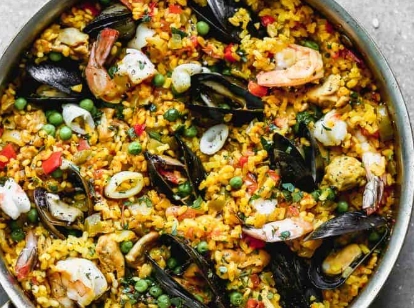
| Ingredient | Authentic Choice | Why It Matters | Okay Substitute (in a pinch) |
|---|---|---|---|
| Rice | Bomba or Calasparra | Absorbs max flavor, stays separate | Other short-grain Spanish rice (No Arborio!) |
| Broth | Homemade chicken/fish or quality store-bought, unsalted | You control the salt, foundational flavor | Water + a good stock cube (reduce added salt) |
| Oil | Spanish olive oil | Fruity base flavor for sofrito | Any good quality olive oil |
| Paprika | Pimentón de la Vera Dulce | Authentic smoky depth | Regular sweet paprika (lacks smoke) |
| Protein (for Valenciana) | Chicken thighs, rabbit, fresh garrofó/ferraura beans | Traditional texture and taste | Chicken + green beans/butter beans |
See, it's not a mile-long list. The key is quality on these few items. For everything else, you have wiggle room. The regulatory council for Valencian paella, the Consejo Regulador de la Paella Valenciana, even has specifications for what can be called an official "Paella Valenciana," which highlights the importance of these core ingredients.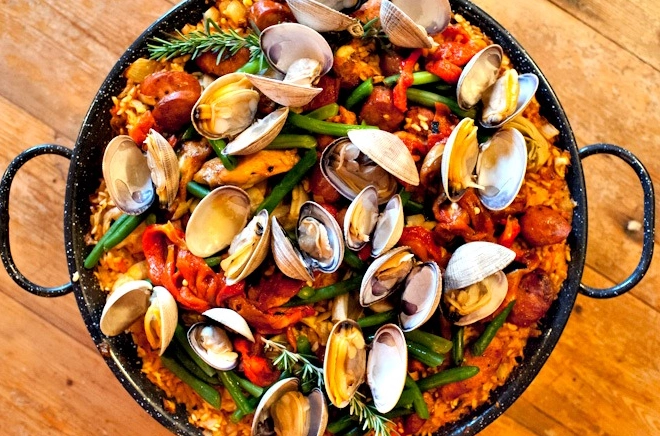
The Step-by-Step: Building Flavor Layers
This is where the magic happens. Think of it like building a house: a solid foundation, strong walls, then the roof. Rushing any step shows in the final dish. We'll make a classic Paella Valenciana, the mother of all Spanish paella recipes.
Stage 1: The Sofrito – The Flavor Foundation
Heat a generous glug of olive oil in your pan over medium heat. Add chopped chicken thighs (bone-in, skin-on for maximum flavor) and rabbit if using. Brown them deeply on all sides. This isn't just for cooking the meat; those browned bits (fond) on the bottom of the pan are liquid gold. Remove the meat and set aside.
In the same oil, add a finely chopped onion and a grated tomato (just grate a whole tomato on a box grater, discarding the skin). Cook this down, stirring often, for a good 15-20 minutes until it's a jammy, dark red paste. This is your sofrito. It should smell sweet and rich. Hurry this, and your entire paella will lack depth.
Stage 2: The Toasting & Broth Infusion
Push the sofrito to the sides. Add your bomba rice to the center of the pan and stir it in the oil for just a minute—you're toasting it lightly. Now, add your smoked paprika (pimentón). Stir it into the rice quickly for 15 seconds. Do not let it burn or it will turn bitter. Immediately pour in your hot broth to stop the cooking.
This is a key moment. Season the broth in the pan with salt. Remember, the rice will absorb all this seasoning. Crumble in your precious saffron. Add the browned meat back in, along with any flat green beans and large white beans (like butter beans). Give the pan a gentle shake to distribute everything evenly. From this point on...
Stage 3: The Simmer and the Socarrat
Let the paella cook over medium-high heat for about 8-10 minutes, then reduce to a steady medium simmer. Cook for another 10-15 minutes, rotating the pan occasionally if your heat source isn't perfectly even (it probably isn't). You're looking for the broth to be almost fully absorbed.
Now, for the pièce de résistance: the socarrat. Crank the heat up to medium-high for the final 1-2 minutes. Listen for a faint crackling sound. You're caramelizing the rice on the bottom of the pan. Smell it? That's the good stuff. It should smell toasty, not burnt. This is the skill that separates good paella from great paella. It takes practice. My second attempt, I got overzealous and created a blackened crust that tasted like charcoal. Not great.
Once you have that sound and smell, take the pan off the heat. Immediately cover it with a clean kitchen towel or large piece of foil and let it rest for 5-10 minutes. This final step is vital—it lets the rice finish steaming gently and allows all the flavors to settle and marry.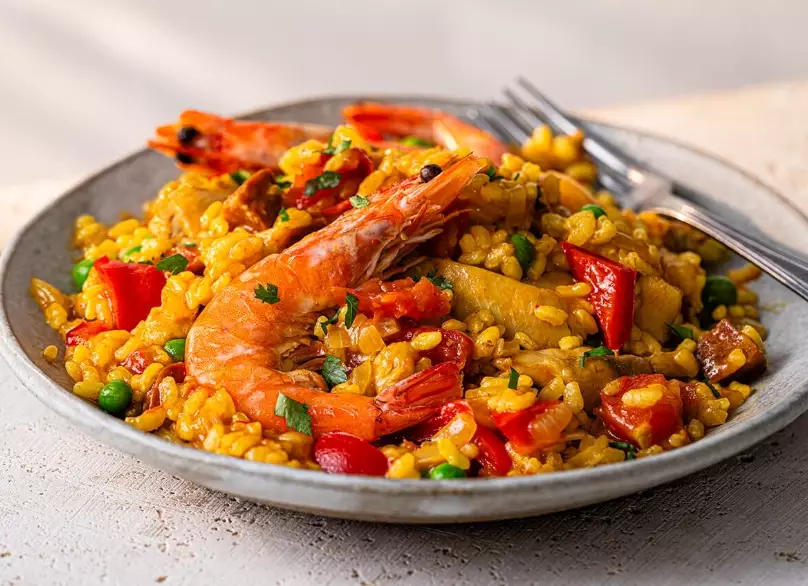
Common Pitfalls & How to Dodge Them
Everyone makes mistakes. Here’s how to avoid the classic ones.
- Broth is gone, rice is still hard: You cooked the heat too high. The broth evaporated before the rice could absorb it. Add a small amount of hot broth or water, reduce heat, and cook a few minutes longer.
- Rice is mushy/gluey: You used the wrong rice (like Arborio) or you stirred it. Or you added too much broth. Unfortunately, there's no fix for this one. Learn and try again with bomba rice.
- No socarrat: Your heat was too low at the end, or your pan is too thick. Crank it up and listen for that crackle next time.
- Burnt socarrat: You left it on high heat for too long. It goes from perfect to burnt in seconds. Nose and ears are your best tools here.
- Bland flavor: You underseasoned the broth or didn't cook your sofrito long enough. Season aggressively in the pan and be patient with the sofrito.
Answering Your Paella Questions (FAQ)
My Personal Tips & Opinions
After all my trials (and errors), here's what I live by.
On Saffron: Don't buy the powdered stuff. Get whole threads. They're less likely to be adulterated. Store them in a dark, cool place. That tiny pinch is worth every penny for the authentic color and flavor profile of a true Paella recipe Spanish in style.
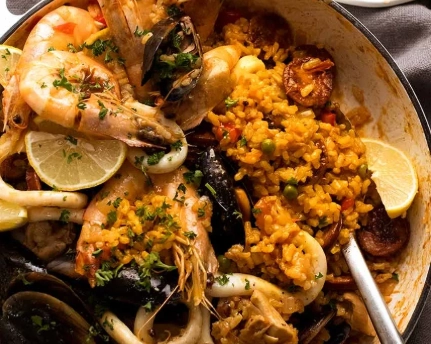
On Seafood Paella: If you're making a seafood version, add shellfish (mussels, clams) in the last 8-10 minutes of cooking. Add shrimp or squid even later, in the last 5 minutes. They overcook in an instant. And use a light fish broth, not chicken broth.
A Controversial Take: I think adding chorizo to paella is a mistake many non-Spaniards make. It overpowers the delicate saffron and paprika. Spaniards might add a bit of morcilla (blood sausage) in some regions, but the spicy, paprika-heavy chorizo we know is not traditional. It makes the whole dish taste like chorizo, not paella. Try it without first.
Final Thought: Don't get paralyzed by authenticity. The goal is a delicious dish that brings people together. Start with the Valenciana. Master the rice and socarrat. Then, experiment. Once you have the technique down, you can create your own family version. That, in a way, is the most authentic thing of all—making it your own. Now, go find that bomba rice and heat up your pan.