I still remember the first time I tried to make plov. It was a disaster—the rice was gluey, the meat dry, and my kitchen smelled like burnt onions for days. That failure sent me down a rabbit hole of learning from Uzbek grandmothers and chefs. Plov isn’t just food; it’s a ritual, a one-pot wonder that brings people together. If you’ve ever tasted it in a Central Asian restaurant and wondered how to recreate that magic, you’re in the right place. This guide cuts through the fluff and gives you the real deal, with tips most recipes gloss over.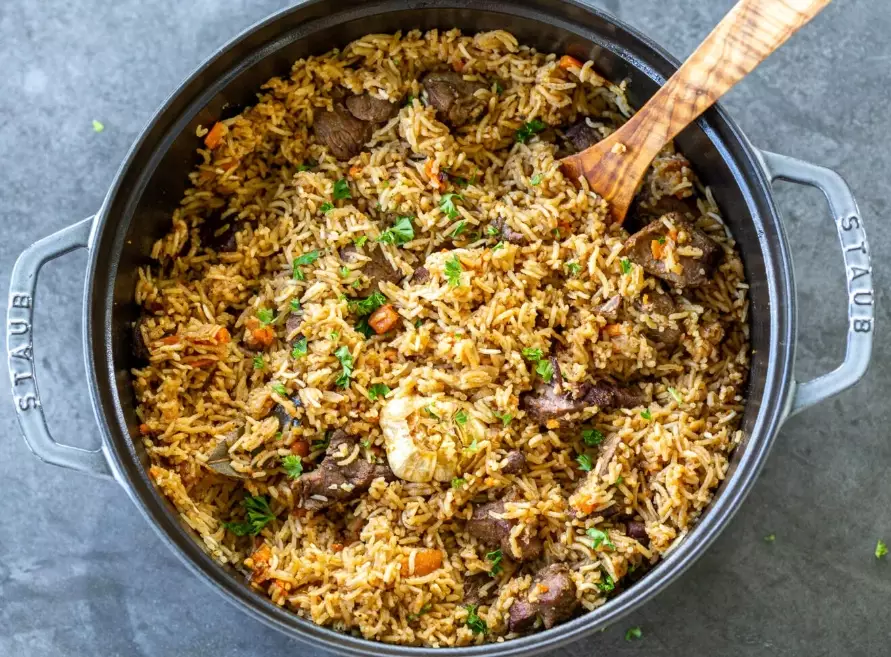
What You’ll Learn in This Guide
What Exactly Is Plov (And Why It’s Not Just Rice)
Plov, also called osh or pilaf, is a Central Asian staple, especially in Uzbekistan. Think of it as a layered rice dish where each component—meat, vegetables, rice—cooks together but retains its identity. The rice should be fluffy and separate, not sticky. The base is often lamb or beef, caramelized carrots, onions, and a blend of spices like cumin and coriander. It’s cooked in a kazan, a heavy cauldron, over an open flame, but home kitchens can adapt.
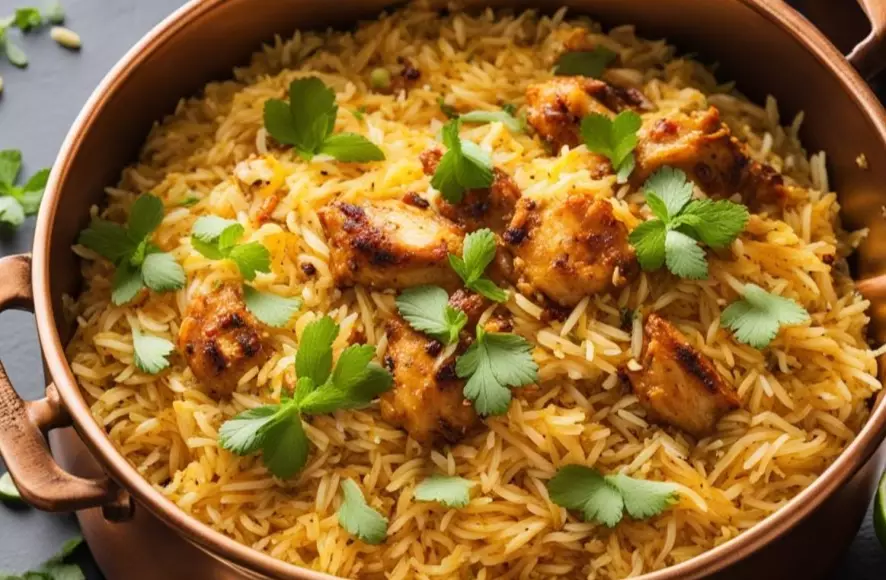
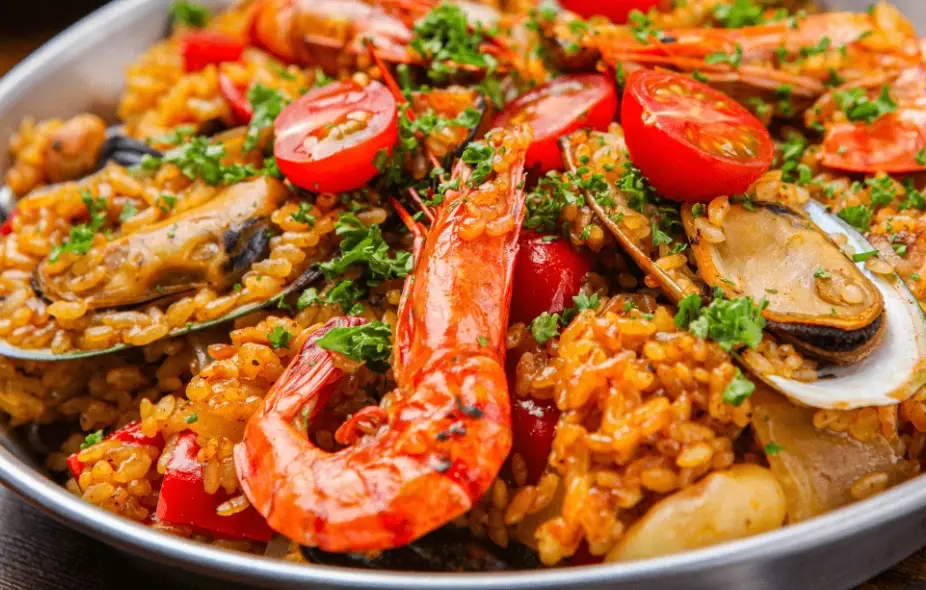
Many people confuse plov with biryani or Spanish paella. While they’re all rice dishes, plov has a distinct technique: the rice steams on top of the meat and veg, absorbing flavors without getting soggy. I learned this the hard way when I kept stirring it like risotto. Bad move.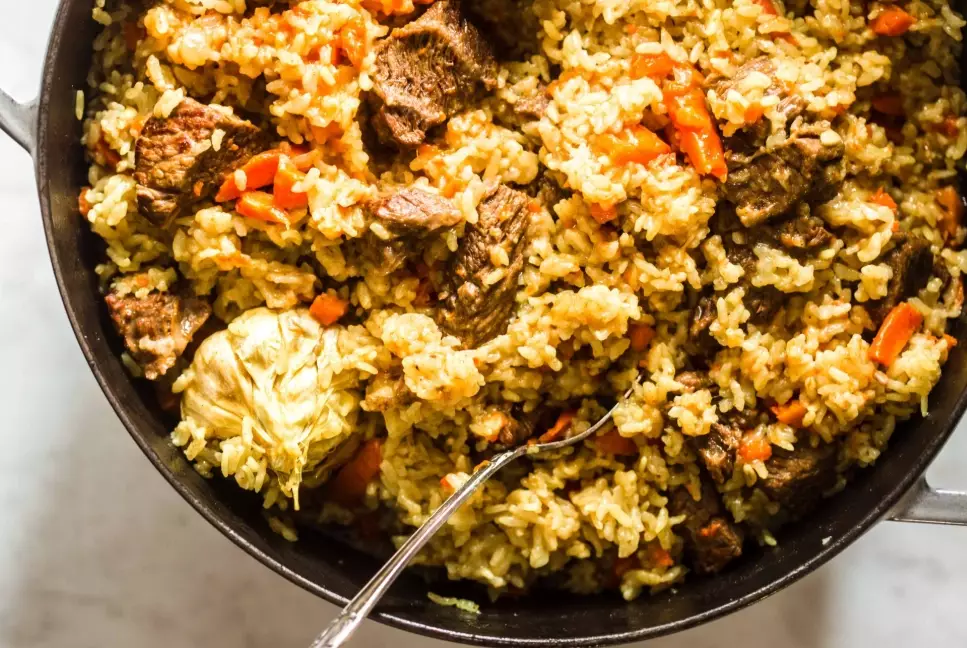
The Non-Negotiable Ingredients for Authentic Flavor
Skip one of these, and your plov might taste off. Here’s a breakdown based on my trials and errors.
Pro tip: Source ingredients from Middle Eastern or Asian markets for better quality and authenticity. Supermarket versions often lack punch.
| Ingredient | Why It Matters | Best Varieties to Use |
|---|---|---|
| Rice | Long-grain rice like Basmati or Jasmine holds shape. Avoid short-grain—it turns mushy. | Basmati (aged if possible) for fragrance and separation. |
| Meat | Fatty cuts add richness. Bone-in pieces enhance broth. | Lamb shoulder, beef chuck, or chicken thighs with skin. |
| Carrots | They sweeten the dish. Julienne cut for even cooking. | Yellow or orange carrots, not baby carrots. |
| Onions | Base for savoriness. Slice thin for caramelization. | Yellow onions—white ones can be too sharp. |
| Oil | Plov is oily by design. It coats the rice and prevents sticking. | Cottonseed oil (traditional) or vegetable oil. |
| Spices | Cumin seeds, coriander, paprika build depth. Whole spices toasted release more flavor. | Buy whole cumin and grind it fresh. |
I once used olive oil because it was “healthier.” The plov tasted bitter. Stick to neutral oils.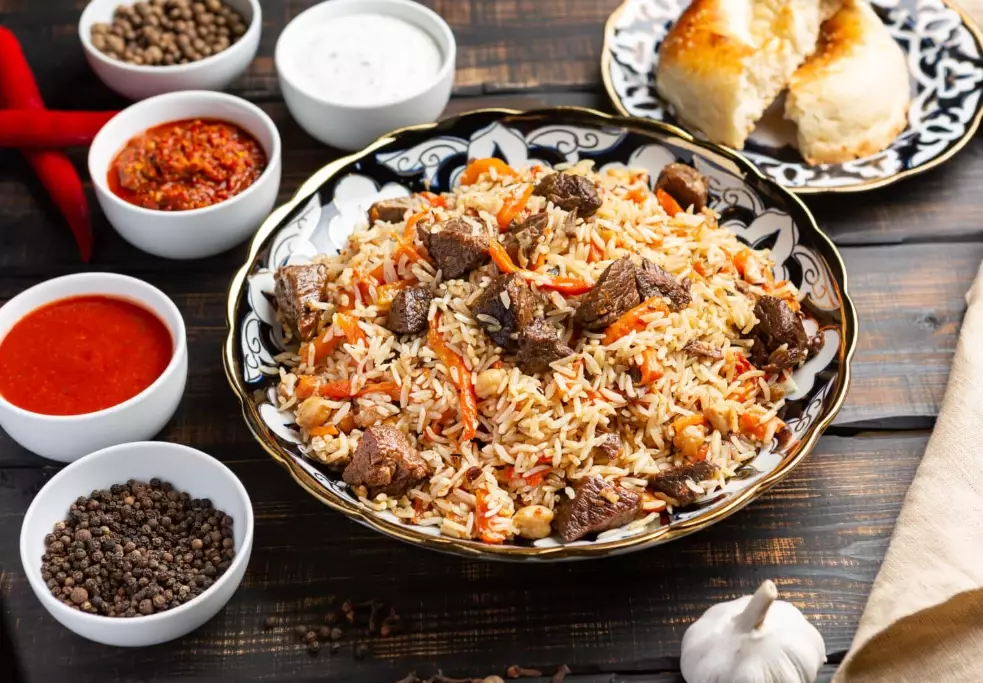
Step-by-Step Plov Recipe: From Searing to Steaming
This recipe serves 6 and takes about 2 hours, mostly hands-off. Don’t rush the steps—plov rewards patience.
Preparing the Meat and Vegetables
Start with 500g of lamb shoulder, cut into chunks. Pat it dry—this is crucial for browning. Heat ½ cup of oil in a heavy pot over medium-high. Add the meat and sear until browned on all sides. Don’t crowd the pot; do it in batches if needed. Remove and set aside.
In the same oil, add 2 large sliced onions. Cook until golden, about 10 minutes. Then, add 3 large carrots, julienned. Cook until they soften and sweeten, another 10 minutes. This layering builds flavor. I’ve seen people dump everything together; the vegetables steam instead of fry, losing complexity.
Layering the Rice
Return the meat to the pot. Add 1 tablespoon of whole cumin seeds, 1 teaspoon of paprika, salt, and pepper. Pour in 4 cups of water or broth—just enough to cover the meat. Bring to a boil, then reduce to a simmer for 30 minutes.
While that simmers, rinse 2 cups of Basmati rice under cold water until it runs clear. This removes starch and prevents gumminess. Spread the rice evenly over the meat and vegetables. Do not stir. Gently pour in 2.5 cups of hot water—the water level should be about 1 cm above the rice. Increase heat to high until it boils, then immediately reduce to low, cover tightly, and let it steam for 20 minutes.
After 20 minutes, turn off the heat. Use a spoon to poke holes in the rice to release steam. Cover again and let it rest for 10 minutes. This resting phase is where the rice finishes cooking perfectly.
Serving and Presentation
To serve, gently fluff the rice from the top, trying not to disturb the bottom layer. The bottom should have a crispy crust called “qazmaq”—a prized part. Scoop onto a platter, meat first, then rice on top. Garnish with fresh cilantro or sliced raw onions.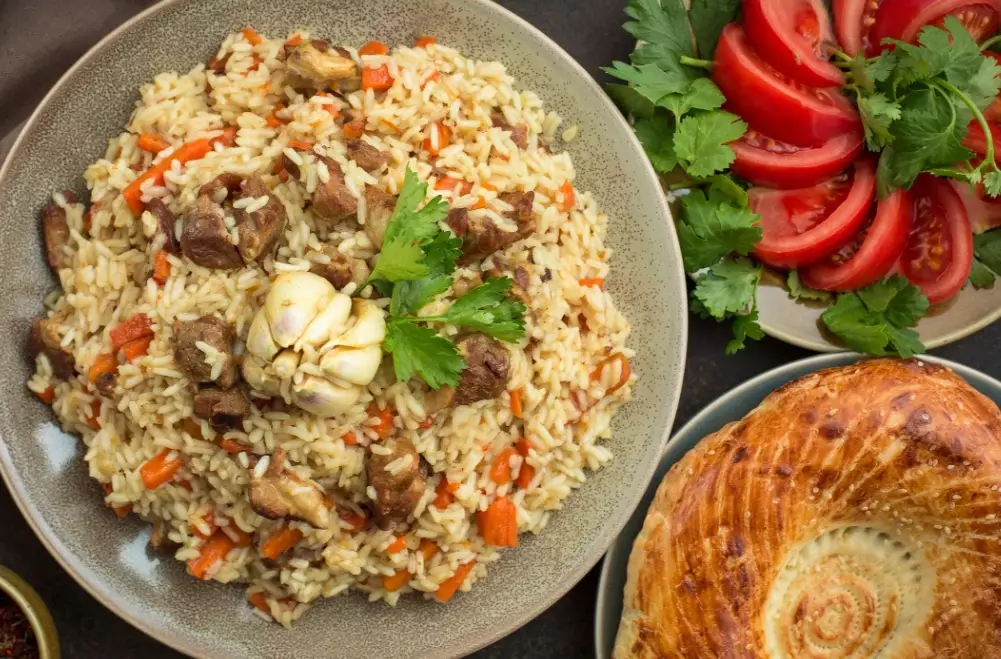
Common Plov Mistakes Even Experienced Cooks Make
After teaching plov workshops, I’ve noticed patterns. Here are the top blunders and how to fix them.
- Over-rinsing the rice? No, under-rinsing is the issue. Starch residue causes clumping. Rinse until the water is clear, even if it takes 5 minutes.
- Using the wrong pot. Thin pots burn the bottom. Invest in a Dutch oven or any heavy-bottomed pot. A friend used a non-stick skillet—the plov steamed instead of crisped.
- Stirring after adding rice. This breaks the layers and makes the rice sticky. Once the rice is in, hands off until serving.
- Skimping on oil. Plov isn’t a low-fat dish. The oil carries flavors and creates that signature texture. I tried reducing oil by half; the rice tasted dry and stuck together.
- Ignoring the resting time. Cutting into it early releases steam too quickly, leaving the rice undercooked. Let it sit covered off heat.
One subtle error: adding spices too late. Toast cumin seeds in oil at the start for maximum aroma. If you add them later, they taste raw.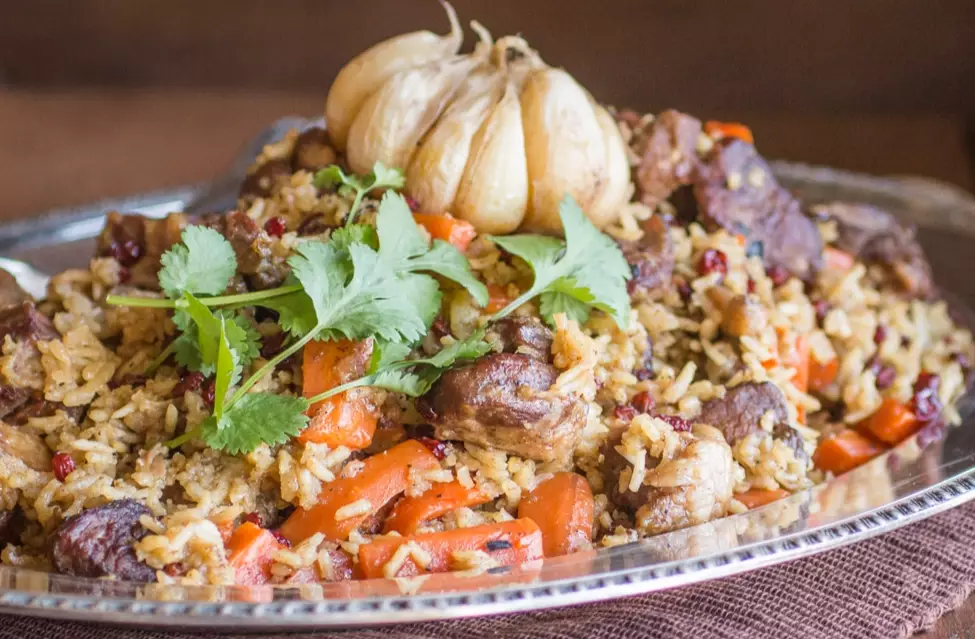
Your Plov Questions, Answered
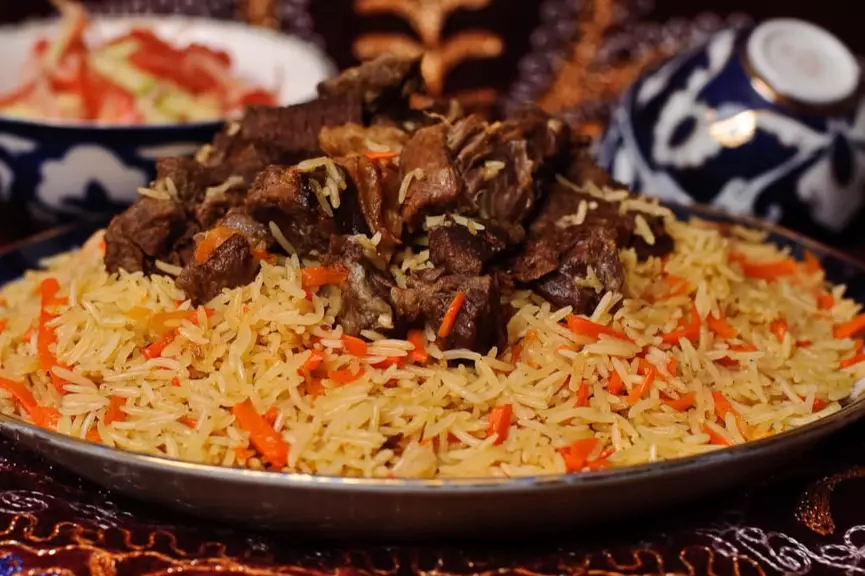 Plov is more than a recipe—it’s a technique you can tweak endlessly. Try adding chickpeas or dried fruits for variation. The beauty lies in its simplicity and depth. Once you master the basics, you’ll find yourself making it for gatherings, impressing everyone with your “secret” knowledge. Trust me, the effort pays off in every fluffy bite.