In This Guide
- Gelato vs. Ice Cream: It's More Than Just a Name
- Your Core, No-Fail Gelato Recipe (Base Crema)
- Gear Talk: What You Really Need (And What You Don't)
- Flavor Variations: From Your Base to Brilliance
- Fixing Common Gelato Disasters
- Your Gelato Recipe FAQ (Stuff You Actually Want to Know)
- Taking It Further: The Professional Touch at Home
Let's be honest. You've probably had gelato that made you close your eyes and just savor the moment. That impossibly smooth, intensely flavorful, and somehow lighter-than-air frozen treat. And then you thought, "I wish I could make this at home." Well, guess what? You absolutely can. It's not some guarded secret of Italian nonnas, though they certainly have the practice down. Making authentic gelato is a process, yes, but it's a deeply rewarding one. This isn't about churning out a quick fix. It's about understanding the craft. This guide is your roadmap. We'll walk through a foundational, foolproof gelato recipe, but more importantly, we'll unpack the why behind each step. Why the milk-to-cream ratio matters. Why that resting time is non-negotiable. Why your freezer is both your friend and your foe. Bythe end, you won't just have a recipe; you'll have the knowledge to tweak, adapt, and create your own signature flavors. So, are you ready to ditch the store-bought pints and embark on a deliciously creamy adventure?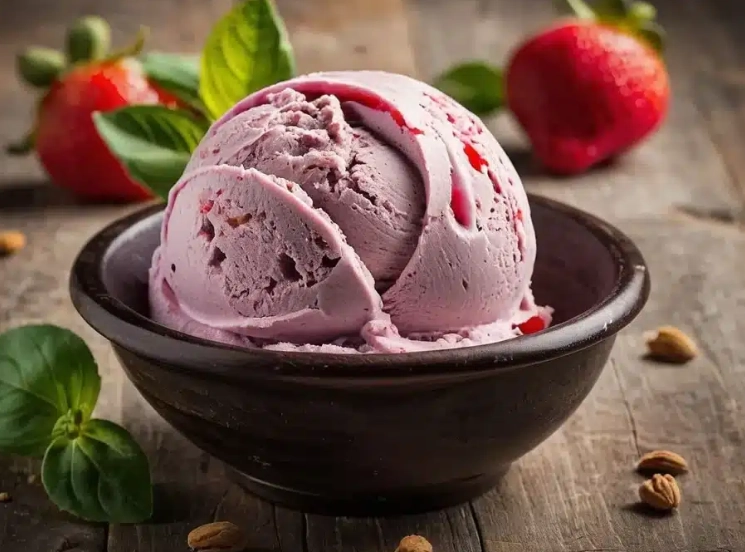
Gelato vs. Ice Cream: It's More Than Just a Name
Before we dive into the gelato recipe itself, let's clear up the biggest confusion. Many people use the terms interchangeably, but they're cousins, not twins. Understanding this difference is key to setting your expectations and nailing the technique.
Think of it this way: ice cream is rich and fluffy, while gelato is dense and silky. The magic happens in three main areas: fat, air, and serving temperature.
| Aspect | Gelato | American-Style Ice Cream |
|---|---|---|
| Fat Content | Lower (typically 4-9%). Relies more on milk than cream. | Higher (at least 10%, often 14-25%). Heavy cream is a star player. |
| Air (Overrun) | Much less air is churned in (20-30%). This creates a denser, heavier product. | A lot of air is incorporated (50% or more). Makes it light and scoopable straight from the freezer. |
| Serving Temperature | Warmer (about 10-15°F / -12 to -9°C). This is why it feels softer and the flavors explode. | Colder (about 0-10°F / -18 to -12°C). The higher fat and air content keep it scoopable at this temp. |
| Texture & Mouthfeel | Dense, smooth, elastic, and intensely flavorful. | Fluffy, creamy, and can sometimes coat the mouth with fat. |
| Flavor Priority | Flavor is king. The lower fat and warmer serving temp allow ingredients like fruit, nuts, or chocolate to shine brightly. | Creaminess is a major feature. Flavors can be muted slightly by the cold and fat. |
So, when you're following a gelato recipe, you're aiming for that dense, flavor-forward experience. It's a different goal than ice cream. The Italian government even has regulations defining "gelato" to protect its traditional methods, which you can read more about through resources like the Slow Food International organization, which champions traditional food cultures worldwide.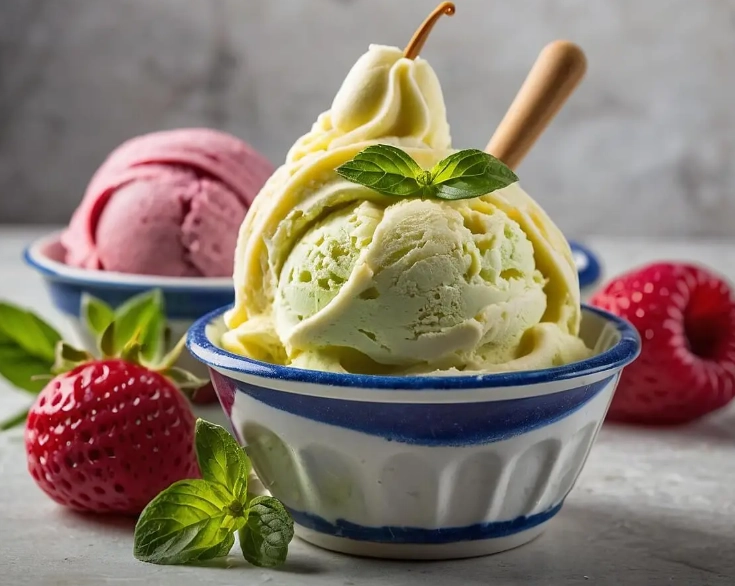
Your Core, No-Fail Gelato Recipe (Base Crema)
This is your blank canvas. Master this base gelato recipe, and you can turn it into pistachio, strawberry, dark chocolate, or even more adventurous flavors. It's a custard-based ("crema") gelato, which means it uses egg yolks for richness and stability. Don't let that scare you.
Ingredients You'll Need:
- Whole Milk: 2 ½ cups (600 ml). This is the backbone. Don't use skim.
- Heavy Cream: 1 cup (240 ml). For that essential, but not overwhelming, fat.
- Granulated Sugar: ¾ cup (150g). Fine sugar dissolves best.
- Egg Yolks: 5 large. They thicken the base and add a luxurious body.
- Salt: A tiny pinch. Just to balance the sweetness and enhance flavor.
- Vanilla Extract or 1 Vanilla Bean: For the classic "crema" flavor. Split the bean and scrape the seeds into the milk.
The Step-by-Step Process (Don't Rush!)
Step 1: Steep the Dairy. In a medium saucepan, combine the milk, cream, and half of the sugar. If using a vanilla bean, add the pod and seeds now. Warm the mixture over medium heat until it's just steaming and you see small bubbles form around the edges. Do not let it boil. Turn off the heat, cover, and let it steep for 30 minutes. This infuses the flavor deeply. This waiting period? It's a perfect time to get your other tools ready.
Step 2: Whip the Yolks. In a separate bowl, whisk the egg yolks with the remaining sugar and salt. Whisk vigorously until the mixture becomes pale yellow, thick, and forms a "ribbon" when you lift the whisk. This step incorporates air and helps prevent the yolks from scrambling later.
Step 3: Temper, Don't Scramble. This is the crucial moment. Slowly, and I mean slowly, pour about a cup of the warm (not hot) milk mixture into the egg yolk mixture while whisking constantly. This gently raises the temperature of the eggs. Now, pour the tempered egg mixture back into the saucepan with the remaining milk.
Step 4: Cook to "Nappe." Return the saucepan to low heat. Cook, stirring constantly and patiently with a wooden spoon or spatula, until the mixture thickens enough to coat the back of the spoon. Draw a line with your finger across the coated spoon. If the line holds clean and doesn't run, you've reached the "nappe" stage. This is usually around 170-175°F (77-80°C). It should feel like a thin custard. Do not let it boil.
Step 5: Strain and Chill. (The Most Important Step You Might Skip) Immediately pour the cooked custard through a fine-mesh strainer into a clean bowl. This catches any tiny cooked egg bits and ensures your gelato base is flawlessly smooth. Stir in the vanilla extract if you didn't use a bean. Now, cover the surface directly with plastic wrap to prevent a skin from forming. Let it cool on the counter for a bit, then refrigerate for at least 4 hours, preferably overnight. This aging process allows the flavors to meld, the mixture to fully hydrate, and for it to get very cold, which leads to better churning.
You might ask, can I skip the long chill? Technically, yes. But your churn time will be longer, the texture won't be as good, and the flavor will be flat. Trust me, plan ahead.
Churning and the Final Freeze
Pour your thoroughly chilled base into your ice cream maker and churn according to the manufacturer's instructions. For a gelato recipe, this usually takes 20-30 minutes. You're looking for a soft-serve consistency.
Now, transfer it to an airtight container. Press a piece of parchment paper directly onto the surface, then seal the lid. This minimizes ice crystals. Freeze for at least 4-6 hours to firm up.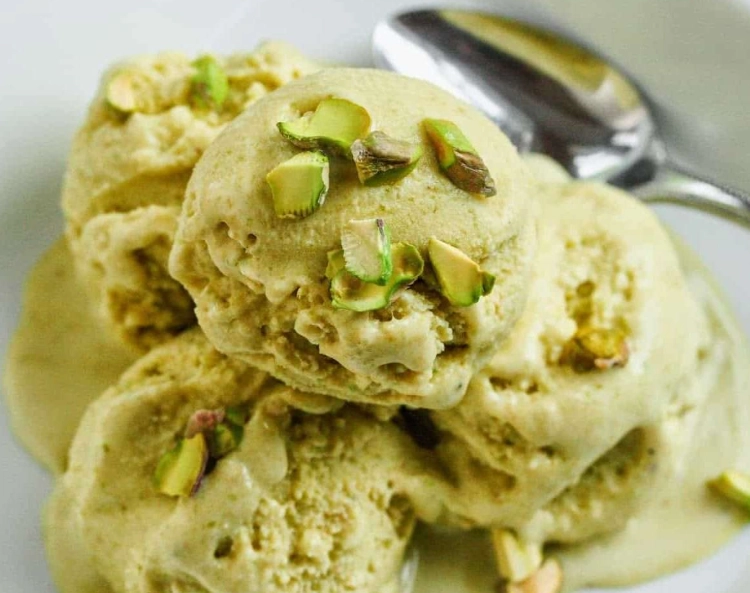
Gear Talk: What You Really Need (And What You Don't)
Let's talk tools without the sales pitch. You don't need a professional batch freezer, but a few key items will make your life easier.
The Non-Negotiables:
- A Good Saucepan: Heavy-bottomed is best for even heat.
- Fine-Mesh Strainer: For that silky finish.
- Whisk and Spatula: Basic, but essential.
- Airtight Freezer Container: Shallow, wide containers freeze more evenly than deep ones.
The Big Question: The Ice Cream Maker.
For a true gelato texture, some form of churning is needed. The good news is there are options.
- Compressor Models: The most convenient (no pre-freezing of bowls). Brands like Cuisinart offer reliable ones. They give you the most control.
- Freezer-Bowl Models: The most common and affordable. You have to freeze the bowl solid for 24+ hours. The key is to ensure your base is very cold before churning, or you'll melt the bowl before the gelato sets. I started with one of these.
- The "No-Churn" Compromise: There are gelato recipe variations that use whipped cream folded into a condensed milk base. It's easy and requires no machine. But let's be real—the texture is different. It's airier and sweeter, closer to a frozen mousse. It's a decent dessert, but it won't give you that authentic, dense gelato pull.
For serious home enthusiasts, researching machines with a slower churn speed (closer to professional "gelato" batch speeds) can be a next step. Resources like America's Test Kitchen often have rigorous equipment reviews that can help guide such a purchase.
Flavor Variations: From Your Base to Brilliance
Once you have the base gelato recipe down, the world is yours. Here’s how to adapt it.
Chocolate Gelato: Whisk ¾ cup of high-quality unsweetened cocoa powder (like Dutch-processed) into the sugar before adding it to the yolks. Proceed with the recipe. The cocoa absorbs liquid, so you might get a thicker base—that's fine.
Pistachio Gelato: This is a classic. Use 1 cup of unsalted, shelled pistachios. Toast them lightly, let them cool, then grind them into a fine paste in a food processor with a tablespoon of the sugar from the recipe. Add this paste to the milk during the initial steeping step. Strain well, pressing to extract all the flavorful paste. The color will be a subtle, natural green.
Strawberry (or any Berry) Gelato: For fruit gelatos, I prefer a "swirl" method for brighter flavor. Make your plain base. While it churns, macerate 2 cups of chopped berries with 2-3 tbsp of sugar until juicy. You can puree and strain it or leave it chunky. In the last minute of churning, swirl in the berry mixture. If you cook the fruit into the base, you lose that fresh, vibrant punch.
Fixing Common Gelato Disasters
Your Gelato Recipe FAQ (Stuff You Actually Want to Know)
Taking It Further: The Professional Touch at Home
Once you're comfortable, you can play with advanced techniques. Stabilizers like a tiny bit of guar gum or locust bean gum (used in commercial gelato) can improve smoothness and shelf life by binding water. You can find food-grade versions online. Dextrose powder, another professional ingredient, sweetens while lowering the freezing point more than table sugar, making for a softer scoop straight from the freezer.
The journey to mastering a gelato recipe is full of delicious experiments. Some will be instant favorites, others... learning experiences. The key is to start with a solid foundation, respect the process (especially the chill time!), and don't be afraid to tweak things to your taste. Is it easier to buy a pint? Sure. But the satisfaction of handing someone a scoop of your own, deeply flavorful, silky-smooth creation? That's unbeatable. Now go warm up that milk and get started. Your first batch of authentic homemade gelato is waiting.