I remember the first time I bought miso. It was a small, refrigerated tub of white paste. The label was in Japanese. I made soup, sure. It was fine. But then that tub sat there, taking up space, for months. I felt guilty every time I opened the fridge. Sound familiar?
That's because most of us think of miso in one dimension: soup. But that's like thinking of olive oil only for salad dressing. Miso is a secret weapon. It's fermented, packed with umami, and can make a boring piece of chicken or a bowl of roasted vegetables taste like you spent hours in the kitchen. The best part? These miso recipes are genuinely easy. No fancy techniques, just big flavor.
Let's get past the soup. Let's talk about how to actually use this stuff.
What's Inside This Miso Guide?
Your No-Nonsense Guide to Miso Paste
First, what is miso? It's a paste made from fermented soybeans, salt, and a mold called koji. Sometimes rice or barley is added. This fermentation is what creates its deep, savory, funky flavor—that's umami.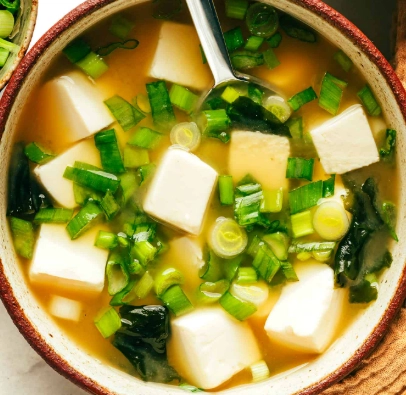
Walking into an Asian market or the international aisle can be overwhelming. You'll see white, yellow, red, brown paste. Here’s the simple breakdown:
- Shiro Miso (White Miso): Fermented for a shorter time. It's sweeter, milder, and saltier. Perfect for dressings, light soups, and glazes for fish or chicken. This is your best "beginner" miso.
- Aka Miso (Red Miso): Fermented longer, sometimes for years. It's darker, saltier, and has a much stronger, almost pungent flavor. Use it in hearty stews, rich braises, or robust marinades for red meat.
- Awase Miso (Blended Miso): This is the goldilocks option. A blend of white and red. It's balanced—savory but not overpowering, versatile enough for almost anything. If you only buy one tub, make it a good awase miso.
There are others—barley miso (mugi), soybean-only miso (hatcho)—but start with the big three.
Where to buy it: Look in the refrigerated section of any well-stocked supermarket, health food store, or Asian grocery. Brands like Hikari, Cold Mountain, and Miko are widely available and reliable. Don't buy the powdered "instant" soup packets for cooking. You want the real, refrigerated paste.
Storage is key: Keep it in an airtight container in the fridge. It lasts for ages—think a year or more. The high salt content preserves it. If you see a dark liquid on top, that's just tamari (soy sauce). Mix it back in.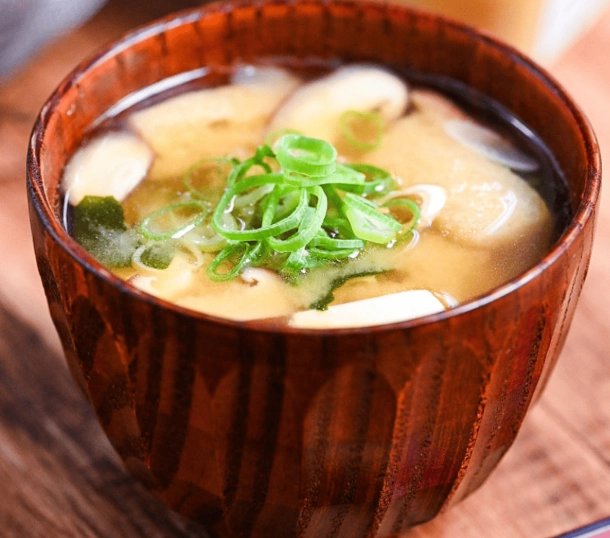
4 Easy Miso Recipes for Busy Weeknights
These aren't just recipes; they're templates. Once you get the ratios, you can riff endlessly.
1. The 15-Minute Weeknight Miso Soup (Beyond Tofu)
Forget the bland restaurant version. A great miso soup at home is fast. The secret? Don't boil the miso. It kills the delicate probiotics and muddies the flavor.
Here’s my go-to method: In a pot, bring 4 cups of water or dashi (a Japanese stock—you can use instant dashi granules) to a simmer. Add a handful of thinly sliced mushrooms and a chopped green onion (white parts). Simmer for 5 minutes until the mushrooms are soft. Turn off the heat. In a small bowl, whisk 3-4 tablespoons of white or awase miso paste with a ladleful of the hot broth until smooth. Stir this mixture back into the pot. That's it. Add cubes of silken tofu and the green onion tops right before serving.
Variation? Swap mushrooms for wakame seaweed, or add clams for a luxurious touch.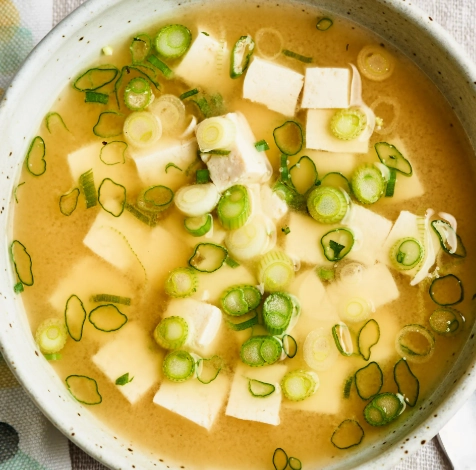
2. Miso-Glazed Salmon (The Foolproof One)
This is the recipe that will make you a miso believer. The miso caramelizes into a sticky, sweet-salty crust. Preheat your oven to 400°F (200°C). Line a baking sheet with parchment. In a bowl, mix 3 tbsp white miso, 1 tbsp mirin (or honey), 1 tbsp rice vinegar, and 1 tsp sesame oil. Pat two salmon fillets dry. Slather the miso mix all over them. Let them sit for 10 minutes if you have time, or just pop them in the oven. Bake for 12-15 minutes, depending on thickness, until the top is bubbly and browned. Broil for the last minute if you want extra crispness.
It works just as well with chicken thighs or firm tofu slabs.
3. The "Everything" Miso Salad Dressing
Bottled dressing is dead to me after this. In a jar, combine: 2 tbsp white miso, 2 tbsp rice vinegar, 1 tbsp lemon juice, 1 tbsp honey or maple syrup, 1 tbsp minced ginger, and 1/4 cup neutral oil (like grapeseed). Shake violently. It's creamy without dairy, savory, tangy, and sweet. It lasts a week in the fridge and makes any bowl of greens exciting. Try it on a kale and roasted sweet potato salad. You're welcome.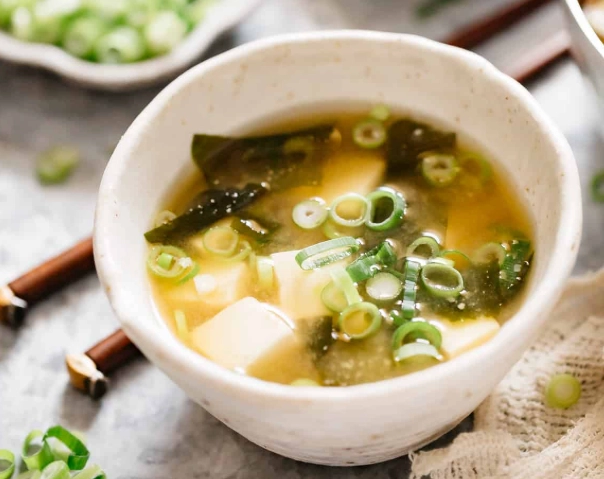
4. Miso-Butter Stir-Fried Greens
The fastest side dish you'll ever make. Heat a wok or large skillet over high heat. Add a tablespoon of oil. Throw in a bunch of chopped kale, broccoli florets, or green beans. Stir-fry for 2-3 minutes until bright green and slightly tender. Push the veggies to the side. In the empty spot, add 1 tbsp butter and 1 heaping tsp of red or awase miso. Let the butter melt and sizzle with the miso for 15 seconds, then quickly toss everything together until the veggies are coated. The miso-butter creates an instant, incredible sauce. Finish with sesame seeds.
Pro Tips & Common Miso Mistakes
After years of using it (and messing it up), here’s what I’ve learned.
The Big Rule: No Boiling. I said it before, but it's worth repeating. Add miso at the end of cooking, off direct heat. You want its flavor and health benefits intact.
Balance is Everything. Miso is salty and savory. To make it sing, you almost always need to pair it with something sweet (mirin, honey, sugar) and something acidic (vinegar, citrus, sake). That's the magic trio.
It's a Flavor Base, Not a Main Ingredient. You're not supposed to eat a spoonful of miso paste. It's a condiment. A little goes a long way to deepen the flavor of stews, pasta sauces (yes, really), or even blended into a cheese sauce for mac and cheese.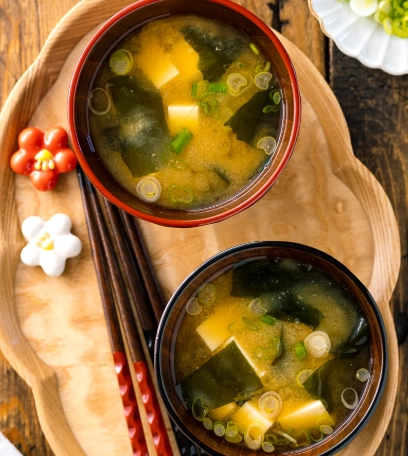
The Common Mistake: People use dark red miso for everything and then complain the dish is too salty and bitter. Match the miso to the job. Light for delicate things, dark for robust things.
Your Miso Questions, Answered
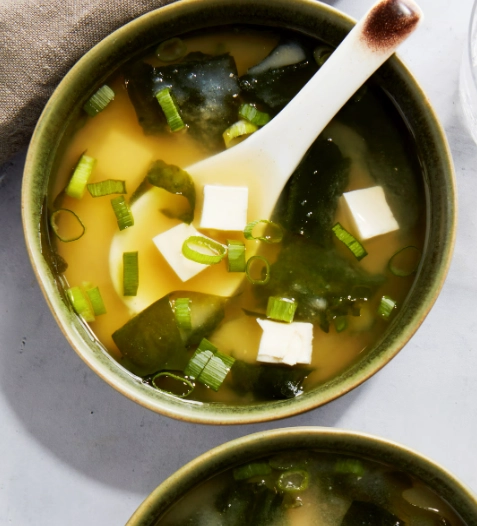
The goal isn't to become a miso expert overnight. It's to take that tub out of the fridge and use a spoonful without overthinking it. Start with the salad dressing or the glazed salmon. Once you taste how a dollop of this fermented paste can transform simple ingredients, you'll never look back. That guilty feeling when you open the fridge? It'll be gone, replaced by the quiet confidence of someone who has a flavor secret.