Let's talk about cochinita pibil. You've probably seen pictures: impossibly tender, bright orange pork, shredded and tucked into soft corn tortillas. It looks incredible. Maybe you've tried it at a restaurant and wondered, "Could I ever make this at home?" The answer is a resounding yes, but there are a few secrets you need to know first. This isn't just another pulled pork recipe. It's a ritual from the Yucatán Peninsula, built around a hypnotic red marinade and a cooking method that feels almost primal. I've messed this up before—dry meat, bland flavor—so I'll show you exactly how to avoid those pitfalls.
What's Inside This Guide
What is Cochinita Pibil? More Than Just a Recipe
Cochinita pibil is slow-roasted pork, traditionally from the Yucatán region of Mexico. "Cochinita" means little pig, and "pibil" refers to the pib, an underground earth oven used for cooking. The magic happens when pork, marinated in a vibrant paste of achiote seeds and sour orange juice, is wrapped in banana leaves and cooked for hours in that pit. The result is meat so tender it shreds with a glance, infused with earthy, citrusy, and subtly spicy flavors.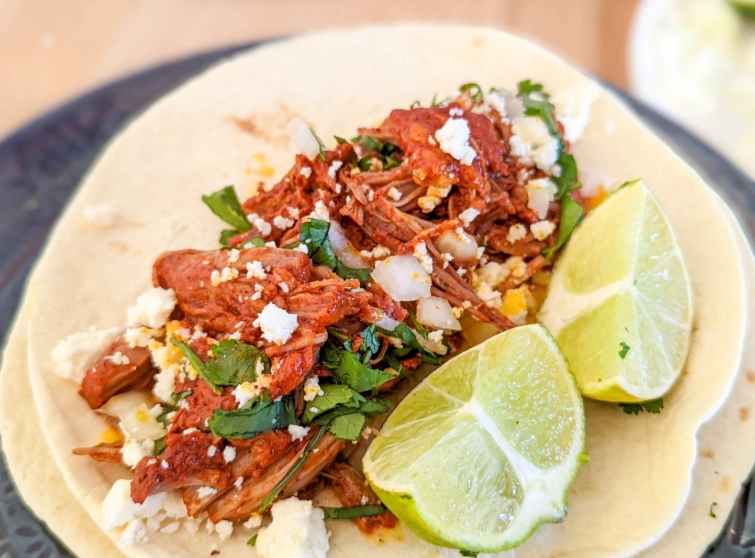
It's a dish steeped in Maya tradition, a centerpiece for celebrations. The good news? You don't need to dig a hole in your backyard. The principles—the marinade, the slow cooking, the wrapping—translate beautifully to a home kitchen.
The Heart of the Matter: Achiote Paste & The Marinade
This is where most recipes gloss over the details. The marinade is everything. Its base is achiote paste (recado rojo). Achiote seeds give the dish its signature rusty-red color and a faintly peppery, earthy flavor. You can find prepared paste in Latin markets or online, but making your own is simpler than you think and tastes fresher.
Pro Tip: Store-bought achiote paste varies wildly in salt and spice content. I prefer brands like "El Yucateco" for consistency. If you make your own, toast the achiote seeds gently first—it unlocks a nuttier aroma. Don't burn them, or they'll turn bitter.
The other non-negotiable is sour orange juice (naranja agria). Its unique bitter-tart flavor is the perfect counterpoint to the rich pork. No sour oranges? Don't panic. A 50/50 mix of fresh orange juice and fresh lime juice is the best substitute. Bottled "bitter orange" marinades often taste artificial. Stick with fresh.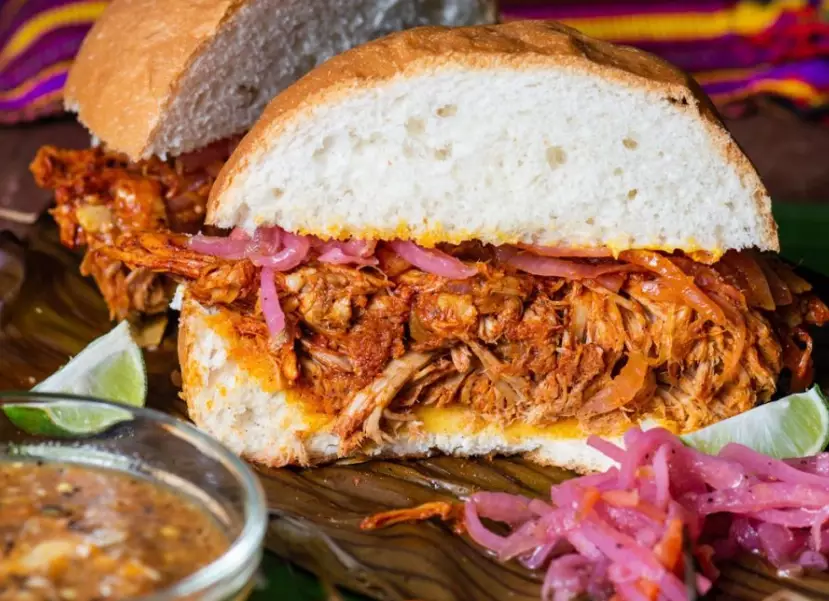
Gathering Your Ingredients
Here’s what you’ll need. Don't be intimidated by the list; most of it is for the marinade paste.
| Ingredient | Purpose & Notes |
|---|---|
| 4-5 lbs Pork Shoulder (Boston Butt) | Fatty, tough cut perfect for slow cooking. Don't use lean pork loin. |
| Achiote Seeds or Prepared Paste | For color and earthy flavor. 3 tbsp seeds or 4-5 oz paste. |
| Sour Orange Juice (or substitute) | 1 cup. The acid tenderizes and flavors the meat. |
| Garlic, Cumin, Oregano, Black Pepper | Spice backbone. Use Mexican oregano if possible. |
| Banana Leaves | Frozen ones from Asian/Latin markets. They impart a grassy aroma. |
| White Onion, Habanero Pepper | For the classic pickled red onion garnish (escabeche). |
How to Make Cochinita Pibil: A Step-by-Step Guide
1. Make the Achiote Marinade
If using seeds, grind 3 tablespoons with 1 tsp each cumin, oregano, and black pepper, 6 garlic cloves, and 2 tsp salt in a spice grinder or blender. Add about 1/2 cup of the sour orange juice to make a thick paste. If using store-bought paste, blend it with all the garlic, spices, and the citrus juice until smooth.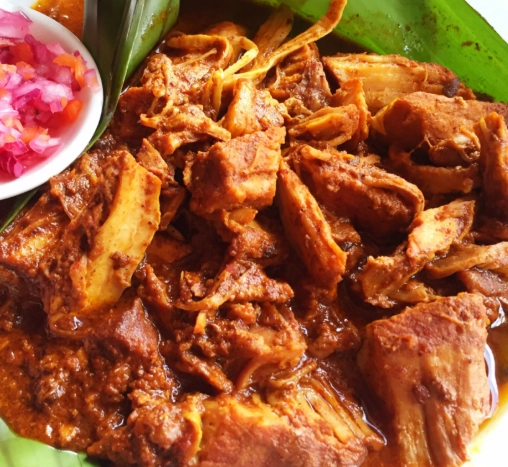
See that orange oil separating? That's the annatto from the achiote. It's normal. Stir it up.
2. Marinate the Pork
Cut your pork shoulder into 3-inch chunks. Don't trim too much fat. In a large non-reactive bowl (glass, ceramic), coat every piece thoroughly with the marinade. Get your hands in there. Cover and refrigerate overnight, or at least 4 hours. Rushing this step is the number one reason for bland cochinita pibil.
The Big Mistake I Made: I once marinated for only 2 hours. The color was on the surface, but the flavor hadn't penetrated. The meat tasted seasoned, not transformed. Overnight is non-negotiable for that deep, through-and-through flavor.
3. Prepare for Cooking: The Wrap
Thaw banana leaves if frozen. Run them over a gas flame or a hot skillet for a few seconds until pliable and fragrant. This releases their aroma. Line a Dutch oven, roasting pan, or slow cooker insert with overlapping leaves, letting excess hang over the sides.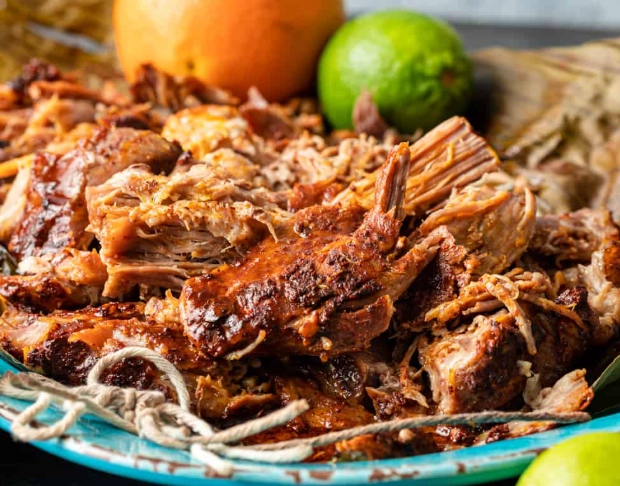
Place all the marinated pork and every last bit of marinade into the leaf-lined vessel. Fold the overhanging leaves over the pork to create a packet. Then, seal the whole thing tightly with aluminum foil. This trapped steam is what braises the meat to tenderness.
4. The Slow Cook: Oven, Slow Cooker, or... Oven
Here are your options, ranked by authenticity of result:
- Traditional Pib (Not happening for most of us): Underground pit with hot stones. Imparts a unique smoky flavor.
- Low Oven (My recommended method): 275°F (135°C) for 5 to 6 hours. It gives you the best texture—tender but not mushy.
- Slow Cooker (The easy win): Low for 8 hours. Foolproof and hands-off, but the texture can be a bit softer.
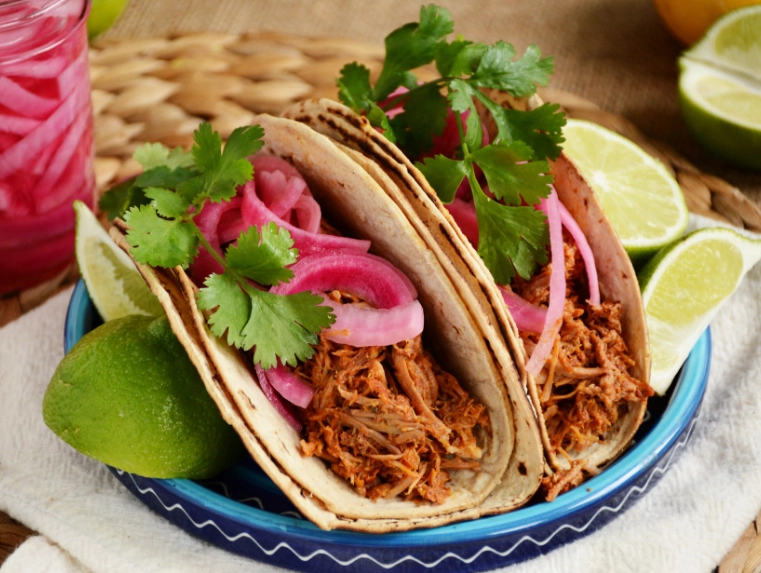
It's done when you can shred the pork easily with two forks. Don't peek before 4 hours in the oven or 6 in the slow cooker!
Serving It Right: The Traditional Way and Beyond
Shred the pork directly in its cooking juices. Now, serve it like they do in the Yucatán:
- Corn Tortillas: Warm them up.
- Cebolla Encurtida (Pickled Red Onions): Thinly slice a red or white onion. Pour over boiling water, drain, then mix with the juice of 1-2 limes, a pinch of salt, and a minced habanero (seeds removed for less heat). Let it sit for 30 minutes. The pink, crunchy, spicy onions are essential.
- Habanero Salsa: A simple salsa of roasted habaneros, garlic, and sour orange juice.
Assemble tacos with the pork, onions, and a dab of salsa. It's also incredible on tortas (sandwiches) or simply over rice with black beans.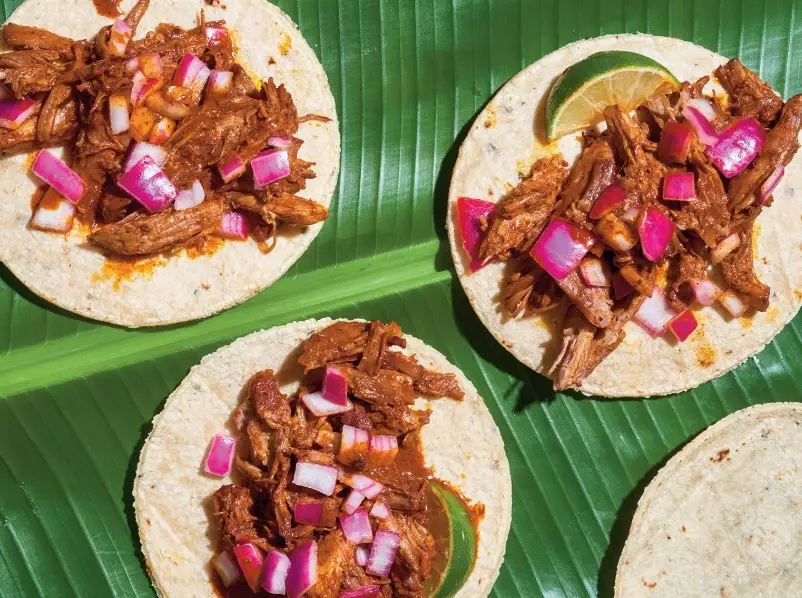
Your Cochinita Pibil Questions Answered
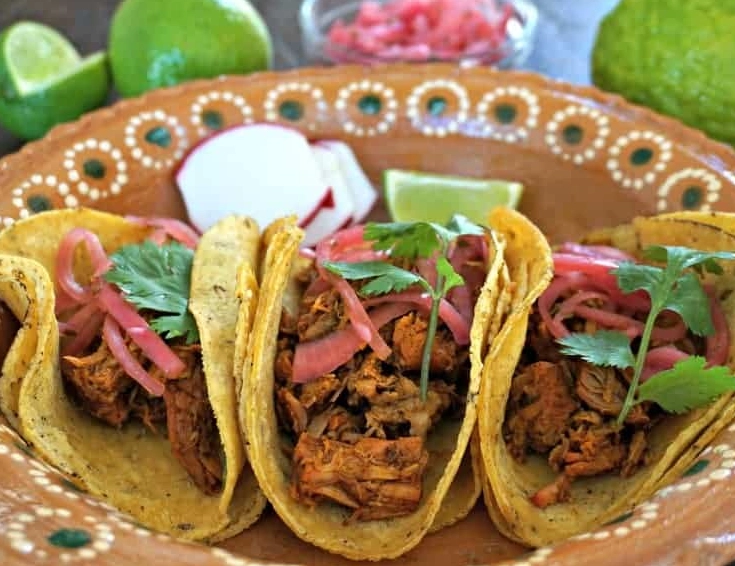
So there you have it. Cochinita pibil is a project, but not a difficult one. It's about patience and respecting a few key steps: the right cut of meat, a bold marinade given time to work, and gentle, slow heat. The payoff is a taste of the Yucatán that will have everyone asking for your secret. Give it a try this weekend. You won't regret it.