In This Guide
- What Exactly Is Bone Marrow, and Why Should You Bother?
- The First Step: Choosing the Right Bones
- Prepping Your Bones: The Often-Forgotten Ritual
- The Core Technique: How to Cook Bone Marrow Perfectly
- What to Serve With Roasted Bone Marrow: It's All About the Accompaniments
- Let's Get Creative: Other Bone Marrow Recipes to Try
- Answering Your Questions: The Bone Marrow FAQ
- A Few Parting Thoughts and Troubleshooting
Let's talk about bone marrow. That rich, unctuous, deeply flavorful stuff hiding inside bones. For years, it was something only chefs or your adventurous grandma messed with. Now? It's having a serious moment on home cooking shows and food blogs. And for good reason. A great bone marrow recipe turns a cheap, often overlooked ingredient into pure, decadent luxury. It's the culinary equivalent of finding a twenty-dollar bill in an old coat pocket.
But here's the thing that stopped me for the longest time: it seemed intimidating. How do you even start? What bones do you buy? How long do you roast it? Is it safe? I remember the first time I tried to cook it, I basically just threw some bones in the oven and hoped for the best. The result was... underwhelming. The marrow was still hard, the presentation was a mess, and I felt like I'd wasted my money.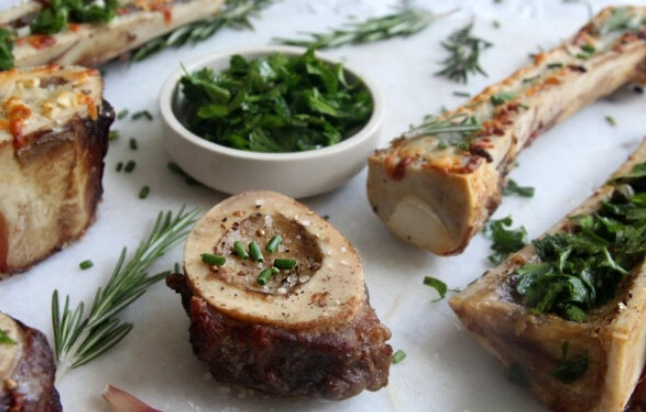
I'm writing this guide because I learned from those mistakes. This isn't just another list of instructions. It's the full picture—everything I wish I'd known before my first attempt. We'll cover how to pick the perfect bones, the absolute best way to roast them (trust me, there's a trick), what to serve them with, and even how to use the leftovers. Think of this as your friendly, no-BS roadmap to mastering roasted bone marrow.
What Exactly Is Bone Marrow, and Why Should You Bother?
Before we get our hands dirty, let's clear the air. Bone marrow is the soft, fatty tissue inside the center of bones, particularly the long ones like femurs. In animals, it's where blood cells are made. In the kitchen, it's a reservoir of incredible flavor and texture. When cooked, it transforms into a warm, spreadable, intensely savory paste.
Why go through the trouble? First, flavor. It's hard to describe unless you've had it. It's beefy, buttery, nutty, and deeply satisfying. Second, it's surprisingly affordable. A pound of marrow bones costs a fraction of a good steak. Third, it feels special. Serving roasted marrow bones on a platter has a dramatic, primal appeal that impresses guests every single time. Finally, it's a step towards nose-to-tail eating, which is both economical and reduces food waste. The USDA even has resources on safe handling of meat products, which includes these less common cuts.
You're not just following a bone marrow recipe; you're unlocking a whole new ingredient.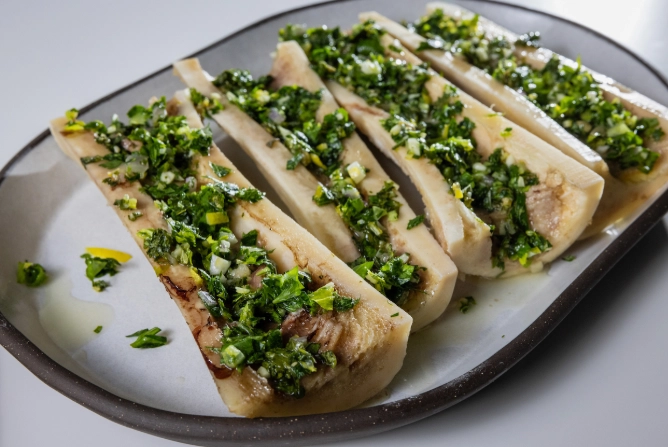
The First Step: Choosing the Right Bones
This is where most beginners stumble, myself included. Not all marrow bones are created equal. Walk into a butcher shop and just asking for "marrow bones" might get you something unsuitable for roasting.
Here’s what you need to look for:
- Type of Bone: You want center-cut long bones, usually from the leg (femur) or shin. The cross-sections, cut into 2-3 inch cylinders, are ideal. They stand upright easily and give you a nice cavity of marrow to access. Avoid bones that are mostly filled with spongy, web-like bone—you want the smooth, solid-looking marrow core.
- Animal: Beef marrow is the classic, with a robust flavor. Veal marrow is milder and more delicate. Lamb marrow is also fantastic and often comes in smaller bones. For your first time, I'd recommend beef—it's easiest to find and most forgiving.
- Source: This matters. Try to get bones from grass-fed, ethically raised animals. The flavor is cleaner and richer. A good relationship with a local butcher is worth its weight in gold here. They can cut them to order for you.
- Appearance: The marrow itself should look pinkish-white and firm, not gray or slimy. The bone should be cleanly cut.
How many to buy? A good rule of thumb is one or two 3-inch pieces per person as an appetizer. It's rich, so a little goes a long way.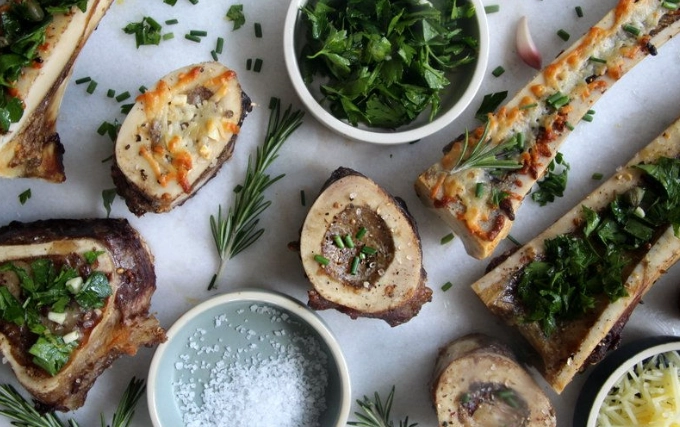
Beef vs. Lamb Marrow: A Quick Comparison
| Feature | Beef Marrow Bones | Lamb Marrow Bones |
|---|---|---|
| Flavor Profile | Rich, deeply beefy, robust, buttery. | Milder, slightly sweeter, more delicate. |
| Bone Size | Larger (2-3" diameter). More marrow per bone. | Smaller, more delicate. Often served as "lollipops". |
| Cooking Time | Longer (20-25 mins). More forgiving. | Shorter (15-18 mins). Can overcook easily. |
| Best For | Classic presentation, first-timers, hearty appetizers. | Elegant plating, lighter meals, faster cooking. |
| Ease of Finding | Very easy at most butchers or supermarkets. | May require a specialty butcher. |
Prepping Your Bones: The Often-Forgotten Ritual
You've got your bones. Don't just toss them in the oven. Proper prep is the secret weapon for a standout bone marrow recipe.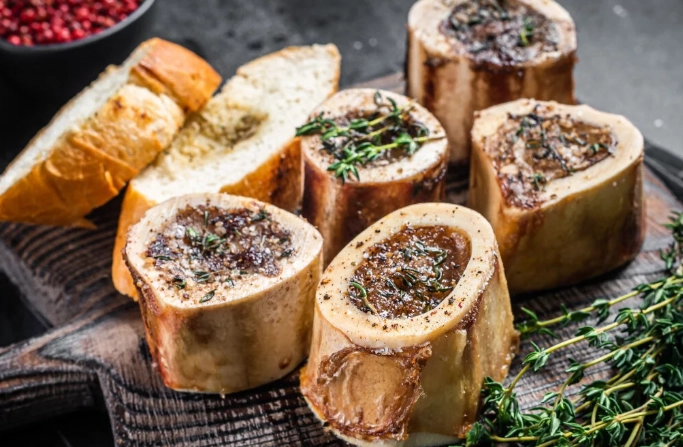
Prep Essentials:
- Your marrow bones
- Coarse sea salt or kosher salt
- Cold water
- A sharp knife or spoon
- A bowl
- Paper towels
- Soak (The Game-Changer): This is non-negotiable. Place the bones in a large bowl of heavily salted cold water. Use about 1 tablespoon of salt per quart of water. Why? The saltwater brine helps draw out any residual blood from the marrow, which can give it a slightly metallic taste. It also firms up the marrow, so it's less likely to completely melt out during roasting. Soak for 12-24 hours in the fridge, changing the water once if you can. Yes, it takes planning, but the difference in purity of flavor is massive.
- Dry & Season: After soaking, pat the bones extremely dry with paper towels. Moisture is the enemy of good browning. Place them upright on a roasting rack set over a baking sheet or in a cast-iron skillet. This allows heat to circulate. Now, season generously with just salt and freshly cracked black pepper. Some fancy recipes add herbs now, but I find they just burn. We'll add flavor later.
Some people recommend prying out a bit of the marrow to help it render. I've tried it, and honestly, for a beginner, it's an extra step that can make a mess. If your bones are soaked and roasted at the right temp, it's not necessary.
The Core Technique: How to Cook Bone Marrow Perfectly
Here it is—the main event. The goal is to get the marrow soft, warm, and spreadable, but not so hot that it completely liquifies and runs out of the bone. It should have a slight wobble, like a savory Jell-O.
The Classic Roasted Bone Marrow Recipe
Prep Time: 24 hrs (soaking) | Cook Time: 25 mins | Total Time: 24 hrs 25 mins
- Preheat with Precision: Preheat your oven to 450°F (230°C). Not 400, not 425. The high heat is crucial. It quickly renders the fat and browns the outside of the bone without overcooking the delicate marrow all the way through. Put your baking sheet with the rack and bones in the oven as it preheats. Starting with a hot pan prevents sticking and jump-starts the cooking.
- Roast: Once the oven is hot, continue roasting for 15-25 minutes. The time depends entirely on the thickness of your bones. For standard 2-inch beef rounds, 20 minutes is usually the sweet spot. You're looking for three signs: the marrow should be bubbling slightly around the edges, it should have pulled away from the bone by about 1/8th of an inch, and it should be puffed up and jiggly, not liquid. If it looks like it's actively boiling or completely liquid, it's overdone.
- Rest (Don't Skip!): Pull the bones out and let them rest on the pan for 3-5 minutes. This allows the marrow to set slightly, making it easier to scoop.
What about broiling? Some recipes finish under the broiler for a minute for extra browning. It's a risky move. Nine times out of ten, you'll end up with splattered, burnt marrow. I don't recommend it for your first few tries.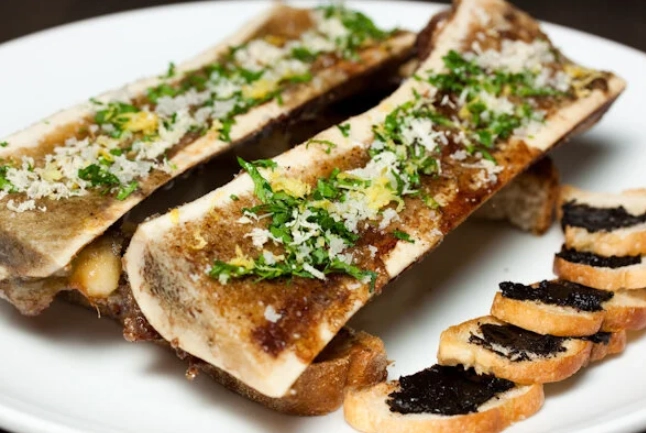
Alternative Cooking Methods
Oven roasting is king, but it's not the only way.
- Grilling: Amazing for smoky flavor. Prep the bones the same way, then place them directly on a medium-hot grill (not directly over flames) for about the same time. Keep an eye on flare-ups from dripping fat.
- Air Frying: Works surprisingly well! Cook at 400°F for 12-15 minutes. The circulating air gives great browning, but the bones might not get as evenly heated inside.
- Poaching/Steaming: Used in some classical French preparations to extract the marrow whole for terrines. It's a gentler method but lacks the roasted flavor we're after here.
What to Serve With Roasted Bone Marrow: It's All About the Accompaniments
This is where your bone marrow recipe becomes a meal.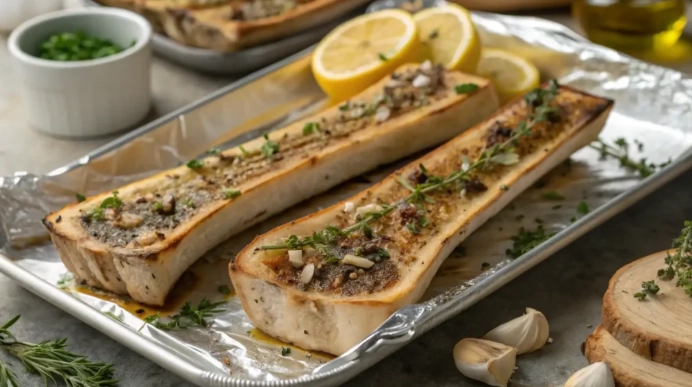
On its own, roasted marrow is incredibly rich. You need textures and flavors to cut through that richness and provide a vehicle for eating it. The classic—and for good reason—is a simple parsley salad, often called "persillade."
The Non-Negotiable Parsley Salad (Persillade):
- 1 large bunch of flat-leaf parsley, leaves picked and roughly chopped.
- 1 small shallot, very finely minced.
- 2 tbsp capers, rinsed and roughly chopped.
- The zest and juice of 1 lemon.
- A generous glug of good extra virgin olive oil.
- Salt and pepper.
Mix it all in a bowl. The sharpness of the shallot, the saltiness of the capers, and the bright acidity of the lemon are the perfect foil to the fatty marrow. It's not just a garnish; it's an integral part of the dish.
The Bread: You need a sturdy, crusty bread to scoop and spread. A baguette, sliced and toasted, is perfect. Sourdough also works wonderfully. Avoid soft sandwich bread—it will just fall apart.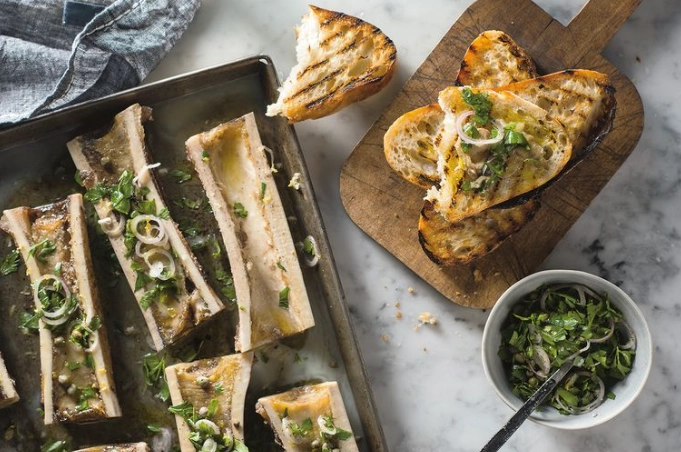
Beyond the Classic: Other Serving Ideas
- With a Steak: Serve a marrow bone alongside a ribeye. Spread the marrow on the steak. It's life-changing.
- Marrow Butter: Scoop out the roasted marrow, mix it with softened butter, minced herbs, garlic, and salt. Chill it into a log. You now have the most incredible compound butter for steaks, vegetables, or bread.
- On Risotto or Mashed Potatoes: A dollop of warm marrow stirred into creamy risotto or mashed potatoes adds incredible depth.
- With Fruit Mostarda: The sweet and spicy tang of an Italian mostarda (candied fruit in a mustard syrup) is a fantastic, unexpected pairing.
The beauty of a good bone marrow recipe is that once you master the basic roast, the serving possibilities are endless.
Let's Get Creative: Other Bone Marrow Recipes to Try
Roasting isn't the end of the story. Once you're comfortable, these ideas will show you just how versatile marrow can be.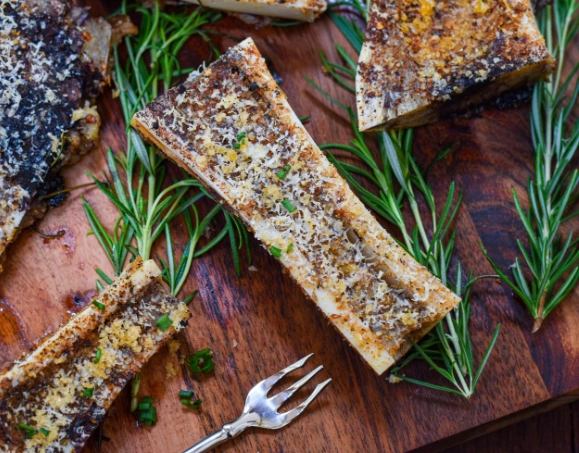
Bone Marrow Burgers
Take your burger game to a new level. For every pound of ground beef (80/20 blend is best), finely chop or grate 2-3 ounces of raw bone marrow (you can scrape it out of raw bones with a long spoon). Gently mix it into the beef along with your usual seasonings. The marrow melts as the burger cooks, basting it from the inside, resulting in an unbelievably juicy, flavorful patty. It's a trick many top burger joints use.
Bone Marrow Gravy or Sauce
This is a next-level sauce for special occasions. Roast your bones as usual. In a saucepan, sauté some diced onion and garlic. Deglaze with red wine and reduce by half. Add beef stock and the scooped-out roasted marrow. Let it simmer and reduce until rich and silky. Strain and finish with a knob of butter. Pour it over a roast or steak. It's pure umami magic.
Asian-Inspired Marrow Dishes
In many Asian cuisines, marrow is enjoyed in soups and stews. Try adding marrow bones to a rich pho broth or a Korean seolleongtang (ox bone soup). The long, slow cooking extracts all the flavor and nutrition into the soup, and you can scoop out the soft marrow to eat with your rice.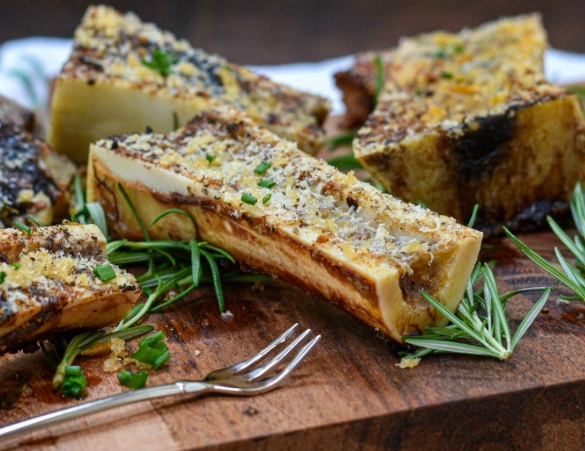
Answering Your Questions: The Bone Marrow FAQ
Frequently Asked Questions About Cooking Bone Marrow
A Few Parting Thoughts and Troubleshooting
Look, even with the best guide, things might not go perfectly the first time. That's okay. I've had my share of kitchen misadventures.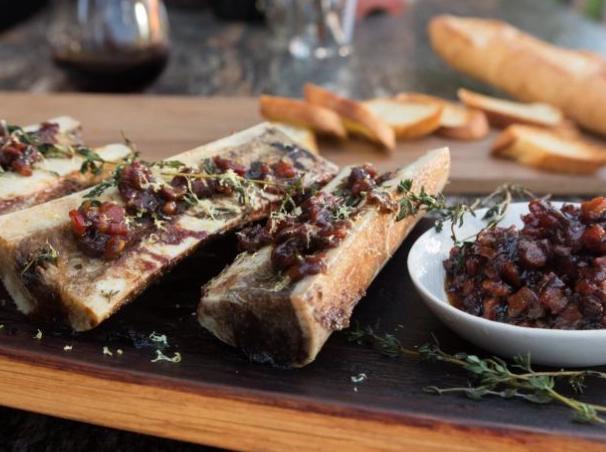
If your marrow is undercooked and still solid in the middle, just pop it back in the oven for another 5 minutes. If it's overcooked and mostly liquid, don't despair. Carefully pour it out into a bowl—you've just made liquid gold. Let it solidify in the fridge, and now you have rendered marrow fat (aka "bone butter") to use for roasting potatoes or vegetables. It's arguably better than duck fat.
The biggest lesson? Don't be afraid of it. A bone marrow recipe is less about precise technique and more about understanding how the ingredient behaves. It's forgiving in its own way. Once you get the feel for it—the look of the bubbles, the jiggle, the smell—it becomes second nature.
So go on, grab some bones from your butcher.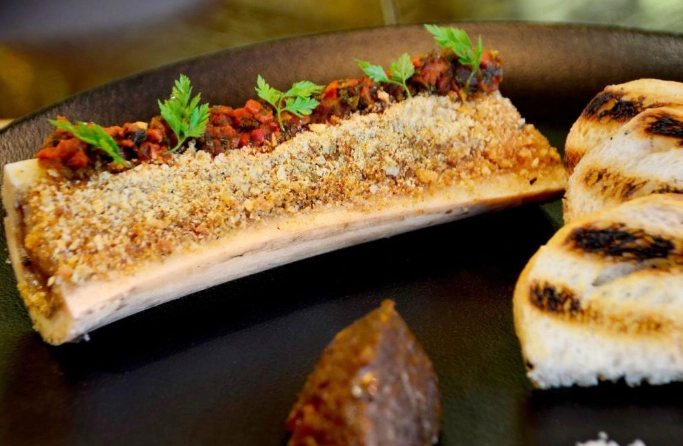
Soak them. Salt them. Roast them hot and fast. Pile that bright parsley salad on top. Spread the warm, savory marrow on a piece of crunchy toast. Take a bite. That deep, comforting, almost primal flavor? That's the reward for stepping just a little outside your cooking comfort zone. And honestly, once you've made it yourself, ordering it at a restaurant just won't feel the same. You'll know the secret.