Your Quick Guide to Cooking Monkfish
Let's be honest, monkfish looks… intimidating. It's not the prettiest fish in the sea. But if you've ever had it cooked right in a restaurant—firm, sweet, almost lobster-like—you know it's a total game-changer. The problem? Most home cooks see that tail at the market and have no idea where to start. I was there too. I bought a beautiful monkfish tail once, brought it home, and just stared at it. Now? It's one of my go-to weeknight dinners. The key is knowing a few simple tricks, and that's what this whole guide is about.
We're going to walk through everything, step by step. No fancy chef jargon, just practical advice you can use tonight. We'll cover how to pick the good stuff, how to handle that tricky membrane (it's easier than you think), and then dive into some seriously good monkfish recipes that work every single time.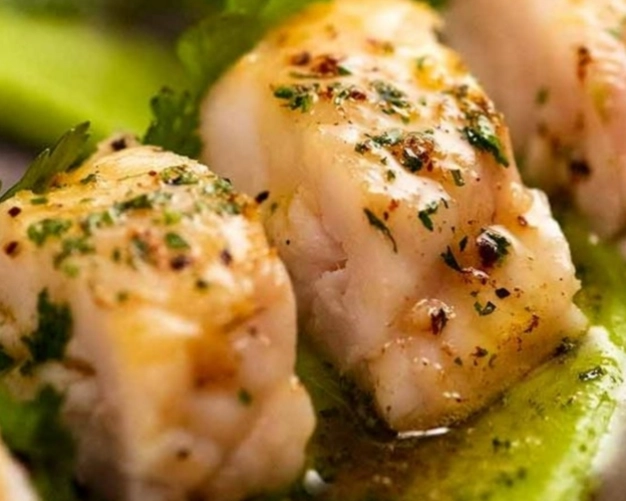
Why Monkfish Deserves a Spot on Your Plate
Before we get to the cooking, let's talk about why you'd even want to. Monkfish isn't your average flaky white fish. It's meaty. It holds up to bold flavors and high heat without falling apart. Chefs love it because it's versatile and has a unique, sweet flavor that's not overly "fishy." That's why it gets the nickname "poor man's lobster." It's a lot more affordable than lobster but gives you a similar satisfying, substantial bite.
It's also a smart choice from a sustainability angle. In the US Northeast, monkfish fisheries are generally well-managed. You can check the latest status for your region on the NOAA FishWatch website to make an informed choice. I always feel better when I know where my food comes from and how it's caught.
Your Monkfish Buyer's Guide: What to Look For
Getting good results starts at the store or fish counter. You can't fix bad-quality fish with any monkfish recipe.
- Fresh vs. Frozen: Fresh is fantastic if you have a great fishmonger. But don't shy away from high-quality frozen monkfish tails. They're often flash-frozen at sea, which locks in freshness. Just thaw slowly in the fridge overnight.
- The Smell Test: This is non-negotiable. It should smell clean and briny, like the ocean. Any strong, ammonia-like odor is a hard pass.
- Appearance: The flesh should be glossy, firm to the touch, and have a consistent ivory or pinkish-white color. Avoid any pieces with dry edges, discoloration, or gaping.
- Whole Tail or Fillets: If you're new to this, ask your fishmonger to skin and membrane it for you. It's a free service most places offer. Once you've done it once yourself, you'll see it's simple, but getting it prepped the first time removes a big mental hurdle.
The Essential Prep: How to Handle Monkfish
This is the part that scares people. It's just a membrane. Really.
Monkfish has a thin, grayish-purple membrane that tightly encases the flesh. If you don't remove it, it contracts violently when heated, squeezing the meat and making it tough. The good news? It peels off like a sock once you get it started.
Step-by-Step Prep
- Rinse the tail and pat it very dry with paper towels.
- Using a sharp paring knife, make a shallow cut at the thinner end, just under the membrane.
- Get a grip on the membrane with a paper towel (for traction) and pull it firmly and steadily toward the thicker end. It should come off in one or two pieces.
- Once the membrane is off, you'll see the skin. Slide your knife between the skin and the flesh, angling it slightly down toward the skin, and work your way along the length of the tail. The skin is tough and not pleasant to eat, so remove it all.
- Now you have the pristine, white loin. You can roast it whole, or cut it into large medallions or chunks, depending on your monkfish recipe.
See? Not so bad. Now for the fun part.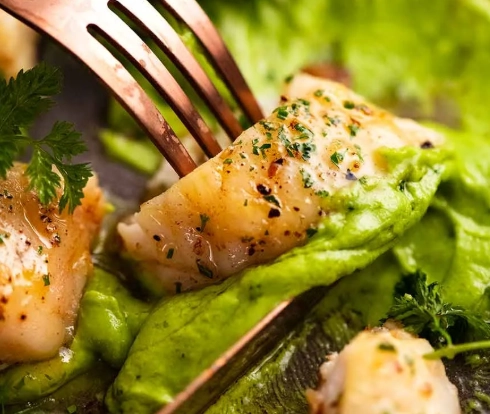
Top Monkfish Recipes & Cooking Methods Compared
This is where monkfish shines. Its texture lets you cook it in ways that would destroy a more delicate fish. Here’s a breakdown of the best methods.
| Cooking Method | Best For | Key to Success | My Go-To Flavor Pairing |
|---|---|---|---|
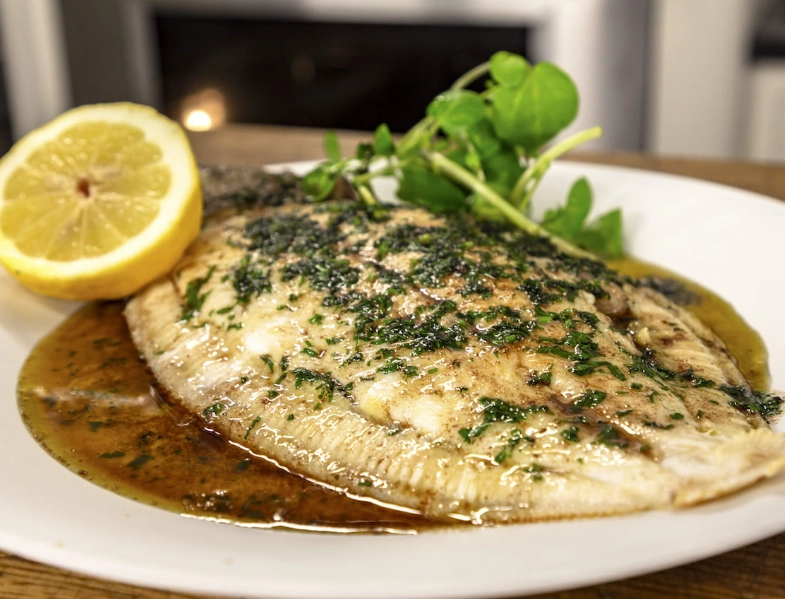
| Pan-Searing | Quick, crispy exterior, tender interior. A classic for a reason. | Get the pan screaming hot. Don't move the fish until it releases naturally. | Brown butter, capers, lemon, and parsley. Simple perfection. |
| Roasting/Baking | Hands-off cooking, great for whole tails or large pieces. | Use a high temp (400°F/200°C+) and don't overcook. A meat thermometer is your friend. | Pancetta or chorizo wraps, rosemary, and white wine in the pan. |
| Stewing/Braising | Ultra-tender, flavor-infused results. Foolproof. | Add the fish last, in the last 10-15 minutes of cooking, so it doesn't overcook. | Tomatoes, saffron, fennel, and a touch of pastis (a French anise liqueur). |
| Grilling | Smoky flavor and gorgeous grill marks. | Cut thick medallions. Oil the fish, not the grates. Use a very clean, hot grill. | A spicy chermoula marinade or a simple brush of garlic-herb oil. |
My Favorite Pan-Seared Monkfish Recipe
This is the one I make most often. It's fast, looks impressive, and nails that restaurant-quality feel.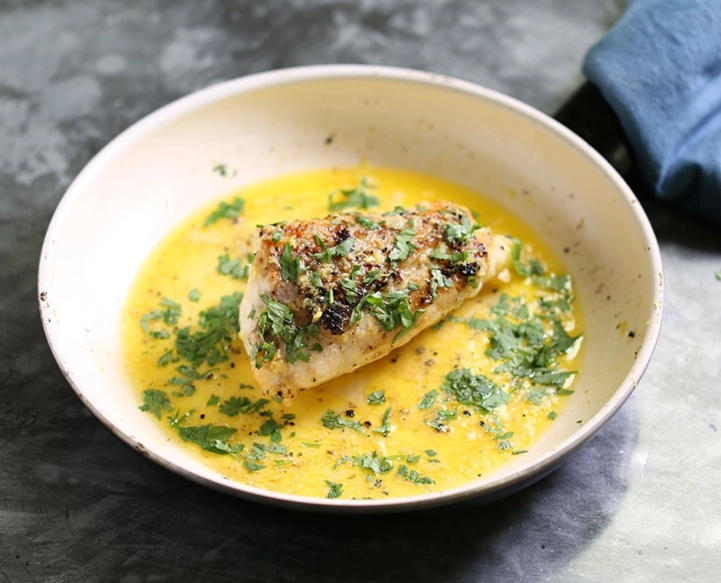
Ingredients:
- 1 lb monkfish tail, prepped and cut into 4-5 large medallions
- Salt and freshly ground black pepper
- 2 tbsp all-purpose flour (optional, for extra crispness)
- 2 tbsp olive oil
- 3 tbsp unsalted butter
- 2 cloves garlic, lightly smashed
- 2 tbsp drained capers
- Juice of 1/2 a lemon
- 2 tbsp chopped fresh parsley
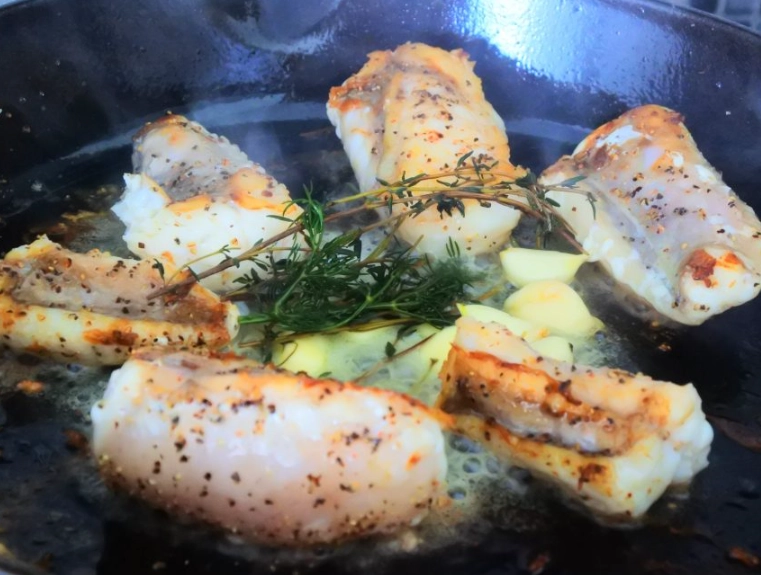
What to do: Pat the monkfish medallions extremely dry. Season liberally with salt and pepper. If using, dust lightly with flour and shake off the excess. Heat the olive oil in a heavy skillet (cast iron is perfect) over medium-high heat until it shimmers. Add the monkfish. Don't crowd the pan—cook in batches if needed. Sear, without moving, for 4-5 minutes until a deep golden crust forms. Flip and cook for another 3-4 minutes. The internal temp should be about 135°F (57°C)—it will carry over to 145°F (63°C), which is perfect. Transfer to a plate.
Reduce heat to medium. Add butter to the pan. Once foaming, add garlic and capers. Cook for about a minute until fragrant and the capers are a bit crispy. Kill the heat. Stir in lemon juice and parsley. Spoon the sauce over the monkfish. That's it. Serve immediately. This is one of those monkfish recipes that makes you look like a pro.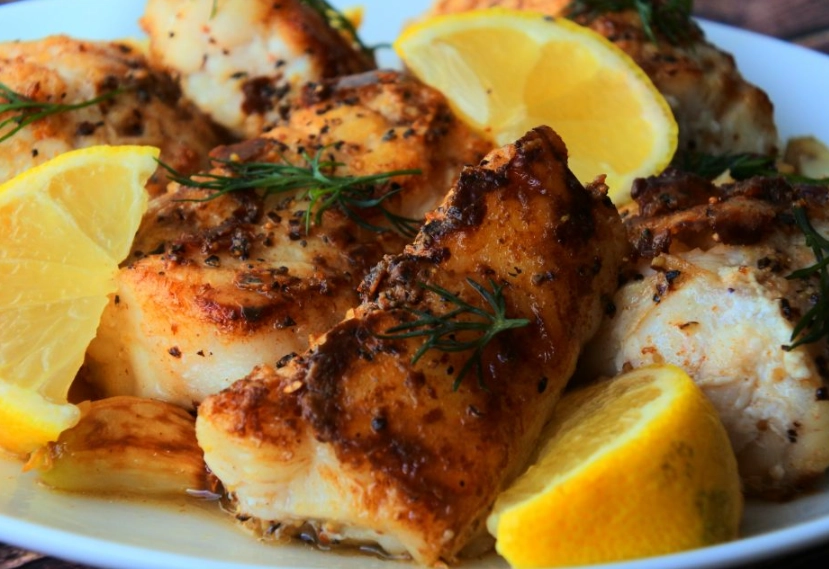
The Ultimate Comfort Food: Monkfish Stew
When you want something warming and deeply flavorful, this stew is the answer. It's based on a classic Mediterranean approach.
Base: Sauté a diced onion, fennel bulb, and a pinch of salt in olive oil until soft. Add 3 minced garlic cloves and 1/2 tsp saffron threads (if you have it) and cook for another minute. Pour in a 28-oz can of good-quality crushed tomatoes and 2 cups of fish or vegetable broth. Bring to a simmer and let it bubble away for 20 minutes to meld flavors.
Finish: Season your prepped monkfish chunks (about 1.5 lbs) with salt and pepper. Gently nestle them into the simmering stew. Let them cook, barely bubbling, for about 10-12 minutes, until just cooked through. Stir in a handful of chopped olives and some fresh basil right at the end. Serve with crusty bread. It's hearty without being heavy.
Answering Your Monkfish Questions
I get a lot of the same questions whenever I talk about cooking monkfish. Here are the big ones.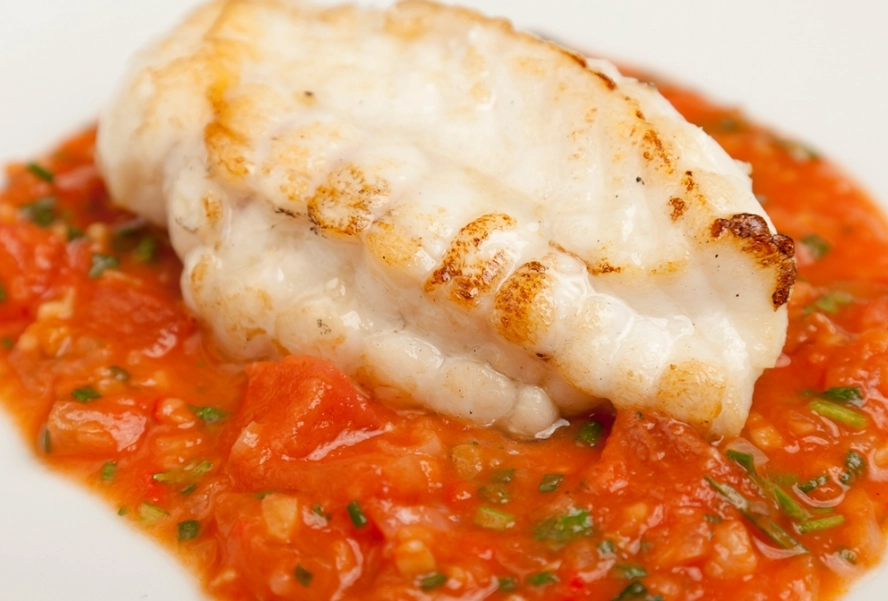
A Few Parting Thoughts (And One Minor Gripe)
Monkfish has become a regular in my kitchen rotation. It's reliable, it feeds a crowd without breaking the bank, and it always feels like a special meal. The learning curve is shallow—master the prep, don't overcook it, and you're 90% there.
My one complaint? The waste. You buy a tail and after removing the membrane, skin, and bone, your yield is less than you started with. It bugs me sometimes. But then I think about how little waste there actually is on the plate—every bit of that loin is delicious and eaten—and I get over it. Buying it already prepped from a trusted source can offset this feeling entirely.
So, next time you're at the fish counter and see that gnarly-looking tail, give it a nod.
Grab one. Take it home. Try a simple pan-sear with lemon and herbs. You might just find your new favorite secret weapon for dinner. The world of monkfish recipes is waiting, and it's a lot more approachable than it looks.