Quick Guide
Let's talk about the French Dip. You know the one. That sandwich that feels like a hug from the inside, where tender slices of beef meet a crusty roll, all destined for a deep dive into a savory, aromatic broth called au jus. It's deceptively simple, which is why getting it wrong is so easy and getting it right feels like a minor miracle. I've had my share of disappointing versions—dry meat, bland broth, soggy bread—and it's what sent me down the rabbit hole of perfecting my own french dip au jus recipe.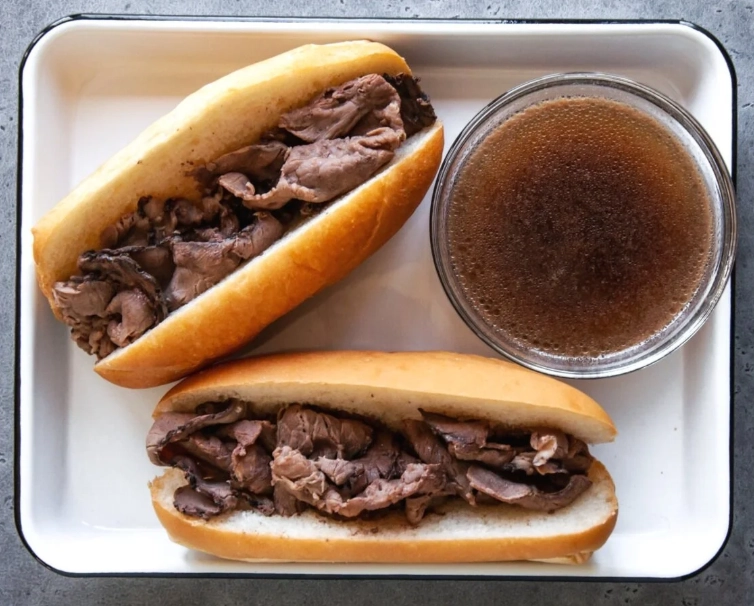
The goal here isn't just to follow steps. It's to understand the why behind them. Why that cut of meat? Why simmer for that long? What if I don't have beef stock? We'll cover it all. This isn't about fancy techniques; it's about building layers of flavor with patience and a few good ingredients.
What You're Really Making: The Heart of the Sandwich
Before we grab a knife, let's clear something up. "Au jus" literally means "with juice" in French. In practice, for our french dip au jus recipe, it's the rich, seasoned broth made from the natural juices of the roasted meat, amplified with aromatics and a good base. It's not a thick gravy. It should be light but intensely flavorful, clear but deeply colored, the kind of liquid you'd happily drink from a mug on a cold day.
The sandwich itself? It's a study in contrasting textures. The exterior of the roll must crackle, giving way to a soft, absorbent interior. The beef must be succulent enough to stand alone but willing to play its part in the greater saucy good. The magic happens in the dip—a quick plunge that moistens the bread, seasons the beef, and unites every element.
I think a lot of recipes overcomplicate the au jus or, worse, suggest using a powdered mix. Trust me, the homemade route is simpler than you think and makes a world of difference. The flavor is cleaner, richer, and you control the salt.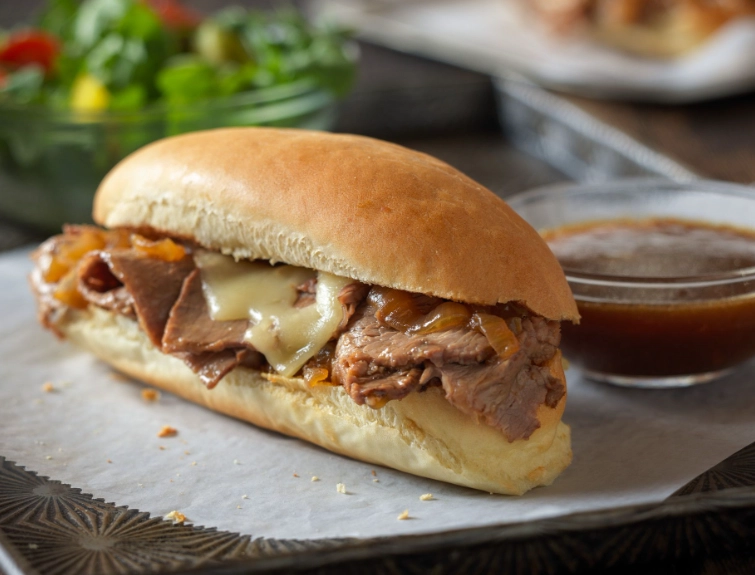
Gathering Your Arsenal: The Ingredient Breakdown
You can't build a great house with cheap bricks. Your french dip au jus recipe starts with what you put in your shopping cart. Here’s exactly what you need and why each item matters.
| Ingredient | Best Choice & Why | Okay Substitutes |
|---|---|---|
| Beef Roast | Beef Bottom Round Roast or Rump Roast (3-4 lbs). These cuts have great beefy flavor, are relatively lean, and become wonderfully tender when slow-roasted. They also yield excellent natural juices for your au jus. | Top round roast, chuck roast (will be fattier), or even pre-sliced deli roast beef in a serious pinch (though you'll miss the roasting step). |
| Beef Stock/Broth | Low-sodium beef stock. This is the backbone of your au jus. Low-sodium is key so you can control the final salt level. A good quality stock from the carton or, even better, homemade, makes a noticeable difference. | Full-sodium beef broth (use less salt later), or a mix of chicken and beef broth. Avoid bouillon cubes as a primary base if you can. |
| Onions & Garlic | Yellow onions and fresh garlic cloves. Yellow onions caramelize beautifully, adding sweetness. Fresh garlic provides a pungent, aromatic base that cooked garlic powder can't match. | Sweet onions (Vidalia) for more sweetness, or shallots for a more delicate flavor. |
| Bread/Rolls | French baguettes or hoagie/submarine rolls. The non-negotiable characteristic is a crispy, sturdy crust and a soft, airy interior. It must withstand a quick dip without disintegrating. | Bolillo rolls, ciabatta rolls (if not too holey), or sourdough baguettes for tang. |
| Seasonings | Kosher salt, black pepper, soy sauce, Worcestershire sauce. Soy adds umami depth and color, Worcestershire adds a complex tang. Fresh thyme or rosemary sprigs are fantastic for an herbal note. | Tamari for gluten-free, coconut aminos for soy-free. Dried herbs work if fresh aren't available. |
See? Nothing crazy. No truffle oil or exotic spices. The beauty of a classic french dip au jus recipe lies in this simplicity. The soy sauce might raise an eyebrow, but it's my secret weapon for depth. It doesn't make the jus taste Asian; it just makes it taste more.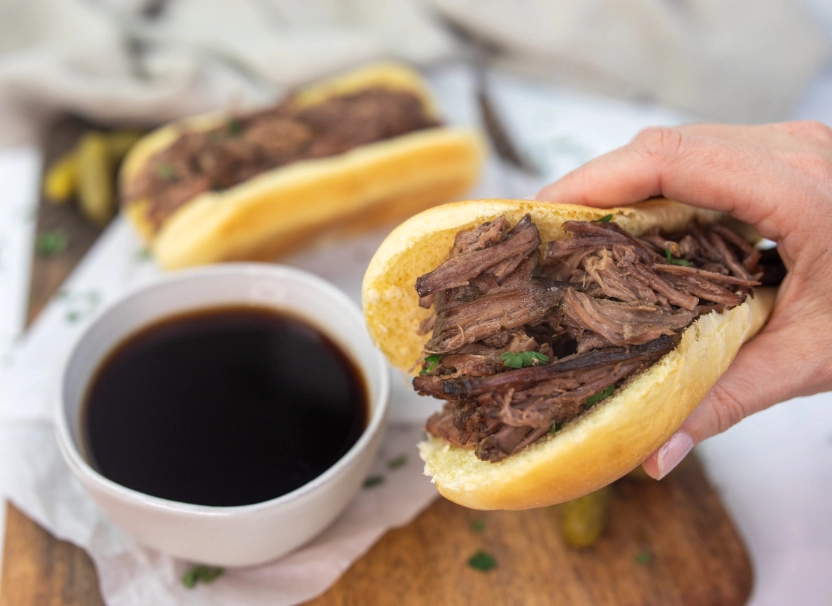
The Step-by-Step: From Raw Roast to Perfect Dip
Alright, let's get cooking. I'm breaking this down into two main acts: the roast and the au jus. They happen in tandem, each feeding the other. Plan for about 3 to 3.5 hours, mostly hands-off roasting time.
Part 1: Cooking the Beef to Tender Perfection
First, take your roast out of the fridge about an hour before cooking. A cold roast going into a hot oven will seize up and cook unevenly. Pat it very dry with paper towels. This is crucial for a good sear. Moisture is the enemy of browning.
Now, season it aggressively with kosher salt and freshly ground black pepper. Get all sides. Don't be shy here; some of this seasoning will end up in your jus.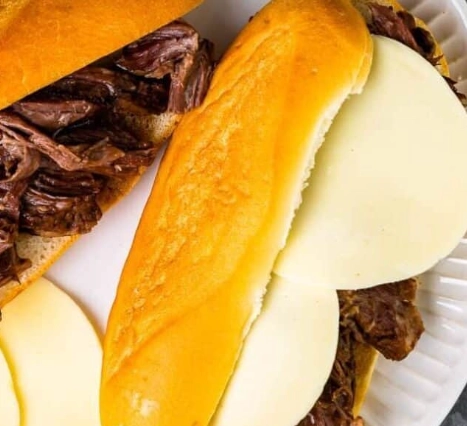
Once it's beautifully browned, remove the roast to a plate. Toss in your roughly chopped onions and garlic into the same pot. All those brown bits stuck to the bottom? That's flavor gold. Cook the onions for 5-7 minutes until they soften and start to pick up that fond.
Now, place the roast back on top of the onions. If you have fresh herbs like thyme or rosemary, throw in a few sprigs. Add about a cup of water or beef stock to the pot—just enough to cover the bottom by half an inch. This creates steam and prevents the onions from burning.
Cover the pot with a tight-fitting lid and slide it into a preheated 300°F (150°C) oven. And now, you wait. This low-and-slow method is what transforms a tough cut into something sliceable and tender. Plan on about 2.5 to 3 hours. You'll know it's done when a fork twists easily in the meat.
Part 2: Crafting the Iconic Au Jus
Here's where your french dip au jus recipe comes to life. Once the roast is done, carefully transfer it to a cutting board and tent it with foil. It must rest for at least 20-30 minutes. This allows the juices to redistribute. If you slice it now, all those precious juices will flood your board.
Look at the pot in front of you. You have softened onions, garlic, herbs, and all the rendered meat juices. This is your flavor foundation.
Set the pot on the stove over medium heat. Pour in your beef stock—about 4 to 6 cups. Use a wooden spoon to scrape up every last bit of fond from the bottom. Bring it to a simmer. Now, add your flavor amplifiers: a good splash of soy sauce (about 2 tablespoons) and Worcestershire sauce (about 1 tablespoon). Taste it. It will be weak and one-dimensional right now. That's okay.
Let it simmer, uncovered, for 20-30 minutes. You're reducing it slightly and letting the flavors marry. The salt from the soy and the savoriness from the Worcestershire will blend with the beefiness. Skim off any excess fat that rises to the top for a cleaner broth.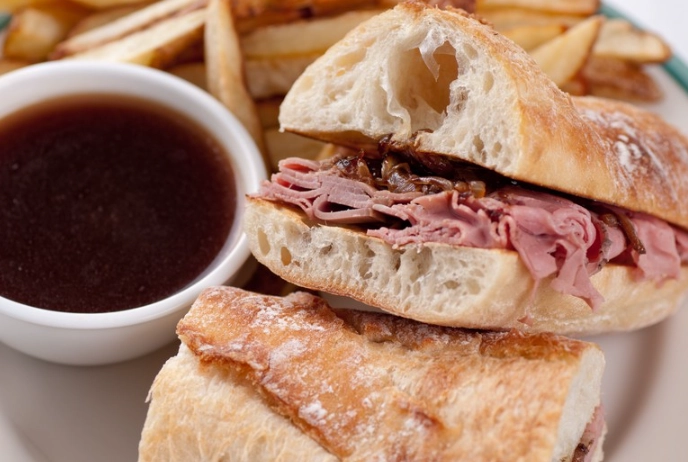
After simmering, strain the broth through a fine-mesh sieve into a clean pot or a gravy boat. Press on the onions to get all their flavor out, then discard the solids. You should be left with a clear, deep brown, fragrant broth. Give it a final taste. Does it need a pinch more salt? A grind of pepper? Adjust now. This is your au jus.
Part 3: The Grand Assembly
While the meat rests and the jus simmers, prepare your rolls. Slice them lengthwise, but not all the way through—leave a hinge. Place them on a baking sheet, cut side up, and toast them in the oven (or under a broiler, watched carefully) until the edges are just golden and crisp. This creates a moisture barrier.
Now, thinly slice your rested beef against the grain. This is the single most important step for tenderness. Slicing against the grain shortens the muscle fibers, making each piece melt-in-your-mouth tender. Pile the warm slices generously into the toasted rolls.
Ladle the hot au jus into individual small bowls, ramekins, or even wide coffee mugs. Serve each sandwich with its own bowl of jus. The ritual is half the fun—each person gets to control their own level of saturation.
Answering Your French Dip Dilemmas (FAQs)
What's the real difference between au jus and beef gravy?
It's all about body and ingredients. Gravy is typically thickened with flour or another starch and is often made from pan drippings and milk/cream (like sausage gravy) or a roux (like turkey gravy). Au jus is unthickened. It's the natural juices of the meat, enhanced with stock and seasonings, strained, and served as-is. It's lighter but often more intensely beefy.
Can I make this in a slow cooker?
Absolutely. For a set-and-forget version, sear the roast in a skillet first (don't skip this!), then place it and all other ingredients (onions, garlic, herbs, 1 cup stock) into the slow cooker. Cook on LOW for 8 hours. Remove the roast to rest. Pour the liquid and solids from the cooker into a saucepan, add the remaining stock, soy, and Worcestershire, and simmer for 20-30 minutes to reduce and concentrate the flavor before straining. The texture of the meat from a slow cooker can be different—often more "shreddy" than sliceable—but it's still delicious.
What's the best way to store and reheat leftovers?
Store the sliced beef and au jus separately in airtight containers in the fridge for up to 4 days. To reheat, gently warm the au jus in a saucepan. Place the beef in a sieve or steamer basket and hover it over the simmering jus for just a minute to steam it warm without overcooking. Re-toast your rolls. This method keeps the beef from getting tough and chewy in the microwave.
My au jus tastes weak. How can I fix it?
Simmer it longer to reduce and concentrate the flavor. You can also add a teaspoon of tomato paste during the onion-cooking stage for more depth, or a dash of red wine vinegar or a pinch of sugar to balance and brighten. If it's truly bland, a bit more Worcestershire or soy can help, but reduction is usually the best fix.
Is there a quicker weeknight version of this french dip au jus recipe?
Sure. Use high-quality deli-sliced roast beef from the grocery store. For the au jus, sauté some onions and garlic, add beef stock, soy, Worcestershire, and a spoonful of store-bought beef demi-glace if you can find it. Simmer for 15 minutes, strain, and you're in business. It's not quite the same as the long-roasted version, but it's a fantastic 30-minute fix.
Leveling Up: Tweaks and Variations to Try
Once you've mastered the basic french dip au jus recipe, playing around is half the fun. Here are some popular spins.
The Cheesy Dip: Add a slice of provolone, Swiss, or white American cheese to the sandwich before toasting it under the broiler for a minute. The melted cheese adds a wonderful creaminess that contrasts the salty jus.
The Mushroom & Onion Dip: Sauté a mix of sliced mushrooms (cremini are great) and onions until deeply caramelized. Pile these on top of the beef in the sandwich. They add an incredible earthy sweetness.
The Spicy Kick: Add a sliced jalapeño or a spoonful of pickled pepperoncini to your sandwich. Or, stir a teaspoon of prepared horseradish into your individual bowl of au jus for a sinus-clearing dip.
The Ultimate Umami Bomb: Stir a teaspoon of miso paste or a few reconstituted dried porcini mushrooms (chopped finely) into your simmering au jus. This is next-level savory depth.
Why This Recipe Works (The Science of Simple)
You don't need to know this to make a great sandwich, but it helps explain why the steps matter. The Maillard reaction during searing creates hundreds of new flavor compounds. The slow roasting at a low temperature breaks down tough connective tissue (collagen) into soft, unctuous gelatin without squeezing out all the moisture. Resting the meat allows the heated muscle fibers, which have tightened and pushed juices to the center, to relax and reabsorb those juices.
The simmering and reduction of the au jus isn't just about evaporation. It concentrates flavors and allows time for the water-soluble compounds in the onions, garlic, and herbs to fully infuse the liquid. The soy sauce provides glutamates (natural MSG), which are umami flavor enhancers, making the beefiness taste even beefier. The USDA recommends cooking whole cuts of beef like roast to a minimum internal temperature of 145°F followed by a rest time, but for tough cuts, going to 190-200°F via slow roasting is what achieves true tenderness.
So there you have it. A french dip au jus recipe that respects the classic but gives you the knowledge to make it your own. It's a project, but most of it is waiting. The payoff is a sandwich that feels special, that solves the craving perfectly. No more bland, soggy, or dry disappointments. Just the real, deeply satisfying deal. Now, go preheat that oven. Your perfect French Dip is waiting.