Quick Guide
Let's be honest. The first time I had what was labeled "tiramisu" in a popular American chain restaurant, I was confused. It was towering, almost like a cake, sweet enough to make my teeth ache, and had a weird, fluffy texture. It wasn't bad, but it wasn't the dessert I fell in love with in a little trattoria just outside Venice. That experience sparked a years-long curiosity. What is the difference between Italian and American tiramisu, really? Is one just a bad copy of the other, or are they legitimately different dishes with the same name?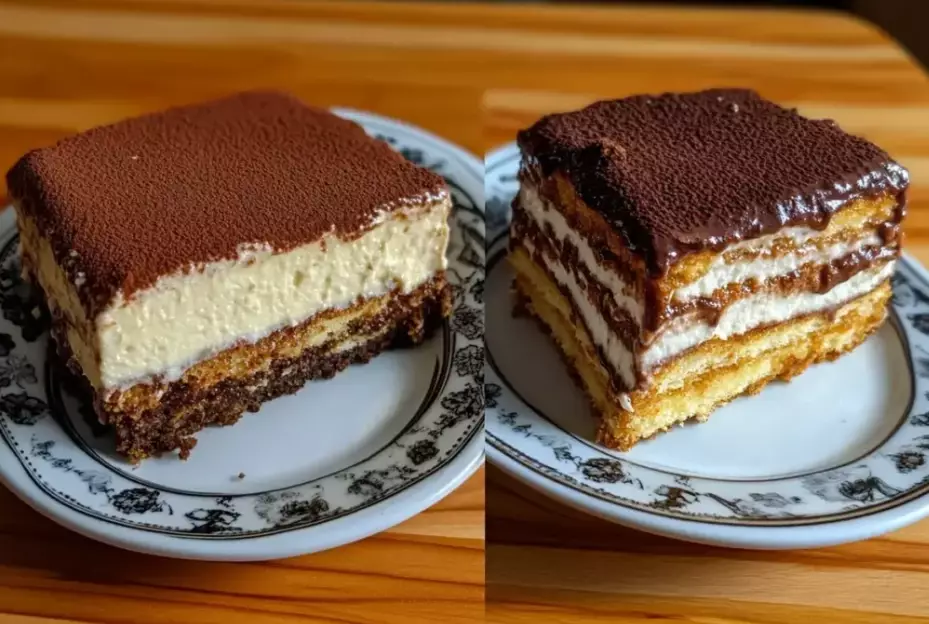
It turns out, the gap is wider than the Atlantic. We're talking about a clash of culinary philosophies. On one side, you have a proud, regional Italian dessert with strict, almost sacred rules. On the other, you have the American spirit of adaptation, innovation, and sometimes, well, cutting corners for mass appeal. This isn't about which one is "better"—though I have a strong personal favorite—but about understanding what makes each version unique. If you've ever wondered why your homemade tiramisu doesn't taste like the one from your trip to Rome, or why the grocery store version feels so different, you're in the right place.
Think of it this way: authentic Italian tiramisu is like a perfectly tailored suit. It uses specific, high-quality materials (mascarpone, Savoiardi, strong espresso) and follows a precise method to create something elegant, balanced, and sophisticated. American tiramisu is more like a comfortable, popular hoodie. It might use easier-to-find fabrics (cream cheese, pound cake, instant coffee) and add extra logos or pockets (more sugar, chocolate shavings, whipped cream) to appeal to a broader taste. Both have their place, but they serve different purposes.
Where It All Began: A Quick Dip into Tiramisu's Muddy History
Before we compare, we need a baseline. What was tiramisu supposed to be? The origins are surprisingly disputed (Italians love a good food feud), but most credible sources point to the Veneto region, possibly in Treviso, in the 1960s or 70s. The Italian Academy of Cuisine (Accademia Italiana della Cucina) even deposited an "official" recipe in 2010 to protect its identity. The name literally means "pick me up" or "cheer me up," referring to the caffeine kick from the espresso and the energy from the eggs and sugar.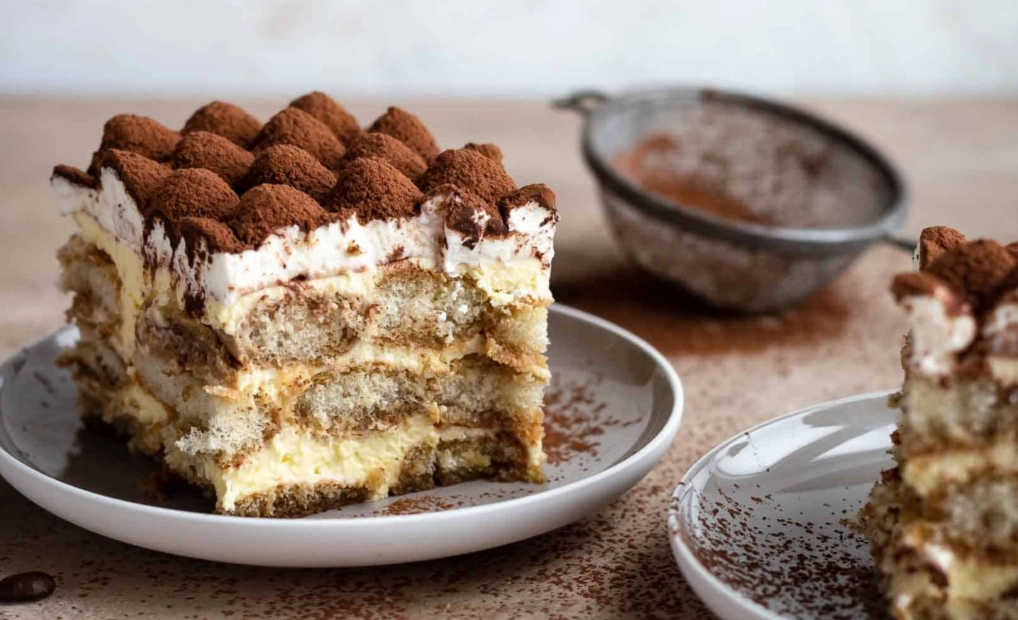
The American encounter with tiramisu came later, booming in popularity in the 1980s and 1990s as Italian-American cuisine went mainstream. But here's the thing—ingredients like fresh, delicate mascarpone cheese and proper ladyfingers (Savoiardi) weren't always easy to find nationwide. So, substitutions began. And with substitutions came reinterpretations. The dessert evolved to suit local palates, which often prefer sweeter, richer, and more visually dramatic confections.
That's the root of the divergence. One stayed close to its home. The other traveled the world and changed its clothes.
The Core of the Conflict: Ingredients Head-to-Head
This is where the difference between Italian and American tiramisu becomes crystal clear. Let's break it down component by component. I've made both styles countless times, and the ingredient list is the first and most crucial battleground.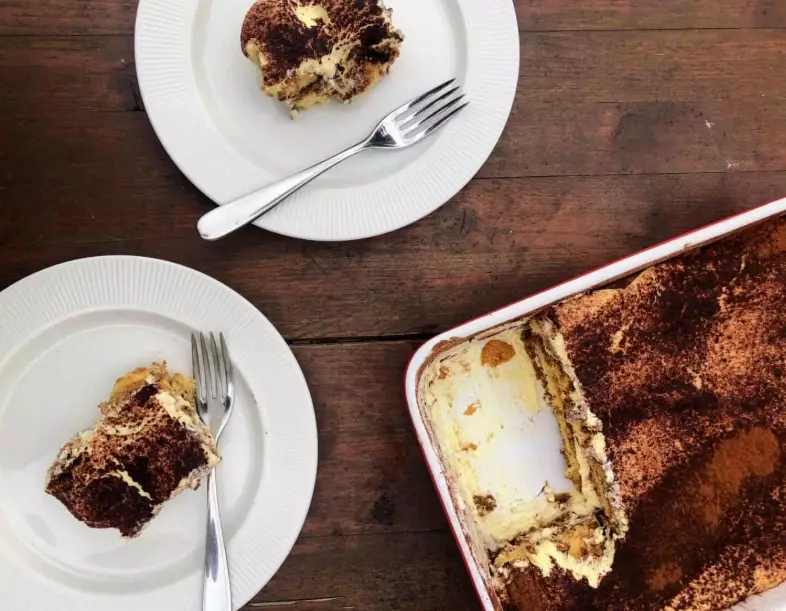
The Cheese: Mascarpone vs. The World
In Italy, there is no debate. The cream must be mascarpone, a rich, buttery, slightly tangy fresh cheese from Lombardy. Its fat content (often over 40%) and thick, spreadable consistency are non-negotiable. It creates a dense, luxurious cream that holds its shape.
In the US, you'll often see blends. Sometimes it's pure mascarpone (in better recipes). Frequently, it's cut with whipped cream to lighten the texture and cost. In the worst offenders, it's replaced entirely with cream cheese or even sweetened whipped topping like Cool Whip. Cream cheese makes it tangier and firmer, losing that delicate mascarpone flavor. This single substitution changes everything.
My personal take? Using cream cheese makes it a different dessert. Call it "New York-style coffee dessert" or something.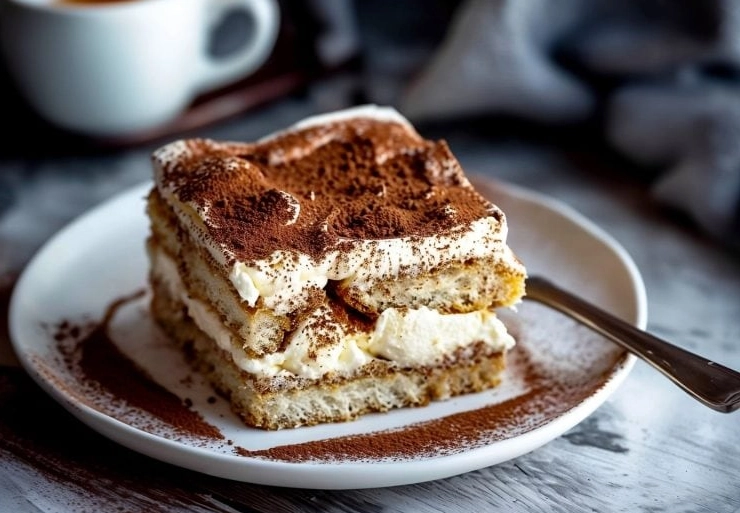
The Sponge: Savoiardi vs. Cake Anything
Authentic tiramisu uses Savoiardi—dry, crisp, elongated ladyfinger cookies. They're designed to absorb the coffee mixture quickly without dissolving into mush. They provide structure and a specific airy texture.
American versions get creative. I've seen sponge cake, pound cake, and even chocolate cake used as the base. These are often pre-soaked in syrups and are much softer. While they can be tasty, they create a denser, more uniform, cake-like bite. You lose that distinct contrast between the soaked cookie and the creamy filling.
The Coffee: Espresso vs. Whatever's Brewed
Italians use a strong, freshly brewed espresso, cooled. It's intense, slightly bitter, and forms the backbone of flavor. Sometimes a dash of alcohol like Marsala wine, rum, or brandy is added to the coffee, but it's not universal.
In the US, the coffee base can be weaker—brewed coffee, instant espresso powder dissolved in water, or even coffee liqueur like Kahlúa. The American version often leans heavier on the alcohol, sometimes making it the dominant flavor, which can overpower the coffee and cheese.
A huge point of contention: Raw eggs. The traditional Italian cream is a zabaglione-like mixture of raw egg yolks and sugar whipped with mascarpone. Egg whites are often whipped separately and folded in. Many American recipes, concerned with salmonella, cook the egg yolks into a sabayon or eliminate them entirely, relying on just whipped cream for volume. This creates a major textural and flavor shift. The raw egg version is richer and silkier.
The Sweetness and the Finish
Italian tiramisu is balanced. The bitterness of the coffee and cocoa cuts the sweet, rich cheese. The dusting on top is almost always just unsweetened cocoa powder (sometimes a mix with chocolate shavings).
American tiramisu tends to be sweeter overall. And the top? It's a free-for-all. I've seen mountains of sweetened whipped cream, chocolate syrup drizzle, chocolate chips, sprinkles, and even caramel sauce. It becomes more of a general dessert spectacle.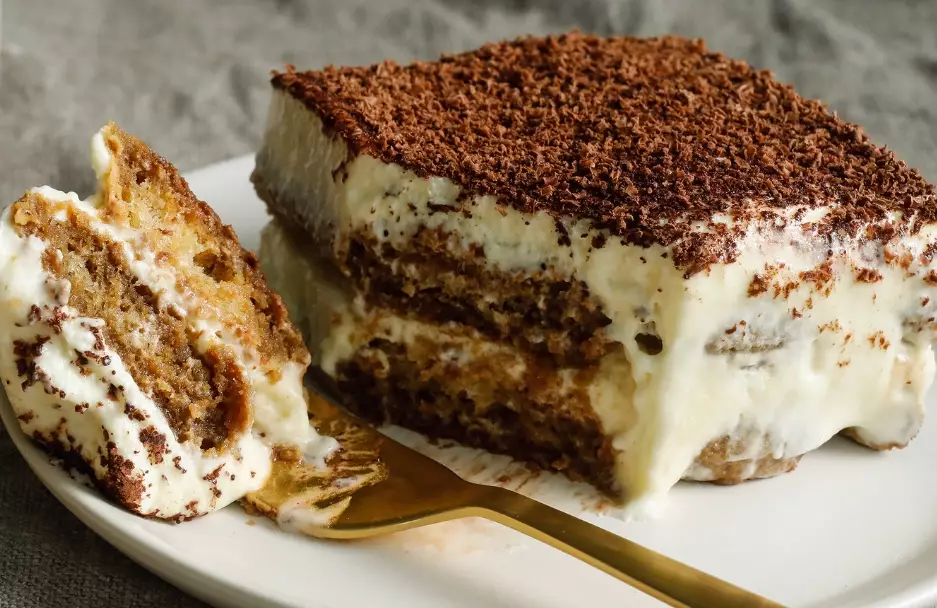
So, to visualize this ingredient war, here's a table that lays it all out.
| Ingredient | Authentic Italian Tiramisu | Common American Adaptation | My Taste Note |
|---|---|---|---|
| Core Cream | Mascarpone cheese, raw egg yolks & sugar, sometimes whipped egg whites. | Mascarpone blended with heavy cream; or cream cheese/whipped topping. Cooked or no eggs. | The mascarpone/egg mix is unbeatable for richness. Cream cheese versions taste like a cheesecake hybrid. |
| Sponge/Layer | Dry Savoiardi (ladyfinger) cookies. | Sponge cake, pound cake, soft ladyfingers. | Savoiardi give that essential textural contrast. Cake makes it all one soft block. |
| Coffee Soak | Strong, cooled espresso. Optional dash of Marsala, rum, or no alcohol. | Brewed coffee, instant espresso, often more liberal use of coffee liqueur (Kahlúa). | Espresso's intensity is key. Weak coffee makes a weak tiramisu. Too much liqueur boozes it up. |
| Sweetness Level | Moderate. Balanced by coffee bitterness. | Generally sweeter, from the cream to the soak. | I find many US versions too sweet—it masks the other flavors. |
| Topping | A light dusting of unsweetened cocoa powder. | Cocoa powder, plus whipped cream, chocolate shavings, syrup, etc. | Keep it simple! The cocoa powder is perfect. Extra toppings feel gimmicky. |
Method and Mindset: How They're Built
The philosophy extends into the assembly. An Italian nonna has a specific, almost ritualistic approach. The coffee dip for the Savoiardi is a quick *in-and-out*—just a second or two per side. You want them moist but not soggy, still retaining a bit of structure. The layers are typically just two: soaked cookies, cream, soaked cookies, cream. The final cream layer is smoothed neatly, not piped into decorative swirls.
The American method is often more forgiving, or some might say, sloppier. With softer cake bases, you might pour the coffee syrup over the whole layer. The cream is often lighter and fluffier (thanks to all that whipped cream) and might be piped decoratively. The goal is sometimes more about visual impact for a bakery case.
And then there's setting. A proper Italian tiramisu rests in the fridge for at least 6-8 hours, preferably overnight. This allows the flavors to marry and the cookies to soften perfectly into the cream. It's served cold and firm. American versions, especially restaurant servings, might be assembled and served much sooner, resulting in a looser, less integrated texture.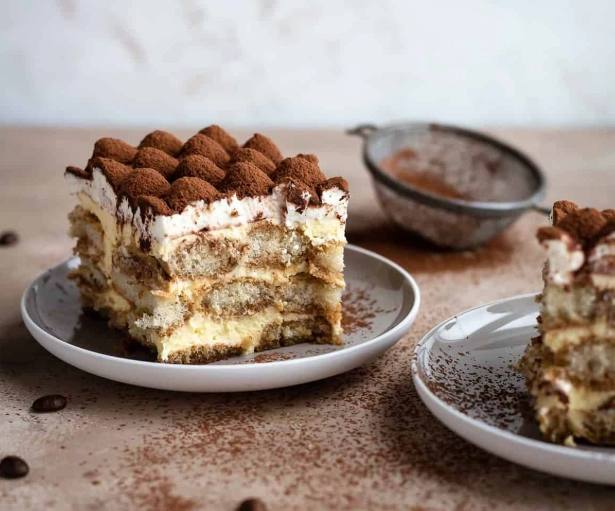
Culture in a Dish: Why the Differences Exist
This isn't just about recipes. It's about culture. In Italy, food is deeply regional and tied to tradition. There's a respect for the authenticity of ingredients (you can learn more about this philosophy from resources like Italia.it, the official tourism site). Tiramisu, while relatively young, quickly earned its place as a classic, and classics have rules.
In America, we have a "more is more" dessert culture and a history of adapting immigrant foods to local ingredients and tastes. Think of what happened to pizza or spaghetti and meatballs. Tiramisu underwent a similar transformation. It became bigger, sweeter, and more indulgent to fit the American sweet tooth. Availability of ingredients played a huge role initially, and now the adapted version has become a standard in its own right.
There's also a commercial aspect. The traditional recipe with raw eggs has a shorter shelf life and poses liability concerns for large manufacturers. Using stabilizers, cooked bases, and cream cheese makes it easier to produce, ship, and sell in grocery stores nationwide. The U.S. Dairy Export Council might note the versatility of cream cheese in such adapted desserts.
Side-by-Side Summary: The Quick Look
If you're skimming, here’s the difference between Italian and American tiramisu in a nutshell.
| Aspect | Italian Tiramisu | American Tiramisu |
|---|---|---|
| Flavor Profile | Balanced, coffee-forward, rich but not overly sweet, elegant. | Generally sweeter, can be cream-cheese tangy or boozy, more decadent. |
| Texture | Dense, creamy, with a distinct soft-yet-structured layer from Savoiardi. | Often lighter, fluffier, sometimes more homogeneous like a mousse cake. |
| Visual | Rustic, simple, neat layers, dusted with cocoa. | Often taller, with decorative piping, chocolate curls, sauces. |
| Philosophy | Respect for a few high-quality ingredients. Restraint. | Adaptation and innovation. Abundance and celebration. |
Your Tiramisu Questions, Answered
Which version is more "authentic"?
By definition, the Italian version using mascarpone, Savoiardi, espresso, and eggs is authentic. The American version is an adaptation. That doesn't make it wrong—it's just a different iteration.
I'm scared of raw eggs. Can I make a safe Italian-style tiramisu?
Absolutely. You can gently cook the egg yolks and sugar over a double boiler (bain-marie) until they reach 160°F (71°C) to pasteurize them, then whip until cool before adding mascarpone. It changes the texture slightly (a bit thicker) but is a great compromise. Or, use pasteurized eggs from the carton.
Can I use cream cheese if I can't find mascarpone?
You can, but expect a different dessert. Full-fat cream cheese will give a tangier, firmer result. For a closer approximation, some mix cream cheese with a little heavy cream or butter. But really, try to find mascarpone—it's widely available now in most supermarkets.
Why is my tiramisu soupy?
This is the #1 problem. Three likely culprits: 1) You over-soaked the cookies, 2) Your cream was too loose (maybe the mascarpone was warm or you added too much liquid), or 3) It didn't chill long enough. The long chill is non-negotiable for structure.
Is alcohol necessary?
No. Many traditional recipes don't include it. The "pick me up" comes from coffee. Alcohol adds complexity, but it's optional in both traditions.
What's the best way to understand the difference between Italian and American tiramisu firsthand?
Make both! Follow a strict Italian recipe one weekend (look for ones from reputable sources like GialloZafferano or Academia Barilla). The next, try a popular American one that uses cream cheese and whipped cream. Taste them side by side. The education is delicious.
So, what is the difference between Italian and American tiramisu? It's a story of tradition meeting transformation. One is a refined, balanced emblem of its region. The other is a beloved, indulgent icon of adaptation. Knowing the difference empowers you—whether you're ordering in a restaurant, baking at home, or just settling a friendly food debate. Now, if you'll excuse me, all this talk has me craving the real deal. I think I have some mascarpone in the fridge...