What’s Inside
- What Is Gazpacho, Really?
- The Core Philosophy: Keep It Simple, Keep It Cold
- The Authentic Gazpacho Recipe: A Step-by-Step Breakdown
- To Blend or to Pound? The Traditional Spanish Gazpacho Method
- Gazpacho Recipe Variations: When to Break the Rules
- Serving, Garnishing, and The Whole Experience
- Your Gazpacho Recipe Questions, Answered (The FAQ)
- Digging Deeper: The Culture and Context of Gazpacho
- Final Thoughts and My Biggest Piece of Advice
Let's talk about gazpacho. Not the chunky, bread-thickened stuff you might find in some places, but the real deal – a silky, refreshing, and vibrantly red soup that tastes like a liquid summer garden. I remember my first proper bowl in Seville. It was blisteringly hot, the kind of heat that makes you want to do nothing. Then came this cold, tangy, utterly revitalizing soup. It was a revelation. Since then, I've made it my mission to perfect the gazpacho recipe at home, and let me tell you, it's easier than you think, but the devil (and the divinity) is in the details.
This isn't just another list of ingredients. We're going deep. We'll cover the classic, no-fail method, tackle the modern versus traditional debate, answer every question you've ever had (and some you haven't), and I'll even share where I went wrong so you don't have to. Making a great gazpacho recipe is about understanding the soul of the dish, not just following steps.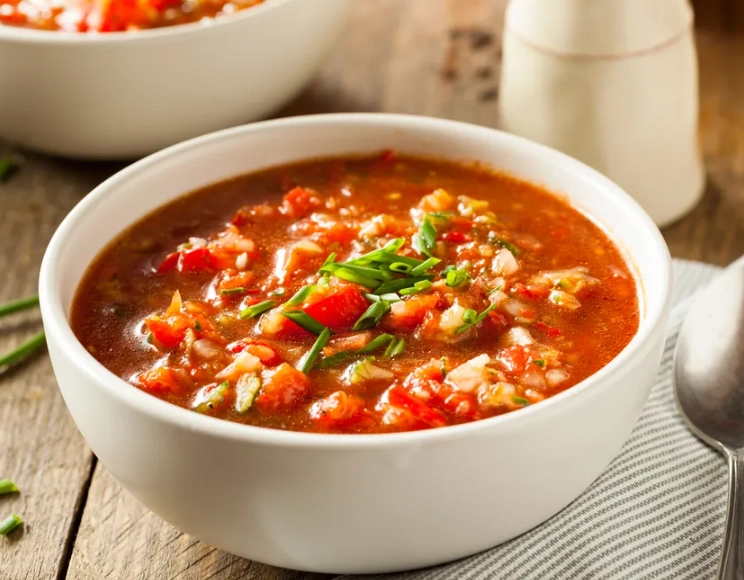
What Is Gazpacho, Really?
Gazpacho is a cold soup from Andalusia, in the south of Spain. Its history is a humble one, born from the need of field workers to make a filling, cooling meal from the ingredients they had on hand: stale bread, garlic, olive oil, vinegar, and whatever vegetables were ripe. The tomato-based red version we know today became popular in the 19th century after tomatoes were introduced from the Americas.
But calling it a "cold tomato soup" feels like a disservice. At its best, it's a balanced, harmonious emulsion. It's not a sauce, not a juice, not a smoothie. It's its own category. The texture should be smooth and light, with a slight body from the bread and olive oil. The flavor is a complex dance between the sweetness of ripe tomatoes, the sharpness of vinegar and garlic, the fruity depth of good olive oil, and the fresh finish of cucumber and pepper.
Forget everything you thought you knew about blended soups.
I've had gazpacho that was too acidic, too watery, too thick like a dip. The goal is none of those. The goal is a soup you can drink from a glass (yes, really) that leaves you feeling energized, not weighed down. It's the ultimate expression of summer produce.
A Quick Personal Aside: My biggest early mistake was using mediocre tomatoes. Out-of-season, pale, hard tomatoes make a pale, hard-tasting soup. It's the one ingredient you absolutely cannot compromise on. If your tomatoes don't smell like sunshine and taste sweet and intense raw, your gazpacho will suffer. I learned this the hard way after a disappointing batch that tasted more like spiked V8 juice.
The Core Philosophy: Keep It Simple, Keep It Cold
Before we get to the actual gazpacho recipe, let's set some ground rules. This soup is built on a few non-negotiable principles.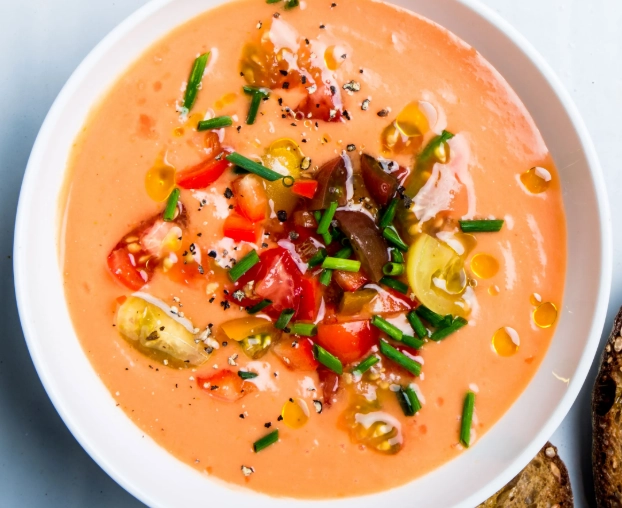
First, ingredient quality is paramount. This is a raw soup. There's no cooking to hide flaws or develop flavors. Every flavor is front and center. Second, texture is key. It should be perfectly smooth. A gritty or fibrous gazpacho is a failed gazpacho. This means blending thoroughly and straining. Third, chilling is not a suggestion. It's a crucial step that allows the flavors to marry and mellow. Serving it even slightly cool is a crime.
Think of it like making a great cocktail. You need top-shelf spirits (your vegetables and oil), proper technique (blending and emulsifying), and it must be served ice-cold. Get these right, and you're 90% of the way there.
The Authentic Gazpacho Recipe: A Step-by-Step Breakdown
Okay, let's get to it. This is my tried-and-true version, adapted from methods I learned in Spain and through many, many trials. It's a classic gazpacho recipe that works every single time.
The Essential Ingredients
| Ingredient | Quantity | Why It's Here & Pro Tips |
|---|---|---|
| Ripe Tomatoes (e.g., Roma, Beefsteak, Heirloom) | 2 lbs (about 1 kg) | The star. They must be ripe, red, and fragrant. Heirlooms add incredible flavor. Core them, but you don't need to peel them for a proper blended and strained soup. |
| European Cucumber (the long, thin ones) | 1 medium, about 8 inches | Provides fresh, green aroma and liquid. Peel it if the skin is bitter, otherwise, leaving some on is fine. I usually peel half. |
| Green Bell Pepper | 1 medium | Adds a crucial vegetal note. Red pepper can be used for a sweeter result, but green is traditional. Core and seed it. |
| Garlic | 1-2 cloves | Start with one. It's raw, so it can overpower. Smash it to a paste with salt first to distribute evenly. |
| Stale White Bread (crust removed) | 2 oz (about 2 slices) | The secret thickener and emulsifier. It gives body without heaviness. Soak it in a little water or some of the tomato juice for 10 minutes before blending. |
| Extra Virgin Olive Oil | 1/2 cup (120 ml) | Use a fruity, mild one, not a super peppery one. This is a main flavor component and creates the silky emulsion. Don't skimp. |
| Sherry Vinegar | 2-3 tablespoons | This is non-negotiable. Sherry vinegar has a complex, nutty acidity that defines gazpacho. White wine vinegar is a distant second choice. Start with 2 tbsp, adjust later. |
| Salt | 1.5 - 2 tsp | Sea salt or kosher salt. You need enough to balance the acidity and sweetness. |
| Cold Water | 1/4 to 1/2 cup (60-120 ml) | For adjusting consistency. The water content of your veggies varies, so add as needed. |
See? No crazy ingredients. But each one plays a specific role. Now, the method.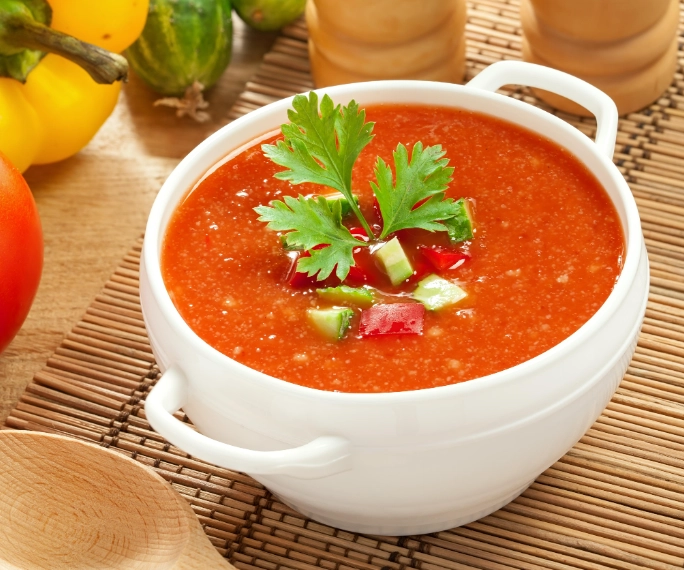
The Method: Patience Over Power
This isn't a "dump and blast" smoothie. There's a sequence that helps build the emulsion.
- Prep and Blend the Solids: Roughly chop your tomatoes, cucumber, and pepper. Add them to a powerful blender (a Vitamix or similar is ideal, a good food processor works too). Add the soaked bread (squeezed of excess liquid) and the garlic paste. Blend on high until it's as smooth as possible. This might take a full minute or two. You want to break down all the cellular walls.
- Emulsify with Oil: This is the magic step. With the blender running on medium, slowly, painfully slowly, drizzle in the olive oil. You should hear the sound change as the soup thickens and becomes creamy. This incorporates the fat and creates a stable, smooth soup. Rushing this will give you a greasy, separated gazpacho.
- Season and Acidify: Stop the blender. Add the sherry vinegar and 1.5 tsp of salt. Blend again to combine. Now, taste. This is your adjustment moment. Need more salt? More vinegar? More brightness? Add it now. Remember, flavors mute when cold, so season a touch more aggressively than seems right.
- Strain (The Secret Step): This is what separates good from great. Pour the soup through a fine-mesh strainer or a food mill into a large bowl. Use a spatula to press it through. You'll be left with dry pulp and seeds. Discard them. This guarantees that silky, elegant texture. Yes, it's an extra step. Yes, it's 100% worth it.
- The Crucial Chill: Cover the bowl and refrigerate for at least 4 hours, ideally overnight. This isn't just about temperature. The flavors need time to get to know each other. The sharp edges of the garlic and vinegar soften, the sweetness comes forward, and everything becomes harmonious. Serve it sooner, and you'll taste the individual parts, not the whole.
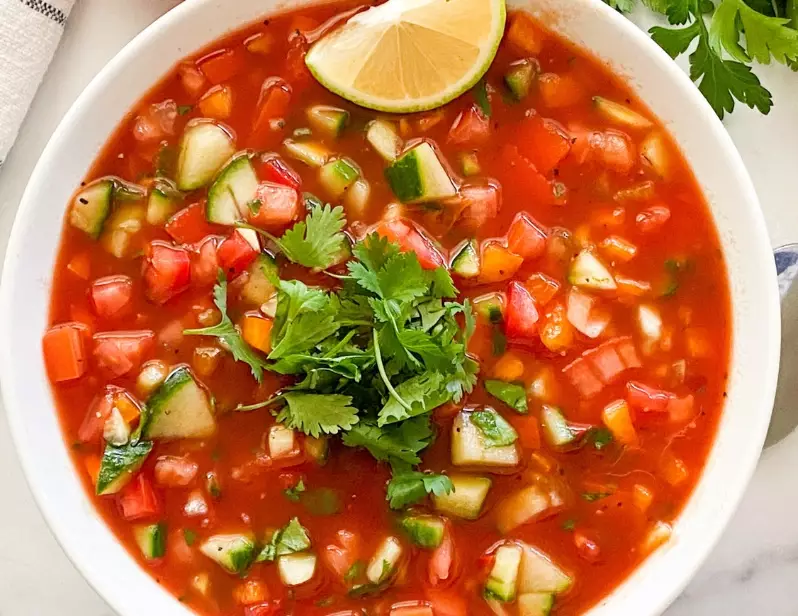
Pro Tip: When adjusting seasoning after chilling, a tiny pinch of sugar can work wonders if your tomatoes weren't perfect. It's a chef's trick to round out acidity without making it sweet.
And that's it. The core gazpacho recipe. Simple, but with intention behind every step.
To Blend or to Pound? The Traditional Spanish Gazpacho Method
Here's where purists might raise an eyebrow. The most traditional method doesn't involve a blender at all. It uses a mortero (mortar and pestle) and a food mill.
The garlic and salt are pounded first into a paste. Then the soaked bread is added and pounded. Then, slowly, the vegetables are incorporated and crushed. Finally, the olive oil is drizzled in while pounding to create the emulsion. The mixture is then passed through a food mill.
Why would anyone do this? Proponents say it avoids "cutting" the ingredients with sharp blades, which can release bitter compounds and incorporate too much air. The pounding and crushing is gentler, resulting in a more refined texture and purer flavor.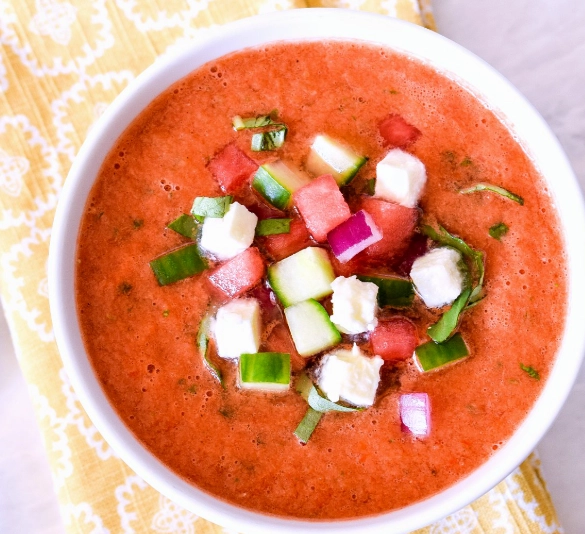
My honest opinion? For the home cook, a high-powered blender followed by a strainer gets you 95% of the way there with 5% of the effort. The mortar method is wonderful for a special occasion or to connect with the tradition, but it's not practical for most. I've tried both, and while the pounded version had a marginally silkier mouthfeel, the difference wasn't dramatic enough to warrant the extra 45 minutes of labor on a hot day.
Sometimes, modern tools are okay.
Gazpacho Recipe Variations: When to Break the Rules
The classic is perfect, but summer is for experimenting. Once you've mastered the base, the world is your oyster (or your tomato). Here are some popular twists, ranked by how much I personally enjoy them.
Salmorejo (The Thick Cousin from Córdoba): This is often confused with gazpacho, but it's a different beast. It uses only tomato, bread, garlic, olive oil, and salt. No cucumber, no pepper. The result is a much thicker, almost dip-like consistency, traditionally served with diced serrano ham and hard-boiled egg on top. It's incredibly rich and satisfying. A fantastic gazpacho recipe alternative when you want something more substantial.
White Gazpacho (Ajo Blanco): The original gazpacho before tomatoes arrived! This is a stunning soup made from almonds, garlic, bread, olive oil, vinegar, and water, often garnished with grapes or melon. It's creamy, nutty, and elegant. A must-try if you love almonds.
Fruit-Infused Gazpacho: Adding watermelon, strawberries, or cantaloupe can be delicious. Replace about 1/4 of the tomato with ripe fruit. It adds a wonderful sweetness. Be careful with the vinegar balance here.
The "Everything But" Gazpacho: I'm not a huge fan of this trend, but it exists. Throwing in avocado, beets, or herbs like basil changes the character completely. It can be tasty, but at that point, you're making a different chilled vegetable soup. Call it a "chilled tomato and avocado soup," not gazpacho.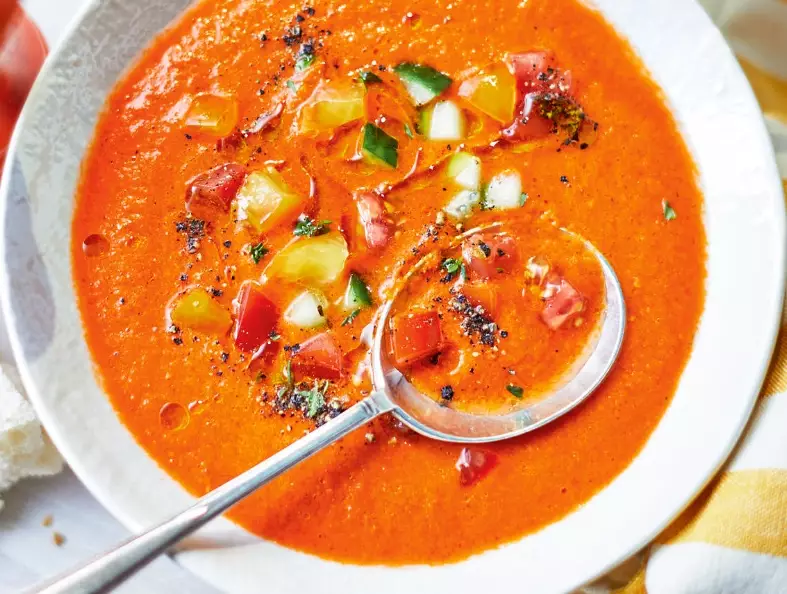
A Word of Caution: Adding dairy (cream, yogurt) is a big no-no in traditional Spanish cuisine. It changes the flavor profile and acidity balance. If you do it, know you're venturing into fusion territory.
Serving, Garnishing, and The Whole Experience
You've made this beautiful soup. Now, serve it right. It must be ice-cold. I sometimes chill the bowls in the freezer for 15 minutes before serving.
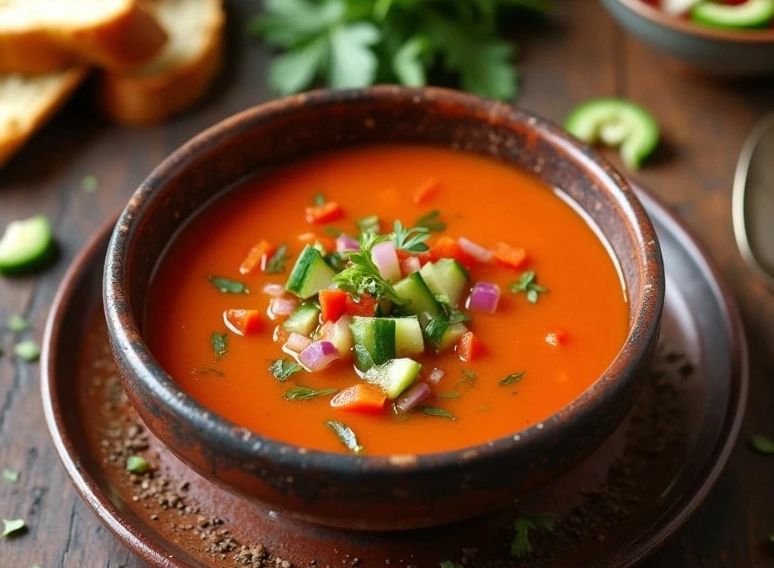
Garnishes are not just decoration; they add texture and bursts of complementary flavor. Serve them in little bowls on the side so people can customize. The classic guarnición includes:
- Finely diced cucumber (the same type you used in the soup).
- Finely diced green bell pepper.
- Small croutons (fried in olive oil, of course).
- Diced red onion (soaked in water for 10 minutes to tame the bite).
- Diced hard-boiled egg (more common with Salmorejo, but still nice).
Pour the soup into glasses, bowls, or even a pitcher. Let people garnish as they like. The crunch of the veggies and croutons against the smooth, cold soup is part of the joy.
What to drink with it? A crisp, cold Spanish white like an Albariño or Verdejo. Or a dry sherry (Fino or Manzanilla) if you really want to lean into the Andalusian theme. Honestly, it's perfect with just a glass of ice water on a hot day.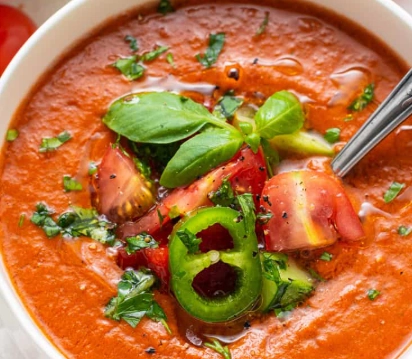
Your Gazpacho Recipe Questions, Answered (The FAQ)
Digging Deeper: The Culture and Context of Gazpacho
To truly appreciate this dish, it helps to understand its place in Spanish life. It's not fancy restaurant food; it's home food, tavern food, the taste of summer. In Andalusia, you'll find it in nearly every bar, often served in a beer glass.
There are even festivals dedicated to it, like the Gazpacho Festival in Alcalar. The soup is a point of regional pride, and recipes vary from town to town, family to family. Some add a bit of cumin, some use more bread, some less garlic. The version I've given you is a solid, middle-ground classic gazpacho recipe that would be recognized and approved across Spain.
For a deeper dive into its history and cultural significance, resources like the official Spain.info tourism site often feature articles on regional cuisine. Academic and culinary institutions, such as those highlighting Mediterranean diet heritage, also provide context on how dishes like gazpacho fit into a broader food culture. The key is that it embodies the Mediterranean diet principles: vegetables, olive oil, bread, simplicity.
It's more than food; it's a feeling.
Final Thoughts and My Biggest Piece of Advice
Making the perfect gazpacho recipe is a journey, not a destination. Your soup will change with the seasons, with the tomatoes you find, with your mood. Embrace that.
My single biggest piece of advice, beyond using good tomatoes, is this: taste as you go, and trust your palate. The recipe is a blueprint. You might like it tangier (more vinegar), smoother (blend longer, strain twice), or with a stronger garlic punch. Adjust it until it sings to you.
It's a forgiving soup in spirit, if not in technique. So grab those ripe tomatoes, fire up the blender, and make a batch. Let it chill overnight. Then, on a hot afternoon, pour yourself a glass, add the crunchy garnishes, and take that first sip. You'll understand why this simple chilled soup has been a summer lifesaver for centuries.
Now, if you'll excuse me, all this writing about gazpacho has made me thirsty. I think I have some in the fridge.