In This Article
- What is Gazpacho, Really? (A Brief, Juicy History)
- The Core Principles: What Makes Gazpacho, Gazpacho?
- The Essential Tools (You Probably Already Have Them)
- The Classic Andalusian Gazpacho Recipe (The Gold Standard)
- Beyond the Classic: Creative Gazpacho Recipes to Try
- The Science of a Smooth Gazpacho (Why Technique Matters)
- Troubleshooting Your Gazpacho: Common Pitfalls & Fixes
- Gazpacho FAQs: Answering Your Burning Questions
- Wrapping It All Up
Let's be honest, the first time someone handed me a bowl of gazpacho, I was skeptical. Cold soup? Really? It looked like a smoothie that had an identity crisis. But one spoonful in the middle of a blistering Seville summer, and I was a convert. The shock of cool, tangy tomato, the crunch of cucumber, the kick of garlic—it wasn't just food; it was air conditioning you could eat. Since then, I've made gallons of the stuff, messed up plenty of batches (more on that later), and eaten my way through enough gazpacho recipes to know what makes one truly sing.
This isn't just another list of ingredients. We're going deep. We'll talk about the soul of a classic Andalusian gazpacho, why your blender technique matters more than you think, and how to fix a batch that's gone wrong. I'll also throw in some wild, delicious variations that still respect the spirit of the original. Whether you're a gazpacho newbie or looking to perfect your craft, you'll find what you need here.
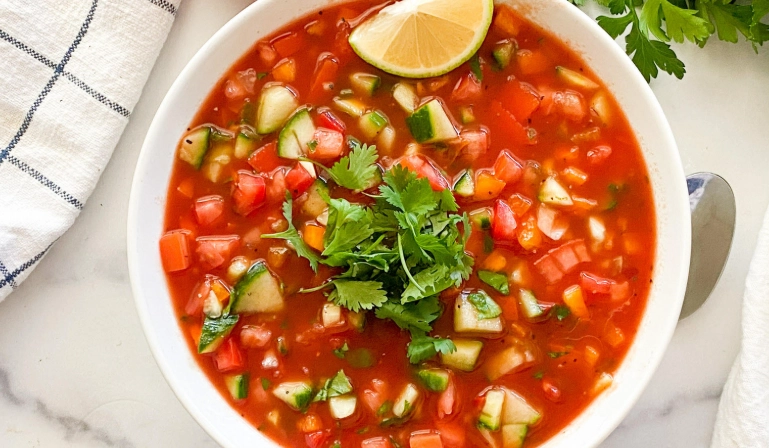 Ready to ditch the bland, watery versions forever? Let's go.
What is Gazpacho, Really? (A Brief, Juicy History)
Most people think gazpacho is a fancy Spanish appetizer. It's not. Its roots are humble, a peasant food born from necessity. Before tomatoes even arrived from the Americas, the original "gazpacho" was a simple paste of stale bread, garlic, olive oil, vinegar, and water, pounded in a mortar. It was fuel for laborers under the punishing Andalusian sun. The tomato, now its star ingredient, was a glorious New World addition that transformed it into the vibrant red soup we know today.
The Spanish take their gazpacho heritage seriously. If you want a deep dive into its cultural significance, the official Spain.info tourism page has a great overview straight from the source. It's more than a recipe; it's a piece of living history.
The Core Principles: What Makes Gazpacho, Gazpacho?
You can't just blend raw veggies and call it gazpacho. The magic is in the balance. Forget complex spices—the best gazpacho recipes rely on the quality and harmony of a few key players.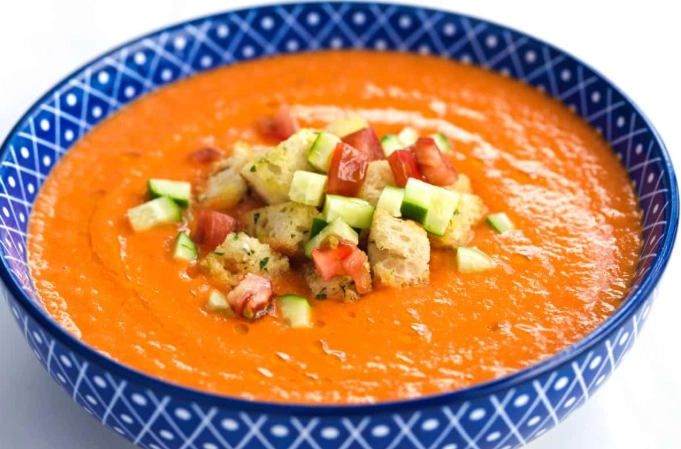
- Tomatoes: The heart. You need ripe, flavorful ones. Off-season, mealy tomatoes will give you sad, pink water. In a pinch, good-quality canned whole plum tomatoes (like San Marzano) in their juice can actually outperform bland fresh ones.
- Bread: The soul. A handful of stale, crustless white bread (soaked in water) is the ancient thickener. It gives body and a silky, almost creamy texture that pure veg can't achieve. Don't skip it.
- Garlic: The spirit. Use one small clove to start. Raw garlic can dominate, so some traditions rub it on the soaked bread instead of blending it in raw.
- Olive Oil: The richness. A generous glug of extra virgin olive oil is non-negotiable. It emulsifies the soup, making it luxuriously smooth and rounding out the sharp edges.
- Vinegar: The backbone. Sherry vinegar is the classic choice, adding a complex, nutty acidity. Red wine vinegar works too. It's not just for taste—the acid helps preserve the soup.
- Vegetables for Crunch: The texture. Cucumber and green pepper (the long, mild Spanish variety) are traditionally blended in, but also served finely diced on top for that essential contrasting crunch.
That's the foundation. Mess with these ratios at your peril. I learned that after making a batch that tasted like garlic soup with a tomato hint. Not pleasant.
The Essential Tools (You Probably Already Have Them)
You don't need fancy gear. A good blender is the main event. A high-powered one (like a Vitamix) will give you an unbelievably smooth, emulsified texture in minutes. A standard blender works fine; you just might need to blend longer and strain it afterward. Which brings me to the second most important tool: a fine-mesh strainer or food mill. Pushing the blended soup through a strainer is the secret professional trick for that restaurant-smooth finish. It removes tomato seeds and any fibrous bits. Yes, it's an extra step. Yes, it's worth it.
The Classic Andalusian Gazpacho Recipe (The Gold Standard)
This is it. The blueprint. I've adapted this from methods I learned talking to cooks in southern Spain. It's forgiving, but follow the spirit.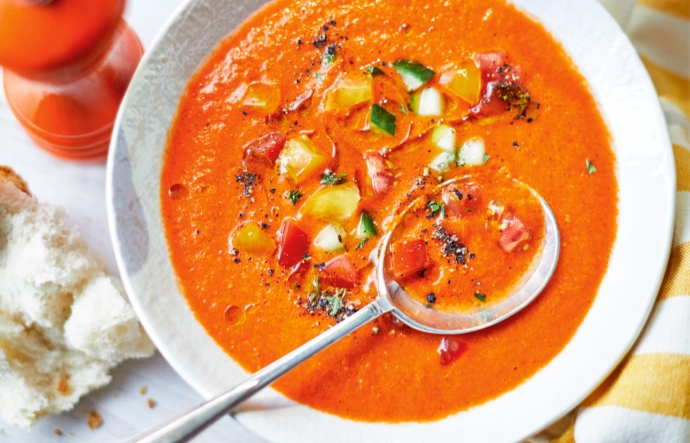
Ingredients:
- 2 lbs (about 1 kg) very ripe tomatoes, cored and roughly chopped
- 1 medium cucumber (about 8 oz), peeled, seeded, and chopped (save a bit for garnish)
- 1 small green bell pepper (or 1/2 a large one), seeded and chopped (save a bit for garnish)
- 1 small clove of garlic, peeled (or halved if you're cautious)
- 2 oz (about 2 slices) stale crustless white bread, soaked in water for 10 mins, then squeezed dry
- 1/3 cup (80ml) extra virgin olive oil
- 2 tbsp sherry vinegar (or red wine vinegar)
- 1 tsp fine sea salt (plus more to taste)
- Optional garnishes: finely diced cucumber, pepper, tomato, croutons, a drizzle of olive oil.
Method:
- Prep is Key: Chop all your vegetables. Don't be too precise, they're going for a blender ride.
- Blend in Stages: In your blender, combine the soaked bread, garlic, and about half of the chopped vegetables with the vinegar and a splash of water. Blend until completely smooth. This creates a creamy base.
- Emulsify: With the blender running on medium, slowly drizzle in the olive oil. You'll see the mixture thicken and lighten in color. This is the emulsion forming—the heart of a great texture.
- Finish Blending: Add the remaining vegetables and the salt. Blend on high until as smooth as your blender can get it. Taste. This is your moment. Want more tang? Add a splash more vinegar. More richness? A bit more oil. More garlic? Go slow!
- The Crucial Step – Strain: Set your fine-mesh strainer over a large bowl. Pour the soup through, using a spoon or spatula to press all the liquid through. What's left is dry pulp—discard it.
- Chill, Seriously: Cover the bowl and refrigerate for at least 4 hours, ideally overnight. This isn't a suggestion. The flavors need time to marry and mellow. The soup will also thicken slightly as it chills.
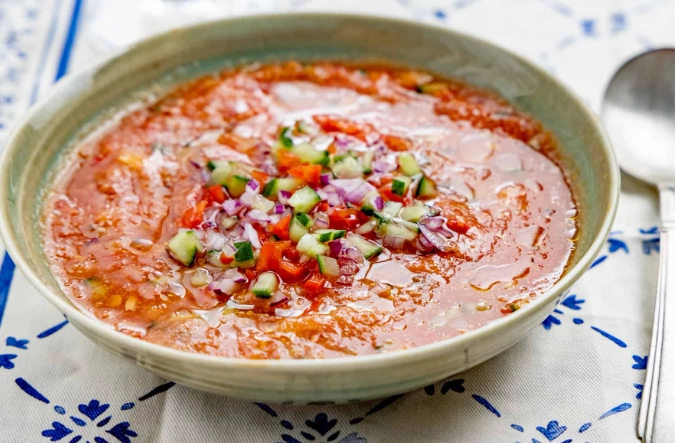
- Serve & Garnish: Taste again before serving (cold dulls flavor, so you might need a tiny pinch more salt). Pour into bowls or glasses and load up with your chosen garnishes. The contrast of the silky soup and crunchy toppings is everything.
See? Not hard. But the devil—and the divinity—is in those details: the slow oil drizzle, the straining, the patient chilling. This is what separates an authentic gazpacho recipe from a veggie smoothie.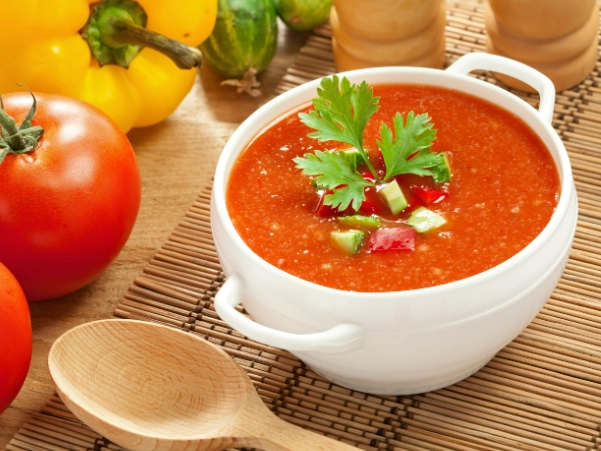
Beyond the Classic: Creative Gazpacho Recipes to Try
Once you've mastered the classic, the world is your oyster (though maybe don't put oysters in it). The formula is versatile. Here are a few of my favorite spins that still feel like gazpacho.
Green Gazpacho with Avocado
Swap red for green. Use tomatillos or green tomatoes, lose the red ones, and add a whole avocado to the blend. The avocado makes it incredibly creamy without any dairy. Use white wine vinegar and lots of fresh herbs like cilantro or basil. It's refreshing in a different, almost grassy way. A top contender for best easy gazpacho recipes when you want something different.
Watermelon & Feta Gazpacho
This one's controversial with purists, but I love it on a scorching day. Replace half the tomatoes with seedless watermelon. Use a lighter hand with the vinegar. The result is slightly sweeter, incredibly hydrating. Serve with a garnish of crumbled feta cheese and mint. It's a meal that cools you from the inside out.
Smoky Gazpacho with Grilled Peppers
Char a red bell pepper (or use a good-quality jarred piquillo pepper) on your grill or stove burner until blackened. Peel off the skin and use it instead of the green pepper. The smokiness adds a fantastic depth. A tiny bit of smoked paprika can enhance it further.
| Recipe Style | Key Flavor Twist | Best For | My Personal Rating |
|---|---|---|---|
| Classic Andalusian | Pure, balanced tomato & garlic | The authentic experience, purists | 10/10 (The benchmark) |
| Green with Avocado | Creamy, herbal, tangy | Hot days, herb lovers | 9/10 (So refreshing) |
| Watermelon & Feta | Sweet, salty, ultra-hydrating | Brunch, adventurous eaters | 8/10 (Not for everyone, but I'm a fan) |
| Smoky Grilled Pepper | Deep, charred, complex | Evening meals, smoky flavor fans | 9.5/10 (A close second to classic) |
The Science of a Smooth Gazpacho (Why Technique Matters)
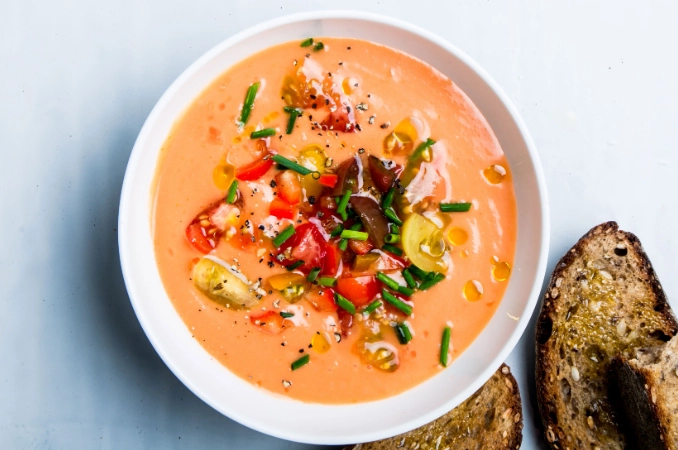
Here's something most gazpacho recipes don't tell you: you're not just mixing, you're creating an emulsion. The olive oil and the water-based vegetable juices are natural enemies. Blending them violently forces them into a temporary union. Adding the oil slowly while the base is already blending gives the emulsion a stable start. This is why a high-speed blender is so effective—it creates a more stable, creamier emulsion that separates less in the fridge.
The bread plays a scientific role too. The starches act as emulsifiers and stabilizers, helping to hold the oil and water together and giving the soup body. For a deep dive into the food science of emulsions and soups, resources like Serious Eats often break it down brilliantly, though their specific articles change. The principle is key: you're building texture, not just flavor.
 Blend with purpose. Texture is everything.
Troubleshooting Your Gazpacho: Common Pitfalls & Fixes
We've all been there. You followed a recipe, but something's off. Don't toss it! Here's how to save the day.
| The Problem | Likely Cause | The Quick Fix |
|---|---|---|
| Too watery / thin | Juicy tomatoes, not enough bread or oil, didn't strain. | Blend in another small piece of soaked bread. Or, serve it in a glass as a gazpacho shot—call it intentional! |
| Too thick / pasty | Too much bread, not enough liquid. | Thin it out with a little cold water or tomato juice until it reaches a soup consistency. |
| Too bland | Under-seasoned, bland tomatoes, not enough acid. | Season in this order: add more salt (it wakes up flavors), then a touch more vinegar, finally a drizzle of olive oil. Taste after each addition. |
| Too acidic / sharp | Overdid the vinegar or garlic. | Balance with a pinch of sugar (really) or a bit more olive oil. Adding some finely grated cucumber (strained of its juice) can also help soften the edge. |
| Separated in the fridge | The emulsion broke. It's natural, especially with less powerful blenders. | Just give it a good stir or a quick whiz with an immersion blender before serving. It'll come back together. |
Gazpacho FAQs: Answering Your Burning Questions
How long does homemade gazpacho last in the fridge?
Properly stored in a sealed container, it's good for 3-4 days. The vinegar acts as a preservative. It might separate, but just stir it. The flavor often improves on day two.
Can you freeze gazpacho?
Technically yes, but I don't recommend it. The texture of the fresh vegetables and the emulsion suffers badly upon thawing. It becomes watery and grainy. Gazpacho is a fresh, seasonal treat—enjoy it that way.
Is gazpacho healthy?
Incredibly. It's a raw soup, so all the vitamins and enzymes are intact. It's packed with antioxidants (lycopene from tomatoes), hydrating from the veggies, and has healthy fats from olive oil. Just watch the salt if you're on a restricted diet.
What's the difference between gazpacho and salmorejo?
Great question. Salmorejo is gazpacho's richer, thicker cousin from Cordoba. It uses only tomato, bread, garlic, olive oil, and vinegar—no cucumber or pepper. It has much more bread, making it almost like a savory tomato mousse. It's traditionally served with hard-boiled egg and serrano ham on top. Both are amazing, but they're different dishes.
My gazpacho is too chunky. What did I do wrong?
You probably didn't blend long enough or skipped the straining step. Not all blenders are created equal. If you don't have a high-power one, blend for a solid 3-4 minutes, then strain diligently. It makes all the difference.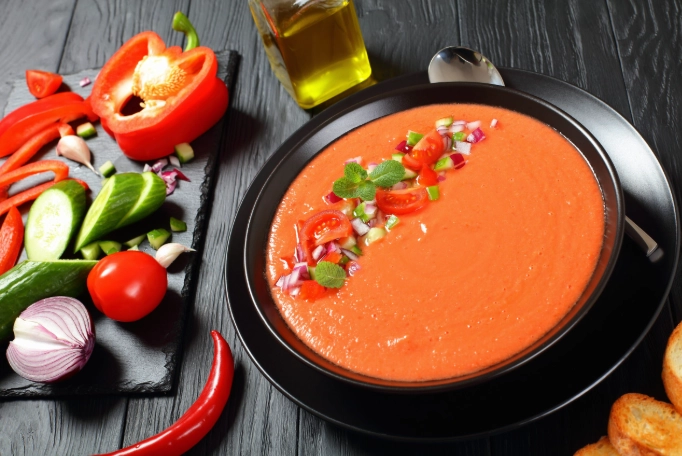
Wrapping It All Up
So there you have it. Gazpacho is deceptively simple. It asks for little more than ripe produce, good oil, and a bit of patience. But within that simplicity is a world of nuance—the creaminess from bread, the lift from vinegar, the magic of emulsion, the necessity of a deep chill.
The best gazpacho recipes are guides, not gospel. Start with the classic. Master the feel of it. Then, make it your own. Add a handful of strawberries. Use heirloom tomatoes of every color. Throw in some basil. The core formula is your canvas.
Most importantly, make it when the sun is high and the air is thick. Serve it cold enough to make your teeth hum. Share it with friends. That's the real secret, passed down through every Andalusian kitchen: it's not just soup. It's a feeling. A cool, delicious sigh of relief.
Now, go raid the farmers' market. Your blender is waiting.